


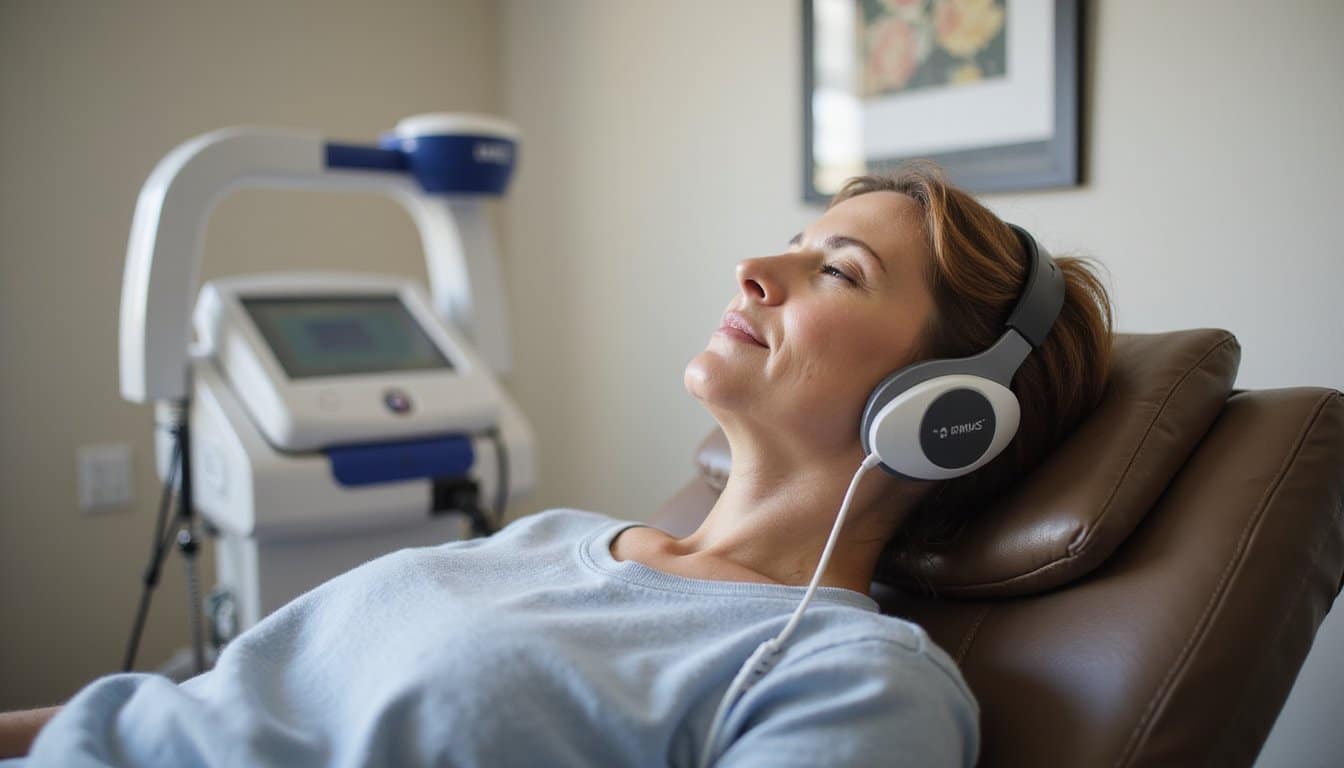

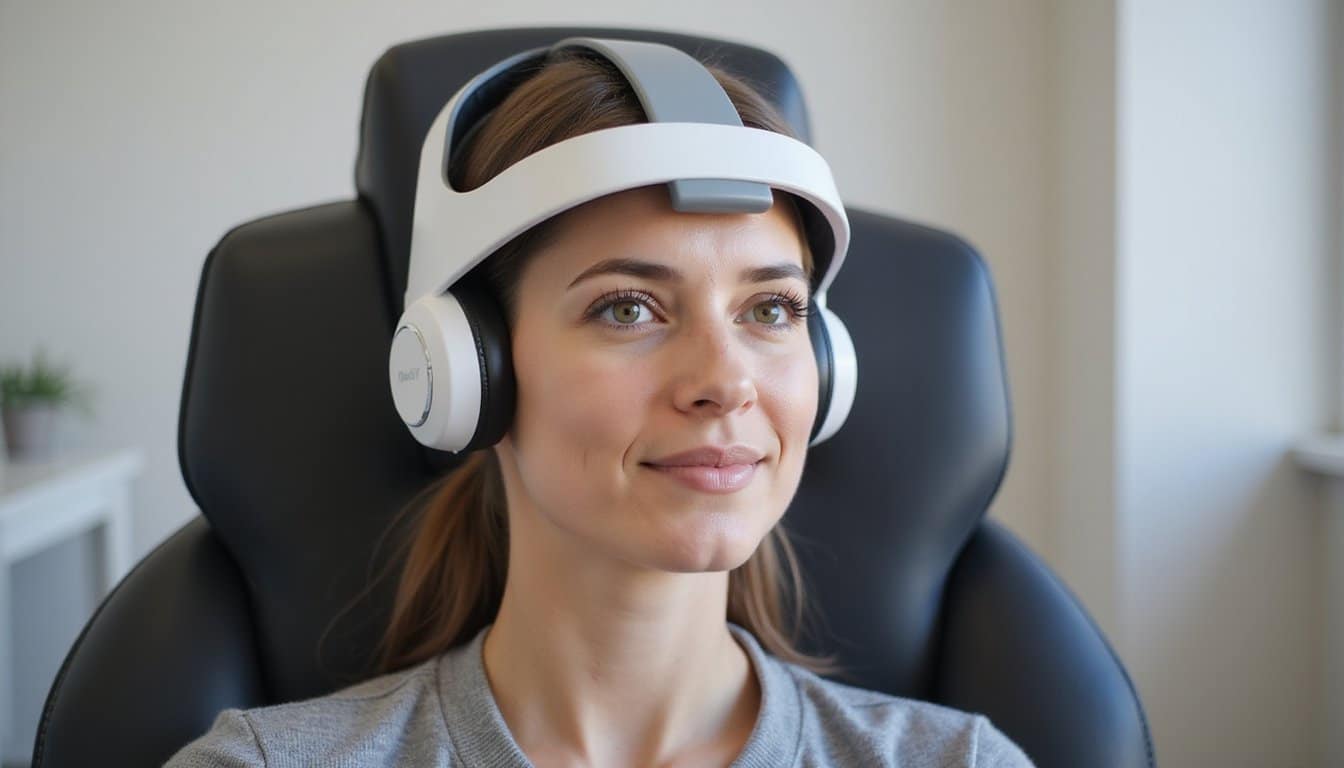


When you enter an alcohol rehab program, you’ll start with a clinical intake assessment that covers your substance use history, medical conditions, and mental health. From there, you’ll follow a structured daily schedule that includes individual therapy like CBT or DBT, group counseling with peers, and holistic practices such as yoga and meditation. Each element is designed to help you understand your relationship with alcohol and build lasting coping strategies, and there’s much more to know about how each step works.
What to Expect on Your First Day of Alcohol Rehab

Your first day of alcohol rehab can feel intimidating, but knowing what to expect helps ease much of that anxiety. The process begins with an intake assessment, where a counselor gathers information about your substance use history, medical conditions, and mental health. You’ll set treatment goals and complete necessary paperwork.
Next, medical professionals conduct a physical evaluation, checking essential signs and screening for recent substance use. You’re then assigned a case manager who outlines your program requirements. You’ll also be asked to bring any current medications you’re taking, as psychiatrists may evaluate and adjust prescriptions to support your recovery.
Understanding what to expect in alcohol rehab includes a facility tour, room setup, and introductions to fellow residents and your care team. You’ll receive a structured daily schedule covering therapy sessions, group meetings, and activities. This routine provides stability and direction from day one.
What a Typical Day in Alcohol Rehab Looks Like
A typical day in alcohol rehab follows a structured schedule that keeps you engaged from early morning through evening, giving you the routine and accountability you need to build a strong foundation for recovery. Your mornings begin with healthy habits and therapy sessions, afternoons focus on complementary treatments and skill-building activities, and evenings provide space for support group meetings and quiet reflection. This intentional balance of clinical treatment, physical wellness, and personal downtime helps you address every aspect of your recovery throughout the day. Throughout each session, the goal is to understand your addiction and develop effective coping strategies that support long-term sobriety.
Morning Routine and Therapy
Most rehab programs start the day between 6:30 and 7:00 AM, which might feel early but serves an important purpose, it helps restore your body’s natural rhythm after months or years of disruption. Staff members guarantee you’re up on time, and your alcohol rehab daily routine begins with personal hygiene, making your bed, and light stretching. These small tasks build emotional stability and replace old patterns with healthier ones. Nurse checks and medication administration happen during this phase. As participants progress through their daily schedule, they begin to understand the duration of alcohol rehabilitation programs is essential for their recovery journey. Each session is designed to provide support and education, equipping individuals with the tools they need to navigate life without reliance on alcohol. Ultimately, the structured environment and consistent routine foster an atmosphere conducive to healing and personal growth.
Breakfast follows around 8:00 AM, with dietitian-planned meals designed to rebuild energy and stabilize blood sugar. After eating, you’ll move into mindfulness activities like meditation or yoga before starting individual therapy sessions around 9:00 AM. Morning self-reflection creates space for goal setting and emotional preparation for the day ahead. This consistent morning structure also helps eliminate decision fatigue, reducing the risk of falling back into old habits during the vulnerable early stages of recovery.
Afternoon Treatment Activities
After the morning’s therapy sessions and a nutritious lunch, the afternoon shifts into a diverse mix of treatment activities designed to deepen your recovery work. You’ll engage in specialized sessions addressing specific needs like anger management, trauma processing, or grief counseling, key alcohol rehab program details that distinguish thorough care.
Your afternoon treatment activities also include alternative therapies such as art therapy, music therapy, or journaling, which provide calming mental clarity and emotional expression. Physical fitness rounds out the schedule through yoga, guided walks, or light gym circuits that release endorphins, reduce cravings, and regulate your mood. These movement-based activities pair with accountability partnerships to reinforce lasting habits. Each afternoon component targets a different dimension of healing, ensuring you’re building practical skills for sustained recovery.
Evening Recovery and Rest
Once the afternoon’s therapy sessions and physical activities wind down, your evening in rehab serves a distinct purpose: preparing your mind and body for restorative sleep while reinforcing the day’s progress. Your alcohol treatment plan includes guided mindfulness, group reflection, and structured bedtime protocols that reduce cravings during vulnerable evening hours.
| Evening Component | Purpose | Outcome |
|---|---|---|
| Mindfulness & Breathing | Regulates nervous system before dinner | Reduced anxiety and craving intensity |
| Group Reflection Sessions | Processes the day’s experiences | Emotional closure and peer connection |
| Sleep Protocol (Lights-Out by 10 PM) | Restores natural sleep cycles | Lower relapse risk and improved mood |
In rehab, consistent evening routines stabilize your emotional regulation and build foundational habits that support long-term recovery beyond formal programming.
Who Works With You During Alcohol Rehab?
Because alcohol rehab involves complex physical and emotional challenges, a team of specialized professionals works together to support every stage of your recovery. Board-certified addiction doctors prescribe non-addicting medications and manage withdrawal symptoms, while licensed therapists build coping strategies through evidence-based approaches like trauma-informed care and motivational interviewing.
Nursing staff provide 24/7 supervision during detox, ensuring your comfort and safety. Clinical specialists address co-occurring disorders such as depression, anxiety, and trauma alongside your substance use treatment. Throughout each alcohol treatment step in rehab, peer support professionals and family therapists help reduce isolation and rebuild relationships with loved ones.
This multidisciplinary team customizes your individualized treatment plan, guiding you through every phase from detox to aftercare planning and alumni support networks.
Types of Therapy Used in Alcohol Rehab

Therapy forms the backbone of alcohol rehab, giving you practical tools to understand why you drink and how to stop. Understanding the types of therapy used in alcohol rehab helps you know what to expect. CBT teaches you to identify harmful thought patterns and manage triggers, reducing alcohol use by 30, 50%. DBT builds emotional balance through mindfulness and distress tolerance. MET strengthens your motivation to change. In addition to these therapeutic approaches, many individuals benefit from participating in an alcohol rehabilitation center that offers a supportive community and structured environment. These centers often provide a range of activities, including group therapy sessions and recreational therapies, which can enhance the recovery experience. By combining various treatment methods, participants are better equipped to maintain sobriety and rebuild their lives.
| Therapy Type | Core Focus | Key Benefit |
|---|---|---|
| CBT | Changing harmful thought patterns | 40% reduction in consumption over 12 months |
| DBT | Emotional regulation and coping | Prevents turning to alcohol during distress |
| MET | Building internal motivation | Improved treatment outcomes and relapse prevention |
Your treatment team will tailor these approaches to your specific needs.
How Group Sessions and Peer Support Work in Rehab
In group counseling sessions, you’ll work alongside 5-10 peers in structured, therapist-led meetings where shared experiences become powerful tools for understanding your own relationship with alcohol. These sessions create a judgment-free space where you can practice honest communication, learn practical coping strategies from others in recovery, and build the peer connections that research consistently links to sustained sobriety. As you hear others voice struggles similar to your own, you’ll find that isolation gives way to a sense of collective support that strengthens your commitment to recovery.
Group Counseling Dynamics
Through these sessions, you’ll discover you’re not alone in your struggles, a powerful realization that reduces shame and isolation. You’ll witness others making progress, which instills genuine hope for your own recovery. As the group develops cohesion, members support each other through honest feedback and shared problem-solving. Therapists use techniques like role playing and structured exercises to help you develop self-awareness and build adaptive coping strategies that strengthen your path forward.
Building Peer Connections
Beyond the structured dynamics of group counseling, the peer connections you build in rehab become one of your most valuable recovery resources. The typical peer support session structure and composition includes 5-10 participants guided by trained facilitators, meeting for 60-90 minutes in supportive, non-judgmental settings.
In these sessions, you’ll share experiences with others facing similar challenges. Experienced members often mentor newer participants, creating a reciprocal helping model that strengthens everyone’s recovery. You’ll receive honest feedback and encouragement while developing accountability without shame.
These connections deliver measurable results. Research shows participants experience increased self-efficacy, improved self-esteem, and stronger social support over 12-month periods. When you witness someone else’s successful sobriety story during your most difficult moments, you’ll recognize that sustained recovery isn’t just possible, it’s achievable.
How Family Therapy Fits Into Alcohol Rehab

While alcohol rehab often centers on individual therapy, family therapy plays a critical role in strengthening recovery outcomes. During the alcohol counseling rehab process, structured family sessions help you and your loved ones understand addiction’s impact on relationships and communication patterns.
Approaches like Brief Strategic Family Therapy target interactions that may trigger compulsive drinking, while Community Reinforcement and Family Training teaches your family positive reinforcement strategies. Behavioral Couples Therapy helps partners work together to reduce relationship stress during recovery.
Your family members participate by attending sessions, establishing healthy boundaries, and creating a supportive environment. When combined with individual counseling and group support, family therapy reduces relapse rates and rebuilds trust. This integrated approach addresses both personal challenges and the broader family dynamics affecting your recovery.
Holistic Therapies You May Try in Alcohol Rehab
Many alcohol rehab programs incorporate holistic therapies that support your recovery beyond traditional counseling, including mind-body wellness practices like yoga, meditation, and tai chi that help you manage stress and build healthier coping skills. You may also explore expressive creative therapies such as art and music therapy, which give you powerful ways to process emotions that are difficult to put into words. Nutritional health education rounds out this approach by teaching you how proper diet and self-care strengthen your body’s healing during early sobriety.
Mind-Body Wellness Practices
Alcohol rehab programs increasingly incorporate mind-body wellness practices because these holistic therapies address recovery from multiple angles, physical, emotional, and psychological. As part of a thorough alcohol rehab overview, you’ll find that meditation, mindfulness practices, and yoga therapy work together to strengthen your recovery foundation.
Daily meditation, even five to ten minutes, can alleviate stress and reduce cravings. Research shows mindfulness-oriented recovery enhancement greatly decreases opioid cravings and chronic pain, demonstrating how present-moment awareness builds emotional regulation without substances.
Yoga therapy takes these benefits further. An eight-week yoga intervention showed greater declines in alcohol dependence severity compared to standard physical training. You’ll practice focused breathing, stretching, and postures that promote relaxation and emotional release. These practices equip you with lasting coping skills for long-term recovery.
Expressive Creative Therapies
During sessions, you’ll engage in prompted or freeform creative activities, followed by reflection periods where you analyze what you’ve created. This process uncovers buried trauma and emotions that may have fueled problematic drinking. Research in the *Substance Abuse Journal* documented a 23% improvement in trauma symptoms using expressive writing alone. Expressive creative therapies also help you identify triggers, develop healthier coping mechanisms, and build motivation for lasting recovery, all through accessible, noninvasive techniques.
Nutritional Health Education
Because chronic alcohol use depletes essential nutrients, including thiamine, potassium, magnesium, and vitamins A, C, D, and E, nutritional health education plays a critical role in restoring both your physical and mental well-being during rehab. Registered Dietitian Nutritionists may guide you through one-on-one counseling and group classes focused on mindful eating, meal preparation, and budgeting for healthy options.
Research shows this approach works. Facilities offering group nutritional health education improved patients’ psychological scores by 68% and medical scores by 56% on the Addiction Severity Index. A balanced, nutrient-rich diet can reduce cravings, ease withdrawal symptoms, and strengthen your immune system.
You’ll also learn to manage weight changes as your appetite returns and address conditions like diabetes or hypertension that substance use may have worsened.
Types of Alcohol Rehab Programs and How Long They Last
When you’re exploring treatment options, understanding the different levels of care can help you find the right fit for your needs. The alcohol rehab treatment process offers several program types, each designed for different stages of recovery.
Intensive inpatient treatment provides 24/7 medical care, detoxification, and therapy over 30, 60, or 90 days. Residential programs offer live-in support with daily therapy lasting one month to one year. Partial hospitalization programs (PHP) require at least 20 hours weekly at a clinical facility while you return home each evening. Intensive outpatient programs (IOP) involve 10-20 hours of weekly treatment with flexible scheduling. Standard outpatient treatment includes regular counseling sessions, often following completion of more intensive care.
How Alcohol Rehab Prepares You to Stay Sober
One of the most important goals of alcohol rehab isn’t just helping you stop drinking, it’s giving you the tools to stay sober long after treatment ends. The alcohol recovery program structure focuses on building practical skills you’ll use daily. In California, many facilities offer personalized approaches to this journey, ensuring that each individual’s needs are met. By participating in alcohol rehab California residents can find community support and connection, which are essential for long-term recovery.
| Skill Area | What You’ll Learn | Why It Matters |
|---|---|---|
| Coping Strategies | Meditation, journaling, deep breathing | Replaces substance use as stress relief |
| Support Systems | Connecting with sober mentors and groups | Provides accountability and encouragement |
| Healthy Routines | Exercise, nutrition, consistent sleep | Reduces cravings and stabilizes mood |
You’ll also identify personal triggers, set meaningful goals, and create motivation lists that reinforce your commitment. These strategies work together to build a strong foundation for lasting recovery.
What Happens After You Complete Alcohol Rehab?
- Continued therapy: Individual, group, or family counseling addresses underlying issues and strengthens coping strategies.
- Sober living environments: Structured housing provides stability while you shift back to daily life.
- Peer recovery groups: 12-Step programs and alumni networks keep you connected to a recovery-focused community.
- Lifestyle adjustments: New routines involving exercise, mindfulness, and healthy relationships help you manage cravings and avoid relapse.
Reach Out and Reclaim Your Life
Rehab is not just about getting sober it is a fresh start that gives you everything you need to rebuild your life piece by piece. At Villa Wellness Center, our addiction program gets to the heart of addiction with a care plan that is built around you. Serving individuals in Sicklerville and surrounding areas, our compassionate team is ready when you are. Call (844) 609-3035 today and start your recovery the right way.
Frequently Asked Questions
How Much Does Alcohol Rehab Cost Without Insurance Coverage?
Without insurance, you’ll typically pay between $1,400 and $10,000 for outpatient programs, while inpatient residential treatment ranges from $6,000 to $30,000 for a 30-day stay. Luxury facilities can cost $26,000 to $100,000 monthly. Detox services add $250 to $10,000 depending on intensity. Don’t let these numbers discourage you, many facilities offer sliding-scale fees, payment plans, and financing options to help make treatment accessible and affordable for your recovery journey.
Can You Leave Alcohol Rehab if You Change Your Mind?
If you’ve voluntarily entered rehab, you can legally leave at any time, treatment teams can’t force you to stay. However, we’d strongly encourage you to discuss your concerns with your counselor before deciding. Leaving early greatly increases your relapse risk and removes access to essential daily support. If you’re court-mandated, departing early could result in legal consequences. Completing your full program gives you the strongest foundation for lasting recovery.
Are Phones and Personal Electronics Allowed During Alcohol Rehab Programs?
Most alcohol rehab programs allow phones and personal electronics but with clear restrictions. You’ll likely experience a therapeutic hold during your first few days, with your devices stored safely until your treatment team determines you’re ready. After that, you’ll typically get limited access during designated times outside sessions. These boundaries aren’t punishment, they’re designed to help you stay focused on recovery without distractions that could trigger cravings or hinder your progress.
What Happens if You Relapse While Still in Rehab Treatment?
If you relapse during treatment, your care team won’t view it as failure, they’ll reassess your treatment plan and adjust your approach. You’ll likely receive closer monitoring, modified therapy sessions, and possibly medication-assisted treatment to manage cravings. Staff can recognize early warning signs like emotional withdrawal or skipping sessions before physical relapse occurs. Remember, relapse affects 40-60% of people in treatment, and it’s an opportunity to strengthen your long-term recovery strategies.
Can You Attend Alcohol Rehab While Continuing to Work Full-Time?
Yes, you can attend alcohol rehab while working full-time. Outpatient programs and intensive outpatient programs (IOPs) let you live at home and schedule treatment around your job. Some inpatient centers even offer WorkFlex services, giving you dedicated time for virtual work during your stay. Federal and state laws protect your right to seek treatment without losing your job, so you don’t have to choose between recovery and your career.