


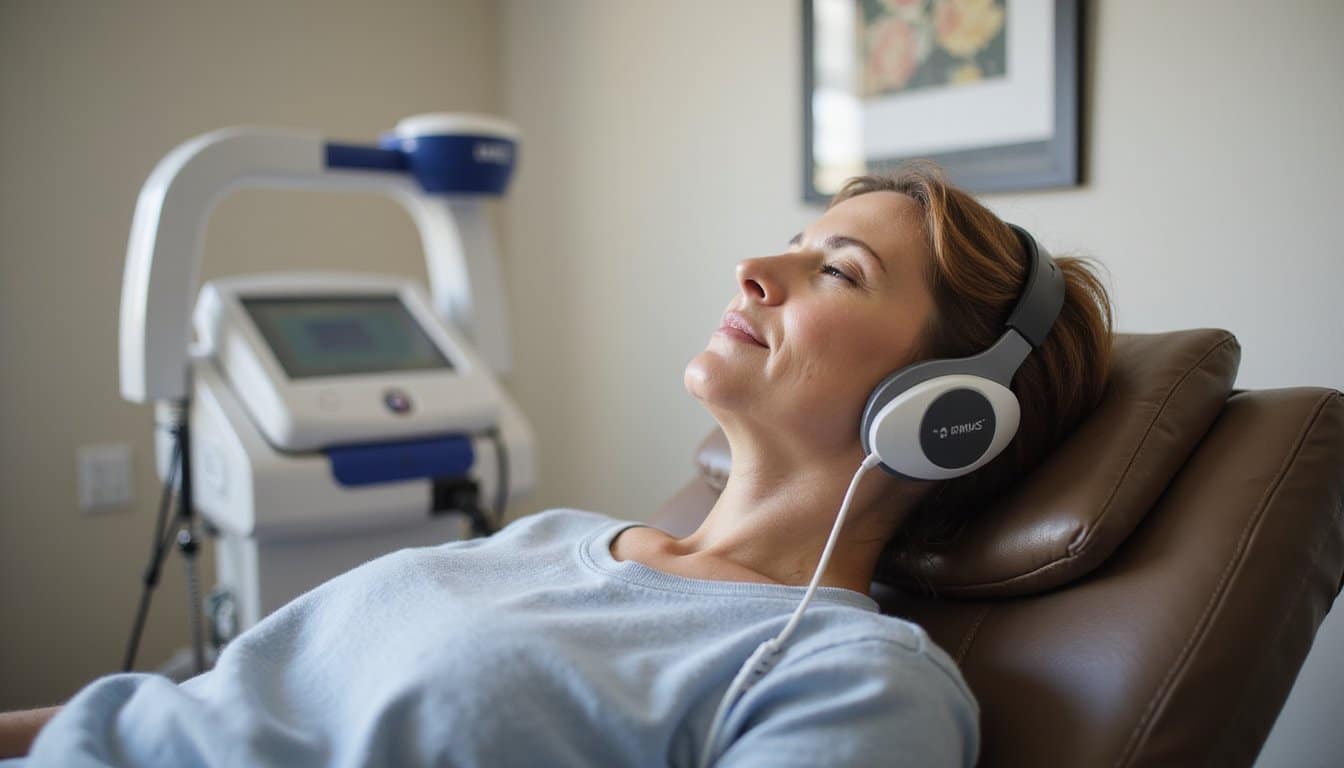




Alcohol rehab typically takes 30 to 90 days, though your timeline depends on factors like addiction severity, physical health, and any co-occurring mental health conditions. Most people start with a 7- to 10-day detox before moving into structured therapy. Thirty-day programs are the most common, but research shows 90-day programs produce markedly lower relapse rates. You deserve a plan that fits your unique situation, and understanding what each stage involves can help you make the most informed decision. In Texas, there are numerous facilities dedicated to providing comprehensive treatment options tailored to individual needs. Alcohol rehab Texas offers various therapies, from group sessions to one-on-one counseling, all aimed at addressing the root causes of addiction.
Alcohol Rehab Usually Takes 30 to 90 Days

Your alcohol rehab duration also depends on substance history and overall health. A 30-day program works best if you’re seeking treatment for the first time with mild to moderate symptoms. A 60-day program allows deeper therapeutic work for moderate cases. A 90-day program, the gold standard according to the National Institute on Drug Abuse, gives your brain the time it needs to begin resetting its chemical balance and produces markedly stronger long-term outcomes. Longer programs also provide the structured environment necessary for developing a personalized relapse prevention plan that supports sustained sobriety after discharge.
What Happens During Alcohol Detox (Days 1, 10)
Before any therapy or counseling begins, your body must first clear alcohol from its system, a process called detox. Within the first 12 hours, you’ll likely experience mild symptoms like anxiety, headaches, and nausea.
Between hours 12, 24, symptoms escalate. Hallucinations and seizure risk emerge, making medical supervision essential. Peak intensity hits around 48, 72 hours, when severe complications like delirium tremens can develop in 3, 5% of patients.
Withdrawal symptoms peak at 48, 72 hours, with delirium tremens posing serious risks, medical supervision is essential.
After day three, symptoms gradually improve. Most people complete detox within 7, 10 days, though psychological cravings often linger longer.
Detox accounts for the earliest portion of your overall alcohol treatment duration, but it’s not recovery itself, it’s the foundation that prepares you for the therapeutic work ahead.
Why 30-Day Alcohol Rehab Programs Are Most Common

A one-month timeline has become the default standard in alcohol rehabilitation, but that’s not because research pinpointed 30 days as the ideal duration. The 28-day model originated from a hospital administrator’s practical assessment that four weeks could stabilize individuals in early recovery. It stuck because 30-day programs represent what insurance companies typically cover and approve.
The average stay alcohol rehab centers offer at this length also accommodates real-life constraints. You can’t always step away from work or family for months. A 30-day commitment lowers barriers, covering detoxification, therapy, and relapse prevention planning within a structured framework. It also serves as an assessment window, your treatment team can evaluate whether you’d benefit from extending into a 60- or 90-day program. However, it’s worth noting that shorter programs often correlate with higher relapse rates, which is why ongoing aftercare planning during those 30 days is critical.
When 60- or 90-Day Alcohol Rehab Makes Sense
While a 30-day program covers the essentials, it doesn’t always provide enough time to address what’s driving the addiction. The National Institute on Drug Abuse (NIDA) recommends that treatment shorter than 90 days has limited effectiveness, and research indicates longer treatment periods consistently produce higher success rates and better long-term outcomes. These extended programs also incorporate comprehensive aftercare plans that provide ongoing therapy sessions, support group meetings, and regular clinical check-ins to help maintain sobriety well beyond the initial treatment period.
Longer treatment means more time to address the root causes of addiction and build lasting recovery skills.
Here’s what extended programs offer you:
- 60-day programs provide complete detoxification with more thorough skill-building than shorter durations.
- 90-day treatment participants report 17% relapse rates versus 35% for those in treatment less than 90 days.
- Extended treatment beyond 90 days correlates with 22, 43% higher employment rates in the year following treatment.
- Longer stays allow practitioners to address trauma, co-occurring disorders, and relapse prevention simultaneously.
What Alcohol Rehab Looks Like After 90 Days

After completing 90 days of structured treatment, your recovery journey moves toward building an independent, substance-free life through practical next steps. You’ll likely progress into a sober living home, continue with outpatient therapy, and apply the relapse prevention skills you’ve developed in real-world settings. Each of these supports works together to protect the progress you’ve made and strengthen your long-term recovery.
Sober Living Home Transition
Once formal treatment ends, sober living homes provide a structured bridge between rehab and full independence. Your sober living duration typically ranges from 90 days to 12 months, depending on your unique recovery needs.
These homes require you to maintain accountability through:
- Complete abstinence from alcohol and drugs
- Regular rent payments and participation in household chores
- Weekly house meetings and 12-step program attendance
- Curfew adherence and securing a recovery sponsor
If you’ve experienced multiple relapses, co-occurring disorders, or unstable home environments, you’ll benefit from stays of six to 12 months. Research shows extended residency correlates with lower substance use rates, higher employment, and greater overall stability. You’ll gradually build independence at a pace that strengthens your long-term sobriety.
Ongoing Outpatient Support
The 90-day mark doesn’t signal the end of alcohol rehab, it marks a change in how recovery support looks day to day. Your ongoing outpatient support may include stepping down to standard outpatient sessions one to several times per week, attending mutual support groups like AA or SMART Recovery, and continuing medication management with routine follow-ups.
Individual and group counseling reinforces coping strategies you’ve built while addressing lingering emotional challenges. Family therapy can strengthen household dynamics as you reintegrate into daily life. Your alcohol treatment duration extends well beyond structured programs, case managers help create personalized plans that evolve with your needs. Regular check-ins through telehealth or in-person appointments maintain accountability during vulnerable adjustment periods, helping you manage triggers and sustain the progress you’ve worked hard to achieve.
Long-Term Relapse Prevention
Because addiction functions as a chronic relapsing condition, your recovery work doesn’t stop when structured programming ends, it shifts into a self-directed phase where long-term relapse prevention becomes your primary focus.
Beyond the initial alcohol treatment duration, your sustained sobriety depends on maintaining these core strategies: understanding the overview of alcohol rehab programs can help you identify the best options for your needs. Each program may offer different approaches and support systems, which can be crucial for long-term recovery. By exploring these resources, you can develop a personalized plan that aligns with your goals for sobriety.
- Regular support group attendance through AA or similar programs, which directly correlates with fewer relapse instances
- Ongoing therapeutic engagement including continued counseling and mindfulness-based relapse prevention
- Active trigger management using your personalized relapse prevention plan, updated regularly to reflect current circumstances
- Community connection through aftercare programs that provide accountability and encouragement
After five or more years of sobriety, your relapse risk drops below 15 percent, proof that consistent, long-term prevention efforts produce measurable, lasting results.
Outpatient Alcohol Rehab: How Long and How Often?
How often you’ll need to attend outpatient alcohol rehab, and for how long, depends on the level of care that fits your situation. Recognizing signs that you need alcohol rehab can be the first step toward recovery. These signs may include a growing obsession with alcohol, neglecting responsibilities, or experiencing withdrawal symptoms. Seeking help when these indicators arise can significantly enhance your chances of successful rehabilitation.
Intensive Outpatient Programs (IOP) typically run 8, 12 weeks, with 3, 5 sessions weekly lasting 3, 4 hours each. Partial Hospitalization Programs (PHP) are more structured, 5, 6 days per week, 6, 8 hours daily, over 2, 6 weeks. Standard outpatient programs offer greater flexibility with fewer weekly hours, making them easier to balance alongside work or family responsibilities.
Your outpatient alcohol rehab length is shaped by your drinking history, clinical progress, and personal stability. SAMHSA recommends approximately 90 days of treatment to establish lasting recovery habits. After completing your primary program, stepping into aftercare for six months to a year strengthens your long-term outcomes markedly.
What Determines How Long Your Alcohol Rehab Lasts?
Your rehab timeline depends on several interconnected factors that your treatment team evaluates to build a plan tailored to your recovery needs. The severity of your addiction history, whether you’re managing co-occurring mental health conditions like depression or anxiety, and your overall physical health all directly shape how long you’ll need in treatment. Understanding these factors helps you approach rehab with realistic expectations and a clearer path toward lasting sobriety.
Addiction Severity and History
When addiction has taken hold over many years, rehab typically requires a longer timeline to address the deeply rooted behavioral patterns and physical dependence that develop. Your alcohol treatment duration depends on several measurable factors that clinicians assess during intake.
Key factors that influence your recommended stay:
- Duration of drinking history, long-standing use often requires 90 days or more to achieve meaningful progress.
- Daily consumption intensity, heavy, frequent intake alters brain chemistry and demands extended stabilization.
- Physical health complications, liver, heart, and neurological damage require ongoing clinical monitoring throughout recovery.
- Previous relapse episodes, multiple treatment attempts indicate you’ll benefit from longer programs that reinforce coping strategies.
Understanding your addiction’s severity helps your treatment team design a program that supports lasting recovery rather than temporary stabilization.
Dual Diagnosis Considerations
Beyond the severity of addiction itself, co-occurring mental health conditions play a significant role in how long your alcohol rehab program will last. If you’re living with PTSD, anxiety, depression, or bipolar disorder alongside addiction, you’ll need integrated treatment that addresses both conditions simultaneously.
Treating addiction without addressing underlying mental health issues substantially increases your relapse risk. Your alcohol rehab program duration extends because psychiatric stabilization, medication management, and specialized therapeutic interventions require additional time and coordination between addiction specialists and psychiatric professionals.
Long-term residential treatment is often recommended for dual diagnosis cases, providing the structure and intensity needed for meaningful progress. Programs like intensive outpatient options typically run eight weeks or longer, combining evidence-based behavioral interventions with individual and family therapy to support lasting recovery.
Individual Health Factors
Several individual health factors directly shape how long your alcohol rehab program will last, and understanding them can help you anticipate what your recovery timeline looks like.
Your body’s condition influences every phase of treatment. These individual health factors directly affect alcohol treatment duration:
- Overall physical health, compromised wellness often requires longer inpatient stays with 24/7 medical supervision during detox.
- Polysubstance use, concurrent use of other substances extends both detoxification and rehabilitation timelines.
- Withdrawal history, previous severe withdrawal episodes signal the need for more intensive, longer monitoring.
- Medication-Assisted Treatment needs, MAT can extend your detox period but effectively manages symptoms and reduces relapse risk.
Your treatment team will assess these factors to build a recovery plan calibrated to your specific needs.
Reach Out and Reclaim Your Life
Rehab is not just about getting sober it is a fresh start that gives you everything you need to rebuild your life piece by piece. At Villa Wellness Center, our Drug Addiction Treatment gets to the heart of addiction with a care plan that is built around you. Serving individuals in Sicklerville and surrounding areas, our compassionate team is ready when you are. Call (844) 609-3035 today and start your recovery the right way.
Frequently Asked Questions
Can I Work or Attend School While Going Through Alcohol Rehab?
Yes, you can work or attend school during alcohol rehab if you choose an outpatient option. Intensive outpatient programs, partial hospitalization programs, and outpatient detox let you maintain your daily responsibilities. Many offer evening sessions to fit around your schedule. If you need inpatient care, you’ll likely need a leave of absence. The FMLA and ADA provide job protections, so don’t let work concerns delay your recovery.
How Many Times Does the Average Person Go Through Alcohol Rehab?
Research shows the average person makes about 5 recovery attempts, though the median is 2, meaning many people succeed after just a couple of tries. You’re not failing if it takes more than one attempt. About 51% achieve recovery after their first serious effort, and factors like mental health conditions or past treatment history can influence your journey. Each attempt builds skills that strengthen your long-term recovery.
Does Insurance Typically Cover the Full Length of Alcohol Rehab Programs?
Insurance often covers alcohol rehab, but it doesn’t always cover the full length you may need. Most policies default to shorter stays, typically 30 days, before requiring additional justification for extended treatment. Your provider can document medical necessity to support longer coverage, especially if you’re managing co-occurring conditions or previous treatment attempts. You’ll want to verify your specific plan’s terms, as coverage varies considerably between inpatient, outpatient, and extended care options.
What Happens if I Leave Alcohol Rehab Before My Program Ends?
Leaving rehab early puts you at serious risk. You’ll face incomplete detox complications, dangerous withdrawal symptoms, and a markedly higher overdose risk since your tolerance drops during treatment. You’re also missing critical therapy that addresses underlying mental health issues and builds relapse prevention skills. If you’re court-mandated, you could face legal consequences. We’d encourage you to talk with your treatment team about your concerns, they can adjust your plan to better support you.
How Soon After Rehab Should I Start Attending Aftercare or Support Groups?
You should start attending aftercare or support groups as soon as possible after completing rehab, ideally within the first week. Early engagement helps you maintain the momentum you’ve built during treatment and reduces your risk of relapse during the vulnerable shift period. Many rehab programs coordinate aftercare before you’re even discharged, so you’ll have meetings, counseling sessions, or group connections lined up right away. Don’t wait until you’re struggling, start while you’re feeling strong.