
Addiction Treatment Guide
DBT for Substance Use Disorder: Does It Work?
DBT for substance use disorder can help you cut back on use and stay in treatment longer by teaching you to tolerate distress without drinking or using.

DBT for substance use disorder can help you cut back on use and stay in treatment longer by teaching you to tolerate distress without drinking or using.

DBT (dialectical behavior therapy) helps you manage intense emotions through individual therapy, skills groups, and coaching. Learn how each part works.

DBT is used to manage intense emotions and reduce self-harm, with the strongest evidence in BPD. See who benefits most and who may need another approach.

4 components of DBT: mindfulness, distress tolerance, emotion regulation, and interpersonal effectiveness. Learn how each works and when to use it.

DBT group therapy session: learn what happens in each two-hour meeting, from mindfulness and homework review to new skills, so you feel prepared.

DBT for borderline personality disorder helps you manage intense emotions and reduce self-harm. See the skills, realistic results, and how to start.

FMLA for mental health: learn if your condition qualifies for up to 12 weeks of unpaid, job-protected leave and which eligibility rules apply.

Mental health conditions qualify for FMLA when they meet the serious health condition standard. Learn the inpatient and continuing treatment rules.

Apply for FMLA for mental health without disclosing your diagnosis. Learn notice deadlines, certification steps, and how to respond to a denial.

Intermittent FMLA for mental health lets you take job-protected leave in blocks or reduced hours for therapy, treatment, or flare-ups.

Can a therapist fill out FMLA paperwork? Yes, if they’re a licensed psychologist or clinical social worker. Learn how to confirm eligibility and ask.

FMLA for stress and burnout: learn when stress qualifies as a serious health condition so you can take protected leave and keep your job.

Is FMLA paid or unpaid? FMLA leave is unpaid, but you can combine PTO, sick time, and short-term disability to protect your paycheck during leave.

12 Steps of AA explained: learn the principle behind each step, from admitting powerlessness to service, and how to apply them in daily recovery.

How the 12 Steps work in recovery: learn how each stage, from admitting powerlessness to making amends, builds toward lasting sobriety.
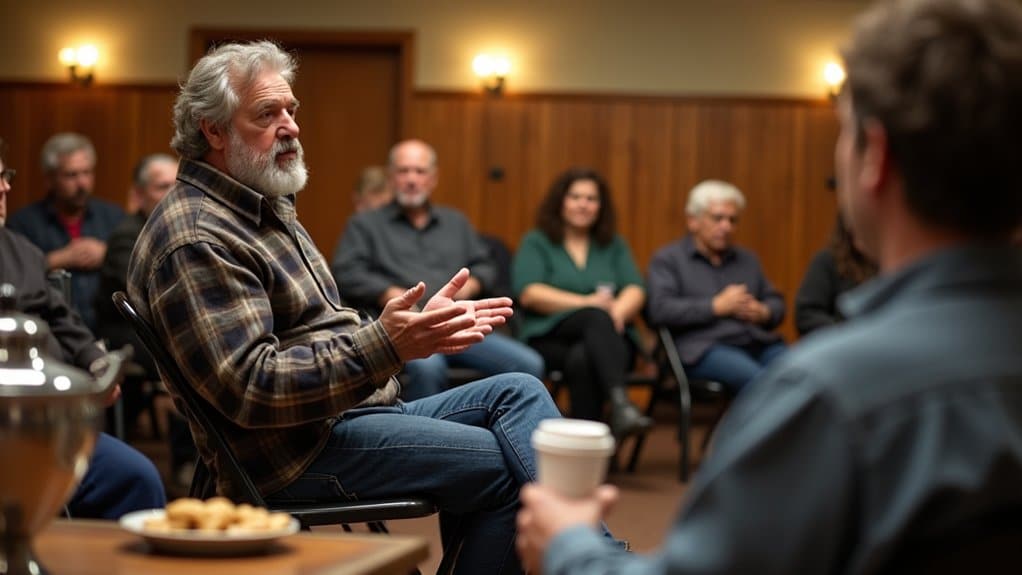
12-step AA meeting: learn what to expect, from opening readings to sharing and closing. You never have to speak, so your first visit feels easier.

Step work in AA means applying the Twelve Steps to your life through reading, honest writing, and sponsor guidance. See how each part works.

12 Steps vs. 12 Traditions: the Steps guide your personal recovery, while the Traditions keep your A.A. group unified. Learn how they work together.

How long do the 12 Steps take? A first pass can take a few months to a year or more. See what shapes your timeline and how to stay steady.
12-Step Program history: how Bill Wilson and Dr. Bob Smith founded A.A. in Akron in 1935 and turned six Oxford Group principles into the Twelve Steps.

Addiction treatment centers: learn how to assess your needs, match the right level of care, and verify licensing and insurance before you enroll.

Addiction treatment centers vary by setting and intensity. Compare detox, residential, outpatient, and specialized options to find the right fit for you.

Addiction treatment programs use evidence-based therapy and medication to build lasting recovery. Learn what makes treatment effective.

Drug rehab is effective for long-term recovery, especially when treatment is paired with aftercare and continuing support.

Drug rehab process: understand the five stages from assessment and detox through treatment and continuing care to plan your recovery.

Evidence-based addiction treatment: learn how to identify proven therapies, FDA-approved medications, and accredited programs that fit your diagnosis.

Addiction treatment centers near you: use free federal tools, verify licenses and accreditation, and confirm care before you call.

Help arrange rehab for a loved one: research programs, verify insurance, coordinate transport, and understand consent rules before treatment begins.

Force someone into rehab: learn your state’s civil commitment laws, court criteria, and next steps to legally get a loved one treatment.

Involuntary rehab: learn the legal criteria, who can file, and what evidence you need to petition for court-ordered treatment.

Convince someone with an addiction to get help using empathy, timing, and open questions that build readiness to change.

Rehab admission process explained step by step, from the first call to clinical pre-screening, so you can get a loved one placed quickly.

Force someone into rehab in California: learn when involuntary treatment is legal under 5150 holds, SB 43, and grave disability rules.

Addiction treatment options explained: compare voluntary and involuntary care to understand consent, entry, and discharge rules for your situation.

Avoidant personality disorder treatment: how psychotherapy reduces avoidance, builds self-esteem, and lowers rejection sensitivity.

AvPD prognosis is hopeful: about half of adults no longer meet criteria within two years. Learn how therapy drives lasting recovery.

CBT for avoidant personality disorder targets shame and rejection sensitivity to reduce avoidance and improve social functioning.

Avoidant personality disorder medication: how off-label SSRIs and SNRIs ease anxiety and depression to support effective psychotherapy.

Avoidant personality disorder in relationships: learn why you pull away and how to build closeness despite fear of rejection.

Avoidant personality disorder coping: build routines, set small goals, use exposure, and pair self-help with therapy to improve daily life.

Avoidant personality disorder vs social anxiety: learn the key differences in symptoms, scope, and treatment to understand which fits.

Burnout recovery starts with cutting demands, restoring rest, and addressing stressors directly. Learn the steps that help you recover for good.

Burnout recovery timeline: learn how long mild, moderate, and severe cases take to heal and what speeds up your progress.

Work burnout recovery: reduce your workload’s scope, set after-hours boundaries, and use micro-recovery to feel better without quitting your job.

Severe burnout affects daily life when stress erodes basic functioning. Learn the warning signs and the right next steps to take.

Emotional burnout recovery: learn why rest alone fails and how to address the real source of stress with proven, practical steps.

Burnout recovery signs to watch for, so you can track real progress and know your energy, sleep, and focus are genuinely improving.

Burnout recovery plan: a two-track approach to ease symptoms and fix the conditions causing them, so you break the cycle for good.
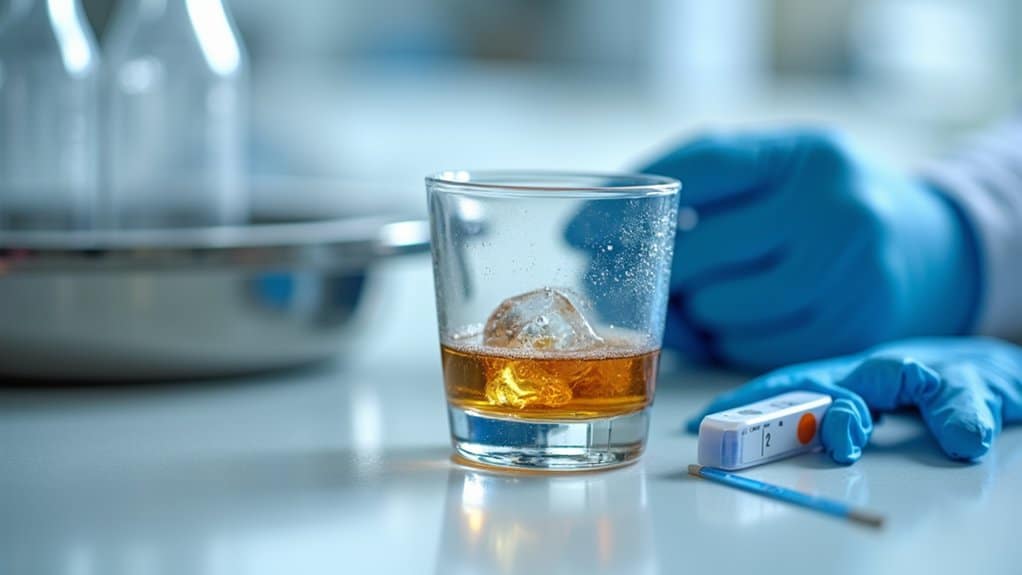
Alcohol on drug tests: standard 5- and 10-panel screens skip alcohol. Learn which add-on tests detect it and their detection windows.
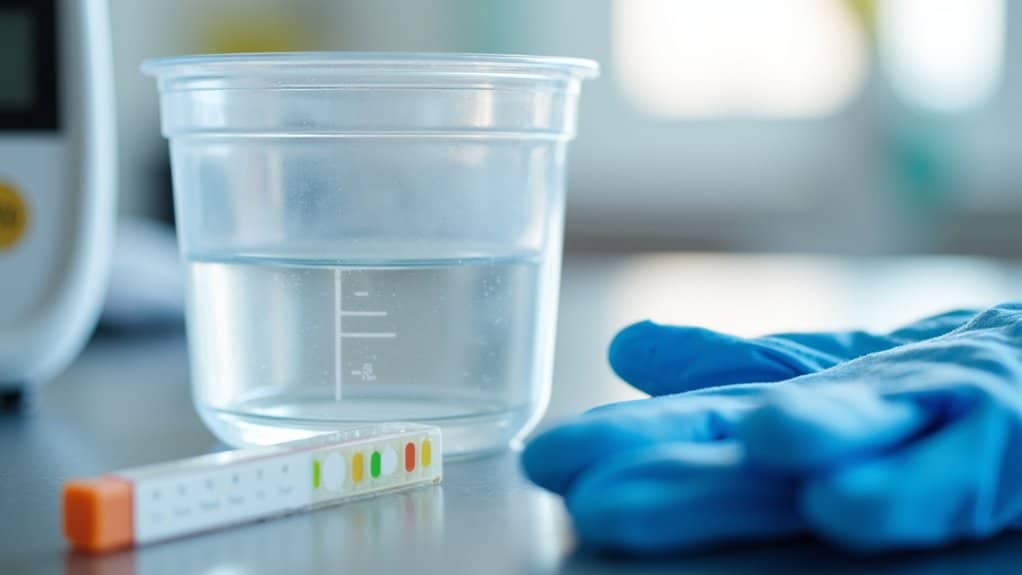
5-panel drug tests screen for THC, cocaine, opiates, amphetamines, and PCP. Learn what’s included and how to add alcohol screening.