







The 12 Steps work by guiding you from admitting alcohol’s hold on your life toward honest reflection, careful repair, and daily practice. You’ll start by acknowledging lost control and opening up to help beyond willpower. Next, you’ll examine your conduct, share it with someone you trust, and make amends where it’s safe. A sponsor often walks beside you. You move at your own pace, and below, you’ll see how each stage builds toward lasting recovery.
Key Takeaways
- The 12 Steps are a peer-support path, worked at an individual pace, that moves from admitting alcohol’s impact toward reflection, repair, and ongoing practice.
- Step 1 acknowledges powerlessness over alcohol, forming the foundation for later steps by dispelling the belief that willpower alone can fix addiction.
- Steps 4, 7 involve examining personal conduct, sharing it with a trusted person, and working to change harmful patterns of behavior.
- Steps 8 and 9 involve listing people harmed and making careful amends, which reduces the guilt and conflict that can fuel relapse.
- A sponsor guides step work and accountability, while Steps 10, 12 continue as daily habits of self-review, prompt admission, and supporting others.
How do the 12 steps work in addiction recovery
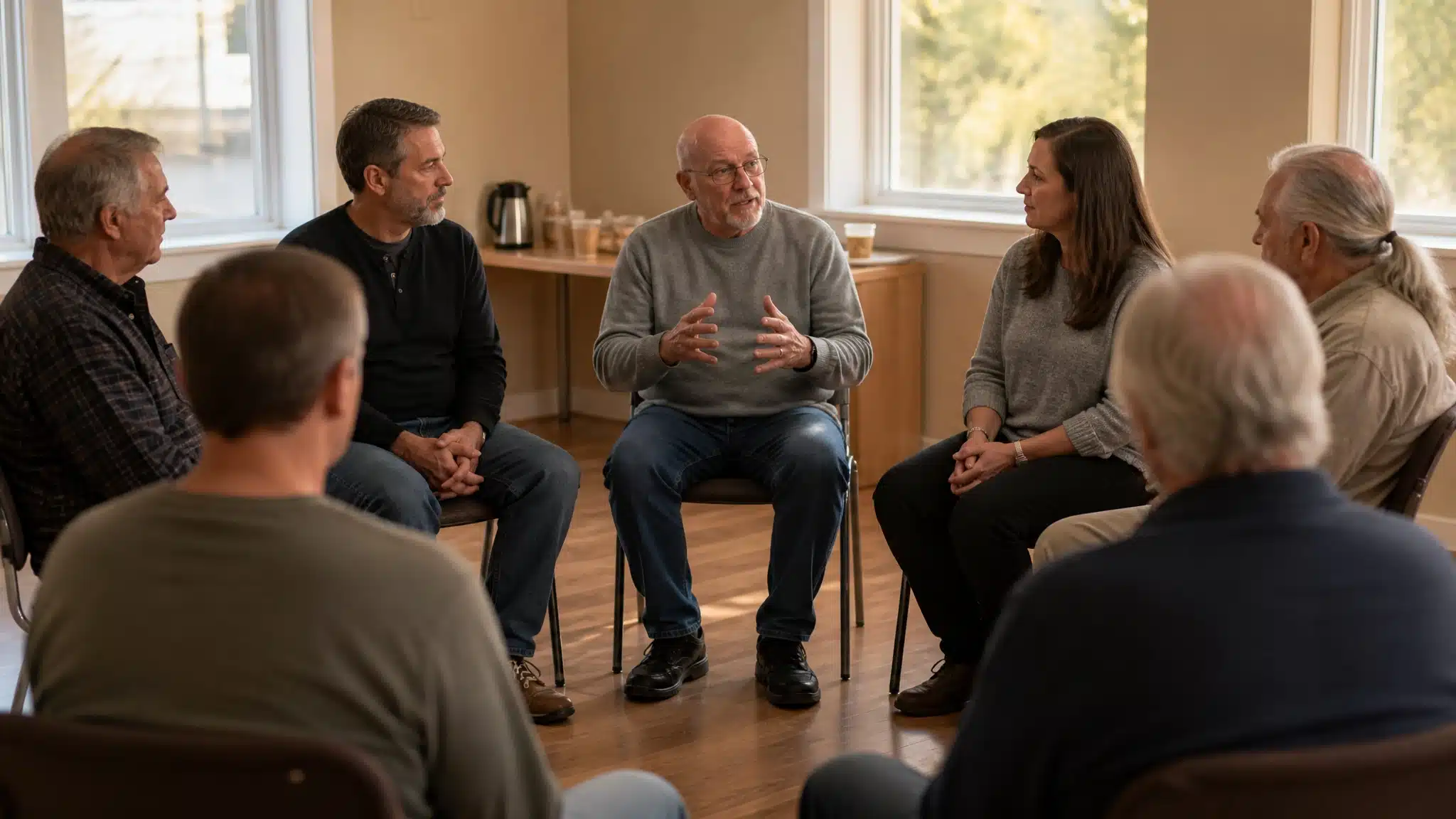
The 12 Steps work by moving you from admitting alcohol’s impact toward reflection, repair, and ongoing practice, at your own pace. They aren’t a clinical treatment, but they offer a structured path that many people in Alcoholics Anonymous and related peer-support groups use to rebuild their lives after addiction.
Early 12 step recovery steps ask you to acknowledge lost control and stay open to help beyond willpower. Middle steps guide you to examine your conduct, share it with someone you trust, and make amends when it’s safe. Later steps keep you reviewing yourself daily and supporting others.
Meetings, readings, and sponsorship reinforce the 12 step process, and it often works best alongside professional treatment when you need extra clinical support.
How do the 12 steps break into stages
The 12 Steps break into four broad stages: admission and readiness, reflection and accountability, repair, and ongoing practice. Each step builds on the one before it, and in 12 step recovery, you’ll move at your own pace, often with a sponsor’s guidance.
| Steps | What You’ll Focus On |
|---|---|
| 1, 3 | Admitting alcohol’s impact and becoming willing to accept help |
| 4, 7 | Honestly reviewing your conduct, sharing it, and changing harmful patterns |
| 8, 12 | Making careful amends, continuing self-review, and supporting others |
These aa recovery steps aren’t a checklist you finish once. They’re steps for alcohol recovery you’ll keep practicing daily. Use careful judgment when making amends, and skip direct contact if it could cause someone harm. Step work complements, but doesn’t replace, individualized clinical assessment and treatment.
Why does admitting powerlessness come first

Admitting powerlessness comes first because the remaining steps have nothing to build on until you acknowledge how alcohol has taken control of your life.
Step 1 asks you to name what’s happened: you’ve lost control over drinking, and it’s disrupted your relationships, work, health, or sense of self. That honesty isn’t about shame. It clears away the belief that willpower alone will fix things, which opens room for the hope and willingness that Steps 2 and 3 introduce.
You might start by listing moments when drinking went further than you intended or caused harm. A sponsor or counselor can help you review that list without judgment. You can move at your own pace. If you’re unsure how serious your drinking is, a clinical assessment can clarify what care fits.
How does making amends support lasting recovery
Making amends supports lasting recovery by turning the honesty you started in Step 1 into concrete repair, which eases the guilt and unresolved conflict that can fuel a return to drinking. In Step 8, you list the people you’ve harmed and become willing to make things right. In Step 9, you act on that list with judgment. Direct contact isn’t always appropriate. If reaching out could reopen trauma or cause harm, you might make amends through changed behavior instead. A sponsor or counselor can help you weigh each situation before you act.
Repair also isn’t a single event. Steps 10 and 11 keep you reviewing your conduct and promptly admitting new mistakes, so resentment doesn’t build. That practice strengthens relationships that support your sobriety.
Why is sponsorship central to working the steps

Sponsorship is central to working the steps because working them usually depends on another person, and a sponsor is that person. A sponsor is a peer who’s further along in recovery and can offer guidance and accountability as you move through each step. Choose someone you trust and can reach.
When you complete your Step 4 inventory, Step 5 asks you to share it with someone, and your sponsor often fills that role. They can also help you judge when direct amends might cause harm. Sponsorship works both ways: when you later sponsor someone, you’re practicing Step 12.
Keep in mind that a sponsor offers peer support, not clinical care, so you’ll still need professional help for medical or mental health concerns.
What makes the steps work for drugs as well as alcohol
The steps work for drugs as well as alcohol because they address the patterns behind addiction rather than one specific substance. Step 1 asks you to acknowledge lost control and the disruption it’s caused, whatever you’ve been using. Steps 4 through 7 help you examine the conduct, resentments, and habits that fueled your use. Amends, daily self-review, and supporting others work the same way regardless of substance. Related peer-support groups adapt the framework for drug use, so you can find meetings, sponsors, and readings that match your experience. Keep in mind that the strongest research, including the Cochrane review, focuses specifically on alcohol use. Pair step work with an individualized clinical assessment, and explore secular alternatives if they’d better suit your needs.
How do the steps carry into life after the program
After the program, the steps become daily habits you keep practicing for life. Steps 10 and 11 build ongoing routines into your everyday life: regular self-review, prompt acknowledgment of mistakes, and reflection or spiritual practice that keeps you grounded. Step 12 asks you to apply recovery principles everywhere and support others who are still struggling.
You’ll keep strengthening these habits through continued meeting attendance, sponsorship, and service. Many people find that helping newcomers reinforces their own commitment. You can also pair mutual support with professional care if new challenges arise, or explore secular groups if they suit you better.
Recovery isn’t a finish line. It’s a practice you return to, especially during stress or major life changes, when old patterns can resurface.
Strengthen Your Recovery With 12-Step Support
Understanding how the 12 Steps work is a starting point, but putting them into practice takes ongoing effort and support. Villa Wellness Center offers 12-step program education alongside structured addiction treatment to help you build healthier habits and maintain sobriety. Verify your insurance to explore coverage options, or call (844) 609-3035 to discuss your treatment options.
Frequently Asked Questions
Do I Need to Believe in God to Work the 12 Steps?
No, you don’t need to believe in God. Participants and groups interpret “higher power” language differently, so you can define it in a way that fits you, such as your group, your values, or the support around you. What matters is your willingness to seek help beyond willpower. If spiritual language feels like a barrier, you can explore secular mutual-support alternatives, and you can pair any group with professional treatment.
How Effective Is AA Compared With Other Alcohol Treatment Approaches?
AA holds up well. A Cochrane review of 27 studies found manualized AA and Twelve-Step Facilitation helped more people stay continuously abstinent: about 42% at one year versus 35% with other treatments. For drinking intensity and alcohol-related consequences, you’ll see similar results across approaches. AA may also cut healthcare costs. If it doesn’t fit you, you can pair it with professional care or try secular groups. Whatever keeps you moving forward.
What Is Twelve-Step Facilitation, and How Does It Differ From AA Meetings?
Twelve-Step Facilitation (TSF) is professional counseling that helps you get more involved in groups like AA. A counselor might review your meeting attendance, assign readings or journaling, and set weekly participation goals with you. AA meetings, by contrast, are voluntary peer support where you connect with others sharing their recovery experience. You don’t get clinical treatment there, but you’ll find sponsorship, community, and accountability that can complement your professional care.
Can 12-Step Programs Be Combined With Professional Treatment or Therapy?
Yes, you can combine them, and doing so can strengthen your recovery. Mutual-support groups like AA can complement professional care, but they don’t replace individualized clinical assessment or treatment. Your counselor might even use Twelve-Step Facilitation, setting participation goals and reviewing your reading or journaling. You’ll get peer connection from meetings and tailored clinical support from therapy. If spiritual language doesn’t fit you, secular alternatives are also available to you.
Are There Secular Alternatives for People Uncomfortable With 12-Step Programs?
Yes, secular alternatives are available if 12-Step programs don’t feel right for you. Your discomfort is understandable, especially since groups interpret “higher power” language differently. Mutual-support groups can complement professional care, so you don’t have to choose between peer connection and treatment. Ask your counselor or clinician to help you compare options and find a group that fits your values, comfort level, and recovery goals. Remember, you’ve got real choices.