







Severe burnout starts affecting your daily life when work-related stress undermines your basic functioning. You’ll notice small failures first: trouble starting your mornings, difficulty focusing on simple tasks, and procrastination on duties. Exhaustion, cynicism, and reduced effectiveness set in, and you may withdraw from relationships and activities you once enjoyed. Unlike ordinary stress, this doesn’t improve with rest. Understanding when these signs demand attention can help you take the right next steps.
Key Takeaways
- Severe burnout emerges when work stress undermines daily functioning, causing trouble starting mornings and difficulty focusing on simple tasks.
- Unlike ordinary stress that improves with rest, burnout brings chronic exhaustion, cynicism, and reduced effectiveness that persist despite recovery.
- Burnout disrupts work through poor concentration and rising mistakes, while home routines falter and relationships suffer from irritability and detachment.
- Symptoms overlap with depression, anxiety, and physical problems, including headaches, sleep disturbances, and lowered immunity, risking self-diagnosis errors.
- Seek professional evaluation when exhaustion persists despite rest, to rule out underlying conditions and guide appropriate next steps.
When Does Severe Burnout Start Affect Daily Life
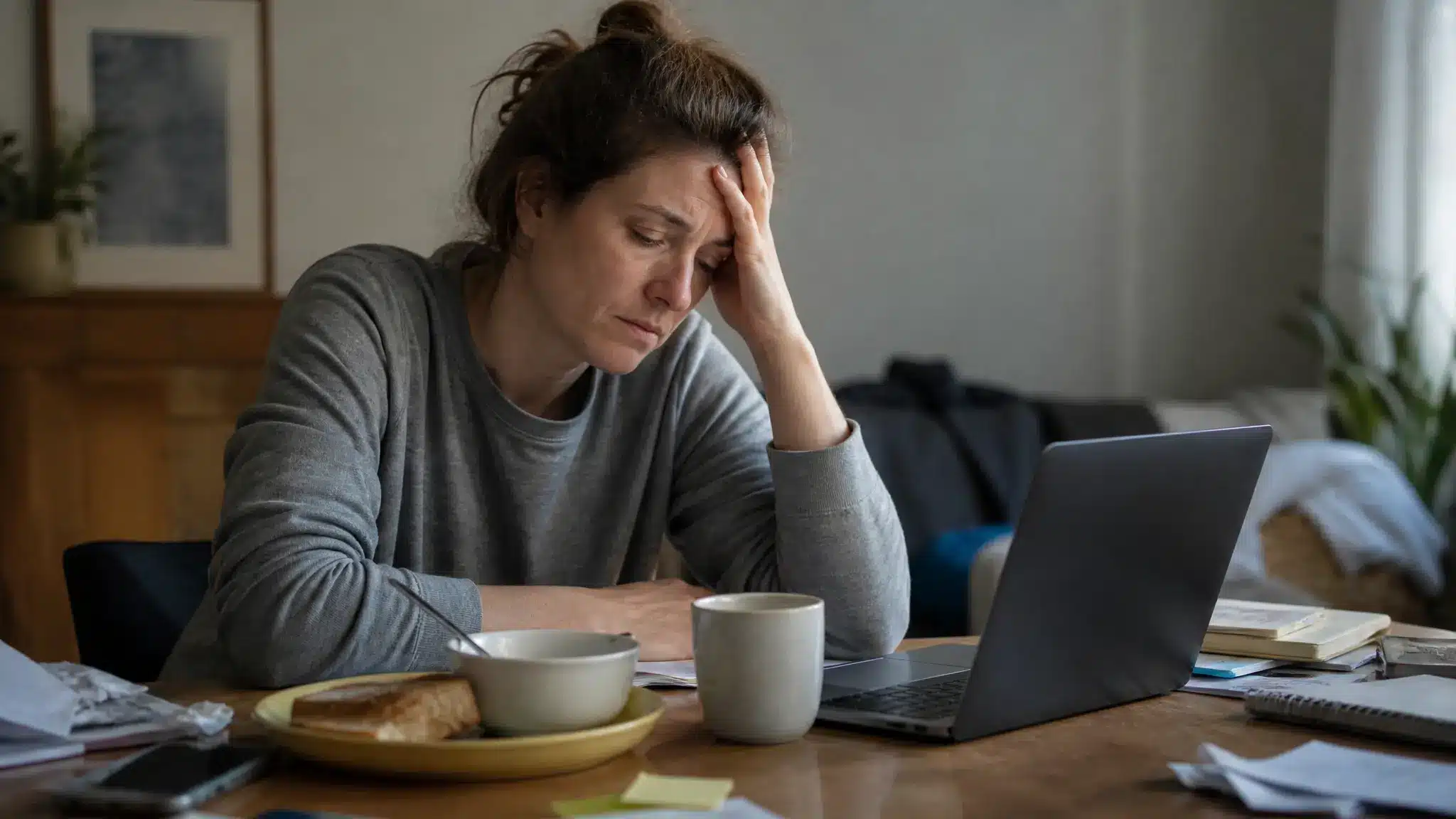
Severe burnout starts affecting your daily life when work-related stress stops staying at work and starts undermining your daily functioning. You’ll notice it in small failures: struggling to start your morning, losing focus on simple tasks, procrastinating on responsibilities you once handled easily.
Severe burnout symptoms go beyond feeling tired. You feel drained most of the time, detached from your work, and less effective despite your effort. Concentration slips, motivation fades, and you withdraw from relationships and activities you used to enjoy. Burnout healing is essential for reclaiming your sense of self and vitality. Finding effective strategies for recovery can lead to improved mental health and overall well-being.
Physical signs often follow, including disrupted sleep, headaches, appetite changes, or frequent illness. When exhaustion, cynicism, and reduced efficacy combine to impair your everyday life, you’re facing severe burnout. Recognizing signs of burnout recovery can be a vital step toward regaining a healthy balance. Improved sleep patterns, regained interest in activities, and a more optimistic outlook are positive indications.
How Is Severe Burnout Different From Ordinary Work Stress or Fatigue
Severe burnout differs from ordinary work stress or fatigue because it persists despite rest, unlike ordinary tiredness that fades after a good night’s sleep. Understanding severe burnout vs ordinary stress helps you recognize when you’ve crossed a critical line. Ordinary tiredness lifts with rest and recovery. Severe burnout brings persistent energy depletion, cynicism, and reduced professional efficacy that sleep alone can’t fix.
| Ordinary Stress or Fatigue | Severe Burnout |
|---|---|
| Improves after rest | Persists despite rest |
| Motivation returns | Motivation stays low |
| Occasional exhaustion | Chronic energy depletion |
| Work still feels manageable | Cynicism and detachment grow |
| Efficacy stays intact | Reduced professional efficacy |
If you notice these deeper patterns, you’re likely dealing with more than a hard week. Recognizing the difference early lets you address stressors before your daily functioning suffers further.
Which Areas of Daily Function Can Deteriorate as Burnout Becomes More Severe

As burnout intensifies, your daily functioning erodes across several areas at once. At work, cognitive weariness makes concentration harder, so simple tasks take longer and mistakes increase. Motivation drops, and you may procrastinate or withdraw from responsibilities you once handled easily. At home, the same exhaustion interferes with routines, getting started in the morning, keeping up with chores, or engaging in caregiving roles. Relationships suffer too, as irritability, cynicism, and detachment reduce your patience and connection. Physical burnout symptoms, including sleep disturbances, headaches, and persistent fatigue, compound these difficulties. Recognizing this reach early helps you address the problem before deterioration spreads further.
How Can Burnout Symptoms Overlap With Depression, Anxiety, or Physical Health Problems
Burnout symptoms overlap with depression, anxiety, and physical health problems because these conditions share features like fatigue, irritability, difficulty concentrating, and sleep disturbances. You might notice that your exhaustion, cynicism, and low motivation resemble depression and anxiety. That’s why it’s easy to misread what you’re experiencing.
Burnout can also surface as physical health symptoms, including headaches, muscle pain, stomach problems, and lowered immunity that leaves you catching every illness. Because these signals overlap so much, you shouldn’t self-diagnose. If your symptoms persist or worsen, talk with a clinician who can distinguish burnout from depression, anxiety, or an underlying medical condition.
When Does Severe Burnout Need Medical or Mental Health Evaluation

Severe burnout needs medical or mental health evaluation when your exhaustion persists despite rest, or when cognitive weariness makes it hard to concentrate, complete tasks, or think clearly. Watch for warning signs that go beyond ordinary stress: ongoing sleep disturbances, appetite changes, unexplained physical symptoms, or feelings of hopelessness and detachment that don’t lift. Healing from emotional burnout often requires a multi-faceted approach that includes self-care, therapy, and lifestyle changes. It’s important to prioritize activities that bring joy and relaxation, such as spending time in nature or engaging in hobbies.
Chronic burnout can lower your immunity, worsen physical health, and overlap with depression or anxiety, so a professional assessment helps rule out underlying conditions. Don’t wait until you can’t function. If symptoms interfere with work, relationships, or daily responsibilities for weeks, reach out to a doctor or mental health provider promptly.
How Can Family or Workplace Support Help When Function Is Declining
Family or workplace support helps when function is declining by taking over responsibilities you can’t manage, protecting your rest, and encouraging early intervention when symptoms worsen. At home, simply acknowledging what you’re going through reduces the isolation that often deepens exhaustion and cynicism.
At work, honest conversations with your manager can open the door to workplace accommodations, like reduced workload, adjusted deadlines, flexible scheduling, or clearer expectations. These changes address the drivers of burnout directly, giving you room to recover.
You don’t have to manage this alone. When support arrives early, you’re far more likely to restore your energy, focus, and effectiveness before things decline further.
Which Professional Support Option Fits Declining Daily Function
Match the professional support option to your level of functional impairment. If exhaustion, cynicism, and reduced efficacy disrupt work and home routines, a primary care visit helps rule out physical causes and confirm a working burnout diagnosis. When concentration, motivation, or mood decline persistently, a therapist or psychologist offers structured, evidence-based professional support like cognitive behavioral strategies. For severe emotional exhaustion or co-occurring depression, a psychiatrist can assess whether medication’s appropriate. Occupational health services address workplace drivers directly, adjusting workload and expectations. You don’t have to choose perfectly. Begin with whoever’s most accessible, describe your daily struggles honestly, and let that clinician guide your next referral.
When Burnout Begins Disrupting Daily Life
Severe burnout can affect concentration, sleep, relationships, and your ability to manage everyday responsibilities. Villa Wellness Center offers personalized support through individual therapy for adults experiencing persistent stress and related mental health concerns. If symptoms are interfering with daily functioning, verify your insurance coverage or call (844) 609-3035 to discuss available care options with the admissions team.
Frequently Asked Questions
How Long Does Recovery From Severe Burnout Typically Take?
Recovery from severe burnout usually takes several months to a year or more, depending on how long you’ve been under chronic stress and how early you address it. There’s no fixed timeline, your progress depends on reducing workplace stressors, restoring rest, and healing persistent symptoms like exhaustion and cynicism. If you tackle it early, you’ll likely recover faster. Be patient with yourself; genuine recovery isn’t quick, but it’s absolutely achievable with sustained support.
Can Severe Burnout Return After You Have Recovered?
Yes, severe burnout can return, especially if the workplace drivers that caused it remain unchanged. When you go back to chronic overload, poor control, unclear expectations, or inadequate support without recovery time, you’re at real risk of relapse. You might notice early warning signs returning, exhaustion, cynicism, or trouble concentrating. Addressing these stressors early and protecting your rest helps you catch a recurrence before daily life starts to suffer again.
Are Certain Professions or Personalities More Prone to Burnout?
Yes, certain situations raise your risk. If you’re facing chronic unmanageable workloads, little control over scheduling, unclear expectations, or poor workplace support, you’re more vulnerable, regardless of your field. Roles with constant time pressure and unreasonable deadlines hit hardest. Personality-wise, if you’re highly committed and keep pushing without recovery time, you’re especially exposed. It’s not weakness; it’s what happens when persistent demands outpace your rest and resources over time.
Can Lifestyle Changes Like Diet or Exercise Prevent Burnout?
Lifestyle changes can help, but they won’t fully prevent burnout on their own. Since burnout stems from chronic workplace stress, diet and exercise can’t fix an unmanageable workload or lack of support. Still, you’ll build resilience by prioritizing sleep, nourishing meals, and regular movement, which help restore energy and buffer stress. Think of these as protective tools, not cures. To truly prevent burnout, you’ll also need to address the workplace drivers themselves.
Should I Take Time off Work to Recover From Burnout?
Time off can help, especially if you’re experiencing severe exhaustion, cynicism, and reduced functioning. But rest alone won’t fix burnout if the underlying workplace stressors remain. Use the break to recover your energy, restore sleep, and address persistent symptoms early. Then plan how you’ll tackle the root causes, workload, control, unclear expectations, or lack of support. If your symptoms feel overwhelming, please reach out to a healthcare professional for guidance.