







Kratom’s effects depend more on dose than strain color, low doses (1, 5g) activate adrenergic pathways for energy, while higher doses (5, 8g+) shift toward mu-opioid receptor agonism, producing analgesia and sedation. Red vein varieties contain increased 7-hydroxymitragynine ratios, making them most cited for pain and sleep, while white vein strains favor mitragynine-dominant stimulation. However, alkaloid profiles vary more between batches than between labeled strains. Understanding these pharmacological nuances can help you navigate the real differences below.
Red, Green, and White Kratom Strains Explained

Critically, alkaloid profiles aren’t standardized. Batch variability across vendors means labeled strain effects aren’t pharmacologically guaranteed. Red kratom, derived from the Mitragyna speciosa tree, contains active compounds like mitragynine and 7-hydroxymitragynine that interact with brain receptors, and the FDA warns that regular use carries risks including rapid physical dependence.
Why Kratom Dose Matters More Than Strain Color
When you consume kratom at 1 to 5 grams, mitragynine’s adrenergic activity dominates, producing stimulant-like alertness and focus, but at 5 to 15 grams, mu-opioid receptor activation overtakes that profile, shifting your experience toward analgesia and sedation regardless of vein color. This dose-dependent pharmacological shift means you’re adjusting the drug’s receptor binding profile with every gram, not selecting a fundamentally different chemistry by choosing “Red Bali” over “White Maeng Da.” Strain labels can mislead you into attributing to genetics what’s actually driven by how much alkaloid you’re introducing to your opioid and adrenergic systems. Since all strains come from the same plant species, individual factors like dosage, tolerance, and personal sensitivity ultimately determine your experience far more than the vein color printed on the package.
Low Versus High Doses
| Dose Range | Predominant Effects |
|---|---|
| 1, 5 g | Energy, focus, alertness |
| 5, 8 g | Moderate pain relief, relaxation |
| 8, 15 g | Sedation, strong analgesia, opioid-like activity |
Higher doses also accelerate tolerance development, increase nausea risk, and impair cognitive alertness, consequences you shouldn’t overlook. Research led by a multi-institutional team including Arizona State University and the National Institute on Drug Abuse has specifically examined bedtime use of Kratom to determine whether it functions as a sleep aid or disruptor, underscoring how dose-dependent effects extend beyond daytime use.
Strain Labels Often Mislead
Third-party lab reports, batch-specific alkaloid data, and vendor transparency provide more actionable information than color classification alone when evaluating any kratom product.
Best Kratom Strains for Pain Relief
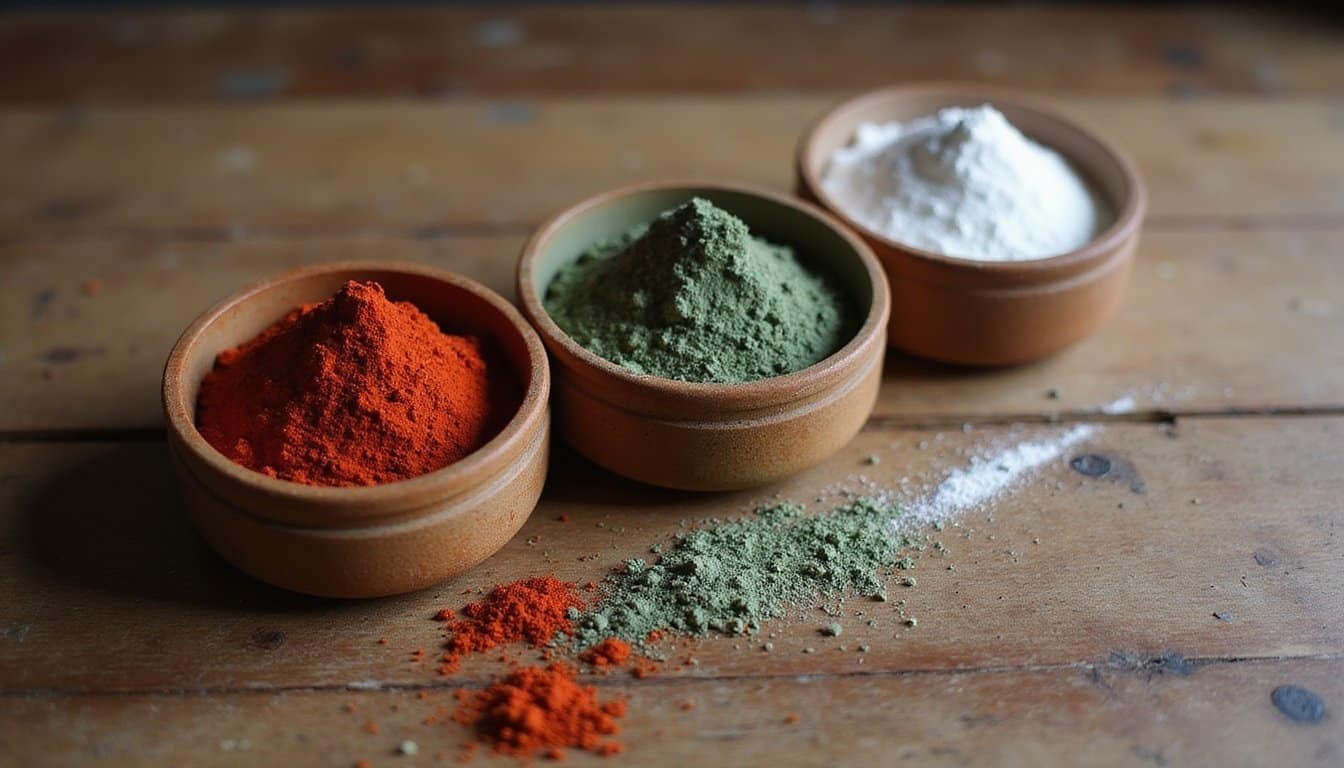
If you’re using kratom for pain, red-vein strains, particularly Red Maeng Da, Red Bali, and Red Borneo, are the most commonly cited options, largely because their alkaloid profiles tend toward higher relative concentrations of 7-hydroxymitragynine, the more potent mu-opioid receptor agonist. However, strain selection matters less than you’d think; your dose is the primary variable driving analgesic intensity, with moderate-to-higher ranges (roughly 4, 8 grams) producing the strongest opioid-receptor-mediated pain relief. At those doses, you’re also entering the range where tolerance, dependence risk, and side effects like nausea and sedation increase considerably, so precision in dosing isn’t optional, it’s the most important decision you’ll make.
Red Strains for Pain
Red vein kratom dominates the pain-relief category for a pharmacologically coherent reason: these strains are widely reported to contain higher relative concentrations of 7-hydroxymitragynine, the alkaloid most directly responsible for mu-opioid receptor agonism and downstream analgesic activity. Increased paynantheine levels further tilt the alkaloid profile toward myorelaxation and sedation rather than stimulation.
When evaluating the best kratom strain for pain, Red Maeng Da consistently ranks highest across user surveys for intensity and duration. Red Bali skews toward evening discomfort and sleep interference, while Red Borneo offers a smoother daytime profile. Among kratom strains for pain relief, these three represent the most frequently cited options. The connection between red strains and pain relief is pharmacologically plausible, though batch-to-batch alkaloid variability means individual responses won’t be uniform.
Dose Matters Most
Strain selection sets the alkaloid baseline, but dose determines whether those alkaloids produce stimulation or analgesia. Understanding dose response basics is essential: below approximately 5 grams, mitragynine’s adrenergic activity dominates, producing effects more relevant to kratom strains for energy than pain management. Above 5 grams, mu-opioid receptor activation increases, shifting the pharmacological profile toward analgesia and sedation.
This means the best kratom for pain isn’t defined by strain label alone. A red vein at 2 grams may stimulate rather than relieve. Conversely, higher doses accelerate dependence risk, nausea, and adverse effects. You’ll find more reliable pain relief by calibrating dose conservatively and individually than by chasing specific strain names across vendors with inconsistent alkaloid profiles. Red kratom benefits and effects can vary greatly from person to person. Many users report a feeling of relaxation alongside improved mood, which can contribute to their overall sense of well-being.
Best Kratom Strains for Energy and Focus
| Strain Category | Energy/Focus Rating |
|---|---|
| White Vein (Maeng Da, Thai, Borneo) | Highest for concentration, wakefulness |
| Green Vein (Malay, Maeng Da) | Moderate; smoother, longer-lasting stimulation |
Among the best kratom strains for energy, White Maeng Da and Green Malay appear most frequently in both consumer guides and survey endorsements. The most energizing kratom profiles correlate with higher mitragynine-to-7-hydroxymitragynine ratios at doses around 1, 2 grams, where adrenergic activity predominates over opioid receptor sedation.
Best Kratom Strains for Sleep and Relaxation
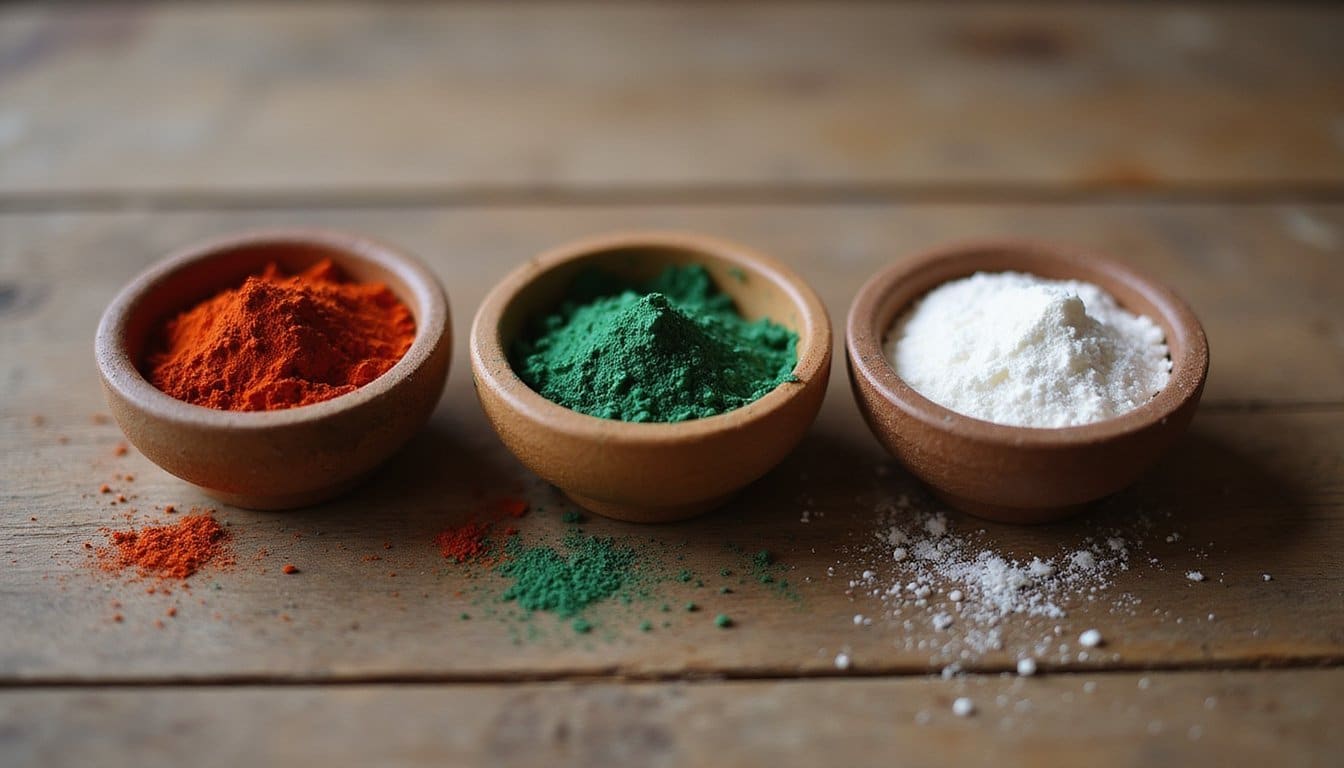
How effectively a kratom strain promotes sleep depends less on its name than on its alkaloid concentration and the dose you consume. At higher doses (5+ grams), mitragynine’s mu-opioid receptor activation shifts from stimulation to sedation, which is the pharmacological basis for kratom’s sleep-promoting effects.
Red vein varieties, Red Bali, Red Borneo, and Red Maeng Da, are the most frequently cited as the best kratom for sleep due to their reported analgesic and anxiolytic profiles. Because pain disrupts sleep architecture, the best strain of kratom for pain often doubles as the most effective for nighttime use. Red Bali consistently ranks highest for best kratom for relaxation, with users reporting sustained calm lasting several hours.
However, this dose range accelerates dependence development and withdrawal onset most rapidly.
What the Evidence Actually Says About Kratom Strains
Despite their widespread use in marketing and consumer forums, kratom “strain” labels, red, green, white, and region-specific names like Bali or Borneo, don’t represent standardized botanical varieties with verified, distinct alkaloid profiles. When you’re evaluating kratom for pain, the best kratom for energy, or kratom sleep risk, dose matters more than label.
- Alkaloid concentrations vary considerably between batches carrying identical strain names, undermining reproducibility of effects.
- No clinical trials demonstrate one strain’s superiority over another for analgesia, stimulation, or sedation.
- Dose, not vein color, primarily determines whether mitragynine produces adrenergic stimulation or mu-opioid sedation.
- User-reported effects drive strain categorization, not phytochemical standardization or controlled comparison data.
- Region-specific names reflect supply chain marketing rather than verified geographic alkaloid variation.
Kratom Side Effects and Safety Risks to Know
Whether you’re evaluating kratom for pain, energy, or sleep, the pharmacological effects that make it appealing carry dose-dependent risks that don’t respect strain labels. Common short-term side effects include nausea, vomiting, constipation, dizziness, and sedation. Higher doses increase the probability of respiratory depression, seizures, tachycardia, and hepatotoxicity.
Kratom’s analgesic mechanism, mu-opioid receptor agonism via mitragynine and 7-hydroxymitragynine, directly underlies its dependence liability. Kratom dependence from daily use produces withdrawal symptoms consistent with opioid discontinuation. Chronic exposure correlates with anorexia, weight loss, and documented cases of psychosis, delusions, and confusion. Addiction risks associated with kratom are significant and warrant careful consideration.
Product contamination compounds these risks. Unregulated kratom may contain heavy metals or bacterial pathogens. The FDA has issued explicit warnings against kratom use, and no kratom product holds FDA approval for any therapeutic indication. Red vein kratom effects on mood can vary significantly from person to person.
Take the First Step Beyond Kratom Dependence
Kratom use can creep into daily life and bring physical and mental risks that feel overwhelming to face alone. At Villa Wellness Center in Sicklerville, NJ, our experienced team delivers reliable Drug Addiction Treatment with care, compassion, and a personalized approach. Call +1 (844) 609-3035 today and begin a healthier chapter in your life.
Frequently Asked Questions
Can You Mix Different Kratom Strains Together for Combined Effects?
You can mix kratom strains, but don’t expect predictable, additive effects. There’s no clinical evidence that blending red, green, or white varieties produces reliable combined outcomes. What you’re actually modulating is total alkaloid exposure, primarily mitragynine and 7-hydroxymitragynine, not discrete pharmacological profiles. Mixing increases unpredictability in opioid receptor activation and raises your risk of dose miscalculation, nausea, and accelerated dependence. Total dose governs whether you’ll experience stimulation or sedation, not strain combinations.
How Long Do the Effects of Kratom Typically Last?
You’ll typically feel kratom’s effects within 10, 30 minutes, lasting approximately 2, 5 hours depending on dose, formulation, and your individual metabolism. Lower doses of mitragynine-dominant preparations tend to produce shorter stimulant-phase effects (2, 3 hours), while higher doses extending opioid-receptor activation can persist 4, 7 hours. Capsules delay onset compared to teas or raw leaf. Residual effects, mild sedation or relaxation, may linger beyond the primary pharmacological window, sometimes into the following day.
Does Kratom Show up on Standard Workplace Drug Tests?
Standard 5-, 10-, and 12-panel workplace drug tests don’t detect kratom. These panels target cannabinoids, cocaine, amphetamines, opiates, and PCP, they aren’t calibrated for mitragynine or 7-hydroxymitragynine. You’d only test positive if your employer specifically ordered an expanded panel targeting kratom’s alkaloids via LC-MS/MS confirmation. Unless someone explicitly adds kratom analytes to the requisition, routine workplace screening won’t flag your use.
Is Kratom Legal in All U.S. States Right Now?
No, kratom isn’t legal in all U.S. states. You can’t legally possess it in Alabama, Arkansas, Indiana, Rhode Island, Vermont, or Wisconsin, these states ban it outright. Even in states where it’s legal, you’ll encounter local bans in specific counties or cities, plus age restrictions in some jurisdictions. You should verify your state *and* local laws before purchasing, since statewide legality doesn’t guarantee local legality.
Can You Build a Tolerance to Kratom Over Time?
Yes, you can build a tolerance to kratom over time. Research shows that frequent use, especially daily or near-daily, is associated with needing higher doses of mitragynine and 7-hydroxymitragynine to achieve the same effects. A 2024 JAMA Network Open survey linked more frequent kratom consumption with tolerance, withdrawal, and craving. This applies whether you’re using it for pain relief, stimulation, or sleep, and it increases your dependence risk.