







Kratom’s vein colors, red, green, and white, reflect leaf maturity and drying methods, which directly shape each strain’s alkaloid balance of mitragynine and 7-hydroxymitragynine. You’ll find red vein leans toward sedation and pain relief, green offers a balanced mix of calm focus and mild energy, and white delivers stimulant-forward effects like wakefulness and concentration. Dose matters just as much as color, since low doses stimulate while high doses sedate across all strains. Understanding kratom strains, colors, and effects and exactly how each variable influences what you feel is covered below.
What Kratom Vein Colors Really Mean
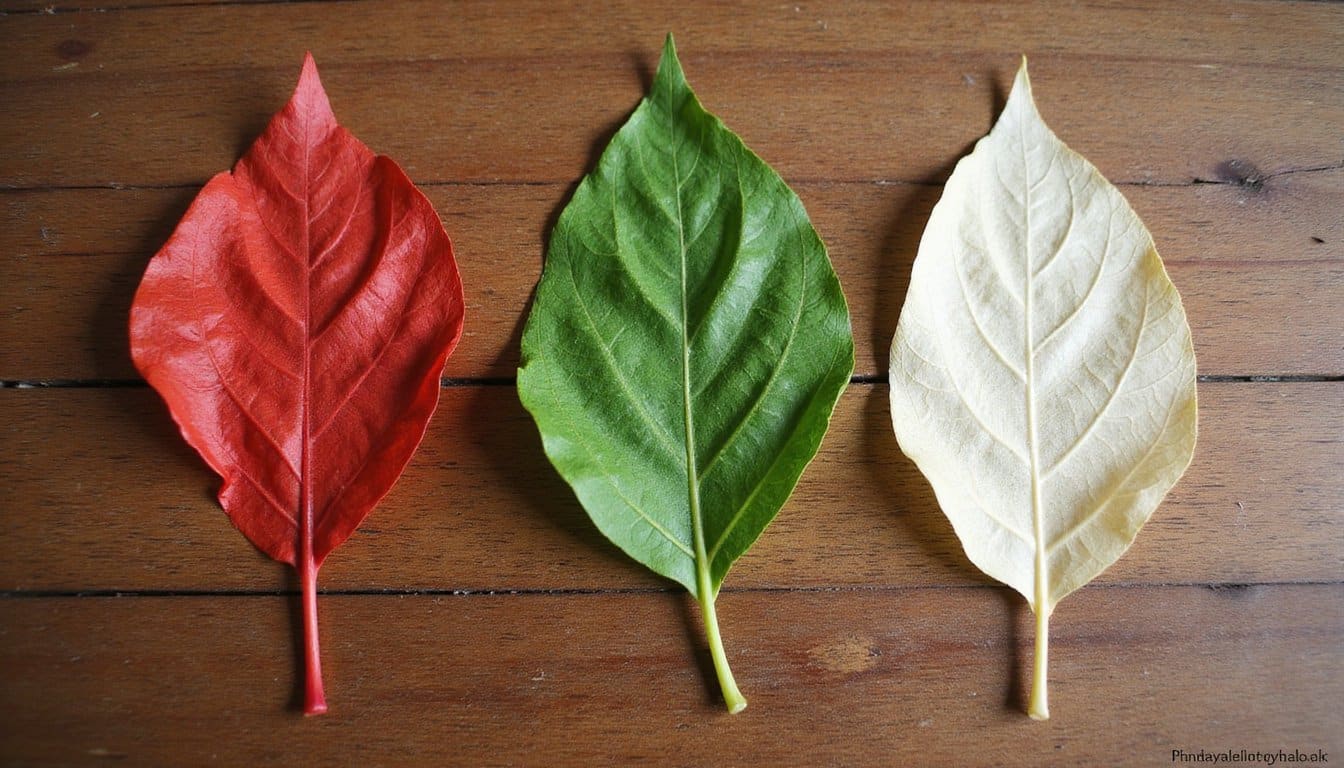
When you see kratom labeled as red, green, or white, you’re looking at a classification system rooted in two biological variables: leaf maturity at harvest and post-harvest processing method. The kratom colors meaning isn’t botanical species, it’s a shorthand for where a leaf sits on its growth timeline and how it was dried afterward. Red indicates mature leaves, often sun-dried or fermented. White reflects younger growth dried indoors. Green falls between both in maturity and processing. Understanding kratom strains and effects requires recognizing that these color categories signal likely alkaloid balances, not guaranteed ones. Drying conditions, fermentation duration, and regional growing variables all shift the final profile. Color is a starting point for prediction, not a fixed pharmacological guarantee. Environmental factors such as sunlight exposure and rainfall patterns also play a direct role in influencing the vein color of leaves still on the tree, adding another layer of variability before harvesting even begins.
How Dose Changes What Every Kratom Strain Does
The color of a kratom leaf tells you something about its likely alkaloid lean, but dose determines which end of that lean you actually feel. When kratom strains explained in surveys are cross-referenced with dosing data, a consistent pattern emerges: low doses trend stimulatory, high doses trend sedative, regardless of vein color. Long-term use at any dose level carries the risk of dependence, and withdrawal symptoms resemble mild opioid withdrawal, including anxiety, muscle aches, and insomnia.
Dose shapes the experience more than vein color, low amounts stimulate, high amounts sedate, every time.
- Low doses (1, 3g) favor alertness and focus, even with red strains
- Moderate doses shift toward mood lift and mild analgesia
- High doses (5, 15g) produce opioid-like sedation and stronger pain relief
- White strains lose their concentration edge at higher amounts
- Dose escalation increases nausea, dependence risk, and “the wobbles”
Understanding kratom types and effects requires treating dose as the primary variable, not color.
Red Vein Kratom: Relaxation, Pain Relief, and Sleep
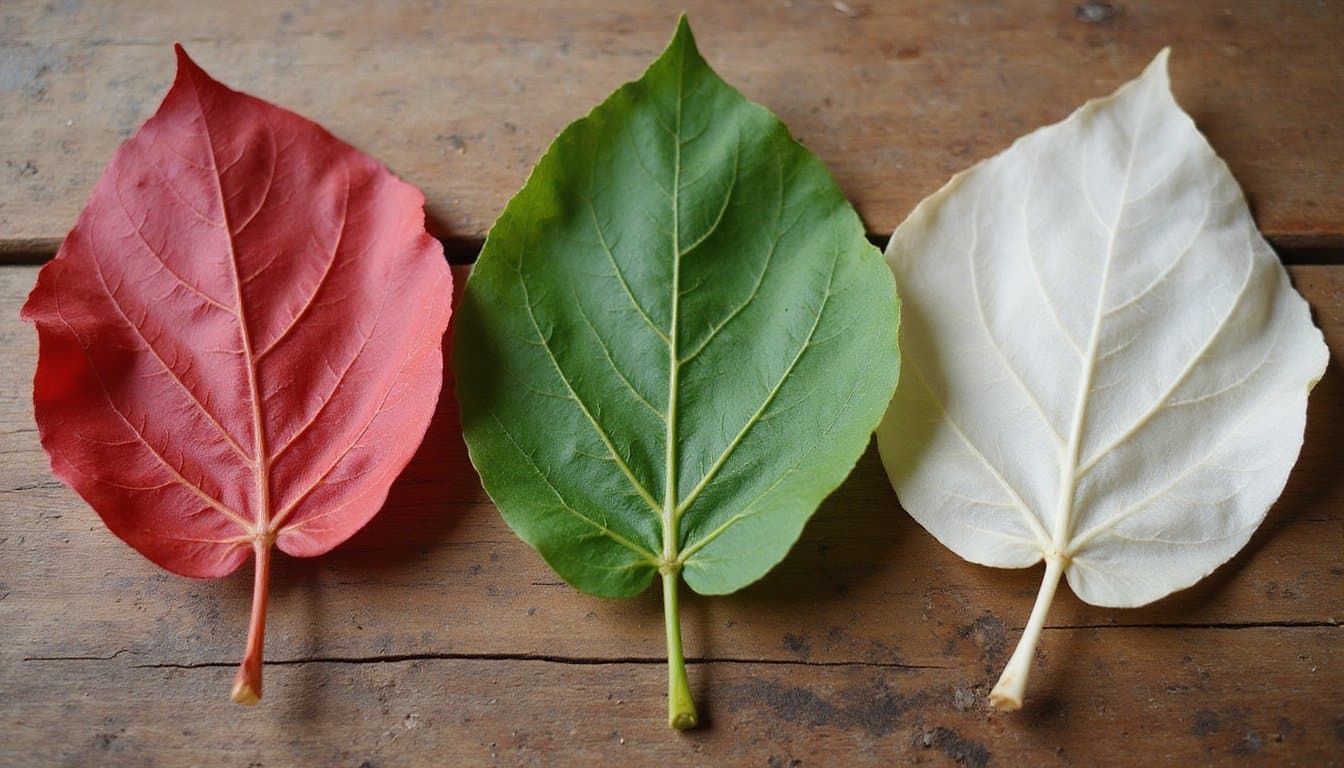
Among the three primary vein colors, red kratom carries the strongest association with sedation, pain relief, and sleep, a profile rooted in both traditional Southeast Asian use and the alkaloid chemistry of mature, post-harvest-processed leaves.
Red vein kratom’s analgesic reputation traces directly to mitragynine and 7-hydroxymitragynine, both of which bind opioid receptors. At higher servings, you’ll experience more pronounced sedation and pain relief; at lower doses, effects stay milder and calmer rather than sleep-inducing.
If you’re using red vein kratom for insomnia or chronic discomfort, understand the tradeoff: the same receptor activity driving relaxation also drives dependence. Tolerance builds, withdrawal mirrors opioid discontinuation, and product potency varies unpredictably across vendors. Clinical caution isn’t optional here, it’s the baseline. One study found that 32% of regular users showed signs of kratom-related dependence, underscoring how quickly routine use can escalate into a clinical problem.
Green Vein Kratom: Mild Energy, Calm Focus, and Balance
Because green vein kratom sits between the sedation-heavy red and the stimulant-forward white, it’s earned a reputation as the “all-rounder”, a label that reflects user experience patterns more than any verified pharmacological distinction. When kratom colors explained in marketing terms suggest predictable outcomes, green vein kratom consistently defies neat categorization due to significant alkaloid variability across products.
Green vein kratom’s “all-rounder” reputation reflects real user patterns, not verified pharmacology, and alkaloid variability keeps outcomes unpredictable.
Commonly reported effects include:
- Mild stimulation without the intensity of white vein varieties
- Calm focus and mental clarity during daytime use
- Mood elevation described as steady rather than euphoric
- Smoother energy curve with less abrupt onset or crash
- Dose-dependent flexibility, lower doses trend stimulant, higher doses shift toward relaxation
Green vein kratom’s moderate profile makes it a frequent starting recommendation, though individual response remains unpredictable.
White Vein Kratom: Energy, Focus, and Mood

White vein kratom carries the most stimulant-forward reputation of any color category, a distinction rooted in user-reported patterns rather than standardized alkaloid benchmarks. You’ll find it marketed for wakefulness, task initiation, and mood elevation, effects likely tied to its mitragynine-dominant alkaloid ratio and downstream dopaminergic signaling.
On any kratom effects chart, white vein sits at the activating end. Lower doses tend to sharpen focus and lift fatigue without the jitteriness associated with caffeine. Mood elevation and mild euphoria appear consistently in self-reports, though clinical validation remains sparse.
The trade-off is real: higher doses can flip stimulation into restlessness, insomnia, or irritability. Chronic use introduces dependence risk and withdrawal potential. Late-day dosing frequently disrupts sleep architecture, something you should weigh carefully if you’re using white vein kratom for daytime productivity.
The Two Alkaloids That Drive Kratom’s Effects
Regardless of the strain name on the label, the effects you experience from kratom are driven primarily by two alkaloids: mitragynine, a partial μ-opioid receptor agonist that dominates the leaf’s alkaloid content, and 7-hydroxymitragynine (7-OH), a minor constituent with considerably higher opioid receptor potency. The ratio and concentration of these two compounds largely determine whether a given dose produces stimulant-like alertness or opioid-like sedation and analgesia, a dose-dependent shift that matters more than any color designation. While vendors market vein colors as though they represent distinct pharmacological categories, third-party lab analyses show that alkaloid profiles vary widely even within the same strain name, meaning potency differences across products aren’t reliably predicted by whether you’re buying Red Bali or White Borneo.
Mitragynine and 7-Hydroxymitragynine
Two alkaloids, mitragynine and 7-hydroxymitragynine (7-OH), account for nearly all of kratom’s psychoactive effects, even though the plant produces more than 50 distinct alkaloids. Both bind to μ-opioid receptors, but they aren’t opioids by chemical structure. Their ratio in any given product shapes what you actually feel.
- Mitragynine is the dominant alkaloid in kratom leaf and acts as a partial μ-opioid agonist with antagonism at δ- and κ-receptors
- 7-hydroxymitragynine is 5 to 22 times more potent at the μ-receptor than mitragynine
- 7-OH occurs naturally in trace amounts but also forms in your liver as a metabolite of mitragynine
- Neither compound showed strong reward signals in preclinical self-stimulation models
- Concentrated 7-OH products carry risks comparable to conventional opioids, including respiratory depression
Dose-Dependent Effect Shifts
Because kratom’s alkaloid profile interacts with opioid receptors in a dose-dependent manner, the same batch of leaf powder can produce strikingly different effects depending on how much you take.
| Dose Range | Dominant Effect Profile |
|---|---|
| 1, 2 g | Mild stimulation, alertness |
| 2, 5 g | Enhanced focus, mood lift |
| 5, 8 g | Analgesia, sedation onset |
| 8, 15 g | Opioid-like sedation, mental clouding |
| 15 g+ | High adverse event risk |
This dose-dependent shift matters more than kratom color differences when predicting your experience. Low doses favor mitragynine’s stimulant-adjacent activity, while higher doses amplify 7-hydroxymitragynine’s potent opioid receptor engagement. Understanding this pharmacological gradient is more clinically useful than relying on kratom strains marketed as inherently “energizing” or “sedating.”
Potency Across Vein Colors
Every kratom product’s effect profile traces back to two alkaloids: mitragynine and 7-hydroxymitragynine. Mitragynine dominates the leaf’s alkaloid content and drives stimulant-like, mood-supportive effects. 7-hydroxymitragynine occurs in far lower concentrations but carries markedly stronger receptor activity, producing sedation and analgesia.
Understanding these two compounds is essential to any credible kratom strain guide, because kratom colors reflect shifting ratios between them:
- White vein products lean toward mitragynine dominance, producing stimulation and focus
- Red vein products carry relatively higher 7-hydroxymitragynine influence, driving calming and sedating effects
- Green vein products sit between both profiles in alkaloid balance
- Small shifts in 7-hydroxymitragynine content noticeably alter a product’s subjective feel
- Batch variability in mitragynine concentration explains why identical strain names produce inconsistent experiences
Which Kratom Strain Matches Your Goals?
Your goals should guide your strain selection, not the other way around. If you’re seeking relaxation or sleep support, red vein kratom aligns most closely with those outcomes due to its stronger sedative-leaning alkaloid expression; if you need energy and focus, white vein products are typically the most stimulating; and if you want a balanced middle ground for daytime use, green vein varieties offer moderate effects across both spectrums. Keep in mind, though, that these categories are marketing constructs, alkaloid profiles vary considerably between vendors and batches, so the strain name on your package doesn’t guarantee a predictable experience.
Red for Relaxation Goals
If your primary goal is relaxation, whether that means unwinding after a demanding day, easing physical tension, or preparing your body for sleep, red vein kratom is the strain category most consistently associated with those outcomes. Its alkaloid profile tends to favor sedation and analgesic effects over stimulation, making it a natural fit for relaxation goals.
Red vein kratom aligns most closely with these use cases:
- Sleep support: commonly selected for calmer evening routines
- Stress relief: frequently chosen for post-workday unwinding
- Discomfort management: often used when bodily tension interferes with rest
- Rest-day recovery: paired with low-activity periods rather than productive tasks
- Anxiety-sensitive settings: generally regarded as more soothing than green or white alternatives
Higher doses amplify sedation but also increase adverse effect risk.
White for Energy Needs
When your goal shifts from winding down to ramping up, whether that means powering through a demanding workday, sustaining focus during study sessions, or countering persistent daytime fatigue, white vein kratom is the strain category most consistently marketed toward those energy-driven outcomes.
At low doses, typically one to five grams, white vein products are reported to produce alertness, mental sharpness, and mild euphoria, with onset sometimes occurring within ten minutes. This stimulant profile aligns white kratom with energy goals more directly than green or red categories. However, exceeding moderate doses reverses this effect, shifting the experience toward sedation and impaired functioning.
You should also know that white strains carry specific risks: insomnia, restlessness, heightened heart rate, and anxiety. Regular use builds tolerance and can produce dependence regardless of the strain label.
Green for Balanced Effects
Most kratom users who land on green vein products aren’t chasing a single dominant effect, they’re looking for a middle lane between the sedation associated with red strains and the pronounced stimulation linked to white. On any kratom strains chart, green vein kratom occupies the center position, and user reports consistently describe it that way.
- Mild stimulation paired with moderate analgesic properties
- Mood enhancement and emotional steadiness without heavy sedation
- Smoother onset and gentler taper compared to white vein varieties
- Daytime functionality with less restlessness than high-stimulation options
- Moderate focus support suited to balanced daily use
These descriptions reflect anecdotal patterns, not clinically validated outcomes. Alkaloid profiles vary across vendors regardless of strain label, so your actual experience depends on product quality, dose, and individual sensitivity.
Side Effects and Safety Risks by Strain and Dose
Although kratom vendors market strains as though each color carries a distinct and predictable safety profile, the actual risk you face depends far more on dose, product potency, and what else you’re consuming than on whether the label says Red Bali or White Borneo. Across all kratom strains, side effects intensify with dose escalation. Red vein kratom effects are often described as calming and relaxing, making it a popular choice for those seeking relief from anxiety and stress.
| Dose Range | Associated Risks |
|---|---|
| Low (1, 3 g) | Nausea, dry mouth, tachycardia |
| Moderate (3, 5 g) | Drowsiness, constipation, agitation |
| High (5, 8 g) | Confusion, hallucinations, hepatotoxicity |
| Very high (8+ g) | Seizures, respiratory depression, coma |
Contamination compounds these risks. FDA-linked investigations have connected salmonella-tainted kratom to over 35 deaths, making product purity a non-negotiable safety variable you can’t assess from labeling alone.
Why Kratom Is Not FDA-Approved for Any Use
- Reported liver toxicity and seizures linked to kratom use
- Documented cases of substance use disorder following regular consumption
- Rare deaths confirmed through medical examiner toxicology reports
- Neonatal abstinence syndrome after prolonged prenatal exposure
- Inadequate safety data to qualify kratom as a lawful dietary supplement
You should understand that kratom’s alkaloid variability across products makes standardized dosing impossible under current conditions. The FDA considers kratom in food adulterated and in supplements unlawful, regardless of strain name or vendor claims.
Take the First Step Beyond Kratom Dependence
Kratom use can creep into daily life and bring physical and mental risks that feel overwhelming to face alone. At Villa Wellness Center, our experienced team delivers reliable Drug Addiction Treatment with care, compassion, and a personalized approach. Call +1 (844) 609-3035 today and begin a healthier chapter in your life. Verify your insurance today to see your coverage options and take the next step toward treatment.
Frequently Asked Questions
Can You Mix Different Kratom Vein Colors Together Safely?
You can mix different vein colors, but safety data remain limited and batch-to-batch alkaloid variability makes outcomes unpredictable. Start low, test each color individually first, and track your doses and effects carefully. Don’t combine kratom with alcohol, prescription medications, or other CNS-active substances, interaction risks increase considerably. Because mitragynine and 7-hydroxymitragynine concentrations vary across products regardless of strain labels, higher combined intake raises your risk of nausea, sedation, or agitation.
How Long Do the Effects of Kratom Typically Last?
Kratom’s effects typically last 2 to 6 hours, with peak intensity hitting around 2 to 4 hours after you dose. You’ll notice white vein varieties tend to produce shorter, more stimulating windows, while red vein products often extend toward the longer end with deeper sedation. However, don’t confuse felt effects with clearance, mitragynine carries an approximate 24-hour half-life, meaning the alkaloids remain pharmacologically active in your body well beyond perceived offset.
Does Kratom Show up on a Standard Drug Test?
Kratom won’t show up on a standard 5-, 10-, or 12-panel drug test. These panels don’t include mitragynine or 7-hydroxymitragynine in their cutoff tables. However, if an employer, court, or treatment program specifically orders a kratom-targeted assay, typically using LC-MS/MS confirmation, your use can be detected in urine for roughly one to seven days. You should also know one kratom metabolite can trigger false positives on certain methadone metabolite immunoassays.
Is Kratom Legal in All Fifty United States?
No, kratom isn’t legal in all fifty states. You’ll find statewide bans in Alabama, Arkansas, Indiana, Rhode Island, Vermont, and Wisconsin, with some sources also listing Louisiana. Even in states where it’s legal, local jurisdictions like San Diego, Denver, and Sarasota County have imposed their own bans. You should always verify both state and local laws before purchasing, possessing, or transporting kratom across state lines.
How Do You Taper off Kratom to Avoid Withdrawal Symptoms?
You taper off kratom by first stabilizing your daily intake, then reducing it by roughly 5, 10% every three to five days. Keep your product and dosing schedule consistent, since alkaloid content varies across vendors and batches. Slow your cuts as the dose drops lower. If withdrawal symptoms spike, hold steady rather than pushing through. For high-dose or long-term use, you should seek medical supervision to taper safely.