




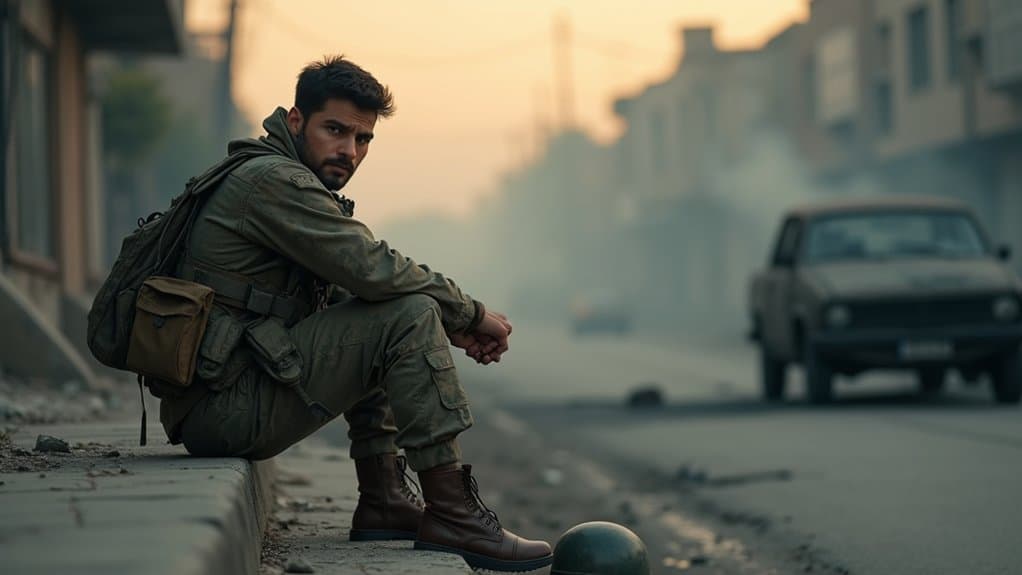


PTSD develops when a traumatic event you’ve lived through, witnessed, or learned about interacts with biological, psychological, and social factors. Trauma alone doesn’t explain it. About 69% of Americans face trauma, yet most never develop PTSD. Risk rises with severe events, injury, perceived threat to life, childhood abuse, prior depression or anxiety, and weak support afterward. Your brain’s alarm system can stay stuck on high alert. Understanding which factors you can change reshapes your recovery.
Key Takeaways
- PTSD is caused by exposure to a traumatic event combined with interacting biological, psychological, and social factors, not trauma alone.
- Severe events, physical injury, perceived threat to life, and intense fear during trauma all increase the risk of developing PTSD.
- PTSD is linked to an overactive amygdala, reduced prefrontal cortex activity, and stress-hormone changes that keep the body primed for danger.
- Childhood abuse, prior depression or anxiety, genetics, and family mental-health history increase vulnerability to PTSD after trauma.
- Limited social support, added stressors like job loss or bereavement, and repeated trauma exposure after an event raise PTSD risk.
What causes PTSD
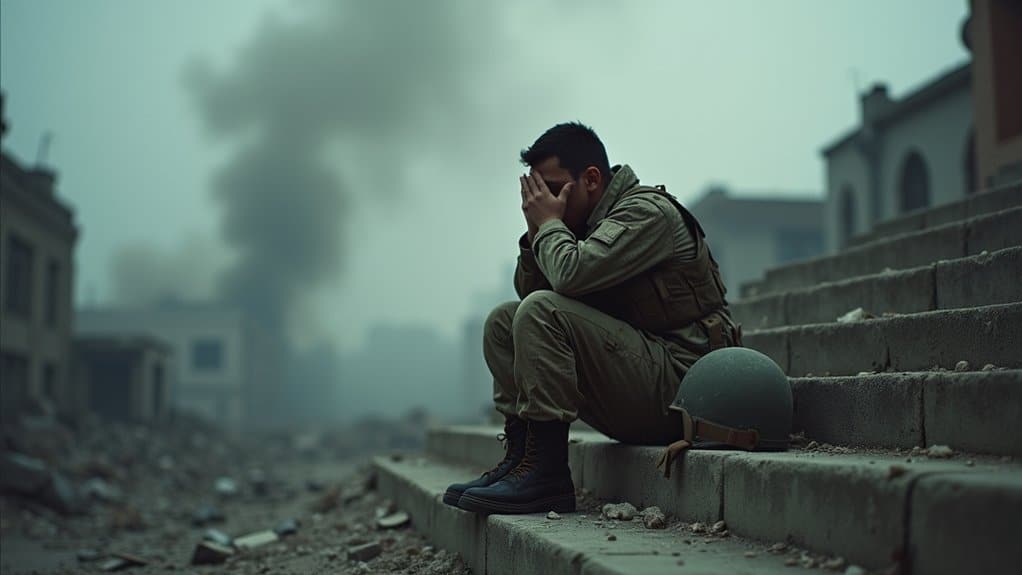
PTSD is caused by exposure to a traumatic event, combined with interacting biological, psychological, and social factors rather than a single cause, researchers say. Common traumatic events behind PTSD include combat, physical or sexual assault, abuse, serious accidents, disasters, and terrorist attacks. Trauma alone doesn’t fully explain who develops it. About 69% of Americans experience at least one traumatic event, yet most don’t develop PTSD.
Your risk rises with event severity, injury, perceived threat to life, and earlier trauma, especially childhood abuse. Genetics, prior depression or anxiety, and family mental-health history matter too. After the event, limited social support and added stressors like bereavement or job loss can tip the balance. Understanding the causes of PTSD helps you recognize your vulnerability.
Which events most often lead to PTSD
Sexual violence, combat, and accidents or disasters most often lead to PTSD, because these events threaten your life, injure your body, or violate you sexually. The severity of the event, your direct exposure to it, and the fear you felt all affect your risk.
| Event type | Examples | Why risk rises |
|---|---|---|
| Sexual violence | Assault, childhood sexual abuse | Violates bodily safety; common among women |
| Combat | Heavy fighting, witnessing death | Repeated, extreme threat to life |
| Accidents and disasters | Crashes, terrorist attacks | Injury, loss, and helplessness |
These events alone don’t guarantee PTSD. Most people exposed to trauma never develop it. Your risk also depends on earlier trauma, personal or family mental-health history, and the social support you receive afterward. If you’re struggling, your reaction is understandable and highly treatable.
How does trauma physically rewire the brain
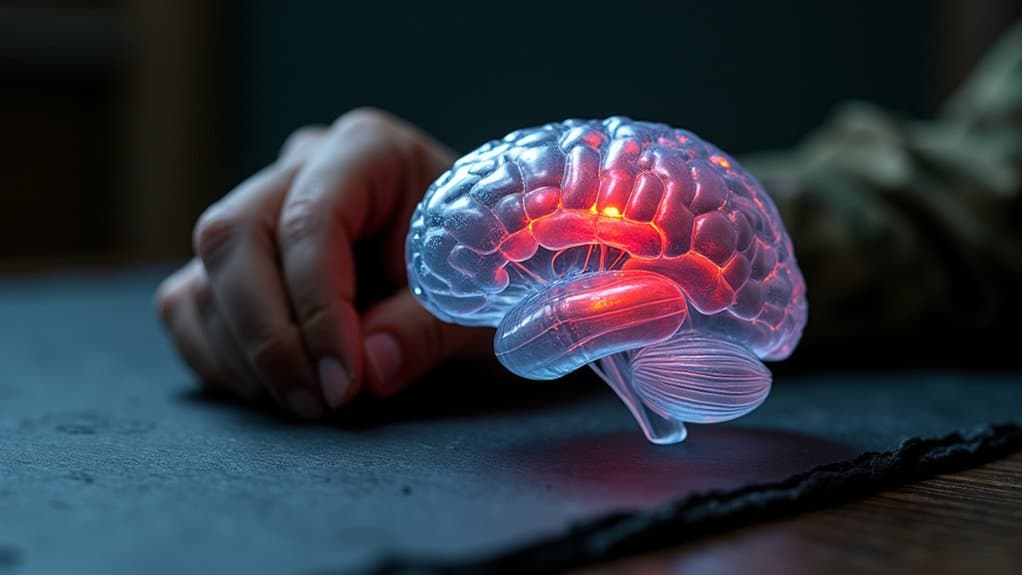
Trauma can physically change how your brain detects and responds to threat. Research links PTSD with an overactive amygdala, the region that flags danger, so you may react to reminders as if the threat were happening now. At the same time, your prefrontal cortex, which normally calms that alarm, may show reduced activity. Some studies also find a smaller or less active hippocampus, which helps you place memories in context and tell past from present. Your stress-hormone system can shift too, keeping your body primed for danger. These changes aren’t a sign of weakness, and they don’t happen to everyone. Genetics, earlier adversity, and post-trauma support all shape your risk, and effective treatment can often help your brain recalibrate.
Why do some people develop PTSD when others do not
Whether you develop PTSD after trauma depends on several interacting factors, not one cause. Most people who live through a traumatic event don’t develop the disorder. About 69% of U.S. adults experience trauma, yet only around 6% develop PTSD.
The event itself matters. You’re more vulnerable if you were injured, feared for your life, witnessed people being hurt or killed, or felt intense horror or helplessness.
Your history matters too. Childhood abuse, earlier trauma, chronic stress, and pre-existing depression or anxiety can raise your risk. So can genetic influences and a family history of mental illness or substance use.
What happens afterward also counts. If you lack social support or face added stressors like bereavement, pain, or losing your job or home, you’re more likely to develop PTSD.
What role does childhood trauma play

Childhood trauma increases vulnerability to PTSD when a later traumatic event occurs, making it one of the key historical factors that shape PTSD risk. That doesn’t mean PTSD is inevitable; most people exposed to trauma don’t develop it. Early adversity can raise risk in several ways:
- Cumulative exposure: Previous trauma, chronic stress, and repeated exposure each add to your vulnerability after a new event.
- Adverse environments: Family instability, parental mental-health problems, and childhood behavior problems are linked with later PTSD.
- Gendered patterns: Childhood sexual abuse, more commonly experienced by women, is an important trauma-related risk factor.
Recognizing your history isn’t about assigning blame. It helps you and your clinician understand your risk and seek support.
Can repeated or secondhand exposure cause PTSD
Yes, both repeated and secondhand exposure can cause PTSD. Repeated exposure to trauma, along with chronic stress, is associated with increased vulnerability to PTSD. If you’ve already lived through a traumatic event, your likelihood of developing PTSD after a later one can rise. In military populations, heavier combat exposure is associated with increased risk.
Secondhand exposure counts, too. You don’t have to be the one harmed. Witnessing people being hurt or killed can increase your risk, and learning that a close friend or relative experienced trauma can also be associated with PTSD.
Exposure doesn’t automatically cause the disorder. Most people exposed to trauma don’t develop it. Your risk reflects interacting factors, including event severity, your mental-health history, and the support you receive afterward. A clinician can assess persistent symptoms.
What does knowing the cause change about recovery
Understanding what contributed to your PTSD helps you and your clinician focus treatment on the factors still in play, even though the traumatic event itself can’t be changed. Risk factors fall into two groups: those fixed in the past and those you can still influence.
- Post-trauma support matters. Little or no social support predicts higher risk, so rebuilding connection becomes an active part of treatment.
- Ongoing stressors add up. Pain, bereavement, job loss, or housing instability can sustain symptoms, and addressing them can ease your recovery.
- Past history shapes the plan. Childhood trauma, earlier depression or anxiety, or family mental-health history doesn’t doom you, but it helps your clinician tailor care.
Understanding the cause also reduces self-blame: PTSD reflects interacting factors, not personal weakness or failure.
Start Addressing PTSD With Trauma-Focused Support
PTSD can develop from several factors, but understanding your triggers and getting professional support can help you move forward. Villa Wellness Center offers individual therapy to help you process traumatic experiences, manage distressing symptoms, and build healthier coping strategies. Verify your insurance to explore your coverage options, or call (844) 609-3035 to discuss treatment.
Frequently Asked Questions
How Common Is PTSD Among Adults in the United States?
About 6% of U.S. adults experience PTSD at some point in their lives, according to a national survey estimate. If you’re a woman, your risk is roughly double: one estimate found 8.0% for women versus 4.1% for men. If you’ve served, you’ll see higher rates, since about 9.4% of veterans develop lifetime PTSD. Still, you should know that most people exposed to trauma don’t develop the disorder.
Why Are Women About Twice as Likely as Men to Develop PTSD?
You’ll see this gap largely because women more often experience sexual assault and childhood sexual abuse, traumas strongly tied to PTSD. One U.S. estimate puts lifetime PTSD at 8.0% for women and 4.1% for men. Still, you shouldn’t view it as one cause: biology, earlier adversity, pre-existing anxiety or depression, and weak post-trauma support all interact. If you’re struggling after trauma, your reaction is valid, and support genuinely helps you.
What Percentage of U.S. Veterans Experience PTSD During Their Lifetime?
About 9.4% of U.S. veterans have lifetime PTSD, according to a recent study. If you’ve served, you’ll notice that’s higher than the roughly 6% estimate for U.S. adults overall. Direct traumatic exposures, like heavy combat or witnessing death or injury, raise your odds. Still, exposure alone doesn’t determine your outcome. When you lack post-deployment support, your risk climbs, so reaching out for connection can genuinely help protect you over time.
Can PTSD Symptoms Appear Months or Even Years After a Traumatic Event?
Yes, PTSD symptoms can surface months or even years after trauma; clinicians call this delayed expression, though the information here doesn’t detail timing. What it does show is that your risk isn’t set by the event alone. If you’ve faced earlier trauma, ongoing stress, or limited support, you’re more vulnerable. Later stressors like bereavement, injury, or job loss can add strain. If symptoms emerge, you deserve a prompt professional evaluation.
Can PTSD Develop at Any Age, Including in Young Children and Older Adults?
Yes, PTSD can develop at any age, from early childhood through later life. If you’ve experienced or witnessed threatened death, serious injury, or sexual violence, your risk depends on more than age. Trauma severity, earlier adversity such as childhood abuse, pre-existing depression or anxiety, and limited social support all shape vulnerability. Exposure alone doesn’t predict who’ll develop PTSD, so you shouldn’t dismiss symptoms because someone seems too young or old.