







Red vein kratom delivers the strongest sedation and pain relief of any kratom color category, thanks to higher concentrations of 7-hydroxymitragynine. Red Maeng Da leads in potency with mitragynine levels reaching 1.5%, 2.0%, outpacing Red Borneo and Red Thai. At doses above 5 grams, you’ll experience opioid-like effects that reinforce repeated use, driving tolerance and dependence. Below, you’ll find exactly how each strain, dose, and risk factor breaks down. The differences between red and green kratom can significantly influence your experience.
What Makes Red Vein Kratom Different From Other Strains?
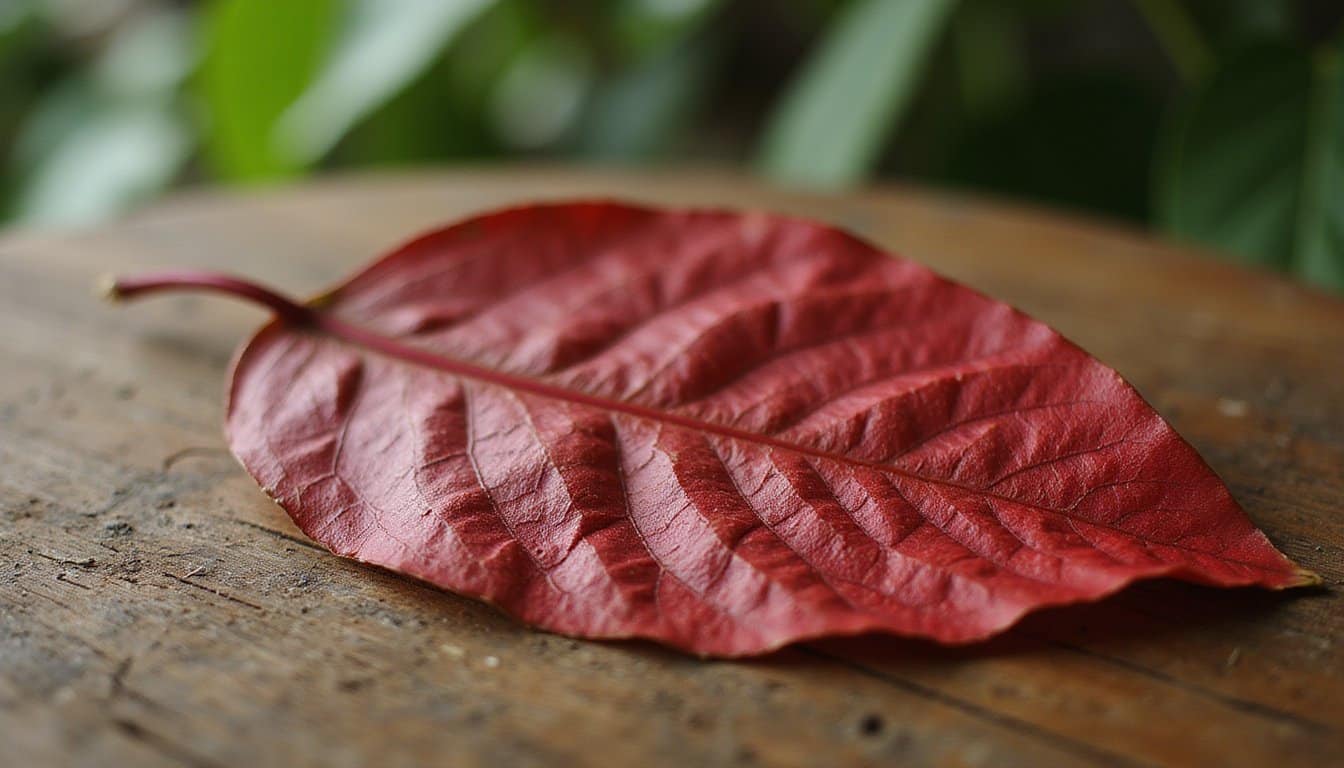
Red vein kratom gets its name from the color of the leaf’s central vein at the time of harvest, which typically indicates a later stage of leaf maturity. If you’re asking what is red vein kratom, it’s the most sedation-associated color category, processed through sun-drying or fermentation methods that deepen its alkaloid shift toward 7-hydroxymitragynine dominance. Its higher concentration of 7-hydroxymitragynine is what makes it particularly suitable for pain relief and stress management.
Red kratom effects differ from green and white varieties primarily in intensity and direction. You’ll find red vein kratom effects lean heavily toward relaxation and sedation rather than stimulation. While marketing often promotes the strongest red kratom by strain name, batch variation matters more than labels. This sedative profile is precisely why red kratom dependence risk exceeds other categories, daily use can produce opioid-like withdrawal symptoms before you recognize a pattern has formed. White vein kratom benefits and potency are often highlighted in discussions about its stimulating effects.
Strongest Red Strains: Maeng Da, Borneo, and Thai Compared
Among the red vein strains most frequently compared for potency, Red Maeng Da consistently ranks at the top, with authenticated samples reporting mitragynine concentrations around 1.5%, 2.0% compared to the 0.8%, 1.2% range typical of standard reds like Red Borneo. Red maeng da effects include stronger sedation and more pronounced pain relief, which is why it’s often marketed as the strongest kratom for pain. Red borneo effects tend toward gentler relaxation without the same intensity. The red thai kratom strain falls between the two, offering balanced calming qualities with functional effects.
While red kratom benefits are frequently cited for discomfort management, higher-potency strains carry greater dependence risk. Stronger opioid receptor activity accelerates tolerance development, and you’re more likely to escalate doses with potent reds than with milder alternatives. Because red vein kratom is sourced from mature kratom trees, its alkaloid profile tends to favor these sedative and analgesic properties over the stimulant effects seen in younger-leaf strains.
How Red Vein Kratom Affects Your Body at Every Dose

Because red vein kratom interacts with opioid receptors in a dose-dependent way, the amount you take fundamentally changes what the substance does to your body. Below 2 grams, red kratom typically produces mild stimulation, increased alertness, and mood elevation rather than sedation. Moderate-dose effects between 2, 5 grams shift toward relaxation, early pain relief, and reduced anxiety, this range is where most red bali kratom effects are commonly reported. Higher-dose effects above 5 grams bring pronounced sedation, opioid-like analgesia, drowsiness, and rising side-effect risk including nausea and constipation. Above 8 grams, serious outcomes like seizures, respiratory depression, and liver injury become clinically relevant concerns.
Dose-related variability makes these ranges approximate. Your metabolism, tolerance, and the specific product’s alkaloid content all influence where thresholds actually fall. Combining red vein kratom with CNS depressants like alcohol or opioids can significantly amplify overdose risk even at doses that might otherwise seem moderate.
Why Red Strains Carry a Higher Risk of Dependence
The dose-dependent effects described above don’t just determine what red kratom does in a single session, they also shape how quickly dependence can develop with repeated use. Red vein kratom’s higher 7-hydroxymitragynine concentration drives stronger kratom opioid receptor agonism, reinforcing habitual use through pain relief and sedation. Red kratom strains like Red Bali kratom effects profiles, heavy sedation, anxiety reduction, condition negative reinforcement patterns that accelerate dependence. Addiction risks associated with kratom can escalate rapidly for users who do not moderate their intake.
| Risk Factor | Mechanism | Outcome |
|---|---|---|
| Higher 7-hydroxymitragynine | Stronger opioid receptor binding | Faster tolerance development |
| Sedative reinforcement | Relief-driven repeated dosing | Routine daily use |
| Dose escalation | Tolerance requiring larger amounts | Physical dependence |
Daily users report withdrawal onset within 18, 24 hours, with symptoms lasting up to 14 days.
Red Vein Kratom Side Effects and Safety Risks

While red vein kratom’s sedative and analgesic properties drive its popularity, those same opioid-like mechanisms produce a side effect profile that mirrors many risks associated with traditional opioids. Common short-term side effects include nausea, vomiting, constipation, dizziness, and drowsiness. If you’re using red kratom for sleep, you should know that higher doses increase the risk of respiratory depression, seizures, and liver toxicity.
Red vein kratom side effects extend beyond acute reactions. Regular use can lead to dependence, and withdrawal symptoms closely resemble opioid withdrawal, anxiety, insomnia, sweating, and tremors. Contamination risks add another layer of danger, as unregulated products may contain Salmonella, heavy metals, or inconsistent alkaloid concentrations. These products aren’t FDA-approved, meaning you’re assuming significant, unmonitored risk.
Take the First Step Beyond Kratom Dependence
Kratom use can creep into daily life and bring physical and mental risks that feel overwhelming to face alone. At Villa Wellness Center, our experienced team delivers reliable Drug Addiction Treatment with care, compassion, and a personalized approach. Call +1 (844) 609-3035 today and begin a healthier chapter in your life. Verify your insurance today to see your coverage options and take the next step toward treatment.
Frequently Asked Questions
Can You Mix Red Vein Kratom With Green or White Strains Safely?
There’s no proven safe way to mix red vein kratom with green or white strains. Combining them increases your total alkaloid exposure, makes dose-response effects harder to predict, and can amplify side effects like nausea, dizziness, and excessive sedation. You also raise your dependence risk, especially with regular use. No high-quality clinical evidence supports any specific blend as low-risk, so you should consult a clinician before combining strains.
How Long Does Red Vein Kratom Typically Stay in Your System?
Red vein kratom’s primary alkaloid, mitragynine, has a half-life ranging from roughly 4 to 24 hours depending on the study, so you can expect detectable levels in urine for about 2, 7 days after occasional use. If you’re using it daily, that window can extend to around two weeks. Standard drug panels don’t typically screen for kratom, but specialized LC-MS/MS testing can identify it reliably.
Is Red Vein Kratom Legal in Every U.S. State?
No, red vein kratom isn’t legal in every U.S. state. States like Alabama, Arkansas, Indiana, Rhode Island, Vermont, and Wisconsin ban kratom outright, and some cities or counties impose local restrictions even where state law permits it. “Red vein” is a marketing label, not a distinct legal category, your jurisdiction treats it as kratom generally. You should verify both state and local laws before purchasing, possessing, or traveling with any kratom product.
Does Red Vein Kratom Interact With Prescription Medications or Alcohol?
Yes, red vein kratom can interact with prescription medications and alcohol. Its alkaloids inhibit CYP2D6 and CYP3A4 enzymes, which metabolize over half of all drugs, potentially raising blood levels of co-used medications to dangerous concentrations. Combining it with CNS depressants like benzodiazepines, opioids, or alcohol increases your risk of respiratory depression and overdose. You shouldn’t mix kratom with any prescription medication without consulting your prescriber first.
How Should Someone Taper off Red Vein Kratom to Minimize Withdrawal?
You should stabilize on a consistent daily dose using a single kratom source, then reduce your intake by about 5, 10% every 3, 7 days. Use a scale to measure each dose accurately. Track withdrawal symptoms, sleep, and mood daily. If symptoms become severe, pause the taper rather than forcing the next cut.