







Yes, Xanax can cause weight gain. FDA studies show that 32.7% of users experience increased appetite, while 27.2% develop measurable weight gain during treatment. The drug enhances GABA activity, which promotes sedation, reduces your resting metabolic rate, and lowers your overall physical activity, creating a caloric surplus over time. Your individual risk depends on diagnosis, dosage, and duration of use, with long-term users facing the highest likelihood of significant changes you’ll want to understand.
Does Xanax Cause Weight Gain?

Xanax can contribute to weight gain through several interconnected mechanisms, though the effect isn’t universal. FDA study data shows 32.7% of participants experienced increased appetite, while 27.2% reported weight gain. If you’re wondering does Xanax make you gain weight, the answer depends on your specific diagnosis, dosage, and duration of use.
Research on panic disorder patients found 27% gained weight on Xanax compared to 18% on placebo. However, patients with generalized anxiety disorder showed minimal weight changes. Your individual metabolism, baseline eating patterns, and lifestyle factors greatly influence outcomes. Up to 25% of long-term users report considerable weight gain over time, while short-term users typically experience only minor, reversible changes after discontinuation. Additionally, withdrawal from Xanax may result in weight loss due to decreased appetite.
What the Research Says About Xanax and Weight Gain
Although individual responses vary, clinical data provides a clearer picture of how Xanax affects body weight. FDA studies documented that 32.7% of participants experienced increased appetite, while 27.2% reported measurable weight gain. Clinical trials spanning up to 10 weeks confirmed that 28% of patients gained weight during treatment. Some users wonder whether xanax cause weight gain is a common issue. Weight management can be particularly challenging for those who are already struggling with anxiety or depression.
The link between Xanax and weight gain strengthens with prolonged use. Long-term users showed up to 25% considerable weight gain over extended periods. However, you should note that placebo groups experienced similar fluctuations, including both gain and loss.
Research also demonstrated that alprazolam notably increased food intake, particularly high-fat options. Recent findings suggest minimal weight impact when concurrent anxiety or depression symptoms aren’t present. As a central nervous system depressant, Xanax’s sedative properties can also indirectly slow metabolism, compounding these dietary effects over time.
Why Xanax Weight Gain Affects Everyone Differently

Because each person’s body processes medication differently, Xanax doesn’t produce uniform weight effects across all users. Your metabolism, genetic predisposition, diagnosis, and dosage all determine whether you’ll experience changes on the scale.
| Factor | Weight Gain Likelihood | Key Mechanism |
|---|---|---|
| Panic disorder diagnosis | Higher (27% vs. 18% placebo) | Increased appetite response |
| Anxiety disorder diagnosis | Lower | Minimal appetite disruption |
| Higher dosage/long-term use | Raised | Sedation and metabolic shifts |
Research confirms that the same medication can cause weight gain, weight loss, or no change depending on individual nervous system response. Whether Xanax can cause weight gain for you depends on how these variables interact within your specific clinical profile. As a central nervous system depressant, Xanax can also affect appetite regulation and energy levels in ways that vary significantly from person to person. Weight fluctuations related to Xanax can lead to confusion and frustration for many users. It’s essential to monitor these changes closely and discuss any concerns with a healthcare provider.
How Xanax Slows Your Metabolism
Xanax’s sedative properties reduce your resting metabolic rate by depressing central nervous system activity, which means your body burns fewer calories even when you’re not moving. This sedation also discourages physical activity, creating a compounding effect where decreased exercise further lowers your daily caloric expenditure. Additionally, benzodiazepines like Xanax can cause your body to retain excess fluid, producing weight fluctuations that appear as gained pounds on the scale.
Reduced Resting Calorie Burn
When Xanax depresses central nervous system activity, it doesn’t just calm your thoughts, it reduces your body’s overall energy demand. Slower neuronal firing and decreased neurotransmitter secretion lower your baseline caloric requirements, contributing to xanax weight gain over time.
Three key mechanisms drive this reduced resting calorie burn:
- Decreased neural energy consumption, slower cognitive processing means your brain requires fewer calories to function daily.
- Reduced muscular output, Xanax’s myorelaxant properties decrease muscle work, and prolonged inactivity can erode lean mass, further lowering resting energy expenditure.
- Lower arousal states, sedation reduces your body’s overall metabolic activity, meaning you burn fewer calories even while completely at rest.
These changes create a cumulative energy imbalance that promotes gradual fat accumulation throughout treatment.
Sedation Promotes Physical Inactivity
Sedation doesn’t just limit structured exercise, it reduces non-exercise activity thermogenesis, the calories you burn through everyday movements like standing, fidgeting, and household tasks. Over weeks and months, even modest declines in physical activity compound into measurable caloric surpluses. You may not feel less active, but your body registers the difference. The cumulative effect of persistent sedation-driven inactivity contributes meaningfully to gradual weight accumulation during ongoing Xanax use.
Fluid Retention Effects
Beyond its sedative properties, Xanax can trigger fluid retention that registers as weight gain on the scale, even when your body fat hasn’t changed. Benzodiazepines disrupt sodium and electrolyte balance, causing your body to hold excess water in tissues prone to fluid pooling.
If you’re asking does Xanax cause weight gain, fluid retention produces three distinct clinical indicators:
- Facial puffiness and peripheral swelling that fluctuates throughout the day
- Abdominal bloating unrelated to caloric intake or fat accumulation
- Daily scale weight variations of several pounds driven by fluid shifts
These changes compound alongside sedation-related inactivity, creating the appearance of rapid weight gain. Understanding that fluid retention differs from actual fat accumulation helps you assess your body composition more accurately during treatment.
Why Xanax Makes You Crave High-Calorie Comfort Foods
When Xanax suppresses your anxiety, it also disrupts the natural appetite-control signals your brain relies on to regulate hunger and fullness. The calming of your central nervous system doesn’t just reduce worry, it actively triggers cravings for high-fat, high-sugar comfort foods that provide quick energy to a sedated body. Research shows benzodiazepines shift both your taste preferences and food selection patterns, making you more likely to reach for calorie-dense options without recognizing the change.
Anxiety Numbs Appetite Control
Anxiety itself functions as a powerful appetite suppressant, and Xanax’s calming effects can reverse this suppression in ways that directly increase hunger and food intake. When you’re wondering does xanax make you fat, consider these clinical mechanisms:
- Anxiety-driven appetite inhibition lifts, Your central nervous system calming removes the physiological tension that previously suppressed hunger signals.
- GABA-A receptor activation alters hunger regulation, Benzodiazepine binding simultaneously affects appetite-signaling pathways alongside anxiety reduction.
- Sustained use escalates appetite changes, FDA data indicates 32.7% of study participants experienced increased appetite during Xanax use.
Without anxiety’s appetite-suppressing edge, you’ll likely notice heightened hunger patterns even at lower doses. Long-term users experience amplified appetite stimulation as anxiety reduction becomes sustained, creating measurable caloric surplus over time.
Sedation Triggers Sugar Cravings
Xanax’s sedative properties don’t just slow your body down, they actively reshape what you want to eat. When drowsiness and fatigue persist throughout your waking hours, your brain seeks rapid energy sources, primarily sugar and refined carbohydrates. Clinical data confirms alprazolam markedly increases food consumption, with restrained eaters consuming 26% more calories under its influence. This sedation triggers sugar cravings that directly explain how Xanax makes you gain weight.
| Effect | Mechanism | Outcome |
|---|---|---|
| Drowsiness | Enhanced GABA activity | Reduced physical activity |
| Increased appetite | Altered food desirability | Higher caloric intake |
| Fat cravings | Impaired decision-making | Heightened fat consumption |
Prolonged sedation impairs cognitive function governing food choices, steering you toward high-calorie comfort foods rather than nutrient-dense options.
Short-Term vs. Long-Term Xanax: How Weight Gain Risk Changes
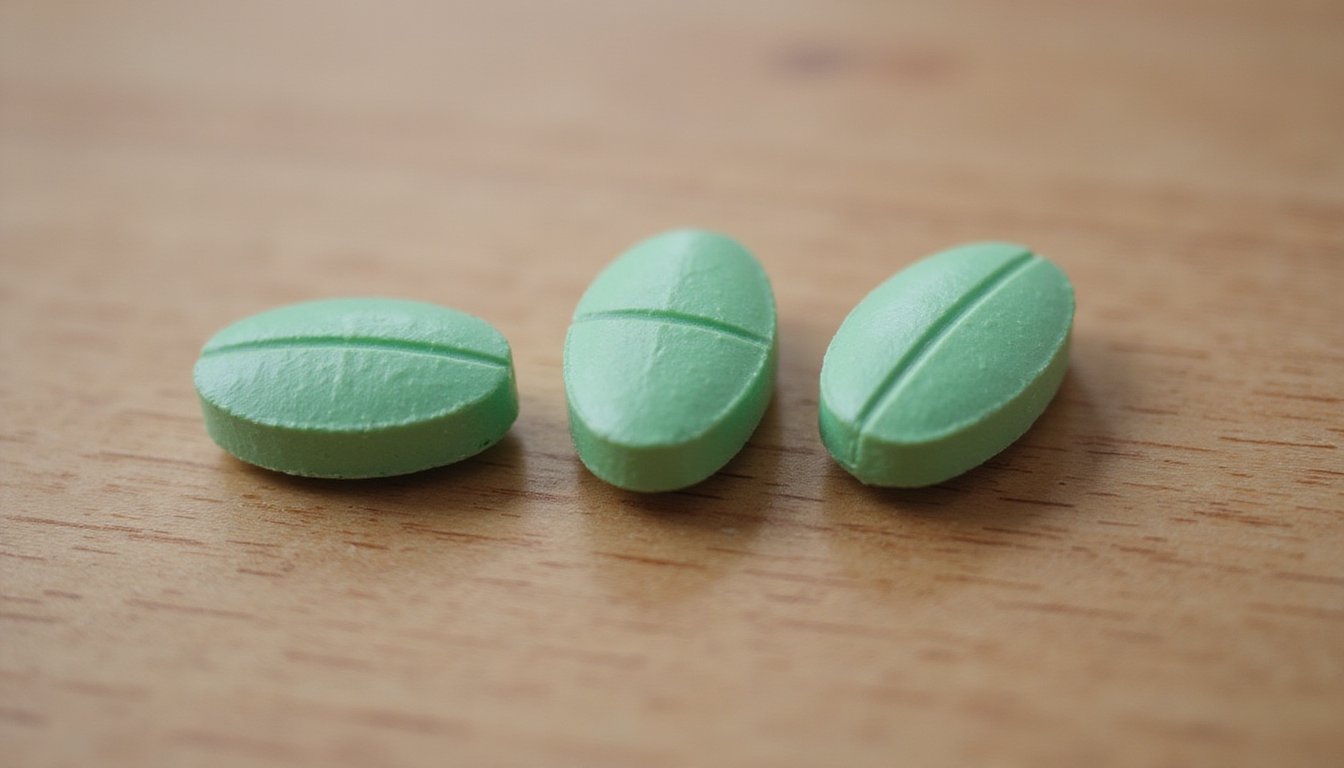
Here’s how duration alters your risk profile:
- Weeks 1, 10: Appetite suppression can counterbalance sedation-related weight changes.
- Beyond 10 weeks: Appetite-regulating effects reverse, and cumulative sedation reduces physical activity.
- Extended use: Disrupted sleep cycles and nervous system adaptation compound hunger signal dysregulation.
The FDA recommends the lowest effective dose for the shortest duration possible, as clinical evidence doesn’t support prolonged administration.
Can Xanax Actually Cause Weight Loss Instead?
While most discussions focus on Xanax and weight gain, the medication can actually produce weight loss in a notable subset of users. Xanax functions as an appetite suppressant for many individuals, reducing hunger signals and decreasing overall food intake. When you combine suppressed appetite with the drug’s sedation-induced lethargy, conditions become conducive to caloric deficit.
Gastrointestinal side effects, nausea, vomiting, and diarrhea, further reduce caloric intake in susceptible users. Understanding whether can xanax cause weight gain or loss depends largely on your individual physiology and baseline anxiety levels. Paradoxical reactions, including agitation and restlessness, increase energy expenditure in certain users. Additionally, withdrawal periods produce significant weight loss through severe appetite suppression and GI distress. The FDA study found approximately 27.2% of users experienced weight gain, meaning most didn’t. Does xanax withdrawal cause weight loss? Many individuals find that during withdrawal, their cravings for food diminish significantly, contributing to rapid weight reduction.
How to Prevent Weight Gain While Taking Xanax
If you’ve noticed weight changes since starting Xanax, adjusting your dosage frequency can reduce sedation and improve daytime energy levels, two factors that directly influence caloric expenditure. Consult your prescribing physician to evaluate whether alternative anxiolytics with lower weight gain risk profiles are appropriate.
To address the question of does taking xanax make you gain weight, implement these evidence-based strategies:
While Xanax-related weight gain isn’t inevitable, proactive lifestyle adjustments can help you maintain a healthy weight during treatment.
- Schedule six smaller meals daily instead of three larger ones to regulate appetite fluctuations and prevent binge eating episodes.
- Incorporate structured cardiovascular and strength-training exercise to counteract Xanax’s sedating properties while supporting metabolic function.
- Work with a dietician to monitor caloric intake, limit sodium to 2,000 milligrams daily, and prioritize whole foods over processed options.
What Happens to Your Weight After You Stop Xanax?
Stopping Xanax triggers a distinct pattern of weight changes that most people don’t anticipate. Within 2 to 24 hours after cessation, you’ll likely experience appetite suppression, nausea, vomiting, and gastrointestinal disruptions that directly reduce caloric intake. These withdrawal symptoms produce measurable weight loss independent of intentional dietary changes.
Your metabolism begins normalizing as sedative effects diminish, restoring calorie-burning capacity that Xanax previously suppressed. If you’ve wondered does alprazolam cause weight gain, the reversal during withdrawal confirms this connection, your body recalibrates once the drug clears your system.
Long-term users face more prolonged weight adjustment periods than short-term users. Medically supervised tapering minimizes dangerous fluctuation extremes while supporting regulated appetite recovery. Temporary weight loss typically stabilizes after your body completes its metabolic recalibration.
Your New Beginning Starts With One Call
Xanax can affect your body in unexpected ways, and managing its use safely takes the right professional support. At Villa Wellness Center, our skilled team offers trusted Medication-Assisted Treatment with care, compassion, and a personalized approach. Call +1 (844) 609-3035 today and take the first step toward lasting recovery. Verify your insurance today to see your coverage options and take the next step toward treatment.
Frequently Asked Questions
Does the Dosage of Xanax Affect How Much Weight You Gain?
Yes, your Xanax dosage can influence weight gain. Higher doses intensify sedation and reduce your motivation for physical activity, while also more strongly stimulating appetite through increased GABA-A receptor binding. Clinical data show that 28% of patients experienced weight gain in trials, with panic disorder patients showing higher rates. Lower doses may produce less pronounced effects, but long-term use at any dosage can gradually slow your metabolism, promoting cumulative weight gain.
Can Switching From Xanax to Another Anxiety Medication Prevent Weight Gain?
Switching medications may help, but there’s no guarantee it’ll prevent weight gain. Different anxiety medications carry their own metabolic profiles, some SSRIs, for example, can also cause weight changes. You should discuss your concerns with your prescriber, who can evaluate alternatives based on your specific health profile. Don’t stop or switch Xanax on your own, as abrupt discontinuation carries serious risks. Your doctor can guide a safe, individualized change plan.
Does Xanax Cause Water Retention or Bloating Separate From Actual Fat Gain?
Yes, Xanax can cause your body to retain extra water and fluids, leading to bloating and puffiness that’s entirely separate from fat accumulation. You’ll notice this as fluctuating pounds on the scale without actual fat increase. Short-term use typically produces minor, temporary fluid retention that reverses once you discontinue the medication. Long-term use, however, shifts weight gain toward sustained fat storage driven by metabolic slowdown and increased appetite.
How Long After Starting Xanax Do People Typically Notice Weight Changes?
You may notice appetite changes within the first few days, as single-dose studies show an increase of roughly 975 calories in daily intake. During the first week, sedation and reduced activity can tilt your weight upward. By weeks two through eight, sedation tolerance develops and weight often stabilizes or slightly decreases. If you continue beyond eight weeks, metabolic slowdown can gradually shift the trajectory back toward gain.
Can Exercise Fully Counteract the Metabolic Slowdown Caused by Xanax Use?
Exercise alone likely can’t fully counteract all the factors contributing to weight gain during Xanax use. While physical activity helps offset reduced caloric expenditure, it doesn’t address increased appetite, emotional eating, water retention, or genetic predispositions. Sedation tolerance typically develops within four to seven days, restoring your exercise capacity, but you’ll still need dietary adjustments alongside activity. No current clinical evidence confirms exercise alone completely neutralizes Xanax’s combined metabolic, appetite, and behavioral effects.