







Yes, weight changes are a documented side effect of Xanax. FDA clinical trial data shows that 27.2% of participants experienced weight gain, while 24% experienced weight loss during treatment. Xanax’s interaction with GABA-A receptors can alter your appetite, reduce physical activity through sedation, and disrupt hunger-regulating hormones. Whether you’ll gain or lose weight depends on your individual metabolism, dosage, and duration of use, factors we’ll break down in detail below.
Does Xanax Actually Cause Weight Gain?
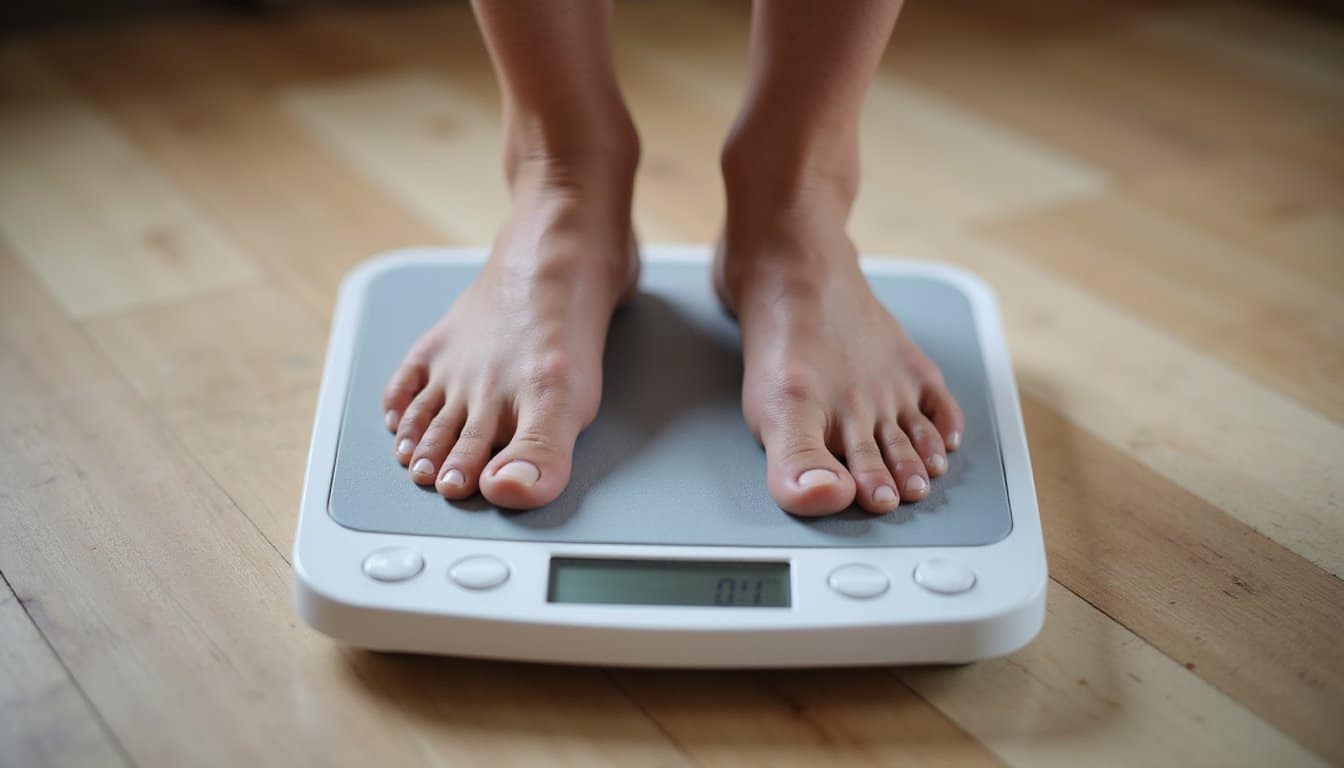
Xanax doesn’t appear on most lists of medications strongly associated with weight gain, but clinical data tells a more nuanced story. FDA research documented that 27.2% of participants experienced weight gain, while 32.7% reported increased appetite. Among panic disorder patients specifically, weight gain rates reached 27% compared to 18% in placebo groups.
When evaluating xanax side effects weight gain, you should consider multiple physiological mechanisms: sedation reduces physical activity, CNS depression slows metabolism, and anxiety relief removes natural appetite suppression. Up to 25% of long-term users report significant weight accumulation. Some users also report bloating and fluid retention, particularly at higher doses or with chronic use, which can further contribute to noticeable weight changes. Weight fluctuations linked to xanax usage can also be attributed to changes in sleep patterns and hormonal regulation. Users might experience altered cortisol levels, which can further exacerbate weight issues.
However, can xanax cause weight gain or loss? Yes, individual responses vary considerably. Some users experience nausea-driven weight loss, while others show no change whatsoever, depending on dosage, metabolism, and duration of use. It’s important to consider xanax interactions with weight loss medications before combining treatments. These interactions can lead to unforeseen side effects that may impact both mental and physical health.
How Much Weight Can Xanax Make You Gain?
How much weight you’ll gain on Xanax depends on several intersecting factors, and clinical data shows the range varies considerably between individuals. FDA studies indicate 27.2% of participants experienced xanax side effects weight gain, while 32.7% reported increased appetite during clinical evaluation.
Key determinants influencing xanax weight loss or gain include:
Whether Xanax causes weight loss or gain depends on dosage, metabolism, and the underlying condition being treated.
- Dosage and duration: Long-term users face higher probability of weight accumulation, with up to 25% reporting significant gains over time
- Metabolic profile: Individual metabolic differences dictate calorie-burning efficiency and fat storage tendencies
- Baseline condition: Panic disorder patients showed 27% weight increase versus only 18% in placebo groups, while anxiety disorder patients reported no measurable changes
Short-term use typically produces minor, reversible fluctuations, whereas extended use promotes progressive accumulation through sedation-driven activity reduction and metabolic slowing. Conversely, discontinuing Xanax may actually result in weight loss due to decreased appetite during withdrawal.
Why Xanax Changes Your Appetite and Metabolism

Because Xanax binds directly to GABA-A receptors in the brain, it amplifies inhibitory signaling across the central nervous system, producing the sedation and relaxation that define its therapeutic effect, but also triggering a cascade of physiological changes that reshape how your body regulates hunger and energy expenditure.
Among the most clinically significant xanax side effects appetite and weight changes stem from anxiety’s natural appetite suppression being removed. Research shows 33% of panic disorder patients report increased hunger compared to 23% on placebo. Simultaneously, sedation-driven fatigue reduces physical activity, lowering your metabolic rate over time. Sleep disruption further dysregulates hunger hormones, intensifying carbohydrate cravings. These overlapping mechanisms explain why weight changes from xanax vary between individuals, some gain, others lose, depending on their unique physiological response. Clinical trials further confirmed this variability, showing that after 10 weeks, 28% of participants experienced weight gain while 24% experienced weight loss, underscoring how individual biology shapes outcomes.
Can Xanax Cause Weight Loss Instead?
While most clinical discussions center on Xanax-related weight gain, the medication can also drive weight loss through several distinct mechanisms. Among documented xanax side effects weight loss occurs via appetite suppression, gastrointestinal disturbances, and metabolic alterations that reduce your net caloric balance. Additionally, xanax side effects on weight management can vary significantly among individuals. Some users may experience fluctuations in appetite, which can complicate efforts to maintain a healthy diet.
You should recognize these primary pathways:
- Appetite suppression: Xanax disrupts how your central nervous system processes hunger signals, directly decreasing food consumption
- Gastrointestinal effects: Nausea and digestive disturbances reduce your caloric intake as a secondary pharmacological response
- Muscle mass depletion: Sedation-induced inactivity causes lean body mass loss, registering as xanax weight reduction on the scale
Individual factors, including dosage, metabolism, and treatment duration, determine whether you’ll experience weight loss, gain, or no measurable change.
How to Manage Xanax Weight Gain
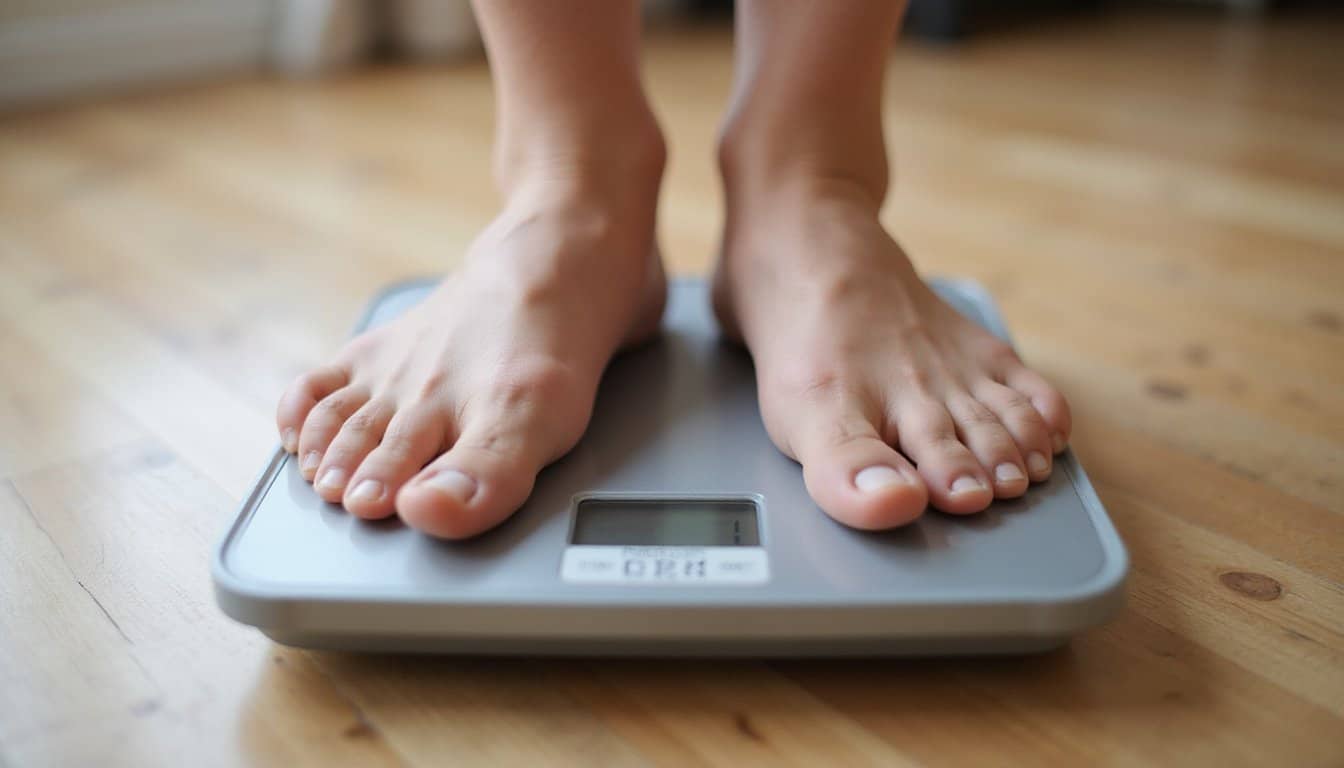
If you’ve noticed weight gain after starting Xanax, targeted interventions across medication management, diet, exercise, and professional support can help you regain control. Discuss dosage reduction with your prescriber, as lower doses minimize appetite-stimulating effects among xanax side effects weight changes present.
Implement mindful eating practices and structured meal scheduling to counteract emotional eating patterns. Reduce calorie-dense foods high in fat and sugar, which benzodiazepines can increase cravings for.
Gradually increase physical activity matched to your energy levels, timing exercise during periods of higher alertness to counteract sedation. Consult a dietician for personalized nutrition management coordinated with your physician’s oversight. The relationship between xanax and weight requires early monitoring and consistent progress assessment to adjust strategies effectively.
Your New Beginning Starts With One Call
Xanax can affect your body in unexpected ways, and managing its use safely takes the right professional support. At Villa Wellness Center, our skilled team offers trusted Medication-Assisted Treatment with care, compassion, and a personalized approach. Call +1 (844) 609-3035 today and take the first step toward lasting recovery. Verify your insurance today to see your coverage options and take the next step toward treatment.
Frequently Asked Questions
Does Xanax Weight Gain Reverse After Stopping the Medication?
Yes, Xanax-related weight gain can reverse after you stop the medication. As sedation lifts, your energy levels improve, motivation returns, and your appetite normalizes. Studies show withdrawal may decrease appetite and increase metabolism, further supporting weight loss. However, you shouldn’t stop abruptly, nearly 90% of patients experience rebound symptoms despite tapering. Work with your doctor to taper safely and maintain healthy eating and exercise habits for long-term weight stability.
Can Switching to a Different Benzodiazepine Prevent Weight Changes?
Research hasn’t specifically established whether switching to a different benzodiazepine prevents weight changes. Since all benzodiazepines share similar mechanisms, including sedation, appetite modulation, and reduced physical activity, you may encounter comparable effects with alternatives like Ativan or Klonopin. Your individual response depends on dosage, metabolism, and how each medication affects your energy levels and appetite. You should discuss switching options with your prescriber, who can evaluate your specific clinical profile.
Does the Dosage of Xanax Affect How Much Weight You Gain?
Yes, dosage can influence weight changes. Higher doses increase fatigue and sedentary behavior, stimulate appetite more notably, and slow your metabolism, all promoting greater weight gain. At lower doses, you’re less likely to experience severe effects, though weight changes remain possible. Clinical data show drowsiness rates climb substantially with higher doses (77% in panic disorder patients versus 40% at lower doses), which directly reduces your physical activity and calorie expenditure.
Are Certain People More Likely to Experience Xanax-Related Weight Changes?
Yes, certain factors make you more likely to experience weight changes on Xanax. Your baseline metabolism, genetics, body composition, and age all influence how you’ll respond. If you’re sedentary, you face greater weight gain risk from fatigue-related inactivity. Your primary diagnosis matters too, patients with panic disorder show higher rates of increased appetite than those with generalized anxiety. Sleep disruption and pre-existing emotional eating patterns also affect your susceptibility.
Can Xanax Withdrawal Cause Sudden or Unexpected Weight Loss?
Yes, Xanax withdrawal can cause sudden or unexpected weight loss. When you stop or reduce your dose, you may experience appetite suppression, nausea, vomiting, and diarrhea, all of which reduce your caloric intake. Your body’s heightened stress response also increases metabolic rate, burning more energy. This weight loss is typically temporary, resolving as withdrawal symptoms subside. You should consult your healthcare provider if you experience significant or prolonged weight changes during discontinuation.