







Xanax doesn’t directly cause weight loss, and you shouldn’t expect it to. Clinical studies show weight gain is actually more common, 27% of Xanax patients gained weight compared to 18% on placebo. While some people do lose weight due to appetite suppression or nausea, these effects aren’t consistent or well-established. The FDA lists decreased appetite as an adverse effect in a small percentage of patients. Understanding *why* individual responses vary so widely requires a closer look at the drug’s indirect mechanisms.
Does Xanax Directly Cause Weight Change?
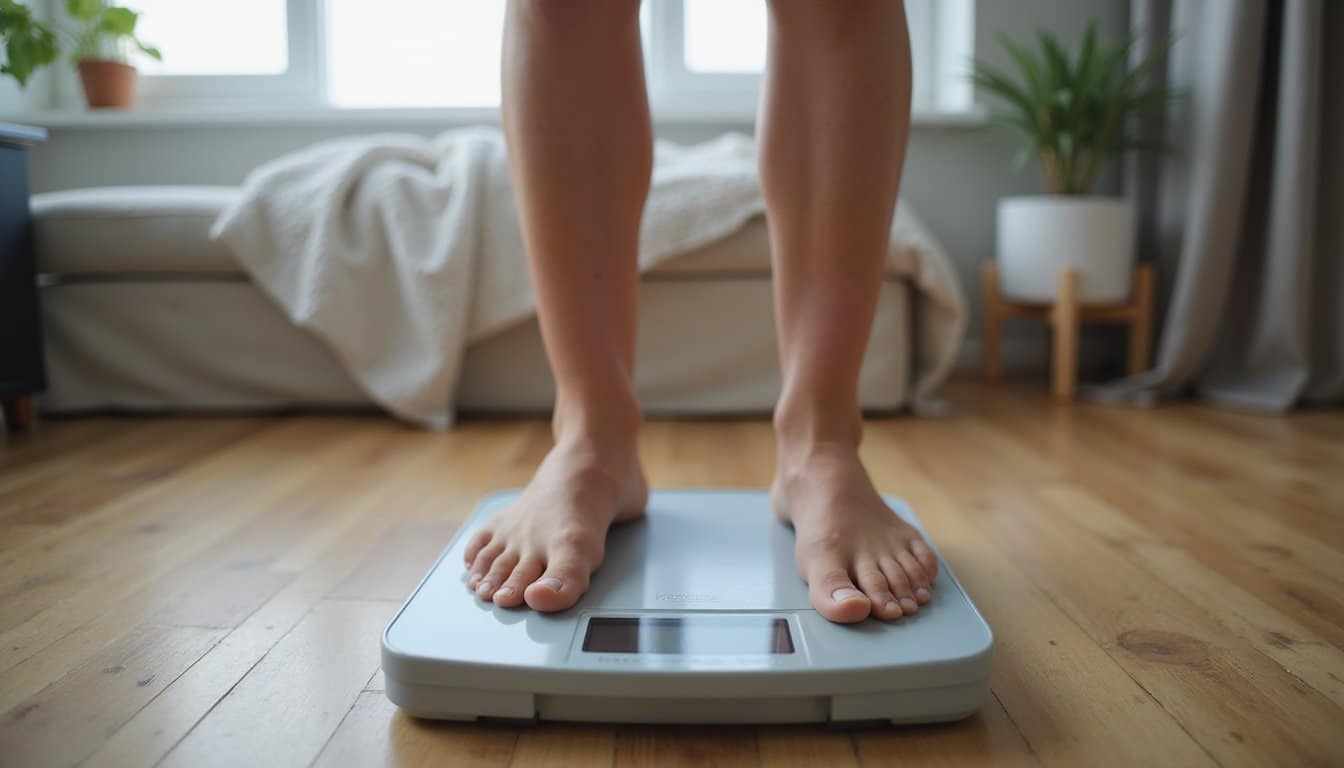
Xanax doesn’t directly cause weight gain or weight loss through its core pharmacological action. Research from Psychiatry Online indicates benzodiazepines generally don’t produce significant weight changes in most patients. Clinical trials found that weight fluctuations occurred at similar rates in both Xanax and placebo groups, suggesting indirect mechanisms drive any changes you experience. The drug works by enhancing GABA effects in the brain, which reduces nervous system activity rather than targeting metabolic pathways associated with weight regulation. Xanax’s impact on weight changes can be influenced by lifestyle factors, such as diet and exercise. Additionally, individual responses to the medication may vary, leading to different experiences regarding weight fluctuations.
Why Some People Lose Weight on Xanax
Xanax can suppress your appetite by depressing central nervous system activity, which reduces hunger signals and leads to lower caloric intake over time. You may also experience nausea or gastrointestinal discomfort that further discourages eating and limits nutrient absorption. Additionally, the sedating effects of the medication can decrease your physical activity, resulting in muscle loss and metabolic changes that contribute to shifts in body weight. For some individuals, Xanax alleviates anxiety that previously triggered overeating, so the reduction in anxiety-driven eating patterns can also contribute to weight loss.
Appetite Suppression Effects
Appetite changes represent one of the most commonly reported effects among people taking Xanax, and they don’t always move in the direction you’d expect. While anxiety itself naturally suppresses appetite, relieving that anxiety with alprazolam can sometimes increase hunger. Yet clinical data shows the subgroup experiencing decreased appetite and alprazolam weight loss consistently outnumbers those reporting increased hunger during steady-state treatment. Studies also indicate that higher doses correlate with greater weight loss in controlled trials, suggesting a dose-dependent relationship between alprazolam and appetite suppression.
Sedation Reduces Activity
Because alprazolam is a central nervous system depressant, it commonly causes drowsiness, fatigue, and reduced physical energy, effects that lower overall activity levels. When sedation reduces activity, you might assume this contributes to Xanax and weight loss, but current evidence doesn’t support that connection.
Reduced physical activity typically decreases caloric expenditure, which would more likely promote weight gain rather than loss. If you’re experiencing drowsiness that limits your movement, you’re burning fewer calories throughout the day, not more.
No clinical data currently establishes a direct link between Xanax-induced sedation, reduced activity, and subsequent weight loss. If you’re losing weight while taking alprazolam, other factors, such as appetite suppression, gastrointestinal side effects, or changes in anxiety-related eating patterns, are more probable explanations. You should discuss unexpected weight changes with your prescribing physician. Xanax’s impact on hunger levels can vary greatly from person to person. Some individuals might experience an increase in appetite when using the medication, while others may find their hunger significantly diminished.
How Xanax-Related Inactivity Leads to Muscle Loss

When Xanax causes sedation, you’re less likely to engage in physical activity, which means your muscles receive less stimulation throughout the day. Prolonged inactivity can trigger muscle atrophy, a process where unused muscle fibers gradually break down and lose mass. This loss of lean muscle tissue may contribute to changes in your body composition that show up as weight loss on the scale.
Sedation Reduces Muscle Use
Since Xanax enhances GABA activity in the brain, it produces a sedative effect that slows neural signaling and reduces overall alertness. This sedation directly contributes to drowsiness and fatigue, which limit your motivation and capacity for physical activity. When you’re consistently lethargic, your muscles experience diminished recruitment patterns and reduced neural activation.
If you’re wondering does xanax make u lose weight, it’s important to understand that sedation-induced inactivity decreases the frequency of muscle engagement during daily activities. Your muscles won’t receive the stimulus needed to maintain strength and mass. Over time, this chronic underutilization initiates progressive weakness. While some people on xanax lose weight, that loss may partly reflect muscle deterioration rather than fat reduction, a distinction with significant health implications you shouldn’t overlook.
Inactivity Causes Muscle Atrophy
Without regular physical activity to stimulate muscle fibers, your body begins breaking down muscle tissue it no longer needs to maintain. This process occurs because inactivity causes muscle atrophy, reducing both strength and mass over time. When Xanax-related sedation limits your movement, your muscles lose the consistent engagement they require to remain functional.
If you’re wondering does Xanax help you lose weight, it’s important to recognize that muscle loss isn’t equivalent to healthy fat loss. As muscle tissue deteriorates, your basal metabolic rate decreases because muscle burns more calories at rest than fat. Simultaneously, reduced appetite and potential nutritional deficiencies from Xanax’s side effects limit protein availability for muscle repair. This combination accelerates tissue breakdown, creating progressive physical deconditioning that compounds without deliberate intervention.
When Xanax Causes Weight Gain Instead
Although Xanax is sometimes linked to weight loss, it can also cause weight gain through several distinct mechanisms. While some ask “can xanax cause weight loss,” clinical data tells a more complex story. FDA studies show 32.7% of users experienced increased appetite, and 27.2% reported weight gain. So xanax weight loss isn’t the only outcome you should anticipate. The impact of Xanax on weight gain can vary significantly between individuals. Many factors, including lifestyle habits and metabolism, play a crucial role in how this medication affects body weight.
Several factors contribute to weight gain during use:
- Appetite restoration once anxiety-related suppression diminishes
- Metabolic slowdown reducing your resting calorie expenditure
- Cravings for calorie-dense foods high in fat and sugar
- Sedation-driven inactivity lowering daily energy output
- Emotional eating patterns developing as anxiety becomes chemically numbed
Your individual response depends on dosage, metabolism, and duration of use.
Why Xanax Withdrawal Triggers Rapid Weight Loss

When you stop taking Xanax after regular use, your body enters a withdrawal state that can trigger rapid and sometimes significant weight loss, often 8 to 10 pounds or more within the first few weeks. Appetite rebound suppression, nausea, and gastrointestinal disturbances, commonly called “benzo belly”, directly reduce your caloric intake. Simultaneously, rebound anxiety elevates your metabolic rate through sympathetic nervous system activation, accelerating calorie expenditure.
This combination doesn’t mean Xanax for weight loss is viable or safe. Withdrawal also causes tremors, fatigue, and muscle loss that compound physical decline. So does Xanax make you skinny? Not intentionally. Withdrawal-related weight loss reflects physiological distress, not a therapeutic benefit, and requires medical supervision to manage safely.
What FDA Studies Reveal About Xanax and Weight
FDA clinical trials involving 1,388 Xanax patients and 1,231 placebo participants provide the most reliable data on how this medication affects body weight. The evidence shows weight loss xanax effects aren’t straightforward, 23% of Xanax patients experienced weight loss compared to 17% on placebo.
Key clinical findings include:
- 27% of Xanax patients gained weight, exceeding the 18% placebo rate by 9 percentage points
- Weight loss incidence exceeded placebo by only 6 percentage points, a modest difference
- 50% of Xanax patients experienced measurable weight change in either direction
- Appetite decrease appears as a documented FDA adverse effect in 1% or more of patients
- Trial doses reached 4 mg/day over periods extending to 10 weeks
These data confirm can xanax help you lose weight isn’t clinically predictable.
Your New Beginning Starts With One Call
Xanax can affect your body in unexpected ways, and managing its use safely takes the right professional support. At Villa Wellness Center, our skilled team offers trusted Medication-Assisted Treatment with care, compassion, and a personalized approach. Call +1 (844) 609-3035 today and take the first step toward lasting recovery. Verify your insurance today to see your coverage options and take the next step toward treatment.
Frequently Asked Questions
Can Xanax Be Safely Used as a Weight Loss Supplement?
No, you can’t safely use Xanax as a weight loss supplement. It’s approved exclusively for treating anxiety and panic disorders, and no clinical evidence supports its use for weight management. Xanax carries significant risks, including dependence, withdrawal seizures, cognitive impairment, and respiratory issues. While some users experience appetite changes, these effects aren’t predictable or reliable. You should consult your healthcare provider about safe, evidence-based approaches to weight loss instead.
How Quickly Do Weight Changes Appear After Starting Xanax?
Weight changes from Xanax don’t follow a fixed timeline. If you experience appetite suppression or gastrointestinal side effects like nausea, you may notice mild weight loss within the first few weeks. However, with long-term consistent use, you’re more likely to see gradual weight gain due to slowed metabolism and reduced physical activity. During withdrawal, you’ll typically experience weight loss more consistently than during active use.
Does Xanax Affect Weight Differently in Men Versus Women?
Yes, Xanax can affect your weight differently based on gender. If you’re female, you metabolize alprazolam more slowly than males, and the drug accumulates in adipose tissue longer due to higher body fat percentage. This prolonged retention disrupts appetite-regulating hormones, including estrogen and progesterone, potentially intensifying weight fluctuations. Women also experience enhanced hormonal sensitivity to appetite changes. These metabolic differences mean weight-related side effects may persist longer in women than in men.
Will Switching From Xanax to Another Anxiety Medication Reverse Weight Changes?
Switching from Xanax to another anxiety medication won’t guarantee you’ll reverse weight changes. Your body’s response depends on the new medication’s side effect profile, your metabolism, and your individual physiology. Some alternative medications carry their own weight-related effects. You should work closely with your prescriber to monitor weight trends during any changeover. Don’t adjust or stop Xanax on your own, as withdrawal itself can also affect your appetite and weight.
Should You Adjust Your Diet While Taking Xanax to Prevent Weight Loss?
You should adjust your diet while taking Xanax if you’re experiencing appetite suppression, nausea, or gastrointestinal side effects that reduce your calorie intake. Eating smaller, nutrient-dense meals throughout the day can help maintain adequate nutrition. Increasing fiber and fluid intake also addresses common side effects like constipation and dry mouth. Because individual responses vary greatly, you’ll want to consult your healthcare provider for personalized dietary recommendations that account for your specific dosage and symptoms.