







Somatic exercises help you regulate your nervous system by using breath, movement, and touch to signal safety directly to your body. Instead of talking yourself out of distress, you give your body simple cues it understands. Try extending your exhale, gently humming, or resting a hand on your chest. These practices honor whatever you’re feeling without forcing change. There’s more to how your vagus nerve carries this calm, and how regulation grows over time.
Key Takeaways
- Extend your exhale to 6, 8 counts after a 4-count inhale to activate calming vagal signals.
- Ground yourself by naming five things you see, four you feel, and three you hear.
- Rest one hand on your chest and one on your belly to signal safety through touch.
- Shake your arms and legs for 30, 60 seconds to release stored tension and reset activation.
- Practice consistently and gently, since the nervous system responds to body actions more than thoughts.
What are somatic exercises for nervous system regulation
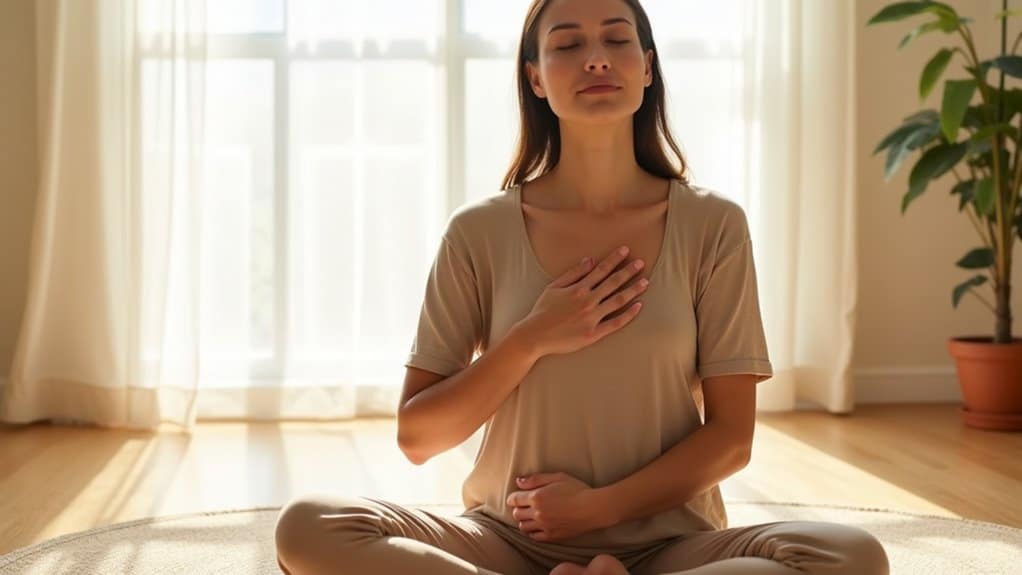
Somatic exercises for nervous system regulation use breath, movement, touch, and sensory awareness to signal safety to your body. They offer a way back to steadiness through the body rather than the thinking mind. Instead of trying to talk yourself out of distress, you’re giving your body direct cues that it’s okay to settle.
These somatic regulation techniques include breathing patterns, grounding practices, muscle release, self-soothing touch, and gentle movement. Each one meets you where you are, honoring whatever you’re feeling without forcing change. Somatic therapy explained shows how these techniques help individuals process emotions and connect with their bodies, building self-awareness and empowerment in their healing journey.
Nervous system regulation exercises don’t demand perfection. You simply notice what’s happening inside, then offer your body small, supportive experiences that help it find its way toward calm.
How does a dysregulated nervous system feel
A dysregulated nervous system can feel like your chest tightening, your heart racing, or your breath growing shallow and quick. Maybe your stomach knots, your muscles clench, or your thoughts scatter into fog. Sometimes it’s the opposite, a heavy numbness, exhaustion, or feeling disconnected from everything around you.
These sensations aren’t flaws. They’re your body’s signals that it’s carrying more than it can process right now. Healing the nervous system from trauma somatic experiencing offers a gentle path back toward safety.
Noticing these cues matters. A somatic nervous system exercise helps you meet your body where it is. Somatic exercises for nervous system regulation invite you to listen inward, honoring what you feel without judgment or urgency to fix. Exercises to calm the body can take many forms, from gentle stretching to deep breathing techniques. Each method serves as an invitation to reconnect with your physical self and find peace amidst chaos.
What is the role of the vagus nerve

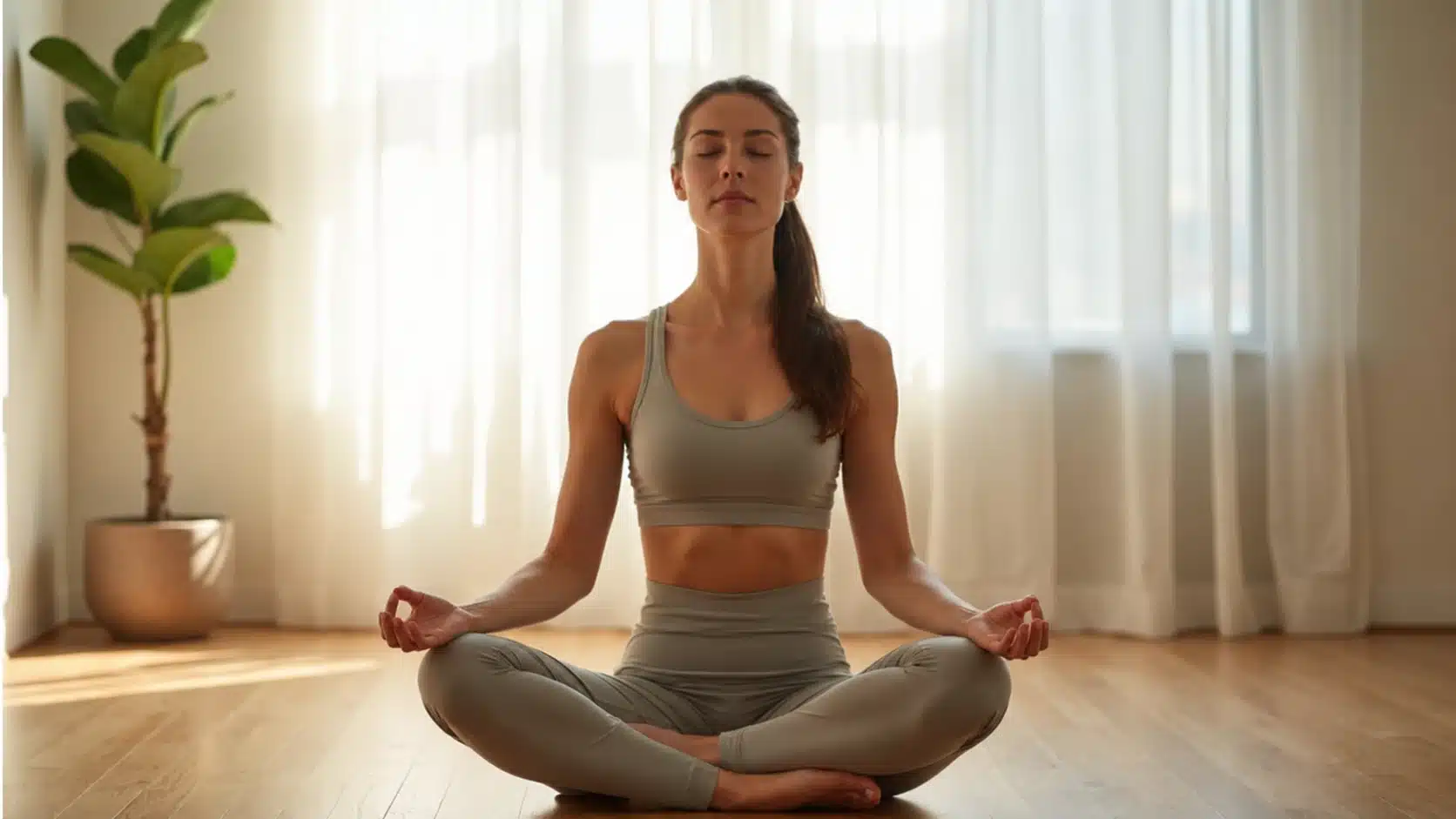
The vagus nerve acts as the main pathway between your body and your sense of safety, running from your brainstem down through your chest and into your belly. It’s constantly reading your internal state, sending signals that either calm you or prepare you to react. When this nerve functions well, your heart rate slows, your breath deepens, and your body settles into rest.
You can influence this pathway directly. Slow, extended exhales, gentle humming, and resonant breathing all stimulate vagal activity, telling your body it’s safe to soften. That’s why breath and sound matter so much in somatic work.
What exercises help regulate the nervous system
Exercises that help regulate your nervous system include breathing, grounding, touch, and movement, because your nervous system responds to what your body does more than what you think. You don’t need to force anything. Gentle, consistent practices signal safety to your body. Try a few approaches and notice what feels supportive for you. Trauma release exercises can significantly enhance your ability to manage stress and promote emotional healing. Incorporating these practices into your routine may help unlock tension and create a sense of flow in your body.
| Practice Type | What You Can Do |
|---|---|
| Breathing | Extend your exhale to 6, 8 counts after a 4-count inhale |
| Grounding | Name five things you see, four you feel, three you hear |
| Touch | Rest one hand on your chest, one on your belly |
| Movement | Shake your arms and legs for 30, 60 seconds |
Let each technique meet you where you are, offering your body permission to soften and settle.
How does regulation build over time with practice

Regulation builds over time the way you’d strengthen a muscle, slowly and with practice. It isn’t a single moment of calm you achieve once and keep forever. Each time you practice, you’re teaching your nervous system that it can move from activation back toward ease. At first, this shift might feel small or fleeting. Over time, your body learns the path more readily.
You’ll likely notice change unfold in stages:
- Recovery gets faster, you return to baseline sooner after stress.
- Awareness sharpens, you catch activation earlier, before it escalates.
- Trust deepens, you believe your body can settle, even when it’s hard.
Be patient with yourself. Regulation isn’t linear, and hard days don’t erase your progress. Each practice counts.
How do you know your body is settling
You know your body is settling when you notice subtle shifts rather than dramatic changes. Your breath may deepen on its own, moving lower into your belly without effort. You might feel warmth spreading through your hands, arms, or chest. Tension you didn’t realize you were holding begins to soften around your jaw, shoulders, or stomach.
Notice if a spontaneous sigh, yawn, or gentle trembling arises. These are signs your nervous system is releasing. Your thoughts may slow, and the urgency you felt eases into something quieter. Sounds around you might seem less sharp, and your gaze may soften.
You don’t need to force any of this. Trust these small signals. As you practice pendulation and grounding, you’ll grow familiar with how settling feels in your own body.
How does Villa Wellness Center support this healing
Villa Wellness Center supports your healing through guided practices, a calming environment, and personalized pacing that meets you exactly where you are. We honor your pace and never force anything your body isn’t ready for, creating a space where your nervous system can slow down and feel safe enough to settle.
Here’s how we support your healing:
- Guided somatic sessions where you practice breathing, grounding, and pendulation with attentive, trauma-informed support.
- A calming environment designed to help your body register safety through soft lighting, comfort, and quiet.
- Personalized pacing that follows your cues, so you’re building resilience without overwhelm.
You’ll learn to trust your body’s signals, gently and steadily, right alongside us.
Teach Your Body the Path Back to Calm
Regulation grows like a muscle, slowly and with practice. Villa Wellness Center supports your nervous system through guided somatic healing sessions, a calming environment, and pacing that follows your cues, so you build resilience without overwhelm. Contact us or call (844) 609-3035 to begin at your own pace.
Frequently Asked Questions
Can Somatic Exercises Replace Therapy or Medication for Anxiety?
No, they can’t replace therapy or medication, but they’re a valuable companion to both. Somatic practices, like extending your exhale, grounding through your senses, or offering yourself soothing touch, help your nervous system feel safer in the moment. Still, they work best alongside professional support. If you’re managing anxiety, please stay connected with your therapist or prescriber. You deserve care that honors your whole self, body and mind together, without pressure to choose.
How Often Should I Practice These Exercises Each Day?
Aim for two or three short sessions daily, even just five minutes each. You don’t need a rigid schedule, your body responds well to gentle consistency. Try practicing when you wake, midday, and before sleep, or whenever you notice tension rising. Small, regular moments often help more than one long session. Listen to what feels right, and let yourself adjust as needed. There’s no perfect number, you’re learning your own rhythm here.
Are Somatic Exercises Safe During Pregnancy or With Injuries?
Yes, many of these are safe, but you’ll want to listen closely to your body and adjust. During pregnancy, skip intense muscle tensing or forceful movements, and favor gentle breathing, self-soothing touch, and grounding. With injuries, avoid tensing or shaking anything that hurts. Start slow, stay curious, and stop if something feels wrong. When in doubt, check with your doctor or a trauma-informed practitioner who knows your situation.
Can Children or Older Adults Use These Techniques?
Yes, children and older adults can use these techniques, you’ll just want to adapt them gently. For kids, keep it playful and short, like bouncing on their feet or naming things they see. With older adults, choose seated options and softer movements, honoring any physical limits. You know your body best, so let comfort guide you. Move slowly, pause when needed, and trust that even small, gentle practices can help.
What Time of Day Works Best for Somatic Practice?
You can practice anytime that feels right for your body, there’s no single perfect moment. Many find mornings helpful for setting a calm tone, while evenings can ease you toward rest. Notice when you tend to feel activated or tense, and offer yourself these techniques then. You might try box breathing before a stressful meeting or gentle shaking after a long day. Trust your body’s rhythms, and let them guide your timing.