


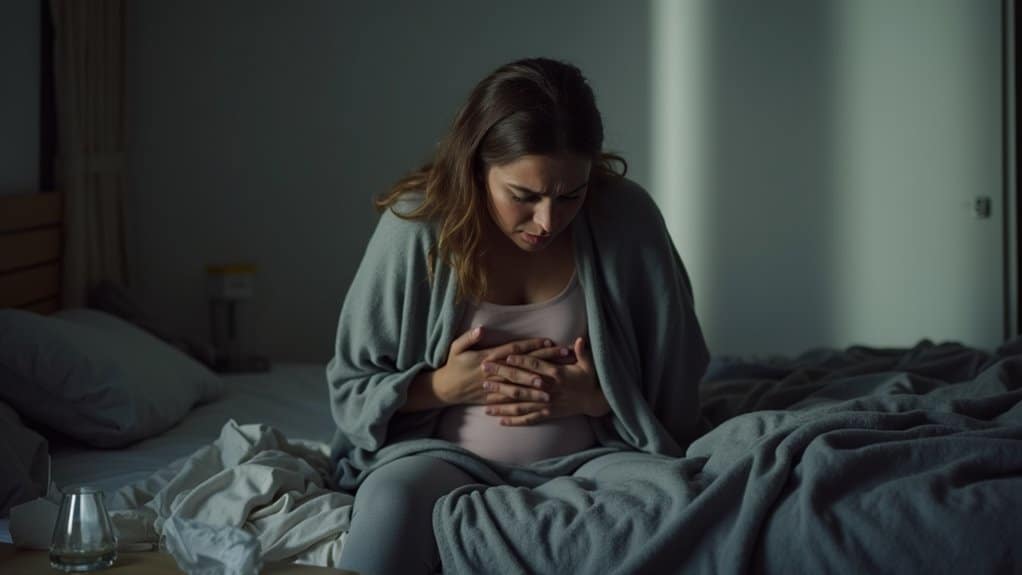



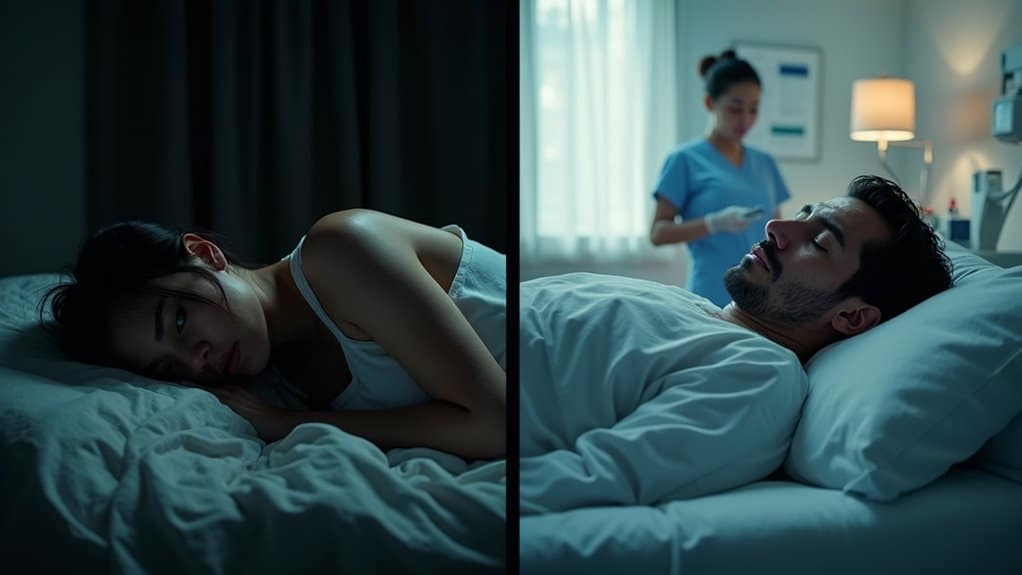
Yes, you can detox from heroin at home, but medical sources rank it as high-risk and often inadvisable. Withdrawal typically starts 6 to 12 hours after your last dose and peaks within 1 to 3 days. Without monitoring, you face dehydration, electrolyte imbalance, cardiovascular strain, worsening mental health, and a high risk of fatal overdose if you relapse. Supervised care offers safer support and medication. Understanding what drives home detox, and its dangers, can help you choose wisely.
Key Takeaways
- Detoxing from heroin at home is possible in some cases, but medical sources describe it as high-risk and often inadvisable.
- Home detox risks include dehydration, electrolyte imbalance, mental health crises, relapse, and fatal overdose from reduced opioid tolerance afterward.
- Withdrawal typically begins 6 to 12 hours after the last dose and peaks within 1 to 3 days, when medical support matters most.
- Home detox lacks safety features of supervised care, including 24/7 monitoring, FDA-approved medications, and structured follow-up treatment.
- Safer alternatives include medically supervised detox, medication-assisted treatment, and structured outpatient programs with clinical check-ins.
Can you detox from heroin at home
Detoxing from heroin at home is possible in some cases, but most clinical sources describe it as high-risk and often inadvisable. Medical supervision is the safer option because withdrawal symptoms can be severe and difficult to manage without professional support. If you’re considering heroin detox at home, you need to understand that home detox risks include dehydration, electrolyte imbalance, mental health crises, relapse, and fatal overdose. Outpatient care success rates vary based on the support provided. Studies show structured programs lead to better outcomes than detoxing alone, so ongoing medical and psychological support is crucial for reducing relapse.
Detox reduces your opioid tolerance, which raises your overdose risk if you use heroin again afterward. When you research how to detox from heroin at home, you’ll find that cravings, triggers, and a lack of structure often lead to failure. For severe withdrawal or high relapse risk, supervised care remains safest. When considering options for recovery, heroin detox vs cold turkey becomes a crucial choice. Understanding the differences between these methods can help in making an informed decision about the best approach to take.
What drives someone to try it without medical help
People try heroin detox at home because they want privacy, fear judgment, or can’t afford inpatient care. Maybe you’ve searched how to detox from heroin and convinced yourself you can manage the symptoms alone. Some people distrust medical systems or worry about time away from work and family. Several factors push people toward home detox, but the reasons rarely account for the risks involved.
But these motivations don’t reduce the danger. Withdrawal can bring dehydration, high blood pressure, and mental health crises that are hard to monitor without support. Cravings often overwhelm structure, and relapse after reduced tolerance raises your overdose risk sharply. Understanding how to detox from heroin safely usually means recognizing when professional supervision isn’t optional.
What are the medical dangers when you detox from heroin alone

The medical dangers of detoxing from heroin alone include dehydration, electrolyte imbalance, unmonitored cardiovascular strain, worsening mental health, and a high risk of fatal overdose afterward. Heroin withdrawal typically begins 6 to 12 hours after your last dose, peaks within 1 to 3 days, and involves nausea, vomiting, diarrhea, cramps, sweating, and anxiety. Persistent vomiting and diarrhea can quickly cause dehydration and electrolyte imbalance, complications that are hard to detect without monitoring. Autonomic symptoms like high blood pressure and elevated pulse go unchecked when you’re alone. Withdrawal itself isn’t usually life-threatening, but it becomes dangerous with underlying illness, pregnancy, or polysubstance use. Your mental health can deteriorate rapidly, and depression or suicidal thoughts appear more often without support. The greatest risk comes afterward: detox lowers your tolerance, so resuming use creates a high-risk window for fatal overdose. Early recovery phases after detox are crucial for building support and healthy coping mechanisms. Seeking therapy and support groups addresses the psychological side of addiction, while connecting with others reduces isolation and offers encouragement.
How does home detox compare to supervised care
Home detox lacks the safety of supervised care, which offers continuous monitoring and medication that home settings simply can’t match. When withdrawal peaks within one to three days, having clinical support lowers your risk of dehydration, relapse, and overdose.
| Home Detox | Supervised Care |
|---|---|
| No medical monitoring | 24/7 monitoring |
| Limited symptom relief | FDA-approved medications |
| Higher relapse risk | Structured support |
| Complications caught late | Early intervention |
Because your tolerance drops during detox, a relapse at home can turn fatal fast. Supervised programs also connect you to follow-up addiction treatment, which detox alone won’t provide. If your withdrawal is severe or your history’s complex, professional care remains the safer choice.
How does dehydration and relapse risk escalate

Dehydration and relapse risk escalate as vomiting and diarrhea intensify during peak withdrawal, when you can lose fluids and electrolytes faster than you replace them, tipping you into dehydration within hours. Left unmonitored, this can drive electrolyte imbalance and hypotension, complications that are harder to detect and correct at home. Peak symptoms, typically hitting within one to three days, also fuel overwhelming cravings. When you’re managing intense discomfort without structured support, relapse becomes likely, especially if alcohol, benzodiazepines, or more opioids are accessible in your environment. That’s where the danger compounds: detox lowers your opioid tolerance, so resuming use creates a high-risk overdose window that can turn fatal. If you’re facing possible fentanyl exposure or repeated relapse, these escalating risks strongly support seeking professional detox rather than continuing alone.
Which safer alternatives exist to going it alone
Safer alternatives to going it alone include medically supervised detox, medication-assisted treatment, and structured outpatient programs, all of which replace isolation with monitoring and medically guided care, lowering your chances of dehydration, relapse, and overdose. Consider these options:
- Inpatient or clinic-based detox, where staff track your blood pressure, pulse, and temperature around the clock and intervene early if complications emerge.
- Medication-assisted treatment, using FDA-approved medications to ease cravings and blunt the severity of your withdrawal symptoms.
- Structured outpatient programs, pairing scheduled clinical check-ins with follow-up addiction treatment to protect the fragile days after acute symptoms fade.
Each option provides oversight that a home setting can’t match. If you’re pregnant, medically complex, or facing possible fentanyl exposure, professional detox becomes the necessary choice, not the optional one.
What should family watch for during heroin detox at home
Family members need to monitor specific warning signs throughout the detox process, because withdrawal can escalate quickly. Track essential signs regularly, watching for high blood pressure, rapid pulse, and elevated temperature. Watch for persistent vomiting and diarrhea, since these can cause dehydration and electrolyte imbalance. If your loved one can’t keep fluids down or shows confusion, weakness, or fainting, seek medical help immediately.
Monitor mental health closely. Depression, anxiety, and suicidal thoughts are reported more often during unsupervised detox, so don’t leave the person alone for extended periods. Watch for signs of relapse, and secure any alcohol, benzodiazepines, opioids, or OTC drugs in the home.
Remember that reduced tolerance creates a dangerous overdose window, so watch carefully if use resumes.
What safer detox support does Villa Wellness Center offer
Villa Wellness Center offers medically supervised detox for when withdrawal turns severe or relapse risk runs high, providing support that a home setting can’t match. You’ll receive 24/7 monitoring of your blood pressure, pulse, and temperature, so complications like dehydration or hypotension get caught early. Clinicians manage your symptoms with FDA-approved medications, reducing withdrawal severity and cravings during the hardest days.
- Trained staff tracking your lifesign around the clock, ready to intervene before symptoms escalate
- Prescribed medications easing nausea, cramps, anxiety, and insomnia under careful supervision
- A calm, structured environment that removes access to alcohol, benzodiazepines, and opioids
Because detox alone isn’t a cure, you’ll also progress into follow-up addiction treatment, lowering your relapse risk and supporting lasting recovery beyond withdrawal.
Get Safer Support for Heroin Detox
Heroin withdrawal can become harder to manage without medical supervision, especially when dehydration, cravings, or relapse risks increase. Support from Villa Wellness Center can provide a more structured path through withdrawal and early recovery. Explore drug addiction treatment, contact us, or call (844) 609-3035 to discuss treatment options.
Frequently Asked Questions
How Long Does Heroin Stay in Your System?
Heroin itself is metabolized very quickly, so drug tests typically look for its metabolites, especially 6-acetylmorphine (6-AM) and morphine. Urine testing can often detect heroin-related metabolites for about 1 to 3 days, although the exact window varies with dose, frequency of use, metabolism, and test sensitivity. A positive 6-AM result specifically indicates recent heroin use.
Can Medications Like Methadone or Buprenorphine Be Used at Home?
You shouldn’t use methadone or buprenorphine at home without medical guidance. These are FDA-approved medications that can reduce withdrawal severity and cravings, but they require proper prescribing and monitoring. Medication choices should be medically guided, since dosing errors or combining them with alcohol, benzodiazepines, or other opioids can be dangerous. A supervised detox program can safely provide these medications alongside 24/7 monitoring, lowering your relapse and complication risks.
Is Heroin Detox Safe During Pregnancy?
No, detoxing at home during pregnancy isn’t safe. Heroin withdrawal in pregnancy can trigger miscarriage or premature delivery, so you shouldn’t attempt it without medical oversight. You’ll need professional care, since withdrawal’s autonomic stress and complications can endanger both you and your baby. Clinicians can monitor your life signs, manage symptoms, and use appropriate medications safely. Don’t risk unsupervised detox here, seek a supervised program to protect your pregnancy and health.
How Much Does Professional Heroin Detox Typically Cost?
Supervised detox offers 24/7 monitoring, FDA-approved medications, and symptom management that home detox can’t match. If you’re weighing your options, contact detox programs or your insurer directly for accurate costs. Don’t let cost concerns push you toward unsupervised withdrawal, which carries serious risks, including relapse and fatal overdose.
What Happens to Recovery After Detox Is Complete?
You’ll need follow-up addiction treatment, because detox alone isn’t a cure. Detox only manages withdrawal, it doesn’t address the cravings, triggers, and behavioral patterns that drive relapse. You’re also entering a high-risk overdose window, since your tolerance has dropped and using again can be fatal. To protect your recovery, you should pursue structured treatment, ongoing support, and relapse-prevention strategies. Without that continued care, your relapse risk stays dangerously high.