







Medical detox gives you professionally supervised withdrawal management with 24/7 monitoring by licensed professionals. You’ll receive medications like buprenorphine or methadone to ease symptoms and reduce cravings, plus hydration and nutrition support. Cold turkey means stopping all at once with no taper, no monitoring, and no symptom relief. You’ll face intense withdrawal alone, elevating your complication risk. The differences in safety, medications, and follow-up care are worth understanding before you decide.
Key Takeaways
- Medical detox provides 24/7 supervision by licensed professionals, while cold turkey means facing intense withdrawal alone with no monitoring.
- Medical detox uses medications like buprenorphine and methadone to ease symptoms and reduce cravings; cold turkey uses none.
- Cold turkey withdrawal starts within hours, causing muscle pain, insomnia, vomiting, diarrhea, and risks like seizures or hallucinations.
- Medical detox adds hydration, nutrition, and mental-health support, making it safer and more comfortable than abrupt cessation.
- Medical detox connects patients to follow-up care (PHP, IOP, outpatient, or medication maintenance), since detox alone doesn’t treat addiction.
What is the difference between medical heroin detox and cold turkey

The difference between medical heroin detox and cold turkey comes down to supervision and support. Medical detox is a professionally supervised process that clears heroin from your body while managing withdrawal. It typically includes 24/7 monitoring by licensed professionals and medications like buprenorphine or methadone to reduce withdrawal discomfort and cravings. Inpatient heroin detox provides hydration, nutrition support, and continuous symptom monitoring in a controlled setting.
Cold turkey means stopping all at once, with no taper and no medical monitoring. There’s no symptom-relief medication built into the approach, so withdrawal often begins rapidly and feels intense. That’s why cold turkey isn’t recommended for heroin and carries a higher chance of abandoning detox early.
What happens when you quit without support
Quitting heroin without support means facing intense withdrawal alone, with no medication, monitoring, or symptom relief. If you stop heroin abruptly, your body reacts fast because it’s adapted to the drug. Withdrawal can start within hours, bringing muscle and bone pain, restlessness, insomnia, vomiting, diarrhea, and cold flashes. Without medication, these symptoms intensify, and you’ll manage them alone.
Cold turkey offers no taper, no monitoring, and no symptom relief. WebMD notes that abrupt stopping of heavily used substances can trigger dangerous effects like rapid heart rate, hallucinations, and seizures. You also won’t get hydration, nutrition support, or mental-health care.
Because there’s no structure or follow-up, you’re more likely to abandon detox early, and relapse risk climbs. Effective heroin withdrawal treatment relies on supervision and stabilization, elements cold turkey lacks, making completion harder and less reliable. Navigating early recovery stages is crucial for long-term success. Support networks and counseling can provide the necessary guidance during this challenging time.
How does a heroin detox center manage withdrawal

A heroin detox center manages withdrawal through structured medical care rather than raw endurance. When you enter a heroin detox facility, licensed professionals monitor you 24/7, tracking important signs and intervening if complications arise. They prescribe medications like buprenorphine and methadone to reduce cravings and ease the muscle and bone pain, restlessness, insomnia, vomiting, diarrhea, and cold flashes that accompany withdrawal. You’ll also receive hydration, nutrition support, and continuous symptom management to reduce physical strain. This staged process typically lasts several days to about a week, with replacement medications tapered as needed. Because detox alone doesn’t treat addiction, the facility connects you to step-down care, PHP, IOP, outpatient treatment, or medication maintenance, reducing your relapse risk afterward. Heroin detox risks at home can be significant, leading to health complications without proper supervision. Many underestimate their symptoms’ severity, so seeking professional help is crucial for safety and successful recovery.
How do the two approaches compare on safety and comfort
Medical detox is far safer and more comfortable than quitting cold turkey. When you choose medical detox, licensed professionals monitor you around the clock and administer heroin withdrawal medication like buprenorphine or methadone to ease discomfort and reduce risk. Cold turkey leaves you unsupported, amplifying symptoms and increasing the chance of dangerous complications.
| Factor | Medical Detox | Cold Turkey |
|---|---|---|
| Monitoring | 24/7 supervision | None |
| Medication | Buprenorphine, methadone | None |
| Complication risk | Managed, reduced | Elevated, unmanaged |
You’ll experience predictable withdrawal either way, but medical detox controls muscle pain, vomiting, insomnia, and cold flashes. Abrupt stopping can trigger rapid heart rate, hallucinations, or seizures. For heroin dependence, supervised detox remains the safer, more comfortable option you can rely on. Challenges after heroin detox vary from person to person. Many struggle with cravings that are hard to manage alone, so building a strong support network is crucial for lasting recovery.
Which medications does heroin withdrawal treatment use
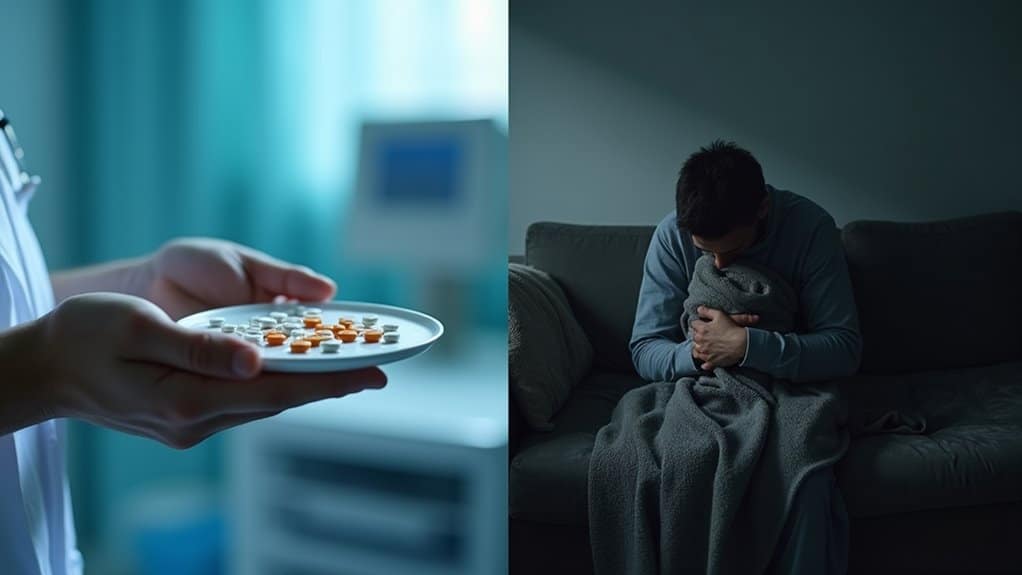
Heroin withdrawal treatment uses two primary medications: buprenorphine and methadone. Clinicians rely on these medications during medical detox to manage withdrawal. They reduce withdrawal discomfort and suppress cravings, making the process more tolerable than stopping abruptly. Buprenorphine partially activates opioid receptors, easing symptoms while lowering misuse potential. Methadone fully activates those receptors, stabilizing you through a controlled taper. Both work because your body has adapted to heroin, and sudden cessation triggers intense symptoms like muscle pain, insomnia, vomiting, and diarrhea.
Heroin detox programs administer these medications under 24/7 monitoring by licensed professionals, adjusting doses as your symptoms change. This medical oversight distinguishes structured detox from cold turkey, where no symptom-relief medication exists. After stabilization, clinicians typically shift you toward ongoing medication maintenance to reduce relapse risk.
Why does supervised detox improve your odds
Supervised detox improves your odds because it addresses the two factors that most often derail recovery: unmanaged withdrawal severity and the absence of follow-up care. When you’re monitored 24/7 by licensed professionals, medications like buprenorphine or methadone reduce your withdrawal discomfort and cravings, so you’re far less likely to abandon detox early. That continuous supervision also manages medical complications, keeping you safer throughout the process.
The best heroin detox doesn’t stop at clearing the drug from your body. It builds a handoff into ongoing care, PHP, IOP, outpatient treatment, or medication maintenance, because relapse risk rises sharply when treatment ends after withdrawal. Cold turkey offers no symptom relief, no monitoring, and no structured follow-up, which is why it produces higher relapse rates and lower completion.
What does insurance typically cover for detox
Insurance typically covers the core components of a heroin detox program, including 24/7 monitoring by licensed professionals, medications like buprenorphine or methadone, and symptom management. Because heroin detox is a medically supervised process, most insurance plans treat it as a covered medical service rather than an optional supplement. Because detox is classified as the first step in treating opioid use disorder, insurers generally recognize it as medically necessary care.
Coverage details vary by plan, so you’ll want to verify specifics such as inpatient versus outpatient services, network requirements, and any copays or deductibles. Many plans also cover step-down care that follows detox, including PHP, IOP, or medication maintenance. Confirming your benefits beforehand helps you avoid unexpected costs and ensures continuous treatment.
Why choose Villa Wellness Center for inpatient heroin detox
Villa Wellness Center is the right choice for inpatient heroin detox because we provide the continuous supervision that makes withdrawal safer and more manageable for serious heroin dependence. As a dedicated heroin detox center, we provide 24/7 monitoring by licensed professionals who track your health indicators and respond quickly to complications. You’ll receive medications like buprenorphine or methadone to reduce withdrawal symptoms and cravings, along with hydration, nutrition support, and stabilization throughout the process. Because detox is only the first step, we build a step-down plan into your care, connecting you to PHP, IOP, outpatient treatment, or medication maintenance. This structured progression lowers your relapse risk and addresses co-occurring mental-health concerns. You get a controlled, evidence-based setting designed to complete detox safely and move you toward lasting recovery.
Choose Safer Support for Heroin Withdrawal
Villa Wellness Center helps you move through heroin withdrawal with structured medical and clinical support instead of facing symptoms alone. Learn more about drug addiction treatment, contact us, or call (844) 609-3035 to discuss safer treatment options and the next level of care for ongoing recovery.
Frequently Asked Questions
How Long Does Heroin Stay in Your System?
Heroin leaves the body relatively quickly, but its metabolites can remain detectable after the immediate effects wear off. Detection time depends on the type of test, amount used, frequency of use, metabolism, and other individual factors. Drug testing may look for heroin-specific 6-acetylmorphine as well as morphine. If you need testing information for medical, employment, or treatment purposes, ask the testing provider which substances and metabolites their panel detects.
Can I Detox From Heroin Safely at Home?
Detoxing from heroin at home isn’t recommended. Without medical supervision, you’ll face intense withdrawal symptoms, muscle and bone pain, vomiting, diarrhea, insomnia, and cold flashes, with no medication to ease them. Abrupt stopping can trigger dangerous complications, and you’re far more likely to abandon detox early. Medical detox offers 24/7 monitoring, symptom-relief medications like buprenorphine or methadone, and a safer passage into ongoing treatment. Choose supervised care to protect your health.
What Happens After Detox Is Completed?
After detox, you’ll phase into ongoing treatment, because clearing heroin from your body doesn’t treat addiction itself. You’ll typically step down into structured care like a PHP, IOP, or outpatient program, often paired with medication maintenance such as buprenorphine or methadone. This continuing care matters because relapse risk rises sharply when treatment stops at withdrawal. You’ll also access evidence-based support that helps you sustain recovery rather than managing it alone.
Is Medical Detox Painful Even With Medication?
You’ll likely still feel some discomfort during medical detox, but medications like buprenorphine and methadone greatly reduce the intensity. You won’t experience the full severity of withdrawal symptoms, muscle and bone pain, restlessness, insomnia, vomiting, diarrhea, and cold flashes, because these medications ease cravings and stabilize your body. With 24/7 monitoring, professionals adjust your care to manage symptoms as they arise. It’s more manageable than quitting cold turkey.
How Soon Do Heroin Withdrawal Symptoms Begin?
Heroin withdrawal symptoms typically begin rapidly, often within hours after your last dose, because your body has adapted to the drug. You’ll likely notice early signs like restlessness, muscle and bone pain, insomnia, and cold flashes, which can intensify quickly. In medical detox, you’re monitored continuously and given medications like buprenorphine or methadone to reduce this discomfort. Cold turkey leaves these symptoms unmanaged, making the onset feel far more severe.