


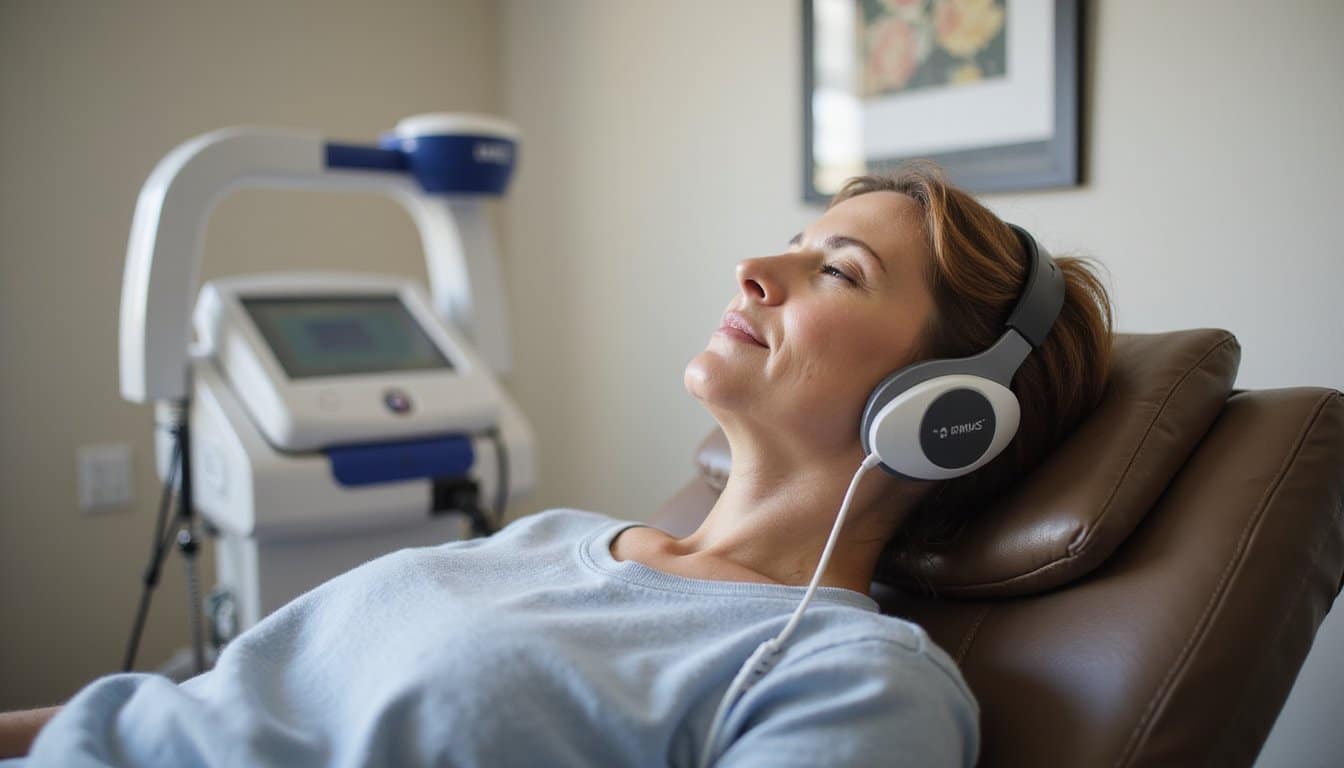


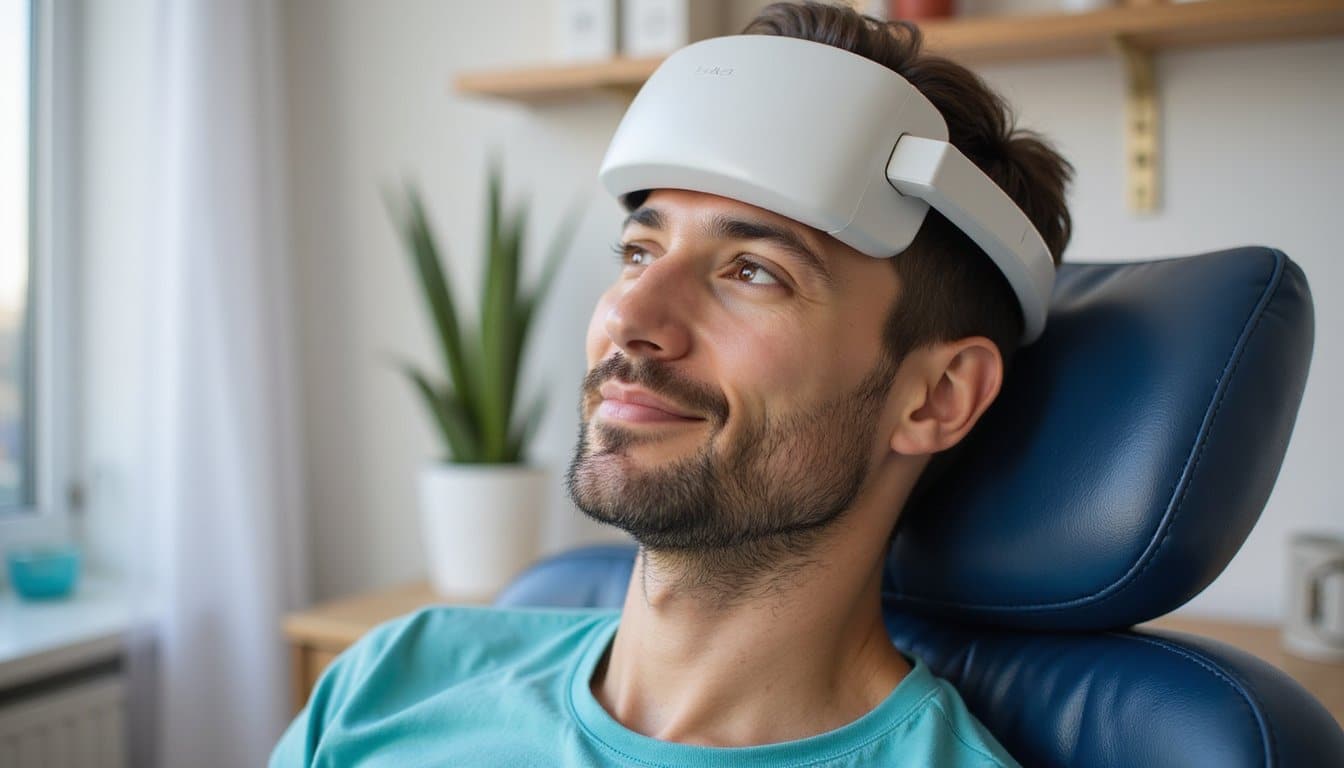

Outpatient rehab gives you structured addiction treatment, including therapy, counseling, and medication management, while you continue living at home. You’ll attend scheduled sessions that build real coping skills without stepping away from work, family, or daily responsibilities. Programs range from standard outpatient to partial hospitalization, matching intensity to your specific needs. With insurance, costs can drop considerably from the typical $2,000, $10,000 range. Understanding each level of care can help you find the right fit for lasting recovery.
What Is Outpatient Rehab?

Outpatient rehab is a form of addiction treatment that lets you receive extensive care while continuing to live at home. Instead of residing at a facility, you attend scheduled therapy sessions during the day or evening and return to your daily environment afterward.
Outpatient rehab for addiction provides evidence-based medical and behavioral health treatment without requiring a residential stay. You’ll access individual counseling, group therapy, and other structured services at clinics, hospitals, or counseling offices. Intensive outpatient programs typically require a minimum of 9 hours of treatment per week, while standard outpatient therapy may involve just one to two sessions. Understanding outpatient rehabilitation limitations for addiction is crucial for individuals seeking help. Many programs may have restrictions based on the severity of the addiction or the individual’s specific needs, which can impact the effectiveness of the treatment. It’s essential to communicate openly with healthcare providers to navigate these limitations and ensure the best possible outcome.
This approach works well if you’re medically stable and don’t need around-the-clock supervision. It also allows you to immediately apply the skills you’re learning in real-world settings, at home, work, or school, strengthening your recovery while maintaining your responsibilities and independence.
Who Benefits Most From Outpatient Rehab?
While outpatient rehab can support many people in recovery, it’s especially effective for certain individuals whose circumstances align well with this level of care.
| Who Benefits | Why It Works | Outpatient Recovery Support |
|---|---|---|
| Mild-to-moderate symptoms | Manageable without 24/7 supervision | Weekly therapy and structured coping tools |
| Strong support systems | Safe housing and family involvement enhance outcomes | Accountability through community connections |
| Transitioning from inpatient care | Reinforces coping strategies post-detox | Relapse prevention in real-world settings |
| Adults with responsibilities | Maintains employment, school, or parenting | Flexible scheduling around daily routines |
| Highly motivated individuals | Active engagement drives better results | Self-directed progress in stable environments |
If you’re managing responsibilities while seeking treatment, outpatient care lets you build recovery skills without stepping away from your life. Programs range in intensity from Intensive Outpatient Programs to less frequent sessions, allowing you to choose the level of care that best fits your needs.
What Are the Three Levels of Outpatient Rehab?

Knowing who benefits most from outpatient rehab is a helpful starting point, but understanding the specific levels of care can sharpen your decision even further. Outpatient rehab services in the USA follow three distinct levels based on intensity.
Understanding the three distinct levels of outpatient rehab helps you match treatment intensity to your specific recovery needs.
Level 1: Standard Outpatient**** requires no more than nine hours of weekly treatment. You’ll typically attend sessions two to three days per week while maintaining your daily routine.
Level 2.1: Intensive Outpatient** provides structured programming with increased clinical contact**, designed for more complex needs, including co-occurring disorders.
Level 2.5: Partial Hospitalization**** is the most rigorous option, requiring at least 20 hours weekly across five days. It includes individual, group, and family therapy alongside supplementary services like yoga and acupuncture.
Each level matches treatment intensity to your specific needs. Research consistently shows that longer treatment periods correlate with increased long-term recovery rates, making it important to commit fully to whichever level you and your provider choose.
What Happens During Outpatient Rehab Sessions?
During outpatient rehab sessions, you’ll engage in therapy and counseling that address your personal triggers, build coping strategies, and strengthen your support network through individual, group, and family formats. You’ll also practice recovery skills in real time, learning techniques you can apply immediately to manage cravings and high-risk situations in your daily life. If your treatment plan includes medication management, medical staff will monitor your progress and adjust medications to support your stability throughout recovery.
Therapy and Counseling Sessions
Outpatient rehab sessions are built around structured therapy and counseling designed to help you develop the skills needed for lasting recovery. Through outpatient therapy addiction treatment, you’ll engage in evidence-based interventions tailored to your unique challenges. Your counselor will assess physical, psychological, and social dimensions of your recovery to guide your treatment plan. Inpatient rehab for addiction recovery provides a more immersive environment where you can focus fully on healing. This comprehensive approach often includes medical oversight, group therapy, and holistic treatments to address underlying issues. By committing to inpatient care, you enhance your chances of sustained sobriety and long-term wellness.
| Therapy Type | What You’ll Experience |
|---|---|
| Individual Therapy | One-on-one counseling focused on your specific triggers and coping strategies |
| Group Therapy | Peer support where you’ll learn from shared recovery experiences |
| Family Therapy | Sessions addressing relationship dynamics that impact your recovery environment |
| 12-Step Fellowships | Participation in AA or NA meetings for community-based accountability |
| Holistic Treatments | Yoga, meditation, or art therapy supporting your overall mental well-being |
Skills Practice and Development
Beyond the therapy and counseling sessions that form the foundation of outpatient rehab, you’ll also build practical skills you can apply to everyday life. This includes time management, financial budgeting, meal planning, and job readiness training through resume building and mock interviews.
Outpatient recovery programs use a learn-apply-review cycle to reinforce these skills. You’ll learn a technique during a morning group session, practice it in your real-world environment that same day, then return to reflect on the experience. This approach helps you develop emotional regulation strategies drawn from CBT and DBT, stress management through mindfulness, and communication skills like boundary-setting and conflict resolution. Through workshops, role-playing exercises, and experiential activities, you’ll gain confidence in handling challenges while staying aligned with your personal recovery goals.
Medication Management Support
If your treatment plan includes medication, outpatient rehab provides structured support to manage it safely alongside your therapy sessions. Medication-Assisted Treatment (MAT) uses options like buprenorphine, methadone, or naltrexone to reduce cravings, suppress withdrawal symptoms, and help restore normal brain function.
In outpatient care substance abuse medications are carefully selected based on your specific diagnosis and recovery goals. Rather than 24/7 monitoring, you’ll attend scheduled medical check-ins where providers adjust dosages and assess your response. If you’re managing co-occurring mental health conditions, psychiatric medications can be integrated into your plan as well.
This approach blocks the euphoric effects of substances, breaking the reinforcement cycle that drives continued use. Combined with counseling, medication management strengthens your foundation for sustained recovery.
How Effective Is Outpatient Rehab vs. Inpatient?
How well does outpatient rehab work compared to inpatient treatment? Your success depends on several personal factors, including addiction severity, motivation, and support systems. Outpatient addiction treatment in the USA can be highly effective when matched to your specific needs.
| Factor | Outpatient | Inpatient |
|---|---|---|
| Completion Rates | 35%, 55% | 65%, 85% |
| Duration | 3, 12+ months | 30, 90 days |
| Best For | Mild to moderate cases | Severe addiction/dual diagnosis |
If you’re managing mild substance use, outpatient care lets you practice coping skills in real-world settings. For severe cases, inpatient stabilization followed by outpatient step-down often produces stronger outcomes. Your commitment to attending sessions remains one of the strongest predictors of long-term recovery.
What Does Outpatient Rehab Cost With Insurance?

What exactly will you pay for outpatient rehab when insurance enters the picture? Without coverage, outpatient rehab typically costs between $2,000 and $10,000. With insurance, your out-of-pocket expenses drop considerably based on your plan’s coverage level.
Here’s what you can expect:
- With 60% coverage, daily rates decrease by roughly 60%, for example, a $56.87 daily rate drops to about $22.75
- With 80% coverage, you’ll pay only a fraction of the total program cost
- Standard 90-day outpatient rehab programs average around $5,000 total before insurance adjustments
Your actual costs depend on whether your provider is in-network, your plan’s visit limits, and any required prior authorization. Before enrolling, verify your coverage details so you’re prepared and can focus fully on your recovery.
How to Choose the Right Outpatient Rehab Program
Choosing the right outpatient rehab program starts with honestly evaluating your treatment needs, including the severity of your addiction, any co-occurring mental health conditions, and your current living situation. You’ll also want to compare program intensity levels, from standard outpatient care to intensive outpatient programs, to find the structure that matches your recovery goals while fitting into your daily life. Finally, confirming your insurance coverage and understanding out-of-pocket costs guarantees you can sustain your commitment to treatment without unexpected financial barriers.
Assess Your Treatment Needs
Before exploring specific outpatient programs, it’s essential to honestly evaluate where you stand in your recovery journey. Consider the severity of your substance use, including how long you’ve been using and whether you’ve experienced previous relapses. Outpatient rehab works best when you’ve identified your specific needs through a thorough self-assessment.
Key factors to evaluate include:
- Addiction severity: Mild to moderate substance use disorders typically respond well to outpatient care, while severe cases may require initial intensive treatment.
- Co-occurring conditions: Depression, anxiety, or PTSD may demand dual diagnosis capabilities within your chosen program.
- Medical needs: Determine whether you’ll need supervised detox or medication management before beginning outpatient treatment.
A formal assessment from a healthcare provider can clarify the precise level of care you need.
Compare Program Intensity Levels
Once you’ve assessed your treatment needs, the next step is understanding the different intensity levels available in outpatient rehab. Each level offers a distinct structure designed to match your clinical needs.
Standard outpatient treatment involves fewer than nine hours per week, suitable for less severe cases or as step-down care. Intensive outpatient programs provide nine to twenty hours weekly across three to five sessions, offering a middle ground for moderately complex conditions. Partial hospitalization programs require twenty or more hours per week, delivering thorough daily treatment for severe substance use disorders and co-occurring mental health conditions.
When comparing options, consider your disorder’s severity, psychiatric needs, and available support systems. Longer duration of care consistently correlates with better outcomes, so choose the level you can sustain.
Verify Insurance and Costs
After comparing program intensity levels, you’ll want to confirm what your insurance covers and what costs you can expect. Start by gathering your insurance card details, including your policy number, group number, and member ID. Contact your provider directly or use their online portal to verify insurance and costs before committing to a program.
Key steps to verify insurance and costs:
- Confirm covered services: Ask specifically about outpatient therapy, intensive outpatient programs, and any deductible or copayment requirements.
- Check in-network status: Verify your chosen facility is in-network to minimize out-of-pocket expenses.
- Request pre-authorization: Determine whether your plan requires approval before treatment begins to avoid unexpected denials.
Most verification processes take one to three business days. Don’t let uncertainty about costs delay your recovery, admissions coordinators can help navigate this process.
Why Practicing Recovery Skills at Home Matters
While outpatient rehab provides structured therapy and guided support, the real work of recovery happens in the spaces where you live your daily life. Among addiction treatment options outpatient programs uniquely position you to apply coping skills in real time, practicing deep breathing, grounding techniques, and journaling when you’re calm so they become automatic during crisis moments. When considering criteria for outpatient rehab selection, it’s important to assess factors such as the program’s approach, the qualifications of the staff, and the availability of supportive resources. Each individual’s needs may differ, making personalized treatment plans essential for effective recovery. Engaging with peer support groups and integrating holistic practices can further enhance your therapeutic journey.
Your home environment directly shapes your recovery trajectory. Removing substances, reducing clutter, and creating designated spaces for meditation or therapy homework stabilize your mood and strengthen emotional resilience. Regular exercise, balanced nutrition, and consistent sleep routines release endorphins and support healing. When you pair these daily practices with supportive household boundaries, you’re building a sustainable foundation that extends far beyond scheduled sessions.
How You Move Between Outpatient Rehab Levels
Because recovery isn’t a straight line, outpatient rehab uses a structured continuum of care that lets you move between treatment levels as your needs change. You might step up from standard outpatient to intensive outpatient if you’re facing increased relapse risk or co-occurring mental health challenges. Conversely, you’ll step down when you’ve hit key milestones like sustained abstinence and consistent engagement.
Your treatment team matches your level based on individual assessment, not a one-size-fits-all formula. Flexible rehab programs outpatient options include:
- Standard outpatient (fewer than 9 hours weekly) for mild substance use disorders with low relapse risk
- Intensive outpatient (9, 20 hours weekly) accommodating work and family schedules
- Partial hospitalization (20+ hours weekly) bridging residential and outpatient care
Your circumstances guide every shift.
Help Is a Phone Call Away
Addiction is a complex challenge, but with the right level of care, lasting recovery is possible. At Villa Wellness Center, our Drug Addiction Treatment goes deeper, addressing the root causes of addiction with a personalized, comprehensive approach. Serving individuals in Sicklerville and surrounding areas, our compassionate team is ready when you are. Call (844) 609-3035 today and begin your journey to wellness.
Frequently Asked Questions
Can You Attend Outpatient Rehab if You Have No Stable Housing?
You can attend outpatient rehab without stable housing, but it may present challenges. Without a safe, consistent place to stay, maintaining your treatment schedule becomes harder. If you’re in this situation, you’ll want to explore housing support programs like Recovery Housing, sober living homes, or Permanent Supportive Housing, which can provide stability while you’re in treatment. Connecting with a case manager can help you access these resources alongside your outpatient care.
How Long Does a Typical Outpatient Rehab Program Last Overall?
A typical outpatient rehab program lasts 3 to 6 months, though your specific timeline depends on several factors. If you’re in an intensive outpatient program, you’ll likely attend for 8 to 12 weeks. Partial hospitalization programs run shorter at 3 to 4 weeks. Your addiction’s severity, co-occurring conditions, and personal progress all influence how long you’ll need treatment. Some situations may extend care up to a year.
Can Outpatient Rehab Treat Co-Occurring Mental Health Disorders Alongside Addiction?
Yes, outpatient rehab can treat co-occurring mental health disorders alongside addiction. Many programs use an integrated treatment approach, addressing both conditions simultaneously rather than separately. You’ll have access to evidence-based therapies like cognitive-behavioral therapy and dialectical behavioral therapy, along with medication management and clinical support. Research consistently shows you’re more likely to stay engaged and achieve better outcomes when your treatment plan addresses both conditions together.
What Happens if You Relapse While Enrolled in Outpatient Rehab?
If you relapse during outpatient rehab, your treatment team won’t view it as failure, they’ll treat it as valuable information. You’ll work together to identify what triggered the relapse and adjust your treatment plan accordingly. This might include increasing therapy sessions, incorporating evidence-based approaches like CBT or DBT, and strengthening your relapse prevention strategies. Your team will provide emotional support while developing personalized tools to help you build resilience moving forward.
Are Evening and Weekend Outpatient Rehab Sessions Commonly Available?
Yes, many treatment centers offer evening and weekend outpatient sessions to fit your schedule. These flexible options let you keep up with work, school, and family responsibilities while still receiving structured support. Standard outpatient programs typically run one to three times weekly, and intensive outpatient programs often include evening sessions three to five nights per week. This scheduling flexibility helps you stay engaged in treatment without disrupting your daily life.