


You can benefit from music therapy if you’re facing challenges at any stage of addiction recovery. Whether you’re managing intense cravings, struggling with anxiety and depression, or experiencing discomfort during detox, research shows music therapy produces measurable improvements when combined with standard care. It’s also effective if you’re working to rebuild self-esteem or strengthen social connections. Below, you’ll discover how each of these benefits supports your recovery journey. You can benefit from music therapy if you’re facing challenges at any stage of addiction recovery. Whether you’re managing intense cravings, struggling with anxiety and depression, or experiencing discomfort during detox, research shows music therapy produces measurable improvements when combined with standard care. Music therapy for emotional regulation is particularly valuable in this process, as it helps stabilize mood and reduce distress. It’s also effective if you’re working to rebuild self-esteem or strengthen social connections. Below, you’ll discover how each of these benefits supports your recovery journey.
Music Therapy for Stress, Anxiety, and Depression
Music therapy offers a promising approach for managing stress, anxiety, and depression during addiction recovery, though the evidence remains mixed. Systematic reviews indicate a measurable effect size of 0.74 for managing these symptoms when you pair music therapy with standard care. However, Cochrane review findings show no clear evidence of effect on depressive symptoms or anxiety in detoxification settings.
Your brain chemistry responds to musical engagement through dopamine and addiction recovery pathways. Music therapy stimulates dopamine release, counteracting substance-related imbalances while lowering cortisol levels. This provides valuable addiction mental health support by increasing natural endorphins for emotional regulation.
When you’re experiencing cravings, music therapy for cravings can ease anxiety through activities like drumming, which relaxes both body and mind. Research shows that sessions lasting longer than one session are associated with greater reductions in substance craving compared to single-session interventions.
How Music Therapy Fights Cravings and Triggers
When cravings hit during recovery, music therapy offers a promising tool to help you manage these intense urges. Research shows that music therapy in addiction treatment, when combined with standard care, produces a medium effect on reducing substance cravings. Multi-session interventions lasting one to three months demonstrate the greatest benefits.
Music therapy substance use treatment works through specific neural mechanisms. Music activates the same brain regions involved in reward processing and emotion regulation that addiction hijacks. By evoking emotionally charged memories in a therapeutic setting, music helps you update how your brain processes addiction-related triggers without intensifying cravings. Music therapy substance use treatment works through specific neural mechanisms. If you’re wondering does music help with addiction, the answer lies in how music activates the same brain regions involved in reward processing and emotion regulation that addiction hijacks. By evoking emotionally charged memories in a therapeutic setting, music helps you update how your brain processes addiction-related triggers without intensifying cravings.
This approach recalibrates your emotional response to memories that once drove substance use. Over time, you’ll establish new positive behavioral patterns that serve as healthier alternatives when triggers arise. Research also indicates a small-to-medium effect favoring music therapy for motivation for treatment/change, helping you stay committed to your recovery journey.
Easing Pain and Discomfort During Detox
Beyond managing cravings, detoxification presents its own physical challenges that music therapy can help address. During withdrawal, you may experience significant discomfort as your body adjusts to functioning without substances. Music therapy rehab programs offer a non-pharmacological approach that activates your brain’s natural pain-relief systems.
Research demonstrates music therapy’s effectiveness through several mechanisms:
- Stimulates endorphin release, binding to opioid receptors and reducing pain perception naturally
- Activates dopamine pathways in the nucleus accumbens, linked to 21% reduction in reported pain intensity
- Decreases sympathetic nervous system activity, lowering heart rate and muscle tension
- Supports shift from higher to lower opioid doses through endogenous opioid stimulation
Clinical evidence shows postoperative patients receiving music therapy required less analgesic medication, findings directly applicable to detox settings where minimizing pharmaceutical intervention supports recovery. Studies have shown that listening to music at different stages of treatment can decrease anxiety and positively influence how patients perceive their pain levels.
Rebuilding Self-Esteem and Confidence Through Music
Addiction often erodes your sense of self-worth, leaving you disconnected from the person you were before substance use took hold. Music therapy for addiction recovery helps restore feelings of competence and agency through structured musical engagement. When you create music or participate in group activities, you demonstrate your ability to communicate and connect with emotions through sound.
Mastery experiences in musical activities build foundational confidence that supports sustained recovery. Performance opportunities strengthen self-esteem by showcasing your demonstrated abilities. Research shows music therapy reduces anxiety and depression symptoms by 30-40%, directly addressing factors that contribute to low self-worth.
Through songwriting and improvisation, you develop a new, sober identity while reconnecting with your sense of purpose. This positive identity formation creates a hopeful outlook essential for long-term healing.
Improving Communication and Social Connection
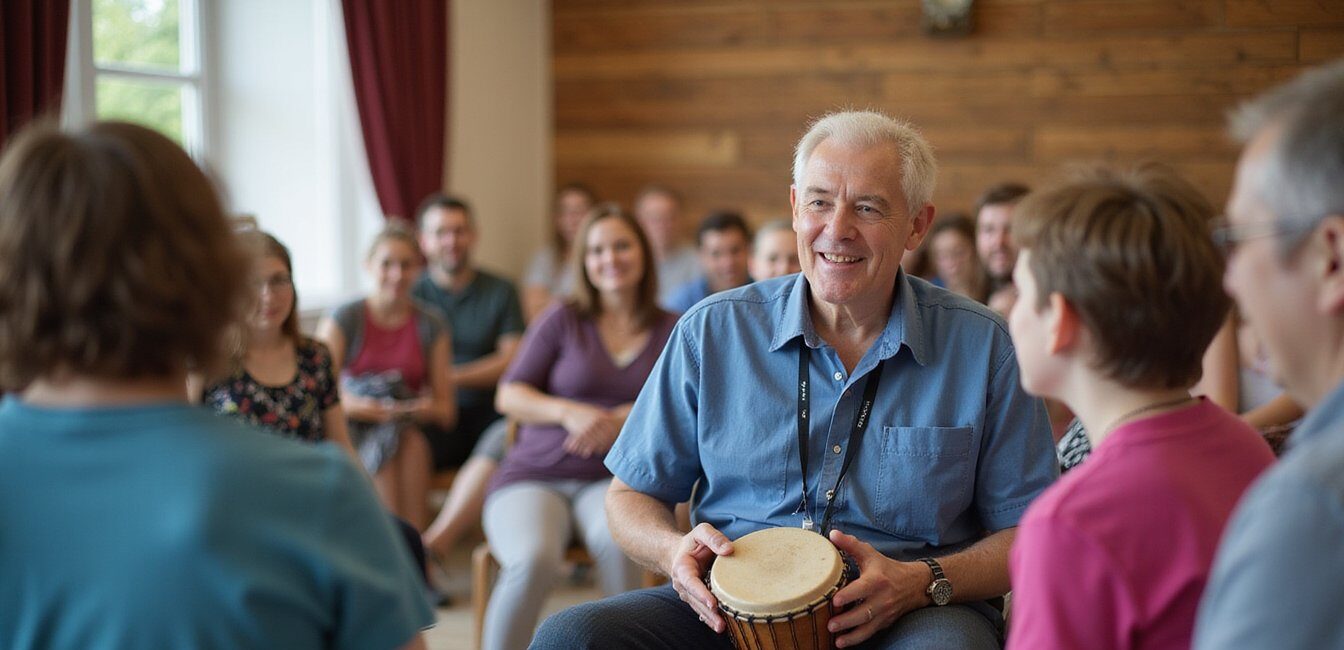
Because addiction often damages relationships and erodes trust, rebuilding your ability to connect with others becomes an essential part of recovery. Group therapy music sessions offer a structured environment where you can practice communication skills while reducing the isolation that often triggers relapse.
Music therapy strengthens social connection through:
- Non-verbal expression channels that allow you to communicate difficult emotions without relying solely on words
- Collaborative music-making activities that teach active listening, empathy, and cooperation
- Shared creative experiences that foster bonds and build supportive peer networks
- Safe opportunities to challenge maladaptive interpersonal patterns while developing healthier ways of relating
Through these experiences, you’ll enhance both verbal and non-verbal communication skills applicable beyond treatment. The sense of belonging cultivated in sessions can motivate continued engagement with recovery communities.
Feeling Joy and Positive Emotions Without Substances
One of the most persistent fears in early recovery is that sobriety means giving up pleasure entirely, but music therapy directly challenges this myth. Through addiction recovery therapy, you can discover new sources of joy and fulfillment that don’t rely on substances.
Music naturally stimulates your brain’s reward pathways, boosting positive emotions and uplifting your spirits. Whether you’re engaged in improvisational drumming, songwriting, or simply listening to meaningful songs, these activities increase feelings of happiness and relaxation. Research shows music evokes genuine emotional change, reducing guilt and regret while creating moments of authentic joy.
Music therapy also soothes inner turmoil, freeing your mind to experience comfort and contentment. By participating in structured musical engagement, you’re building sustainable ways to feel good, proving that a fulfilling, joyful life in recovery is absolutely possible. Music therapy also soothes inner turmoil, freeing your mind to experience comfort and contentment. Understanding what is music therapy highlights how structured musical engagement helps you build sustainable ways to feel good proving that a fulfilling, joyful life in recovery is absolutely possible.
Music therapy in addiction recovery can benefit anyone struggling with substance use, emotional trauma, or co-occurring mental health conditions. At Villa Wellness Center, our music therapy, dual diagnosis treatment, and individual therapy programs are designed to support your recovery at every stage. Call (844) 609-3035 today and take the first step toward a healthier life.
Frequently Asked Questions
Do I Need Musical Experience or Talent to Benefit From Music Therapy?
No, you don’t need any musical experience or talent to benefit from music therapy. Licensed music therapists design sessions specifically for beginners, using accessible activities like listening, drumming, song analysis, and improvisation. Research shows you’ll achieve therapeutic benefits through simple engagement, not performance skill. The focus isn’t on creating perfect music, it’s on helping you express emotions, develop healthy coping skills, and support your recovery journey regardless of your musical background.
How Long Does It Typically Take to See Results From Music Therapy?
You may notice some benefits within the first few sessions, though research shows the most meaningful results typically emerge after consistent engagement over one to three months. Studies indicate that longer-term participation leads to greater reductions in cravings, improved motivation, and better treatment completion rates. Like most therapeutic approaches, music therapy works best when you commit to the process over time rather than expecting immediate transformation.
Can Music Therapy Be Done Virtually or Does It Require In-Person Sessions?
You can participate in music therapy both virtually and in-person, research supports both formats for addiction recovery. Virtual sessions deliver comparable anxiety-reducing effects and maintain emotional regulation benefits through online group activities like drumming or songwriting. In-person sessions offer hands-on instrument use and stronger group dynamics. Many treatment programs now use hybrid models, combining in-person support during early recovery with virtual sessions for ongoing care, maximizing accessibility and therapeutic outcomes.
Is Music Therapy Covered by Insurance for Addiction Treatment Programs?
Insurance coverage for music therapy in addiction treatment varies by plan and provider. Some plans cover it under behavioral health benefits, while others require the therapist to hold a mental health license. You’ll want to review your plan documents or contact your insurer directly to confirm coverage. Many Canadian rehabs, like 1000 Islands or Homewood Health Centre, offer intake processes that help verify your specific benefits.
What Instruments Are Most Commonly Used in Addiction Recovery Music Therapy Sessions?
In addiction recovery music therapy, you’ll commonly encounter guitars, drums, keyboards, and hand percussion instruments. Therapists often use guitars for their versatility and emotional range, while djembe drums and drum circles help you release tension and build community connection. Keyboards support complex emotional processing, and accessible instruments like tambourines and shakers allow you to participate regardless of musical experience. These instruments stimulate healthy dopamine pathways while supporting your emotional expression throughout recovery.