







Music therapy offers you real, measurable relief for stress, anxiety, and depression. Sessions actively lower cortisol levels while stimulating dopamine release, the same neurotransmitter that’s often depleted when you’re feeling hopeless. Research shows group music therapy achieves impressive results for depression, while anxiety symptoms decrease through neural and cardiac changes. Unlike medication, there are no serious side effects. Understanding how these benefits work can help you decide if music therapy fits your healing journey. Music therapy offers you real, measurable relief for stress, anxiety, and depression. Understanding what is music therapy definition helps clarify why sessions actively lower cortisol levels while stimulating dopamine release the same neurotransmitter that’s often depleted when you’re feeling hopeless. Research shows group music therapy achieves impressive results for depression, while anxiety symptoms decrease through neural and cardiac changes. Unlike medication, there are no serious side effects. Understanding how these benefits work can help you decide if music therapy fits your healing journey.
What Happens in a Music Therapy Session?

The closing or wrap-up provides essential closure through goodbye songs and verbal processing. Throughout, structural elements like tempo, rhythm, and space organization support emotional regulation. Research identifies general stages of a music therapy session, including focus of attention, regulation of interest-arousal level, dialogue, and conclusions. Your therapist adjusts these components in real-time, individualizing the experience based on your unique strengths and needs.
How Music Therapy Reduces Stress and Cortisol Levels
Several clinical studies show that music therapy produces measurable reductions in cortisol, your body’s primary stress hormone. Research demonstrates that music stimulates your hypothalamus and pituitary gland to release endorphins, creating a natural buffer against stress. In one study, a single 60-minute session considerably reduced salivary cortisol levels in individuals recovering from chemical dependence.
Music therapy effectiveness extends across various settings. During surgical procedures, patients listening to music showed lower cortisol levels and reduced sedative requirements. Six-week programs kept cortisol stable in therapy groups while control groups experienced notable increases. In pediatric oncology settings, children with leukaemia undergoing IV-line insertions showed a median cortisol reduction from 4.14 to 3.47 ng/ml after receiving music therapy intervention. Whether you’re seeking stress relief music therapy, music therapy for anxiety, or music therapy for depression, the evidence supports music’s capacity to regulate your physiological stress response and strengthen emotional resilience.
Why Music Therapy Works Better for Depression Than Expected

When you engage with music, your brain releases dopamine, the same neurotransmitter that’s often depleted in depression, which can help counteract feelings of hopelessness and emotional numbness. Research shows that group music therapy achieves an impressive effect size (SMD = −1.18), likely because shared musical experiences create connection and reduce the isolation that deepens depressive symptoms. You’re not just listening to pleasant sounds; you’re actively rewiring your brain’s reward pathways while building meaningful bonds with others. This substantial body of evidence draws from 55 randomized controlled trials conducted across America, Europe, Asia, and Australia, demonstrating the global recognition of music therapy’s therapeutic potential.
Dopamine Release Combats Hopelessness
Because depression often strips away the ability to feel pleasure or imagine a hopeful future, dopamine dysfunction lies at the heart of why getting motivated feels impossible. Your brain’s reward system fundamentally goes quiet, leaving you stuck in cycles of hopelessness and inertia.
Mental health music therapy directly targets this dysfunction. When you engage with music, your brain releases dopamine in the nucleus accumbens, the same reward pathway that antidepressants aim to activate. This creates genuine pleasure signals that counter anhedonia’s grip.
Active participation amplifies these effects. Singing or playing instruments produces stronger neurochemical responses than passive listening alone. Over time, your brain builds lasting associations between musical engagement and reward, gradually restoring motivation. Regular exposure accumulates measurable benefits, offering you a sustainable, side-effect-free pathway to combat depression’s motivational collapse.
Group Sessions Amplify Results
Practicing music therapy in a group setting produces dramatically stronger antidepressant effects than you might expect. Research reveals that group-based music therapy achieves an impressive effect size of −1.18 for depression reduction, outperforming individual sessions. You’re not just learning coping skills, you’re building connections that reinforce healing.
Why group sessions enhance music therapy mental health benefits:
- Social bonding during shared musical experiences reduces isolation and hopelessness
- Sessions lasting over 60 minutes correlate with better outcomes
- Medium frequency (fewer than three times weekly) amplifies therapeutic effects
- Short-to-medium durations (1, 12 sessions) outperform longer interventions
College students facing academic pressure show particularly strong responses, with effect sizes reaching −1.19. Group improvisational music therapy delivers the most powerful results, helping you process emotions while feeling genuinely supported.
How Music Therapy Calms Anxiety According to Research
Research consistently shows that music therapy reduces anxiety across diverse populations and settings. When you engage in structured musical activities, you’re activating neural and cardiac mechanisms that directly target anxiety symptoms. Studies demonstrate that music therapy for stress works by increasing autonomic nervous system activity and altering consciousness patterns. Research consistently shows that music therapy reduces anxiety across diverse populations and settings. If you’re wondering does music therapy help with mental health, evidence suggests that when you engage in structured musical activities, you activate neural and cardiac mechanisms that directly target anxiety symptoms. Studies demonstrate that music therapy for stress works by increasing autonomic nervous system activity and altering consciousness patterns.
| Population | Effect Size | Key Finding |
|---|---|---|
| College Students | SMD = -1.54 | Significant anxiety reduction |
| Adults 60+ | SMD = -0.45 | Positive therapeutic effects |
| General Adults | SMD = -0.36 | Meaningful symptom improvement |
Combined active-passive approaches yield the strongest results. You’ll find that both receptive listening and participatory music-making contribute to anxiety relief. These interventions offer you a low-cost, flexible option for managing anxiety symptoms effectively. Combined active-passive approaches yield the strongest results. Understanding the types of music therapy approaches shows how both receptive listening and participatory music-making contribute to anxiety relief. These interventions offer you a low-cost, flexible option for managing anxiety symptoms effectively.
How Music Therapy Compares to Medication and Talk Therapy
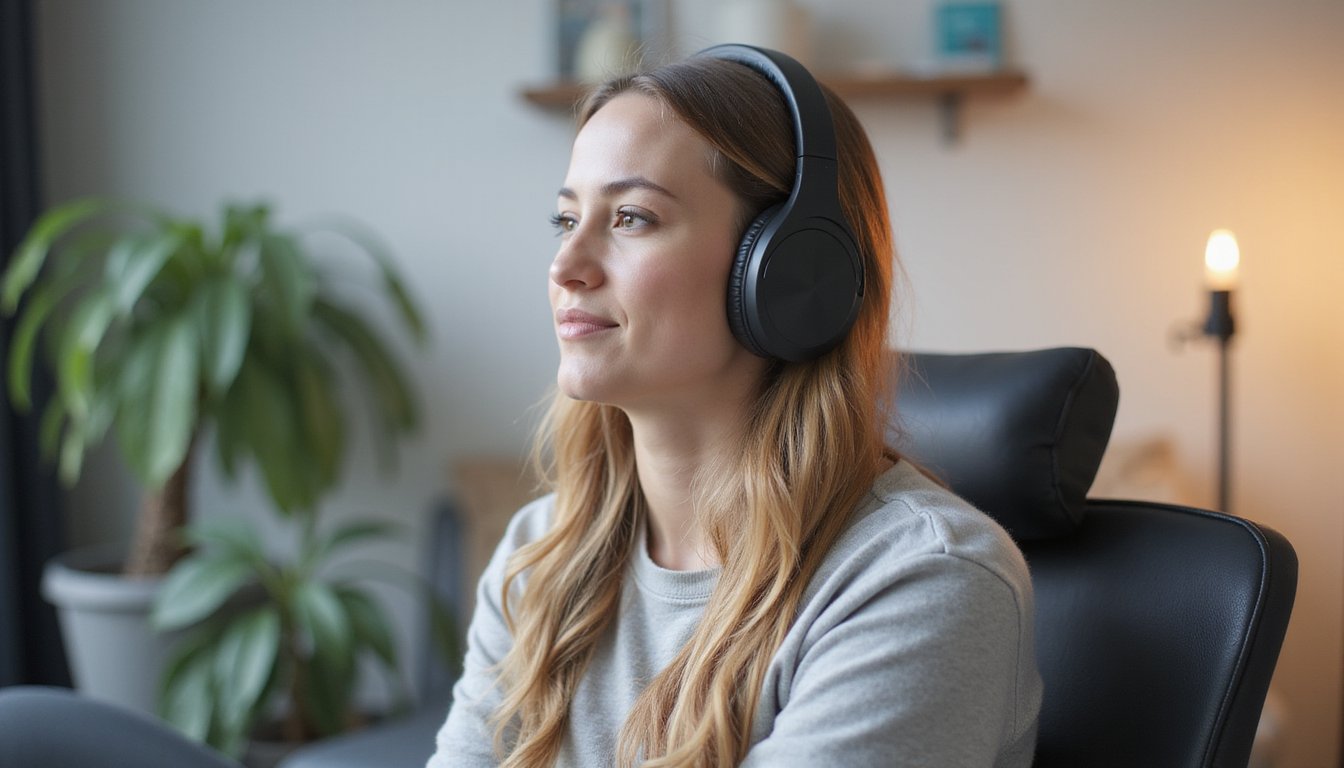
When you’re weighing treatment options for depression, music therapy holds its own against traditional approaches, and often exceeds them. Research reveals the therapeutic benefits of music extend beyond what many expect, showing measurable advantages over conventional treatments.
Key findings on the benefits of music therapy:
- Music therapy demonstrates stronger effects than pharmacotherapy alone, with significant reductions in depressive symptoms across various depression types.
- Individual-based sessions show notable improvements compared to psychotherapy controls.
- Combined with standard treatment, music therapy outperforms medication-only or therapy-only approaches.
- Unlike pharmaceuticals, music therapy carries no serious side effects while remaining accessible and enjoyable.
You don’t have to choose one path exclusively. Music therapy can complement your existing treatment plan, potentially enhancing outcomes while offering a gentler, more engaging healing experience.
How to Find a Music Therapist and Get Started
Finding the right music therapist marks a significant step in your healing journey, and knowing where to look makes the process much easier. Start by exploring the American Music Therapy Association’s directory or Psychology Today’s listings, which feature board-certified therapists (MT-BC) with credentials you can verify through CBMT.
When considering how music helps anxiety, look for therapists specializing in stress and emotional regulation. Many platforms like Zencare offer introductory videos and free initial calls, helping you find the right fit. For depression music therapy, UCLA Health and CSUN’s Music Therapy Wellness Clinic provide evidence-based sessions tailored to your needs.
You’ll answer matching questions, select a therapist, and book sessions involving active music creation or listening. Online options expand accessibility if in-person visits aren’t feasible.
Your Journey to Wellness Starts Now
Frequently Asked Questions
Can Music Therapy Help Prevent Relapse in Addiction Recovery?
Yes, music therapy can help you prevent relapse in addiction recovery. It provides healthy ways to manage cravings, process difficult emotions, and cope with triggers like stress, boredom, and loneliness, common relapse precursors. Research shows that listening to music associated with sobriety actually decreases cravings. You’ll also develop emotional resilience and discover new sources of joy, reinforcing that recovery doesn’t mean sacrificing pleasure. These skills strengthen your ability to maintain long-term sobriety.
Does Music Therapy Work Better in Group or Individual Settings?
Both settings offer you valuable benefits, and research shows comparable outcomes for reducing stress and negative coping strategies. Group therapy provides cost-effectiveness, peer support, and strong psychological health improvements. Individual sessions let therapists tailor interventions to your specific needs, especially helpful if you’re managing trauma, sensory sensitivities, or severe anxiety. Many people start individually to build trust, then move to groups for broader social engagement. Your therapist can recommend what’s best for your situation.
Are the Benefits of Music Therapy Different Across Cultures?
Yes, the benefits of music therapy can vary across cultures. While physiological benefits like reduced cortisol and heart rate appear universal, emotional and psychological outcomes depend heavily on culturally meaningful music. You’ll likely experience stronger connections to identity and deeper emotional responses when therapy incorporates music from your cultural background. Research shows culturally congruent music enhances self-identity and inclusion, making it essential that your therapist considers your unique cultural preferences.
How Long Do the Mental Health Benefits of Music Therapy Last?
Research shows you’ll experience immediate benefits, like reduced cortisol, lower heart rate, and decreased anxiety, right after music therapy sessions. Eight-week programs demonstrate significant improvements in emotional resilience and well-being. However, scientists haven’t yet confirmed how long these benefits last beyond that timeframe. Current evidence strongly supports short-term gains, but longitudinal studies are still needed to understand sustained effects. Regular, ongoing engagement with music therapy likely helps you maintain these mental health benefits over time.
Is Live Music More Effective Than Recorded Music for Reducing Anxiety?
Yes, live music generally reduces anxiety more effectively than recorded music. Research shows live performances stimulate your brain’s emotional centers more strongly, creating deeper connections between what you hear and how you feel. You’ll experience greater synchronization between the music and your emotional responses during live sessions. However, recorded music still offers meaningful benefits, it reached statistical significance for anxiety reduction in some studies and provides consistent, accessible support between sessions.