



A standard TMS session takes 19 to 30 minutes, though newer devices can complete treatment in as few as 3.5 minutes. You’ll typically need 20 to 36 sessions, scheduled five days a week over four to six weeks. Most clinics plan around 30 sessions as a baseline. About 50% of patients experience meaningful symptom reduction by course completion. Several key factors can influence your specific timeline and expected results.
How Long Does Each TMS Session Take?
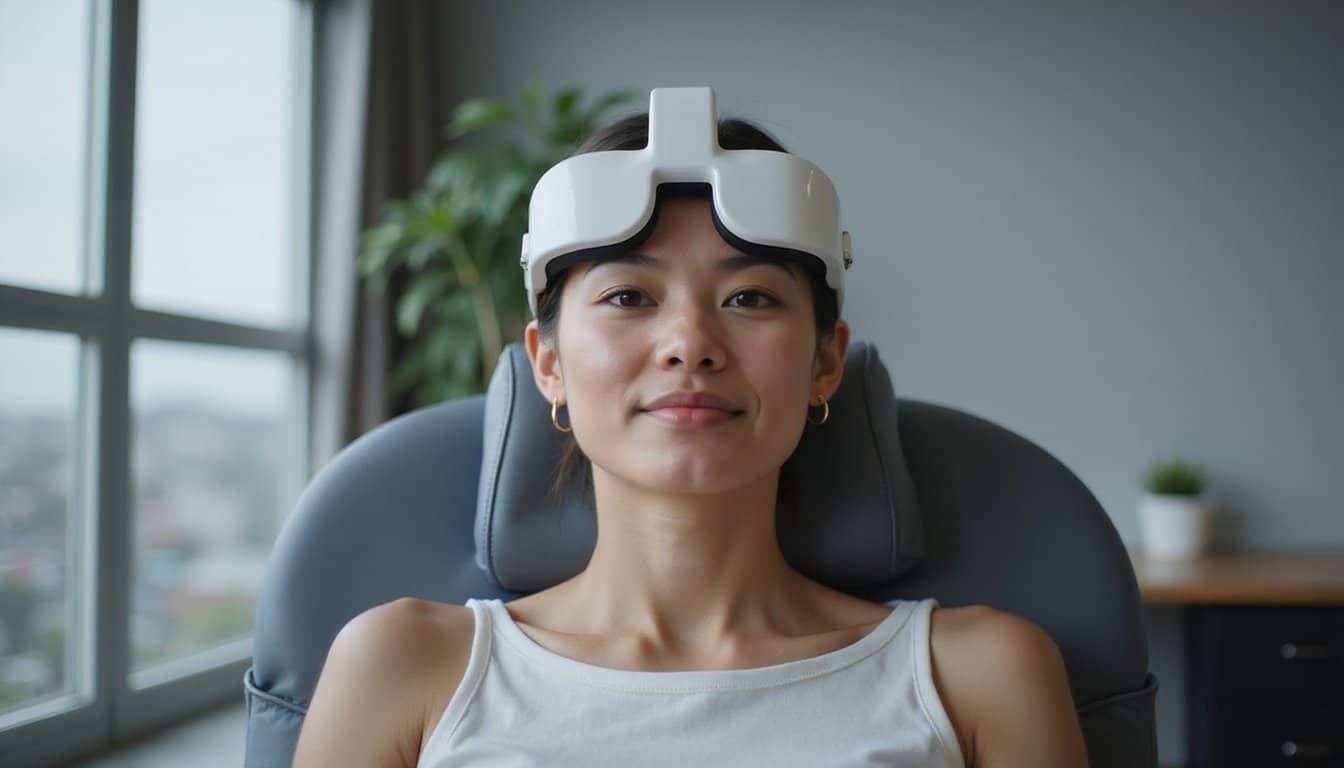
Most standard TMS sessions last about 19 to 30 minutes, though the exact duration depends on the protocol, device, and treatment target. Some devices complete a session in as few as 3.5 minutes, while older stimulation patterns may run up to 40 minutes. Your first appointment will likely take longer due to initial setup and assessment.
How long does TMS take on a daily basis? Short enough that you can return to normal activities immediately afterward. You’ll remain awake throughout the procedure, which is performed outpatient without anesthesia. Accelerated protocols shorten individual sessions to roughly 3 to 10 minutes but deliver multiple rounds per day, sometimes including 10 sessions per day using intermittent theta-burst stimulation to condense treatment into a single week. Your provider will confirm the expected session length based on your specific treatment plan.
How Many TMS Sessions Will You Need?
A standard TMS course for depression typically requires 20 to 36 sessions, delivered five days a week over four to six weeks. Most clinics plan around 30 sessions as the baseline, though your clinician adjusts the total based on protocol, symptom severity, and your response speed.
| Protocol | Typical Sessions |
|---|---|
| Standard rTMS | 20, 30 over 4, 6 weeks |
| Deep TMS (with continuation) | Up to 36 over 8, 12 weeks |
When considering how many TMS sessions you’ll need, expect your provider to evaluate progress around session 20 and extend treatment if benefit is still building. Accelerated protocols compress the timeline but may involve 50 sessions across five days. Your plan is individualized after initial evaluation. After completing a standard course, over 60% of patients experience significant symptom relief, with many remaining depression-free for extended periods.
What Does a Typical TMS Schedule Look Like?

Because TMS works through cumulative stimulation, clinics schedule sessions five days a week, Monday through Friday across a four-to-six-week acute course. Each visit lasts roughly 19 to 40 minutes depending on the protocol, and you’ll leave immediately afterward with no recovery downtime.
A standard tms treatment schedule follows this pattern:
- Daily weekday sessions, one appointment per day, typically at the same time to maintain consistency.
- Fixed course length, 20 to 36 total sessions delivered across consecutive weeks.
- Gradual taper, some protocols reduce frequency near the end of the course before stopping.
Your provider sets the precise cadence after your initial evaluation. Accelerated options compressing treatment into one to two weeks with multiple daily sessions are available at select clinics. This structured frequency is designed to build positive momentum in the brain, ensuring that each session reinforces the neurological changes initiated by the previous one.
What Factors Can Change Your TMS Timeline?
While the standard TMS course follows a predictable schedule, several factors can shift how long your treatment actually takes to produce results.
| Factor | Impact on Timeline |
|---|---|
| Baseline severity | Mild-to-moderate depression predicts faster response; higher treatment resistance lengthens the path to benefit |
| Protocol intensity | More pulses per session and consistent sessions per week improve cumulative effect |
| Treatment consistency | Missed sessions interrupt stimulation buildup and delay noticeable improvement |
| Patient-specific biology | Individual neurobiological differences determine how quickly you respond; early improvement strongly predicts overall outcome |
Your clinical history also matters. Prior TMS response, concurrent antidepressant use, and the specific brain region targeted all influence your timeline. Your provider will adjust session count based on how your symptoms track week to week.
When Will You Start Feeling Results From TMS?

Early improvements tend to emerge gradually rather than all at once. You may notice shifts before mood itself fully lifts:
- Weeks 1, 2: Subtle changes like improved sleep, slightly better energy, or reduced emotional reactivity after roughly 5 to 10 sessions.
- Weeks 3, 4: More noticeable mood improvement typically appears after 15 to 20 sessions.
- Weeks 5, 6: Substantial relief often consolidates near the end of the course, around sessions 20 to 36.
Roughly 50% of patients report meaningful symptom reduction by course completion, with about one-third achieving full remission.
Call Today and Explore Advanced Treatment Options
If you’re looking for effective care beyond traditional medication or talk therapy, modern treatment can make a powerful difference. At Villa Wellness Center in Sicklerville, NJ, our caring professionals deliver dependable TMS Therapy designed to support every step of your healing. Call +1 (844) 609-3035 today and begin a healthier chapter in your life.
Frequently Asked Questions
Can You Take Breaks During a TMS Course and Resume Later?
You can resume TMS after a break, but standard protocols are designed as continuous weekday sessions for a reason, consistency supports the best outcomes. If you need to pause, your provider will adjust your remaining session count and timeline accordingly. There’s no universal rule for mid-course interruptions, so you shouldn’t skip sessions informally. Always coordinate any changes directly with your clinician to protect your treatment progress.
What Happens if You Miss a Scheduled TMS Session?
Missing a single session won’t derail your treatment, but it can delay your overall timeline. TMS protocols depend on consistent, repeated stimulation, so gaps, especially during the acute phase, can reduce that consistency. Most clinics will reschedule your missed visit to the next available day or add a session at the end of your course. If you anticipate absences, let your provider know so they can adjust your plan accordingly.
Does TMS Require Someone to Drive You Home Afterward?
No, you don’t need someone to drive you home after TMS. The treatment doesn’t require anesthesia or sedation, so you can safely drive yourself and return to your normal routine immediately. You may experience mild, short-lived side effects like headache, scalp discomfort, or lightheadedness, but these typically don’t prevent driving. Most clinics describe each appointment as a quick in-and-out visit with no downtime afterward.
Will You Need Repeat TMS Courses in Future Years?
Not necessarily. Many people complete one course and maintain their improvement for months or even years, research suggests about 62% of those who reach remission remain symptom-free after one year. If symptoms return, your provider may recommend a repeat course or periodic maintenance sessions. There’s no fixed annual schedule; repeat treatment is individualized, guided by your symptom pattern, response history, and clinical reassessment rather than a predetermined timetable.
Can TMS Sessions Be Done on Weekends if Needed?
Most TMS protocols run Monday through Friday, so weekends aren’t part of the standard schedule. However, some clinics do offer weekend appointments to accommodate your needs, it depends entirely on the center’s availability. If you require weekend sessions, you’ll need to coordinate directly with your provider. The key is maintaining consistent, regular treatment sessions, since the evidence-based model relies on consecutive weekday dosing for ideal results.