







You’re a good candidate for TMS therapy if you’ve tried at least two antidepressants without sufficient relief, a condition known as treatment-resistant depression. TMS works best when standard medications haven’t delivered results or have caused intolerable side effects. You’ll also need to be free of metal implants near the head and have no active seizure disorder. Response rates range from 50% to 60%, with remission rates around 30% to 40%. Understanding the full eligibility criteria can help you determine your best next step.
What TMS Therapy Treats Best
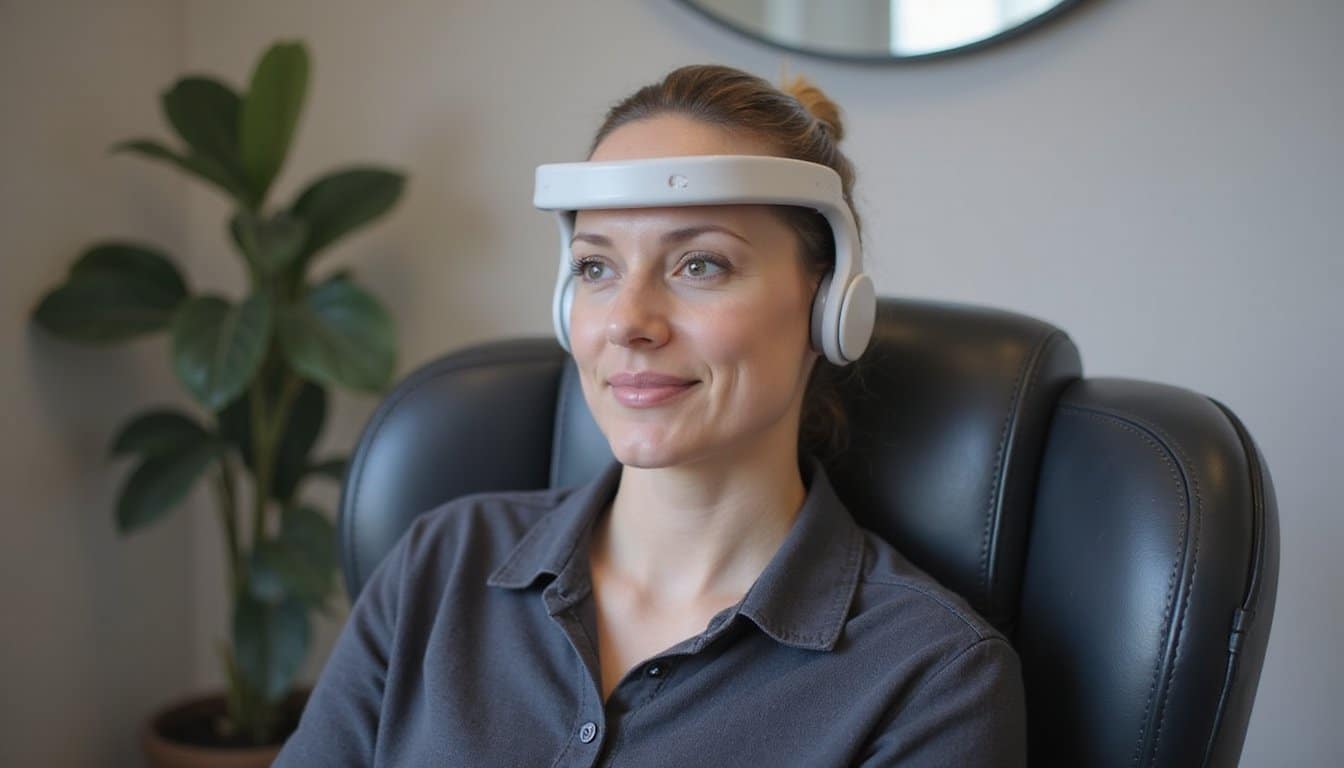
TMS therapy works best for treatment-resistant depression, the condition it was originally FDA-approved to treat and the one with the strongest evidence behind it. Response rates reach 50% to 60%, with remission rates around 30% to 40%. If you’ve tried multiple antidepressants without adequate relief, you’re likely a good candidate for TMS.
TMS eligibility extends beyond depression. The FDA has also approved it for OCD when standard treatments fall short. Yale Medicine highlights its effectiveness for severe depression with suicidal ideation, psychotic depression, and catatonia.
If you can’t tolerate medication side effects, TMS offers a non-pharmacological path that requires no anesthesia or sedation. TMS can also be combined with antidepressants or behavioral therapy to enhance overall treatment effectiveness. Additional research continues for anxiety, PTSD, migraines, and smoking cessation, though evidence remains less established.
The #1 Sign You’re a Good Candidate for TMS
If you’ve tried at least one antidepressant at the right dose and duration without adequate relief, that’s the clearest sign you’re a good candidate for TMS. This pattern, known as treatment resistance, is the defining factor most clinicians and insurers look for when considering TMS referral.
Treatment resistance typically means inadequate response after two or more antidepressant trials during your current episode of major depressive disorder. Documentation of these failed trials often determines whether you qualify for coverage.
A formal TMS evaluation confirms whether your history meets this threshold. Your provider reviews past medications, dosages, duration, and symptom response to build a clear picture. If standard care hasn’t worked despite genuine effort, TMS offers a targeted, evidence-based next step worth exploring. Once treatment begins, approximately 30, 40% may achieve remission of depressive symptoms by weeks four through six of the standard protocol.
When Medication Side Effects Make TMS a Better Fit

Not every candidate for TMS arrives there because medication didn’t work, some arrive because the side effects made staying on medication impossible. If you’ve tried antidepressants but couldn’t tolerate the cognitive fog, weight changes, or other systemic effects, TMS offers a noninvasive alternative without whole-body drug exposure.
Understanding who qualifies for TMS starts with your treatment history. Candidates typically have at least one unsuccessful medication trial, whether due to poor response or intolerable adverse effects. TMS targets brain circuits directly, bypassing the systemic side-effect patterns that make antidepressants difficult to maintain.
Your provider will also confirm you don’t have metal implants near the head, which is a key safety requirement. A thorough evaluation determines whether TMS fits your specific clinical picture and treatment goals. Y
Who Should Not Get TMS Therapy?
While TMS is safe for most candidates, certain medical and psychiatric factors can rule it out. Your provider will screen for specific contraindications before clearing you for treatment.
- Metal implants near the head, including aneurysm clips, deep brain stimulators, or metallic fragments within 12 inches of the coil site, pose serious safety risks and are absolute exclusions.
- Active seizure disorders or epilepsy considerably increase the chance of triggering a seizure during stimulation, making TMS unsafe.
- Unstable psychiatric conditions, such as untreated mania or active psychosis, require stabilization before you can begin TMS.
Pregnancy and nursing are also relative contraindications due to limited safety data. If any of these apply to you, a thorough evaluation will determine whether alternative options are more appropriate.
Age and Health Requirements for TMS

Most TMS programs treat adults 18 and older, though FDA-cleared pathways now extend access to adolescents as young as 15 for depression. Your overall medical stability matters as much as your age, providers evaluate your health history, including any seizure risk or implants near the head, before clearing you for treatment. If you’re an older adult in good general health, age alone won’t disqualify you.
Adult Age Eligibility
- Adults over 65 can still qualify, with reported outcomes comparable to younger age groups
- Age is evaluated case by case alongside diagnosis, treatment history, and neurologic risk factors
- The typical eligible range spans 18 to 70, though clinics may extend beyond this based on individual assessment
Your provider will weigh your medical history, current symptoms, and past treatment responses to determine whether TMS is appropriate. Age informs the conversation but doesn’t define it.
Medical Stability Matters
Beyond age, your overall medical stability plays a direct role in whether TMS is right for you. Because treatment typically spans about six weeks of daily weekday sessions, you need enough physical and psychiatric stability to complete outpatient visits without acute medical interruption.
Your provider will confirm you have a documented diagnosis, most commonly treatment-resistant depression, and review whether you’ve tried at least one antidepressant without adequate relief or couldn’t tolerate its side effects. CMS and most insurers require this documented history before approving TMS.
TMS is noninvasive and doesn’t require inpatient monitoring, which makes it well-suited for medically stable individuals. However, candidacy depends on both your psychiatric indication and physical suitability. A thorough evaluation guarantees you’re safe to proceed and likely to benefit from the full treatment course.
What Happens During a TMS Candidacy Evaluation
Before TMS treatment begins, a clinician conducts a structured evaluation to confirm you’re a good fit. This includes verifying your diagnosis, reviewing past treatments, and screening for safety concerns. Your provider will assess which medications you’ve tried, how long you took them, and whether you reached therapeutic doses.
Key components of the evaluation include:
- Treatment history review: Confirming you’ve tried at least two antidepressants or standard therapies without adequate relief
- Safety screening: Checking for seizure history, metal implants near the head, and implantable devices that may pose risks
- Practical planning: Ensuring you can commit to the required session schedule, since missed appointments reduce effectiveness
Baseline symptom ratings are documented, and informed consent is obtained. This process builds a complete clinical picture before treatment planning begins.
Next Steps if You Think TMS Is Right for You
If you’re considering TMS, the first step is scheduling a consultation with a qualified provider who can evaluate your specific situation. Before your appointment, gather your treatment history, including medications you’ve tried, their doses, and how you responded, so your provider has a clear picture from the start. This preparation helps streamline the evaluation and moves you closer to a personalized treatment plan.
Schedule a Consultation
Once you’ve decided TMS may be worth exploring, scheduling a consultation with a qualified provider is the essential next step. During this visit, a clinician reviews your diagnosis, treatment history, and medical background to determine whether TMS is appropriate for your specific situation.
Your provider will typically assess:
- Treatment history, whether you’ve tried at least two antidepressants at adequate doses without sufficient relief
- Safety factors, the presence of metal or electronic implants in the head or neck, seizure history, or medications that may affect eligibility
- Practical fit, your ability to commit to a standard schedule of five weekly sessions over four to six weeks, or whether an accelerated protocol better suits your needs
This evaluation confirms candidacy and clarifies your path forward.
Prepare Your History
Gathering your treatment history before your consultation helps your provider make an accurate eligibility decision. Document each antidepressant you’ve tried, including dosage, duration, and outcome. Note side effects, allergies, and any medications you discontinued. Include psychotherapy records, types used, session frequency, and results.
| Medication Details | Therapy Records | Medical History |
|---|---|---|
| Names and dosages of all antidepressants | Types of psychotherapy completed | Current diagnoses |
| Duration of each trial | Frequency and length of care | Comorbid mental health conditions |
| Specific outcomes per medication | Documented therapeutic outcomes | Hospitalization history |
| Side effects and severity | Prescribing and referring providers | Current prescriptions and supplements |
| Reasons for discontinuation | Session notes if available | Medication allergies |
This preparation guarantees your provider can confirm treatment-resistant status efficiently and determine your candidacy without delays.
Call Today and Explore Advanced Treatment Options
If you’re looking for effective care beyond traditional medication or talk therapy, modern treatment can make a powerful difference. At Villa Wellness Center in Sicklerville, NJ, our caring professionals deliver dependable TMS Therapy designed to support every step of your healing. Call +1 (844) 609-3035 today and begin a healthier chapter in your life.
Frequently Asked Questions
Can I Do TMS Therapy While Still Taking My Antidepressant?
Yes, you can typically continue your antidepressant during TMS therapy. In most cases, combining the two is safe and may actually improve your outcomes. TMS works well as an add-on when medication alone isn’t providing enough relief. Your provider will review your specific medications, some, like tricyclics, require extra caution, but routine discontinuation isn’t necessary. Any adjustments should always be made collaboratively with your prescribing clinician.
How Many TMS Sessions Will I Need Before Seeing Results?
You’ll typically notice improvement around weeks 2 to 4, often after 15 to 20 sessions. A standard course runs 20 to 30 sessions over 4 to 6 weeks, with the strongest results usually appearing by sessions 26 to 28. Completing the full course matters, early gains don’t always reflect your full potential response. Your provider will monitor your progress throughout and adjust the plan if needed.
Does Insurance Cover TMS Therapy for Treatment-Resistant Depression?
Many insurance plans do cover TMS for treatment-resistant depression, but coverage varies by insurer and plan. You’ll typically need documentation showing you’ve tried standard treatments first, like antidepressants and psychotherapy, without adequate relief. Most insurers also require prior authorization, meaning your provider must submit clinical evidence of medical necessity before approval. We recommend verifying coverage with your insurer early so you know exactly what to expect.
Will TMS Therapy Interfere With My Daily Work or Driving?
TMS shouldn’t disrupt your daily work or driving. Sessions last about 20, 30 minutes, require no sedation, and you can return to normal activities immediately. Most clinics offer flexible scheduling to fit around your job. You may experience mild headache or brief lightheadedness early on, but these effects typically resolve within the first week or two. If lightheadedness occurs, simply rest briefly before driving.
Can TMS Symptoms Come Back After Finishing a Full Treatment Course?
Yes, symptoms can return after completing a full TMS course. Depression is often a chronic, relapsing condition, and recurrence doesn’t mean your treatment failed. If symptoms reappear, your provider may recommend booster sessions, a repeat course, or other adjustments to your care plan. That’s why follow-up with your clinician matters, staying connected helps you catch early signs and respond before symptoms fully return.