







You can’t reverse cocaine-induced pupil dilation while the drug’s still active in your system. Cocaine blocks norepinephrine reuptake at the iris dilator muscle, creating a sympathetic response that must run its course, typically one to six hours. Sunglasses can reduce light sensitivity, and redness-relieving drops may address bloodshot eyes, but neither actually shrinks your pupils. There’s no eye drop or home remedy that overrides this pharmacological mechanism. Understanding the full timeline and risk factors can help you make more informed decisions.
Why Cocaine Makes Your Pupils Dilate
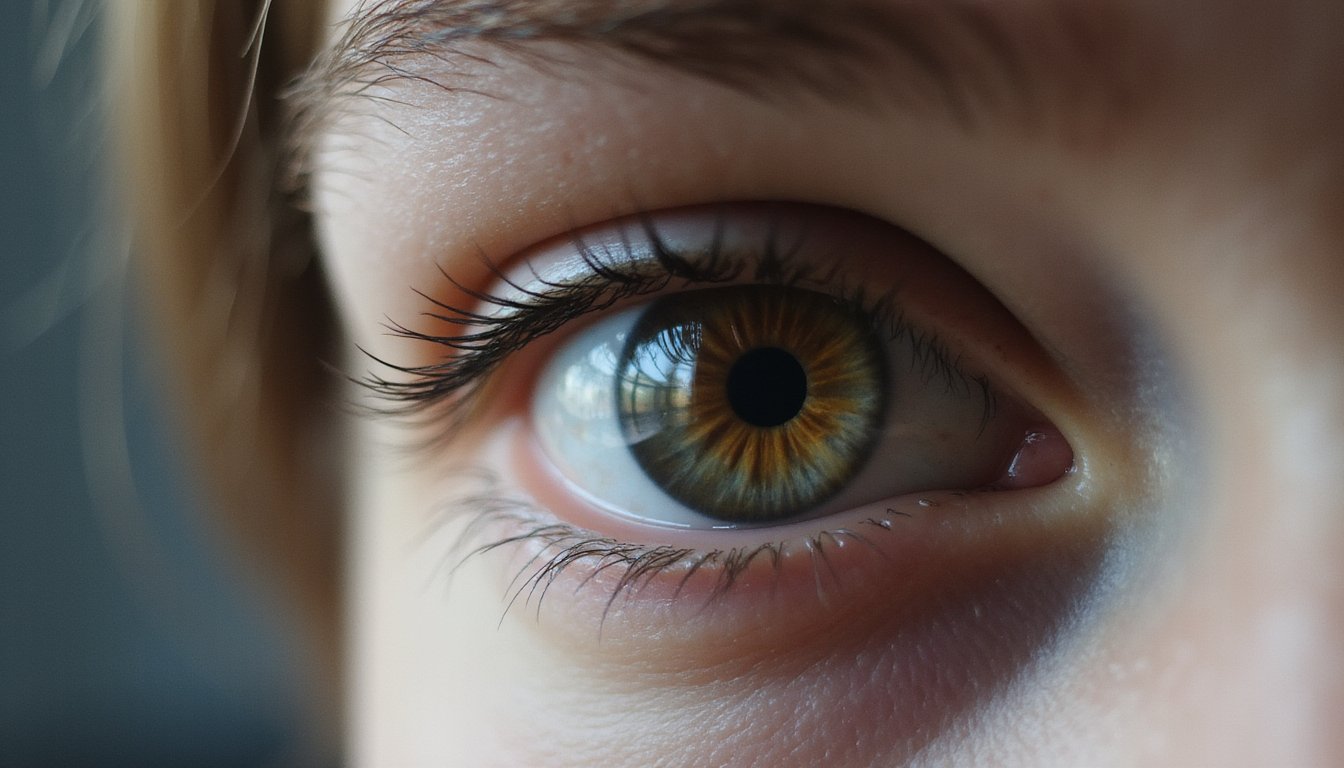
When cocaine enters the bloodstream, it stimulates the sympathetic nervous system, the body’s built-in fight-or-flight mechanism. This sympathetic nervous system activation triggers norepinephrine accumulation by blocking its reuptake, directly causing your pupil muscles to dilate. Simultaneously, cocaine releases a surge of epinephrine and dopamine, which work together to override your pupils’ normal constriction response to light. The resulting dilation also allows more light in, which can increase visual discomfort and sensitivity to bright environments.
If you’re searching for how to get rid of cocaine eyes, understand that the drug disrupts ciliary muscle function, preventing standard pupil regulation. There’s no reliable method for how to make your pupils smaller after drugs while cocaine remains active in your system. Dilation persists because multiple neurochemical pathways sustain enlargement until your body fully metabolizes the substance.
How Long Do Cocaine Dilated Pupils Last?
After using cocaine, your pupils typically remain dilated for one to two hours, though this window can extend up to six hours depending on the amount consumed. Several factors influence how long dilation lasts, including your metabolism, dosage, method of administration, and whether you’ve used other substances alongside cocaine. Cocaine triggers mydriasis through its stimulatory effect on the sympathetic nervous system, which activates the dilator muscles in the iris to widen the pupils. Even after your pupils return to normal size, you may notice lingering effects like redness, dryness, and light sensitivity that can persist for 24 to 72 hours or longer with heavy or repeated use.
Typical Duration After Use
Cocaine dilates pupils for as long as it remains active in your bloodstream, typically lasting 30 minutes to 2 hours after use. Higher doses or repeated use can extend this window to several hours. The method of administration also influences duration, with some routes sustaining effects longer than others.
If you’re wondering how to make your pupils smaller after drugs, understand that no reliable shortcut exists. Pupils generally begin returning to baseline within a few hours once cocaine clears your system. Light sensitivity may persist into the next day, even as pupil size normalizes. Continued use can also damage blood vessels in the eyes, compounding recovery time and making pupil changes more pronounced.
Many people search for how to hide dilated pupils, but the most effective approach is simply allowing adequate time for recovery. Rest and hydration support faster resolution, particularly after heavier use.
Factors Affecting Duration
Several interrelated factors determine how long your pupils stay dilated after cocaine use. Your individual metabolism plays a primary role, faster metabolic rates break down cocaine more quickly, shortening dilation duration. Age, body weight, liver function, and overall health directly influence this process.
Dosage amount greatly affects duration, with higher quantities producing more pronounced and prolonged dilation. Your history of substance use and tolerance also matters; chronic users may experience diminished pupillary responses due to nervous system adaptation.
Concurrent substance use creates unpredictable interactions that can extend or shorten dilation periods. If you’re wondering how to make your pupils smaller faster, understanding these variables clarifies why no single timeline applies universally. Genetic differences and underlying physiological variations mean some individuals experience remarkably different responses than others.
Lingering Eye Side Effects
Beyond the individual variables that shape your experience, the actual timeline of cocaine-related eye effects follows a broadly predictable pattern. While pupil dilation typically resolves within hours, lingering eye side effects can persist considerably longer. Bloodshot redness, dryness, and a glazed appearance may remain for several days, particularly after binge use or extended sleep deprivation. The effects of cocaine on pupils can be particularly noticeable during the high. Users often report significant changes in their vision, which can lead to impaired judgment and increased risk of accidents.
If you’re searching for how to hide dilated pupils or how to make your pupils smaller after cocaine, understand that these secondary symptoms often draw more attention than dilation itself. Light sensitivity can extend into the following day, and eye strain may last longer when alcohol is involved. Severe headaches, vision changes, or chest pain warrant immediate medical evaluation.
What Affects How Long Cocaine Dilates Your Pupils?
How long your pupils stay dilated after cocaine use depends on several interacting factors rather than a single variable. If you’re searching for how to undilate your eyes from drugs, understanding these factors clarifies why there’s no quick fix.
- Dosage and frequency: Higher doses and repeated use extend dilation, sometimes lasting 4 to 8 hours rather than the typical 30 minutes to 2 hours.
- Individual metabolism: Your metabolic rate determines how quickly cocaine clears your bloodstream, directly affecting how long pupils remain enlarged.
- Concurrent substance use: Other drugs in your system create unpredictable interactions that alter dilation timelines.
Knowing how to make your pupils small after drugs or how to get rid of coke eyes starts with recognizing that pupil size normalizes only once your body fully metabolizes the substance.
How to Tell if Dilated Pupils Are From Cocaine
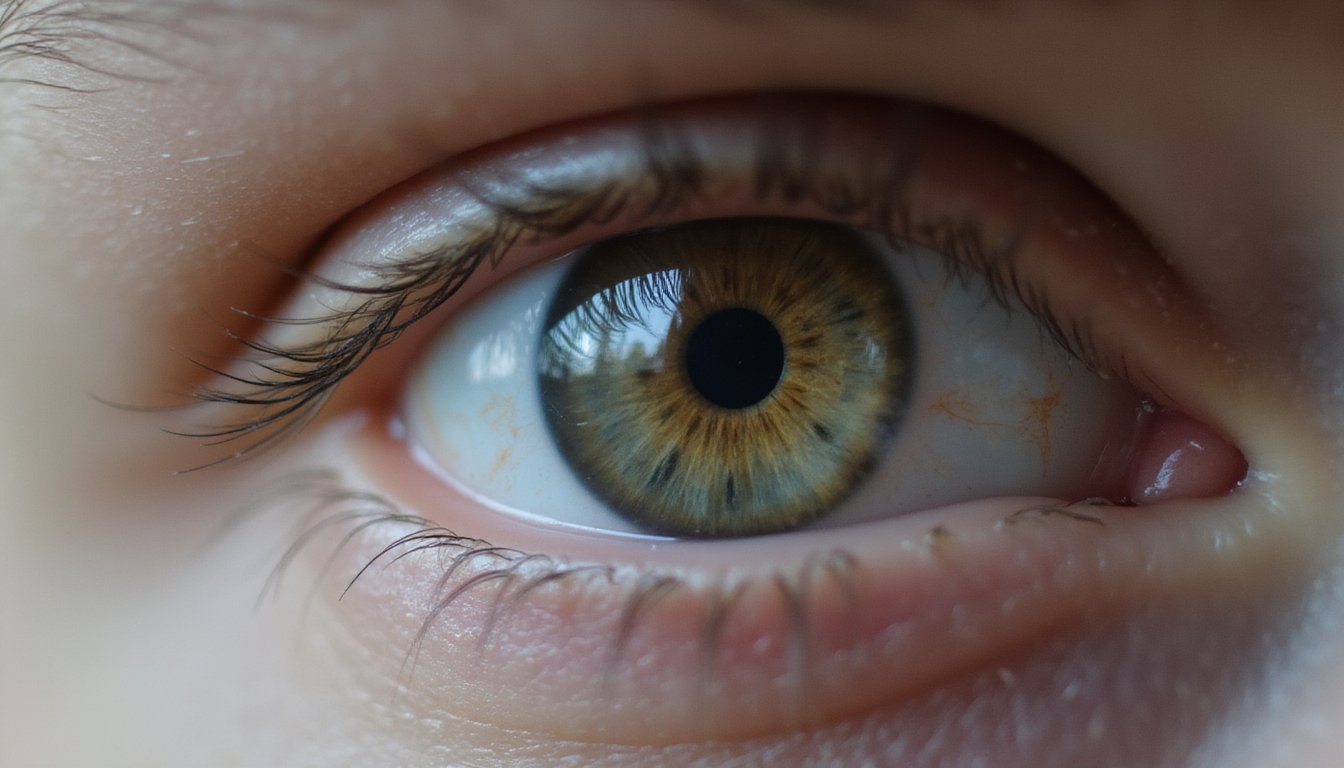
Because cocaine triggers an immediate surge of norepinephrine and dopamine, its effect on pupil size is rapid and distinctive. Your pupils become so large that barely any colored iris remains visible, and they won’t constrict normally when exposed to bright light. This fixed, non-reactive dilation distinguishes cocaine’s effects from ordinary pupil changes caused by dim lighting or emotional arousal.
You can further differentiate cocaine-induced mydriasis from other causes by observing accompanying signs. Bloodshot eyes, nystagmus, and a glazed corneal appearance frequently occur alongside the dilation. Behavioral indicators, including erratic mood, constant sniffing, and light sensitivity prompting sunglasses use indoors, strengthen identification when present together. However, dilated pupils alone aren’t conclusive, since medications, eye trauma, and other stimulants produce similar effects. Clinical assessment evaluates pupil reactivity to light, not size alone.
Can Sunglasses or Eye Drops Hide Cocaine Pupils?
Can sunglasses or eye drops actually reverse what cocaine does to your pupils? Neither method addresses the underlying mechanism. Cocaine stimulates your sympathetic nervous system, producing involuntary pupil dilation that persists until the drug metabolizes, typically 30 minutes to two hours.
No eye drop or pair of sunglasses can override your sympathetic nervous system while cocaine is still active.
Here’s what each approach actually does:
- Sunglasses reduce light sensitivity but don’t shrink your pupils; wearing them indoors may draw more attention than dilated eyes alone
- Redness-relieving eye drops target bloodshot appearance and irritation but have no effect on pupil size
- Artificial tears address dryness from cocaine vapors without influencing the neurological response driving dilation
Your pupils remain dilated because cocaine directly affects brain chemistry through endorphin and adrenaline release. Cosmetic interventions only mask secondary symptoms while the primary indicator persists. Cocaine effects on pupil size can serve as a crucial visual cue for users and healthcare professionals alike.
Why Hiding Cocaine Dilated Pupils Never Works
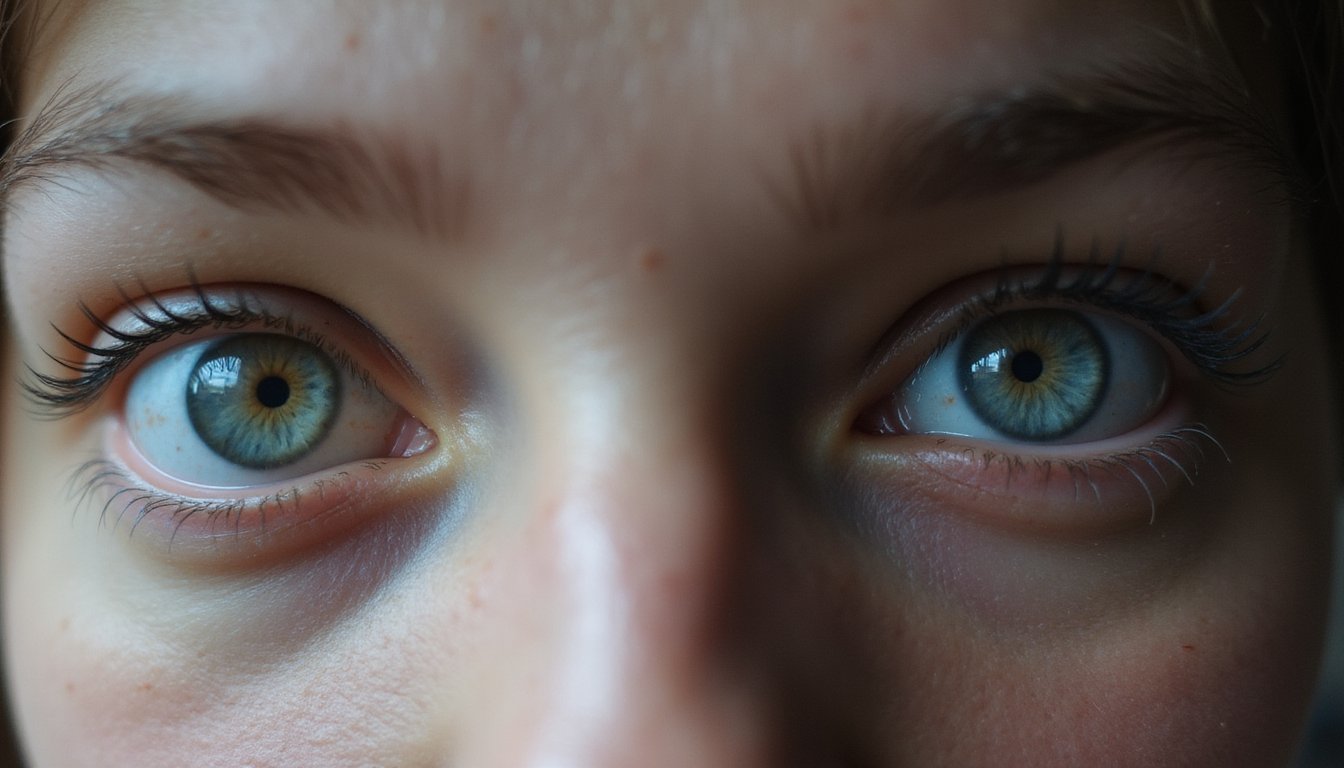
Even if sunglasses and eye drops could mask the cosmetic effects, cocaine produces a constellation of simultaneous physiological and behavioral changes that make isolated concealment ineffective. When cocaine activates your sympathetic nervous system, it triggers increased heart rate, blood pressure changes, tremors, and restlessness alongside pupil dilation. You can’t address one marker while the others remain visible.
Concurrent signs, erratic mood swings, rapid speech, constant sniffing, insomnia, and heightened alertness, directly contradict concealment attempts. Trained clinical professionals distinguish cocaine-specific mydriasis from other causes through systematic pattern analysis, comparing physiological responses across multiple body systems. Additionally, dilated pupils persist 30 minutes to two hours, creating timing inconsistencies that observers familiar with stimulant effects readily recognize. Isolating one symptom doesn’t eliminate the detectable pattern.
What Chronic Cocaine Use Does to Your Eyes
Chronic cocaine use causes upper eyelid retraction, making your eyes appear permanently wide open and exposing more of the corneal surface to dryness and irritation. Your risk of developing glaucoma increases by 45% whether you’re currently using or have used cocaine in the past, as the drug’s effects on intraocular pressure persist long after use stops. As glaucoma progresses, it places mounting pressure on your optic nerve, gradually destroying the fibers that transmit visual information to your brain and potentially leading to irreversible blindness.
Upper Eyelid Retraction
Beyond the acute pupil dilation most people associate with cocaine, chronic use triggers a distinct condition called upper eyelid retraction, where the upper lid sits abnormally high on the eye. Cocaine’s sympathomimetic action augments norepinephrine effects on the muscles controlling eyelid position, causing persistent wide-opening of the lids.
This retraction produces several observable changes:
- Scleral show: You’ll notice visible white above the iris, creating an unnaturally wide-eyed appearance
- Exophthalmos: In severe cases, your eyes may appear to bulge forward, compounding the retracted lid’s effect
- Chronic dryness: Reduced lid coverage accelerates tear evaporation, leaving your ocular surface exposed to irritants
Unlike acute mydriasis, upper eyelid retraction represents a long-term structural change. It doesn’t resolve once cocaine clears your system and may require clinical intervention.
Glaucoma Risk Increases
Cocaine’s effects on your eyes extend well past cosmetic changes like dilated pupils and lid retraction, repeated use raises your risk of glaucoma, a condition that permanently damages the optic nerve and can lead to irreversible vision loss. Male cocaine users face a 45% increased risk of developing glaucoma, even after adjusting for age, race, and other substance use. Differences between cocaine and opioid eyes can also lead to distinct changes in pupil size and overall eye appearance. While cocaine typically causes dilation, opioids may result in constricted pupils, which can be a telltale sign of use.
Cocaine-induced pupil dilation can narrow drainage angles in susceptible eyes, triggering angle-closure glaucoma. The drug’s vasoconstrictive properties also reduce blood flow to the optic nerve, compounding damage. Perhaps most striking, cocaine users receive glaucoma diagnoses nearly 20 years earlier than non-users, at an average age of 54 versus 73. This accelerated onset points to aggressive pathological processes that standard cosmetic concealment strategies can’t address.
Optic Nerve Damage
While glaucoma silently erodes peripheral vision, chronic intranasal cocaine use can inflict far more aggressive structural damage, destroying the optic nerve itself through inflammation, compression, and ischemia. Cocaine-induced midline destructive lesions break down nasal septum and paranasal sinus bones, allowing inflammation to spread directly into your orbit.
This orbital inflammatory disease can damage your optic nerve through:
- Compression from granulomatous masses forming within the orbit
- Infiltration of chronic inflammatory tissue surrounding the nerve
- Ischemia from cocaine’s vasoconstrictive effects reducing blood and oxygen delivery
You may develop dense central scotoma and permanent visual acuity loss. Treatment with corticosteroids and intravenous methylprednisolone produces variable recovery. Optic nerve damage, once established, can be irreversible, making early cessation of cocaine use critical.
Can Cocaine Cause Glaucoma or Permanent Eye Damage?
Though dilated pupils from cocaine use typically resolve on their own, the drug can cause far more serious and lasting damage to the eyes. Cocaine-induced pupil dilation can trigger angle-closure glaucoma in predisposed individuals by narrowing the eye’s drainage angle and increasing anterior chamber pressure. This condition requires immediate medical intervention to prevent permanent vision loss.
Beyond glaucoma, cocaine use carries additional risks of irreversible eye damage. Retinal vein occlusion and retinal artery occlusion can block blood flow, leading to permanent vision impairment. Maculopathy damages the area responsible for detailed central vision. Cocaine’s vasoconstrictive properties can also cause optic neuropathy, restricting oxygen delivery to the optic nerve and producing lasting peripheral vision deficits. Talc retinopathy from cutting agents can deposit crystals in your retina, potentially causing blindness.
Why Stopping Cocaine Is the Only Real Fix
As long as cocaine circulates in your bloodstream, your pupils remain dilated, and no sunglasses, eye drops, or dimly lit room can override the neurological response driving that enlargement. Cocaine blocks norepinephrine reuptake, triggering sustained sympathetic nervous system activation that directly controls pupil size.
Chronic use compounds the damage beyond dilation:
- Dopamine receptor depletion causes anhedonia, requiring months to years of abstinence for receptor regeneration
- Structural eye damage, including corneal ulcers, retinal occlusion, and cycloplegia, progresses with each use
- Autonomic nervous system dysregulation perpetuates abnormal pupillary responses until you achieve sustained cessation
Temporary breaks don’t allow sufficient neurological recovery. Professional addiction treatment addresses the root cause rather than cosmetic concealment, providing the only viable pathway to lasting pupillary normalization.
How Recovery Helps Your Eyes Return to Normal
Once you stop using cocaine, your pupils typically return to their normal size within four to six hours as the drug clears your system. This timeline applies to acute use, though factors like dosage and polysubstance involvement can extend it.
Sustained cocaine use carries risks beyond dilated pupils. Chronic exposure can cause upper eyelid retraction, corneal ulcers, angle-closure glaucoma, and retinal vascular occlusive disease. These conditions require professional ophthalmologic evaluation and won’t resolve simply by waiting.
If you’re in recovery, consult an eye care specialist to assess any lasting damage. Early intervention improves outcomes for cocaine-related eye complications. While acute pupil dilation resolves predictably, long-term ocular health depends on sustained abstinence and appropriate medical follow-up. Your eyes can heal, but they need both time and professional support.
Call Now and Simplify Your Recovery Journey
Cocaine addiction can affect your body, mind, and daily life in ways that feel hard to manage on your own. At Villa Wellness Center in Sick
lerville, NJ, our experienced team provides trusted Drug Addiction Treatment with care, compassion, and a personalized approach. Call +1 (844) 609-3035 today and take the first step toward lasting recovery.
Frequently Asked Questions
Can Certain Foods or Vitamins Help Pupils Return to Normal Size Faster?
No, there’s no evidence that specific foods or vitamins will speed up pupil constriction after cocaine use. Your pupils dilate because cocaine blocks norepinephrine reuptake, stimulating your sympathetic nervous system, and no dietary intervention can override that pharmacological mechanism. Your pupils will return to normal as your body metabolizes the drug naturally. Staying hydrated and avoiding additional stimulants won’t shrink your pupils faster, but they’ll support your body’s overall recovery process.
Do Dilated Pupils From Cocaine Appear Different in Light Versus Dark Eyes?
Dilated pupils from cocaine are generally more noticeable in light-colored eyes than in dark eyes. If you have blue, green, or hazel irises, the contrast between your iris and the enlarged black pupil is more pronounced, making dilation easier to spot. With darker brown or black irises, the pupil blends more with the surrounding color, so dilation isn’t as immediately obvious, though it’s still detectable under direct lighting or close observation.
Will a Doctor Report Cocaine Use if You Seek Help for Eye Problems?
Doctors generally don’t report your cocaine use to law enforcement. HIPAA and patient-doctor confidentiality protect the information you share during treatment. Your doctor’s priority is treating your eye problem safely, and knowing what substances you’ve used helps them avoid dangerous drug interactions. However, narrow exceptions exist, such as cases involving minors, imminent harm, or certain state-specific mandated reporting laws. You’ll receive better, safer care when you’re honest with your provider.
Can Cocaine-Related Pupil Dilation Trigger Migraines or Severe Headaches From Light Sensitivity?
Yes, cocaine-induced pupil dilation can contribute to light sensitivity that triggers or worsens headaches, including migraines. When your pupils can’t constrict properly, excess light floods your retinas, potentially activating pain pathways. You’re especially vulnerable if you’re already prone to migraines. However, research specifically linking cocaine-related mydriasis to migraine onset remains limited. If you’re experiencing persistent headaches after use, you should consult a healthcare provider for proper evaluation.
Does Mixing Cocaine With Alcohol Change How Long Pupils Stay Dilated?
Yes, mixing cocaine with alcohol can extend how long your pupils stay dilated. When you combine these substances, your body produces cocaethylene, which has a longer half-life than cocaine alone. This means the stimulant effects, including pupil dilation, persist beyond the typical thirty-minute to two-hour window. Your individual metabolism, dosage, and usage patterns all influence the exact duration. A healthcare provider can offer the most accurate assessment for your specific situation.