







On cocaine, your eyes display several telltale signs: pupils dilate rapidly due to sympathetic nervous system activation and can stay enlarged for 30 minutes to 6 hours depending on dose. You’ll notice bloodshot redness from rebound vasodilation, a glossy or watery sheen, and increased light sensitivity that causes squinting. Chronic use produces a distinctive wide-eyed “cocaine stare” from upper eyelid retraction. These visible changes can also signal deeper, longer-term damage worth understanding.
Dilated Pupils Are the First Sign of Cocaine Eyes
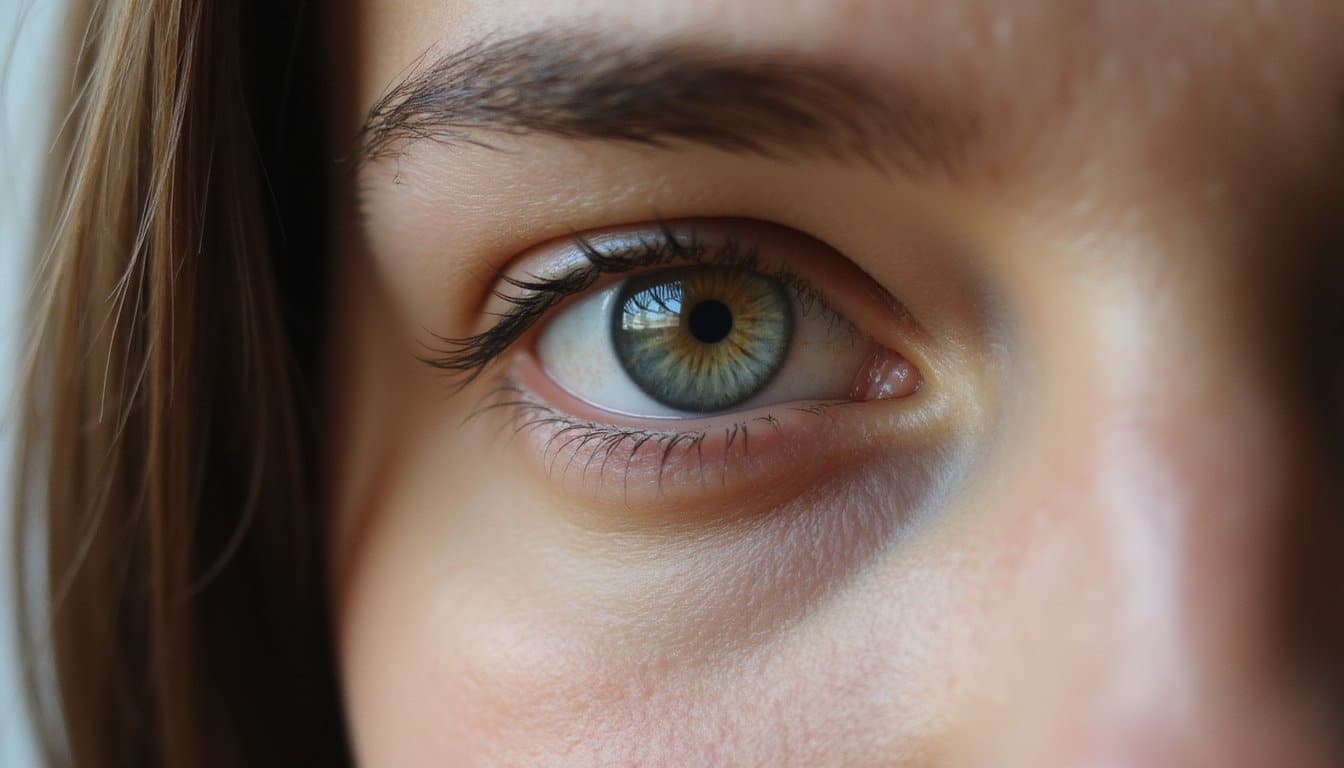
When cocaine enters the bloodstream, the pupils dilate rapidly, a clinical response known as mydriasis. The drug stimulates your sympathetic nervous system, triggering norepinephrine and epinephrine release. This “fight or flight” activation forces your eyes to widen, allowing excessive light entry. Cocaine exaggerates this process to extreme levels.
Your dilated pupils become so enlarged that barely any iris color remains visible. They don’t respond normally to light changes and stay fixed for prolonged periods, typically thirty minutes to two hours, sometimes longer depending on dosage and administration route. Over time, this repeated vasoconstriction and stress on the eyes can lead to elevated intraocular pressure, increasing the risk of glaucoma.
Clinicians use pupil size to distinguish stimulant use from opioid use, which produces the opposite effect. However, medications, eye trauma, and natural light changes can also cause dilation, making additional signs necessary for accurate identification.
Why Cocaine Makes Your Eyes Bloodshot and Red
Beyond pupil dilation, cocaine produces a distinct bloodshot appearance through a two-phase vascular process. First, cocaine constricts your ocular blood vessels, reducing oxygen delivery. Then, vessels rebound and expand, making capillaries visibly pronounced. This vasoconstriction-vasodilation cycle elevates blood pressure in ocular tissues, intensifying inflammation and redness characteristic of cocaine eyes.
| Factor | Mechanism | Duration |
|---|---|---|
| Vasoconstriction rebound | Blood vessels expand after initial constriction | Hours to days |
| Sleep deprivation | Extended wakefulness compounds vascular inflammation | Persists until rest |
| Direct chemical irritation | Powder particles and smoke vapors contact eye surface | Variable by exposure |
Heavy use compounds these effects. Sleep deprivation worsens your bloodshot appearance, while drug impurities cause additional surface irritation. Long-term use produces persistent redness and chronic inflammation. When frequent red eyes are paired with other physical and behavioral signs, they can be a clue that something deeper is going on.
Watery, Glossy, or Dry Cocaine Eyes
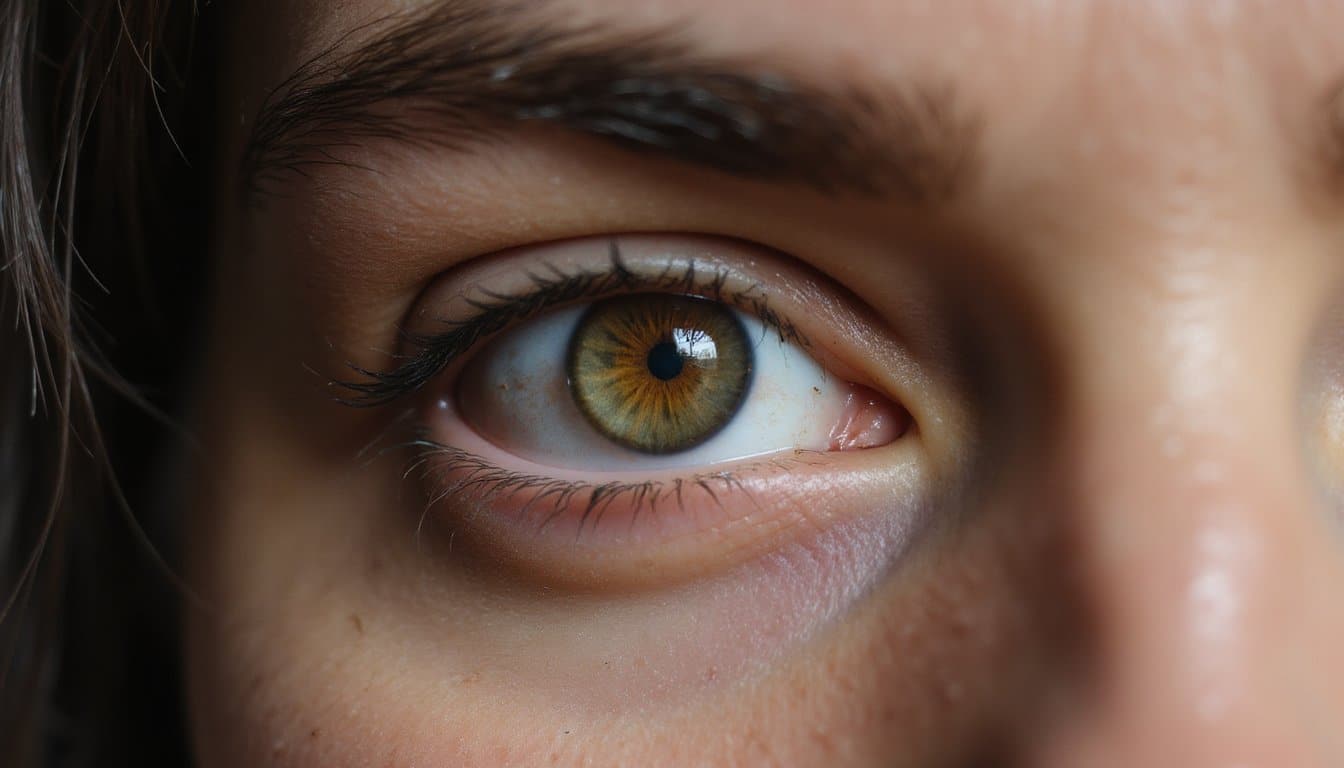
The characteristic glossy eyes result from mydriasis, your dilated pupils widen like a camera aperture, creating exaggerated light reflection across the ocular surface. This shiny quality intensifies when combined with irritation-driven moisture. Most acute symptoms resolve within 24, 48 hours, though redness and dryness persist longer after binge use or sleep deprivation. Frequent cocaine use can also contribute to corneal ulcers and injuries that compound these visible eye changes over time.
Light Sensitivity and Constant Squinting
When cocaine dilates your pupils beyond their normal range, your eyes lose their ability to regulate incoming light, leaving you vulnerable to photophobia, a clinically recognized hypersensitivity to both natural and artificial light sources. This heightened sensitivity causes involuntary squinting, frequent blinking, and visible discomfort in environments that wouldn’t normally bother you. You may also find yourself wearing sunglasses indoors or in low-light settings, a behavioral indicator that often signals stimulant use to trained observers.
Dilated Pupils Increase Sensitivity
Because cocaine inhibits norepinephrine reuptake, concentrations of this neurotransmitter surge in the brain and activate the sympathetic nervous system’s fight-or-flight response. This cascade forces your pupils to dilate markedly, allowing substantially more light to flood the retina than under normal physiological conditions.
Your dilated pupils create increased sensitivity to environmental light, causing discomfort even in standard lighting that others perceive as comfortable. This photosensitivity persists for the entire duration that your pupils remain enlarged. You may find yourself squinting reflexively as your eyes struggle to manage excessive light input. Bright indoor settings, screens, and sunlight become particularly problematic. The heightened light entry compounds visual strain, forcing your ocular system to work harder to maintain baseline comfort. This effect intensifies with higher cocaine doses and repeated administration.
Indoor Sunglasses Wearing
Persistent photophobia from cocaine-induced pupil dilation often drives a distinctive behavioral pattern: wearing sunglasses indoors. You’ll notice this indoor sunglasses wearing serves as a clinical indicator of stimulant use, as dilated pupils can’t regulate light intake effectively. Coke eyes become overwhelmed by standard indoor lighting, prompting this compensatory behavior.
| Indicator | Normal Presentation | Cocaine-Related Presentation |
|---|---|---|
| Sunglasses use | Outdoors only | Indoors and at night |
| Squinting frequency | Occasional | Chronic and involuntary |
| Light tolerance | Adjusts within seconds | Persistently impaired |
| Facial tension | Minimal | Visible strain around eyes |
| Environmental avoidance | None | Avoids well-lit spaces |
You’ll also observe squinting in well-lit environments, reflecting your body’s attempt to reduce excessive light exposure to vulnerable, dilated pupils.
Eye Twitching and Jittery Eye Movements on Cocaine
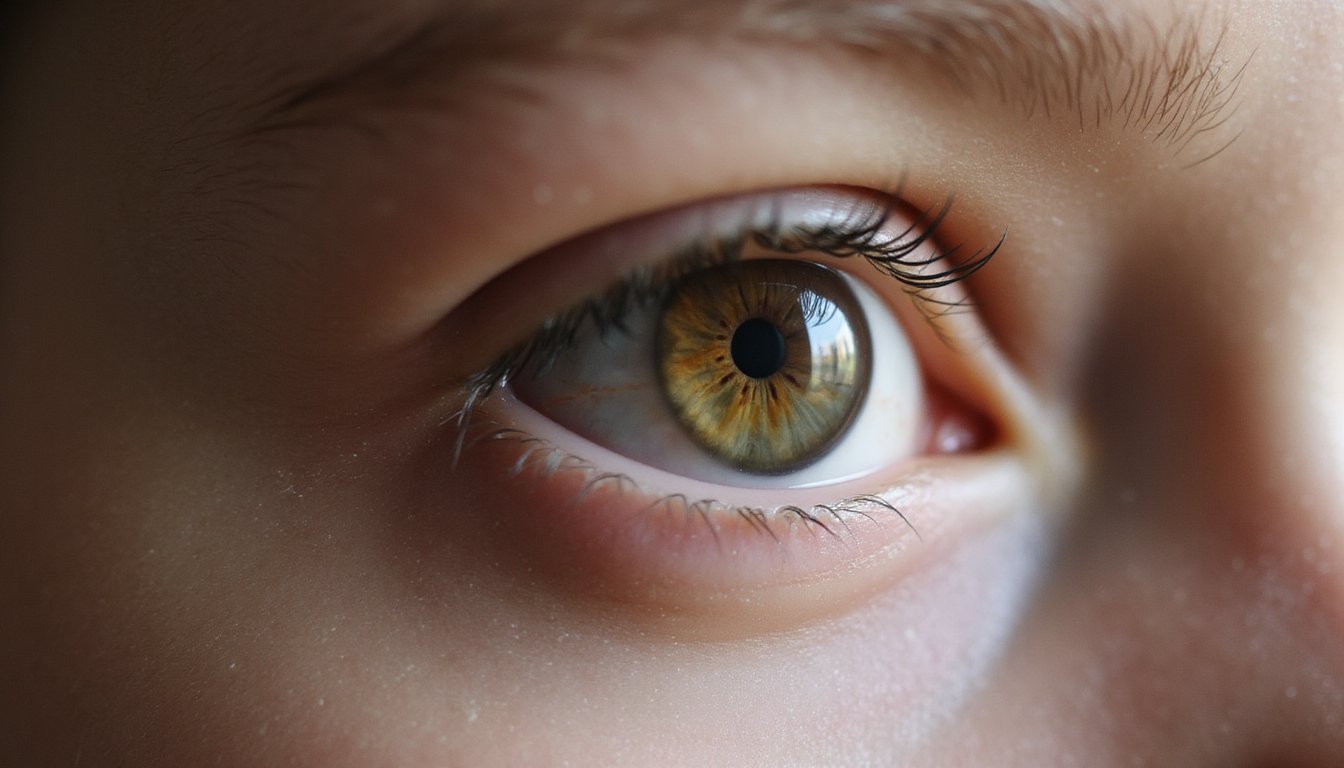
When you use cocaine, the drug overstimulates your central nervous system and triggers involuntary rapid eye movements, including nystagmus-like oscillations that become more pronounced with polysubstance use. This sympathetic nervous system activation forces your eye muscles into a sustained fight-or-flight response, producing visible eyelid tremors and flutter that you can’t consciously control. Stimulants can increase your blink rate two- to three-fold above baseline, and combined with dehydration and sleep deprivation, these jittery movements intensify into persistent, medically significant spasms.
Involuntary Rapid Eye Movements
Cocaine’s stimulant action on the central nervous system can trigger nystagmus, a condition marked by involuntary, rapid eye movements that shift side-to-side, up and down, or in circular patterns. These movements occur approximately 10 times faster than normal eye movement rates, making cocaine user eyes appear jittery and unfocused.
Key clinical features of cocaine-induced nystagmus include:
- Impaired focus: Rapid, flutter-like movements prevent you from sustaining visual concentration on a single point
- Visual disturbances: You may experience double vision or significant blurring
- Neurological involvement: Cocaine disrupts the muscles, nerves, and brain tissue controlling ocular motor function
- Neurotransmitter disruption: Increased dopamine, norepinephrine, and serotonin levels directly drive these involuntary movements
Persistent nystagmus can signal underlying neurological damage requiring immediate clinical evaluation.
Nervous System Overstimulation
Because cocaine floods the brain with dopamine while simultaneously activating the sympathetic nervous system, the muscles controlling your eyes can enter a state of involuntary overstimulation, producing visible twitching, spasms, and jittery movements distinct from nystagmus. This overstimulation triggers eyelid fluttering, facial muscle tremors, and difficulty maintaining steady focus.
When evaluating what your eyes look like on cocaine, clinicians note a hyperalert appearance driven by these involuntary spasms. Your eyes may dart back and forth as overstimulated muscles lose coordinated control. Dehydration and sleep deprivation compound these effects, worsening muscle instability. Blink rates can increase two- to three-fold above baseline, further contributing to a visibly agitated presentation. Most acute twitching resolves within one to two days following cessation as your nervous system stabilizes.
Eyelid Tremors and Fluttering
Among the most visible signs of cocaine’s effect on the eyes, eyelid tremors and fluttering stand out as direct markers of overstimulated motor pathways. Cocaine forces involuntary contractions in the muscles controlling your eyelids, producing spasms that are often noticeable to others. Dehydration and sleep deprivation compound eyelid twitching severity during and after use.
Key clinical observations include:
- Blink rates increase two- to three-fold above your baseline measurements during acute stimulant effects
- Nystagmus-like oscillations develop, particularly with polysubstance use
- Tremor inconsistency means spasms don’t occur with every use, making pattern recognition harder
- Resolution timeline spans one to two days, though persistent or worsening twitching warrants prompt neurological evaluation
You should seek medical assessment if tremors coincide with headache or vision changes.
The Wide-Eyed Stare From Chronic Cocaine Use
One of the most recognizable signs of chronic cocaine use is upper eyelid retraction, a condition where the eyelids pull back and remain raised, giving the eyes a permanently wide-open appearance. This persistent heightening creates the characteristic cocaine stare that observers frequently identify, even when you’re at rest.
Unlike temporary pupil dilation, this retraction doesn’t resolve quickly after use. Your eyelids maintain their raised position continuously with chronic administration, exposing a greater surface area of the eye. This increased exposure directly reduces tear film distribution across the cornea, leading to excessive ocular dryness.
The clinical consequences compound over time. You’ll experience heightened corneal vulnerability to environmental irritants, increased risk of surface damage from airborne particles, and diminished protective coverage that healthy eyelid positioning normally provides.
How Long Do Cocaine Eyes Last?
How quickly your eyes return to normal after cocaine use depends on several interconnected factors, dosage, route of administration, and frequency of use. Coked out eyes typically present with pupil dilation lasting 30 minutes to 2 hours, though higher doses can extend this window to 6 hours. Acute symptoms generally resolve within 24, 72 hours post-use.
- Route matters: Inhaled cocaine produces rapid but shorter-duration eye effects (5, 7 minutes), while snorted cocaine sustains dilation up to 30 minutes.
- Binge use greatly prolongs recovery, with bloodshot redness and glazed appearance persisting for days.
- Combining cocaine with alcohol exacerbates eye strain and extends symptom duration.
- Full normalization of pupil changes occurs within days to one week after cessation.
Permanent Eye Damage From Long-Term Cocaine Use
While dilated pupils and bloodshot eyes typically resolve within days of stopping cocaine, the drug’s vasoconstrictive properties inflict far more serious damage with chronic use, damage that doesn’t reverse. Permanent eye damage from long-term cocaine use includes central retinal artery occlusion, ischemic optic neuropathy, and retinal detachment. Cocaine restricts blood flow to the optic nerve, causing tissue necrosis and irreversible vision loss. Chronic exposure elevates intraocular pressure, triggering angle-closure glaucoma that progressively destroys the optic nerve. Corneal ulceration and perforation develop from repeated contact with cocaine residue. Maculopathy and retinal vein occlusion further compromise visual acuity. The eyes of someone on cocaine may appear temporarily altered, but sustained use produces structural damage, exophthalmos, eyelid retraction, and optic nerve compression, that no treatment fully restores.
What to Do if You Notice Cocaine Eyes in Someone You Love
When you recognize the telltale signs of cocaine eyes in someone you love, dilated pupils, an unblinking stare, or that unmistakable restless intensity, your response in that moment matters more than you might realize. Understanding what does cocaine make your eyes look like equips you to identify use early and act decisively. Recognizing cocaine eye characteristics can be crucial for intervening before the situation escalates. Alertness to these signs allows you to offer support or seek professional help when needed.
Recognizing cocaine eyes early, dilated pupils, restless intensity, empowers you to respond with clarity and compassion when it matters most.
- Approach without confrontation. Choose a calm, private setting and express concern using nonjudgmental language grounded in specific observations.
- Document behavioral patterns. Track frequency of dilated pupils, erratic eye movements, and associated behavioral changes to share with a clinician.
- Contact a licensed addiction specialist. Professional assessment guarantees accurate diagnosis and individualized treatment planning.
- Explore structured intervention options. Evidence-based programs, including ARISE and the Johnson Model, provide frameworks for guiding loved ones toward recovery.
Call Now and Simplify Your Recovery Journey
Cocaine addiction can affect your body, mind, and daily life in ways that feel hard to manage on your own. At Villa Wellness Center in Sicklerville, NJ, our experienced team provides trusted Drug Addiction Treatment with care, compassion, and a personalized approach. Call +1 (844) 609-3035 today and take the first step toward lasting recovery.
Frequently Asked Questions
Can Eye Drops Hide the Signs of Cocaine Use?
Eye drops can partially mask cocaine’s effects but won’t hide them completely. You can reduce bloodshot appearance with over-the-counter artificial tears, but you can’t reverse pupil dilation or cycloplegia, the muscle paralysis that keeps your pupils locked open. Trained observers will still detect your dilated pupils despite reduced redness. Since cocaine produces multiple simultaneous eye changes, including dilation, glassiness, and eyelid retraction, eye drops alone aren’t sufficient to conceal use.
Do Cocaine Eyes Look Different From Eyes on Other Stimulants?
You’ll notice that cocaine eyes share several features with other stimulants, mydriasis, bloodshot appearance, and reduced blinking, since they all activate your sympathetic nervous system. However, the available clinical evidence doesn’t clearly differentiate cocaine’s ocular effects from those of methamphetamine, amphetamine, or MDMA based on appearance alone. You can’t reliably distinguish which stimulant someone’s used solely by examining their eyes without additional clinical assessment.
Can an Eye Doctor Detect Cocaine Use During an Exam?
Yes, an eye doctor can detect signs consistent with cocaine use during a thorough exam. They’ll evaluate your pupil reactivity, corneal integrity, and retinal health, identifying conditions like keratitis, corneal ulcers, eyelid retraction, and retinal vascular damage that correlate with cocaine exposure. Rapid observation protocols can flag characteristic eye changes in approximately one minute. However, these findings suggest use rather than confirm it, so clinical interpretation requires correlation with other diagnostic information.
Does Mixing Cocaine With Alcohol Change How Eyes Look?
When you mix cocaine with alcohol, your body produces cocaethylene, which intensifies and prolongs stimulant effects. This means your pupils likely stay dilated longer, and bloodshot redness can worsen because both substances elevate blood pressure and strain blood vessels. However, there’s currently insufficient clinical research specifically documenting how this combination alters eye appearance compared to cocaine alone. You shouldn’t interpret the absence of data as evidence that the combination is safe.
Are Cocaine Eye Symptoms Different When Snorting Versus Smoking It?
Yes, snorting and smoking cocaine produce some distinct eye symptoms. When you snort cocaine, you’re more likely to develop reduced corneal sensitivity, observed in 54% of habitual snorters, and neurotrophic keratitis, affecting 12.5% of users. You’ll also risk decreased tear production and prolonged interblink time. When you smoke it, you’re primarily experiencing direct eye irritation from crack smoke exposure. However, both routes cause identical pupil dilation and systemic vision complications.