







Cocaine eyes produce rapid, pronounced pupil dilation with a glossy, bloodshot appearance that typically fades within one to two hours. You can distinguish them from opioid use, which constricts pupils, and amphetamine use, which causes similar dilation but lasts four to twelve hours. The timeline is your most reliable clinical indicator, cocaine’s shorter half-life means effects resolve faster than other stimulants. Understanding the accompanying symptoms below will sharpen your ability to differentiate further.
What Cocaine Eyes Actually Look Like
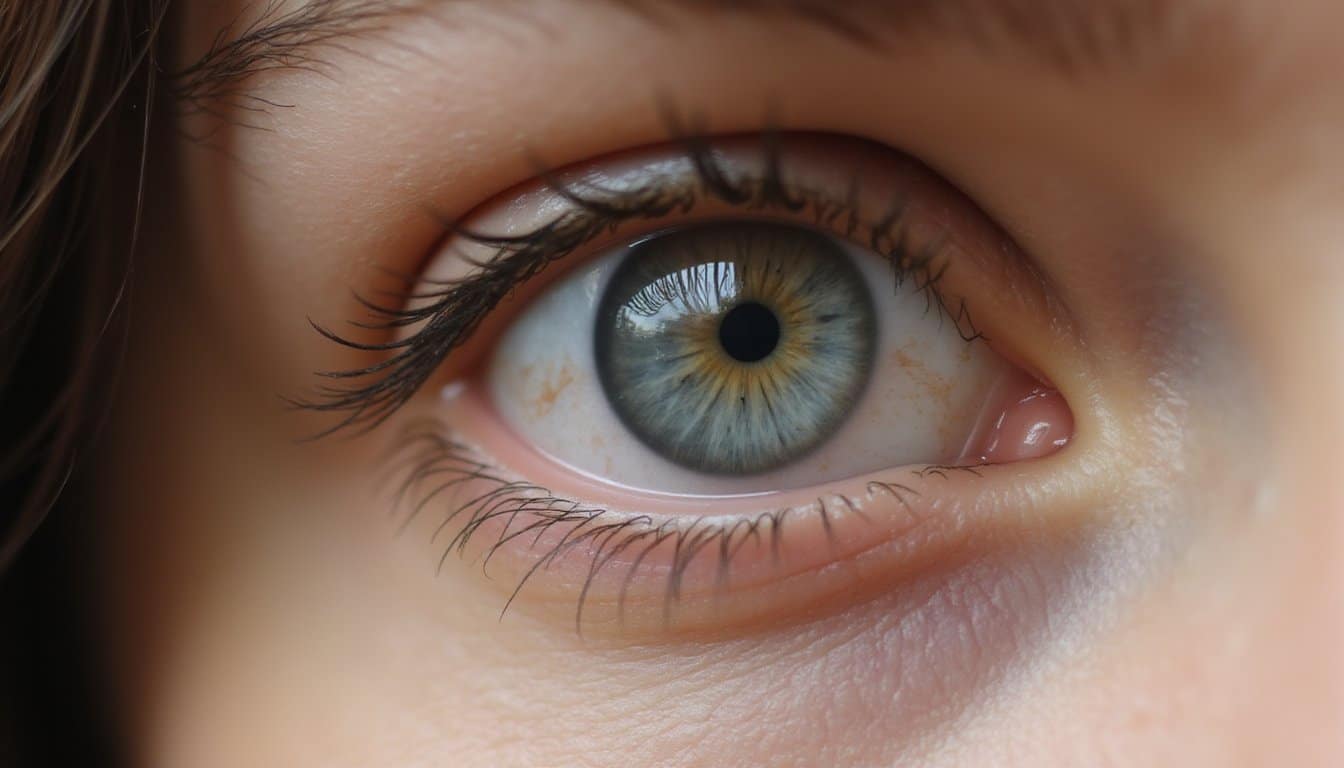
Cocaine triggers a strong sympathetic nervous system response that produces visible, measurable changes in the eyes. You’ll notice significant pupil dilation, clinically termed mydriasis, often accompanied by a glossy, shiny appearance. This dilation can persist for several hours after use. The effects of cocaine on eyesight can also result in blurred vision and difficulty focusing, which may pose dangerous situations for users.
Beyond the pupils, you’ll observe bloodshot sclera caused by blood vessel expansion, while vasoconstriction simultaneously reduces oxygen delivery to surrounding tissues. Cocaine’s stimulant properties also produce rapid, involuntary eye movements (nystagmus), eyelid tremors, and irregular blinking patterns. Cocaine effects on eye appearance can be quite pronounced and distressing. Users may also experience dilated pupils, which can further enhance the alarming look of their eyes.
You may notice heightened photophobia, watery or excessively dry eyes, and upper eyelid retraction that creates a wide-eyed stare. Chronic use compounds these effects, producing persistent dark circles from sleep deprivation and increasingly prominent under-eye changes. Additionally, long-term cocaine use can damage the liver enough to cause jaundice in the eyes, giving the sclera a yellowish tint.
Why Cocaine Dilates Your Pupils So Fast
When cocaine enters your bloodstream, it triggers a rapid sympathetic nervous system response that forces your pupils to dilate within minutes. The drug stimulates norepinephrine and dopamine release while simultaneously blocking their reuptake at neural synapses. This dual mechanism causes abnormal neurotransmitter accumulation, directly activating your dilator pupillae muscle fibers.
Understanding why cocaine dilates your pupils so fast requires examining its sympathomimetic action. Your body enters fight-or-flight mode, overriding normal pupil regulation. Unlike pupils on drugs such as opioids, which constrict, cocaine forces sustained mydriasis lasting several hours. Your pupils remain enlarged even in bright lighting, as continuous norepinephrine stimulation keeps the dilator muscles contracted. Dilation intensity correlates with dosage and individual metabolism, distinguishing cocaine’s effects from typical physiological responses. This intense vasoconstriction also reduces blood flow to the eyes, increasing the risk of retinal artery occlusion with repeated use.
How Long Do Cocaine Eyes Last?
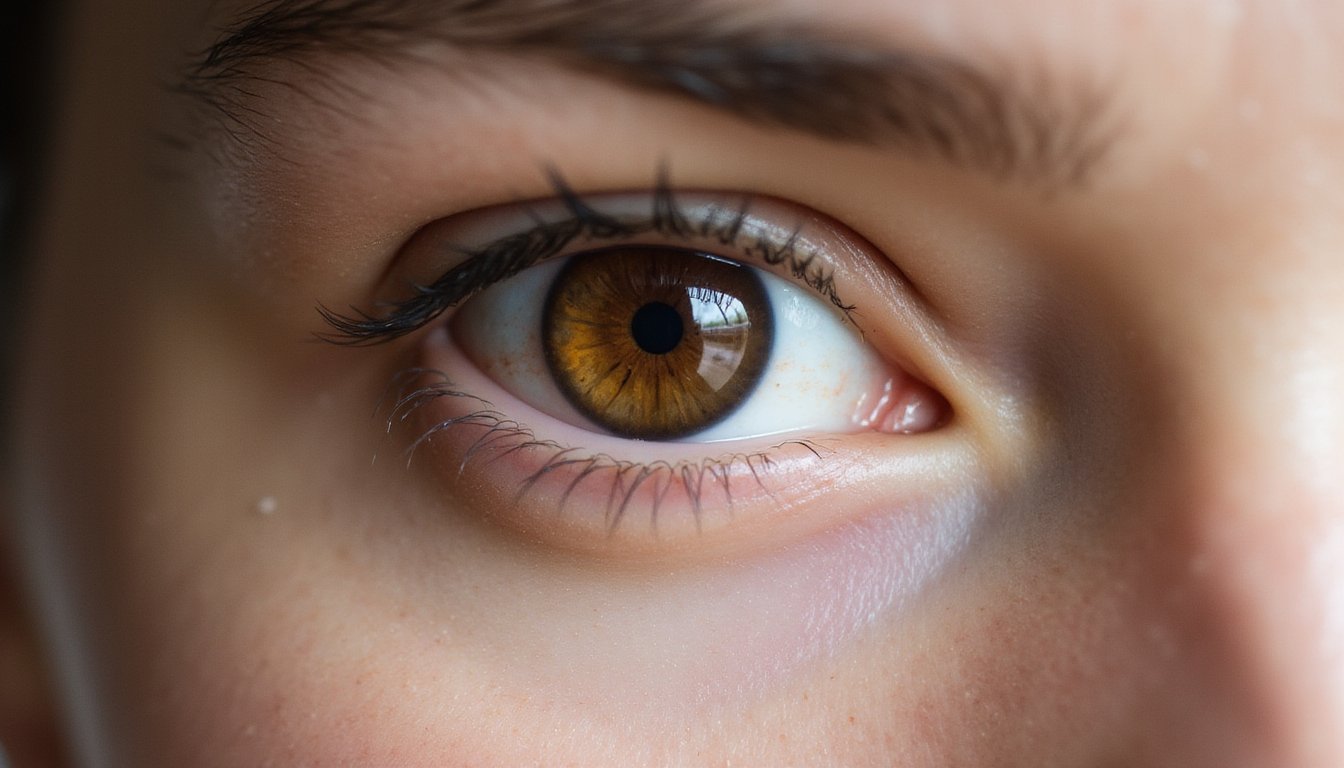
When you use cocaine, your pupils dilate within minutes and typically remain enlarged for one to two hours, though the exact duration depends on your method of administration, inhaled cocaine produces effects lasting five to seven minutes, while snorted cocaine can sustain dilation for up to 30 minutes. After the acute phase passes, residual symptoms like redness, dryness, and light sensitivity can persist for 24 to 72 hours, especially if you’ve combined use with sleep deprivation or alcohol. Heavier doses and repeated binges extend this recovery timeline considerably, with pupil changes sometimes taking days to a full week to normalize after cessation. This dilation occurs because cocaine triggers a stimulatory effect on the sympathetic nervous system, which activates the dilator muscles in the iris to allow more light into the eye.
Acute Dilation Duration
You should note that drug use dilated pupils don’t resolve uniformly across all symptoms. Pupil size normalizes first, while light sensitivity can persist 24 hours or longer. Bloodshot appearance and dry eye symptoms often extend beyond the initial dilation period.
Heavier doses prolong your recovery timeline substantially. If you’ve engaged in binge use or combined cocaine with alcohol, eye effects may persist for several days. Most short-term ocular symptoms fully resolve within 24, 48 hours for single-use episodes.
Lingering Effects Timeline
Beyond the acute dilation window, cocaine’s ocular effects follow a predictable but multi-layered timeline that extends well past the drug’s euphoric peak. Your pupils typically remain dilated for 2, 6 hours post-administration, resisting normal light-responsive constriction throughout this period. Dosage, route of administration, and individual metabolism directly influence this duration.
Conjunctival injection presents a longer trajectory. You’ll notice bloodshot, irritated eyes persisting 8, 12 hours after use, driven by rebound vasodilation following cocaine’s vasoconstrictive phase. High blood pressure or direct ocular contact intensifies this redness considerably.
Chronic users face semi-permanent consequences: corneal scarring, neovascularization, dry eye syndrome, and upper eyelid retraction. These inflammatory changes accumulate with repeated exposure, producing persistent ocular abnormalities that extend far beyond any single administration’s acute timeline.
Bloodshot Eyes, Light Sensitivity, and Glossy Appearance
These combined markers help differentiate cocaine use from meth pupils, which share dilation but lack comparable vascular inflammation, and heroin pupils, which present with constriction rather than expansion.
Why Cocaine Eyes Are So Sensitive to Light
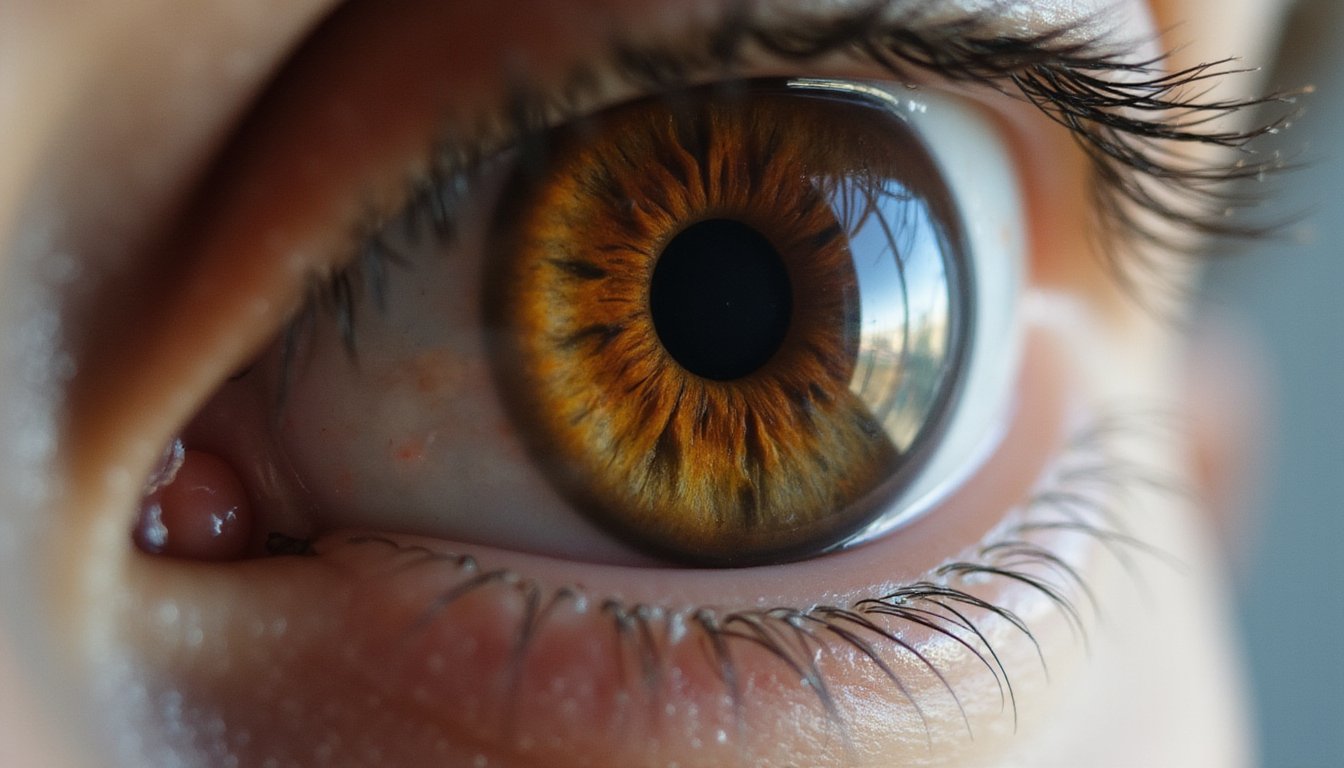
When you use cocaine, your pupils dilate considerably because the drug blocks norepinephrine reuptake, overstimulating your sympathetic nervous system and forcing the pupil to remain wide open, allowing excessive light to flood your retina. This uncontrolled light entry makes bright environments physically uncomfortable, as your eyes can’t constrict properly to regulate incoming illumination. Sleep deprivation, which commonly accompanies cocaine use, compounds this photophobia by drying out your corneas and further impairing your brain’s ability to process visual stimuli normally.
Dilated Pupils Increase Light
Because cocaine inhibits norepinephrine reuptake, it triggers the body’s sympathetic “fight-or-flight” response, forcing the pupils to dilate well beyond their normal range. This excessive dilation functions like a widened camera aperture, allowing substantially more light to reach your retina than your visual system can comfortably process. The result is acute photophobia, clinically significant light sensitivity that causes squinting, discomfort, and visual irritation in normal lighting conditions.
Among drugs that dilate pupils, cocaine produces particularly pronounced effects because it simultaneously floods your system with dopamine and adrenaline. This neurochemical surge disrupts the regulatory mechanisms controlling pupil constriction, leaving your eyes unable to adjust appropriately to brightness changes. Your retina becomes overwhelmed by unfiltered light exposure, compounding discomfort with watery or excessively dry eyes and visible blood vessel expansion. Effects of cocaine on pupil dilation can also alter visual perception, making colors appear more vivid.
Sleep Deprivation Worsens Sensitivity
Cocaine’s stimulant properties often keep users awake for extended periods, and this sleep deprivation compounds the photophobia already caused by excessive pupil dilation. When you’re sleep-deprived, your eyes lose protective tear film stability, increasing corneal exposure to light.
This dual mechanism makes cocaine-related light sensitivity particularly severe compared to other substances:
- Pupils big from stimulant activity allow excessive light to flood your retina
- Reduced tear production from sleep loss removes a natural light-diffusing barrier
- Impaired blink reflexes during prolonged wakefulness increase photosensitivity
- Opioid users with pupils small experience far less photophobia since constricted pupils naturally limit light entry
You can distinguish cocaine eyes from other drug eyes partly through this pronounced light avoidance behavior, which reflects the combined burden of pharmacological dilation and sleep deprivation.
Cocaine Eyes vs Opioid Eyes
Although cocaine and opioids both alter pupil behavior, they do so through opposing pharmacological mechanisms. Cocaine inhibits norepinephrine reuptake, triggering your sympathetic nervous system and dilating your pupils. Opioids activate parasympathetic pathways through direct receptor binding, constricting your pupils to fixed pinpoints, a condition termed miosis.
When comparing cocaine eyes vs opioid eyes, you’ll notice distinct clinical presentations. Cocaine produces wide, reactive pupils with photophobia and possible nystagmus. Opioid-affected pupils remain constricted and barely respond to light changes. Cocaine disrupts your tear production, causing chronic dryness, while opioids suppress your blinking reflex, producing a glassy, watery appearance. Cocaine’s pupil effects onset immediately and diminish as the drug metabolizes, whereas opioid-induced miosis develops within 15, 60 minutes and persists for approximately 3, 5 hours.
Cocaine Eyes vs Amphetamine Eyes
When comparing cocaine and amphetamine eyes, you’ll notice both substances dilate your pupils through sympathetic nervous system stimulation, but cocaine’s effects typically fade faster since its half-life is considerably shorter than methamphetamine’s. Your pupils may remain dilated for one to two days after acute use of either drug, though methamphetamine’s longer duration of action often prolongs this dilation window. Both substances also trigger nystagmus and rapid eye movements from nervous system overstimulation, making it difficult to distinguish between them based on eye symptoms alone.
Pupil Dilation Duration Differences
One of the most reliable ways to distinguish cocaine use from amphetamine use is by observing how long pupil dilation persists. The pupil dilation duration differences between these stimulants reflect their distinct pharmacokinetic profiles.
- Cocaine produces dilation lasting 1, 2 hours, the shortest window among major stimulants.
- Standard amphetamines (Adderall, speed) sustain dilation for 4, 6 hours.
- Methamphetamine extends dilation to 8, 12 hours or longer depending on dose.
- Binge use of any stimulant delays baseline pupil recovery notably.
You’ll notice a consistent inverse relationship: rapid-acting stimulants like cocaine produce shorter dilation windows, while longer-acting amphetamines sustain mydriasis considerably longer. Dosage intensity determines whether recovery falls at the lower or upper end of these ranges.
Shared Rapid Eye Movements
Both cocaine and amphetamines trigger rapid, involuntary eye movements known as nystagmus, making this shared ocular sign one of the harder symptoms to use when distinguishing between the two stimulants. Both substances flood your brain with dopamine and norepinephrine, activating the sympathetic nervous system and disrupting normal ocular motor control.
You’ll notice these rapid eye movements as horizontal or vertical oscillations that create a restless, unfocused appearance. Methamphetamine produces movements approximately ten times faster than your average eye movement, while cocaine generates similarly involuntary patterns. Both intensify with higher doses and sustained intoxication.
Clinically, nystagmus combined with dilated pupils strongly indicates stimulant intoxication. However, differentiating cocaine from amphetamines based solely on rapid eye movements isn’t reliable, you’ll need additional behavioral and physiological markers for accurate identification.
When Cocaine Eyes Signal a Medical Emergency
Although most acute eye effects from cocaine resolve within one to two days, symptoms that persist beyond 48 hours or escalate in severity demand prompt medical evaluation. Recognizing when cocaine eyes signal a medical emergency can prevent irreversible damage.
Cocaine eye symptoms lasting beyond 48 hours or worsening in severity require immediate medical attention to prevent permanent damage.
Seek immediate care if you experience:
- Sudden painless vision loss, which may indicate Retinal Vascular Occlusive Disease caused by vasoconstriction blocking retinal blood flow
- Yellowing of the eyes (jaundice), signaling cocaine-induced liver failure and systemic organ compromise
- Bulging eyeballs (exophthalmos), where chronic inflammation compresses the optic nerve, risking permanent blindness
- Corneal ulcers or persistent blurred vision, resulting from surface damage, reduced blinking, or ciliary muscle paralysis
If your symptoms coincide with severe sedation or confusion, fentanyl contamination may be present, call emergency services immediately.
How Chronic Cocaine Use Damages Your Eyes
Repeated cocaine exposure triggers a cascade of structural, vascular, and neurological damage that extends far beyond dilated pupils. Chronic use causes upper eyelid retraction, exophthalmos, and cocaine-induced midline destructive lesions that erode the bones surrounding your eye sockets. These changes create the characteristic sunken, wide-eyed appearance associated with long-term cocaine eyes.
Vascular complications include retinal artery and vein occlusions, maculopathy, and retinal detachment, each threatening permanent vision loss. You’re also 45% more likely to develop open-angle glaucoma as a current or former user, with untreated cases progressing to blindness.
Corneal damage compounds these risks. Repeated powder or smoke contact produces ulcers, keratitis, and chronic dryness. Cocaine vapor numbs your blinking reflex, leaving eyes vulnerable to foreign particles and accelerating surface deterioration.
Can You Tell Which Drug Someone Took by Their Eyes?
Understanding how cocaine damages the eyes over time raises a practical question: can you distinguish cocaine use from other substances based on eye signs alone? Examining pupil dilation patterns across substances reveals overlapping presentations that complicate identification.
Key differentiators include:
- Opioids produce pinpoint pupils, creating clear visual contrast against cocaine’s dilatory effect
- PCP causes nystagmus (involuntary rapid eye movements), absent in cocaine use
- Hallucinogens trigger visual hallucinations cocaine doesn’t typically produce
- Alcohol dilates pupils through different neural mechanisms, mimicking stimulant presentation
You can’t reliably identify a specific drug from eyes alone. While cocaine’s combination of dilated pupils, photophobia, and bloodshot appearance creates a characteristic profile, multiple substances produce similar individual symptoms. Correlating eye signs with behavioral indicators provides more accurate clinical assessment.
Call Now and Simplify Your Recovery Journey
Cocaine addiction can affect your body, mind, and daily life in ways that feel hard to manage on your own. At Villa Wellness Center in Sicklerville, NJ, our experienced team provides trusted Drug Addiction Treatment with care, compassion, and a personalized approach. Call +1 (844) 609-3035 today and take the first step toward lasting recovery.
Frequently Asked Questions
Can Eye Drops Reverse Cocaine-Induced Pupil Dilation Quickly?
Standard eye drops can’t reliably reverse cocaine-induced pupil dilation quickly. Cocaine blocks norepinephrine reuptake at the iris dilator muscle, creating mydriasis that typically persists until your body metabolizes the drug. While pilocarpine drops may partially constrict pupils in some cases, they won’t fully counteract cocaine’s sympathomimetic effects. You shouldn’t rely on over-the-counter drops to mask dilation. If you’re experiencing prolonged mydriasis, you should seek medical evaluation promptly.
Do Cocaine Eyes Look Different When Cocaine Is Smoked Versus Snorted?
Yes, your eyes respond differently depending on how you use cocaine. When you snort it, your pupils dilate within minutes and stay enlarged for about 30 minutes, while sinus inflammation creates pressure behind your eyes. When you smoke crack, dilation occurs immediately but lasts only around 7 minutes. However, smoking poses additional risks, crack vapors suppress your blinking reflex, causing dry eye, keratitis, corneal burns, and potential permanent vision damage.
Can Cocaine Cause Permanent Changes to Natural Eye Color?
Cocaine doesn’t permanently alter your actual iris pigmentation. However, it can create lasting changes that affect how your eyes appear. Chronic use damages your liver, producing jaundice that turns the whites of your eyes yellow. Talc retinopathy deposits yellow-white crystals in your retina, and corneal scarring can cloud your eye’s surface. While these conditions don’t change your true eye color, they’ll permanently alter your eyes’ overall appearance without medical intervention.
Are Cocaine Eye Effects Worse for People With Light-Colored Eyes?
Current research doesn’t definitively establish whether cocaine’s eye effects are worse if you have light-colored eyes. However, you should know that lighter irises generally allow more light to pass through, so cocaine-induced pupil dilation may intensify your light sensitivity and discomfort compared to someone with darker eyes. If you’re experiencing any cocaine-related eye symptoms, you shouldn’t rely on eye color as a risk indicator, seek professional medical evaluation promptly.
Can a Standard Eye Exam Detect Past Cocaine Use?
A standard eye exam can’t reliably confirm past cocaine use, but it can reveal damage consistent with chronic use. Your ophthalmologist may detect talc retinopathy, retinal vascular occlusions, corneal scarring from keratitis, or glaucoma-related optic nerve changes. However, these findings aren’t exclusive to cocaine, they overlap with conditions caused by hypertension, diabetes, and other substances. Without corroborating clinical history, your doctor can’t attribute structural eye damage specifically to prior cocaine exposure.