







Cocaine dilates your pupils, often within minutes of use, by blocking norepinephrine reuptake at sympathetic nerve terminals. This causes norepinephrine to accumulate, forcing your iris dilator muscle into sustained contraction and producing pronounced mydriasis. The resulting dilation allows excessive light onto your retina, triggering acute photophobia and visual discomfort. Pupil size typically normalizes within one to two days, though persistent symptoms may signal corneal damage. The full scope of cocaine’s ocular and neurological effects extends well beyond pupil changes alone.
Does Cocaine Dilate or Constrict Your Pupils?
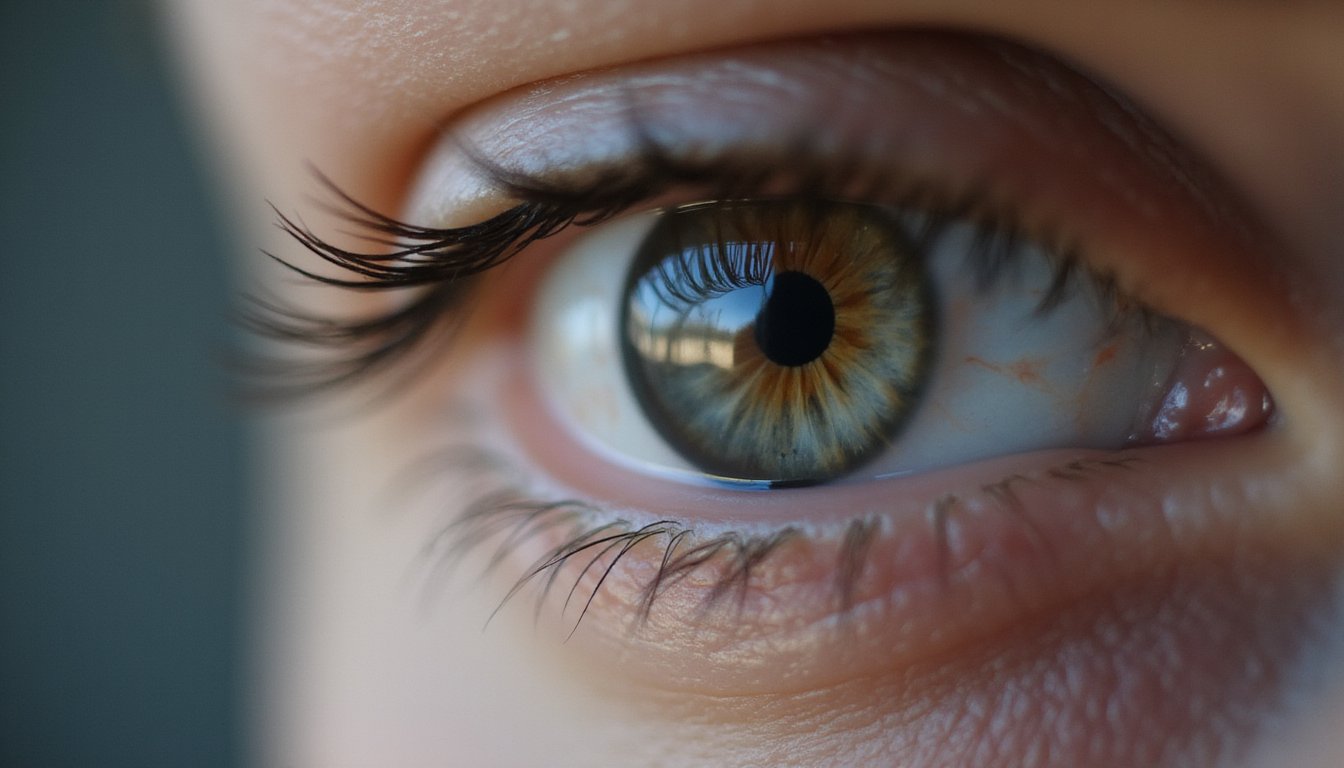
Cocaine dilates your pupils. When you use cocaine, it triggers your sympathetic nervous system‘s fight-or-flight response, causing mydriasis, significant pupil enlargement. This dilation occurs because cocaine acts directly on your central nervous system, stimulating adrenergic pathways that control the iris dilator muscle.
So does cocaine dilate pupils in every case? The effect is consistent and immediate upon use, persisting until the drug clears your system. Your dilated pupils allow increased light entry, heightening photosensitivity and disrupting normal visual processing. Excessive cocaine use can also damage the liver, potentially leading to jaundice in the eyes.
While some users question whether cocaine constricts pupils, clinical evidence doesn’t support this. Pupil constriction typically indicates opioid use, not stimulant use. The degree of dilation varies based on dosage, frequency, and concurrent substance use.
Why Cocaine Makes Your Pupils So Large
When you use cocaine, the drug blocks norepinephrine reuptake at sympathetic nerve terminals, causing this neurotransmitter to accumulate in synaptic clefts and intensify its stimulatory effects on the iris dilator muscle. This neurochemical disruption triggers your body’s fight-or-flight response, flooding your system with adrenaline that directly activates the sympathetic pathway responsible for mydriasis. As a result, your pupils enlarge greatly because the combined surge of norepinephrine and epinephrine overstimulates the adrenergic receptors that control pupil dilation. This expansion allows more light to flood into the eye, which is why people experiencing cocaine-induced dilation often develop extreme light sensitivity and may resort to wearing sunglasses indoors or on overcast days.
Adrenaline Triggers Pupil Dilation
Because cocaine acts as a potent central nervous system stimulant, it rapidly engages the sympathetic nervous system and triggers the body’s fight-or-flight response. This activation prompts your adrenal glands to release adrenaline, while simultaneously flooding your brain with dopamine and other neurotransmitters.
These surging neurotransmitter levels directly cause cocaine pupil dilation by stimulating the dilator pupillae muscle in your iris. Your pupils enlarge to allow more light onto the retina, enhancing visual acuity during this heightened state of alertness. This mydriatic response occurs alongside increased heart rate and raised blood pressure as part of an integrated physiological cascade.
The degree of dilation you’ll experience depends on dosage, frequency of use, and whether you’ve combined cocaine with other substances that affect autonomic nervous system function. Frequent pupil dilation is a sign that the body is constantly being pushed into overdrive, which may indicate an underlying physiological issue that warrants professional medical evaluation. Effects of cocaine on eye pupils can also vary based on individual physiology, leading to different reactions. It’s important to note that these changes may not only be temporary but could also result in long-term alterations to vision.
Norepinephrine Reuptake Gets Blocked
At the molecular level, cocaine’s mydriatic effect stems from its blockade of norepinephrine reuptake at sympathetic nerve terminals innervating the iris dilator muscle. This blockade prevents normal catecholamine clearance from the synaptic cleft, causing norepinephrine to accumulate at postsynaptic alpha-1 adrenergic receptors. The resulting sustained receptor activation triggers radial contraction of the iris dilator muscle, producing cocaine dilated pupils through an indirect sympathomimetic mechanism.
- Dose-dependent response: Higher synaptic norepinephrine concentrations drive proportionally greater alpha-1 receptor activation, intensifying mydriasis
- Route-specific onset: Smoked crack cocaine produces near-immediate pupil dilation lasting approximately 7 minutes, while intranasal administration delays onset by several minutes with effects persisting around 30 minutes
- Clinical significance: Chronic cocaine exposure attenuates alpha-2 adrenoceptor-mediated mydriasis, indicating progressive adrenergic system adaptation
Fight-or-Flight Eye Response
Beyond this molecular mechanism at the synaptic cleft, cocaine’s pupil-dilating effect reflects a broader physiological phenomenon: the hijacking of the body’s sympathetic nervous system fight-or-flight response. When cocaine enters your bloodstream, it triggers an artificial emergency state. Your body responds as though facing immediate danger, activating survival mechanisms that evolved to enhance visual acuity during threatening situations.
Cocaine pupils remain dilated because sustained sympathetic activation overrides your parasympathetic nervous system, which normally constricts pupils during rest states. Norepinephrine floods your iris dilator muscle, causing contraction that physically expands the pupil opening. This dilation persists regardless of ambient light levels, distinguishing it from natural responses. Your pupils can’t constrict normally because cocaine maintains continuous sympathetic dominance until your body fully metabolizes the drug. Dilated pupils after cocaine use can also serve as a visual cue for those around, often indicating intoxication. This symptom may prompt concerns regarding safety and well-being, leading to interventions or conversations about substance use.
Cocaine’s Immediate Eye Effects Beyond Dilated Pupils
Beyond pupil dilation, you’ll notice cocaine triggers visible blood vessel expansion across the conjunctiva, producing the characteristic bloodshot appearance that intensifies with prolonged wakefulness. Your dilated pupils simultaneously allow excessive light to flood the retina, creating acute photosensitivity that makes bright environments uncomfortable. You may also experience involuntary horizontal or vertical eye movements, known as nystagmus, as cocaine’s central nervous system stimulation disrupts normal oculomotor control.
Bloodshot and Red Eyes
While dilated pupils represent cocaine’s most recognized ocular sign, the drug also produces conspicuous redness across the sclera and conjunctiva. When you ask does cocaine cause dilated pupils, you should also consider its vasoconstrictive properties, which narrow blood vessels and reduce oxygen delivery to ocular tissues. This oxygen deprivation triggers compensatory capillary dilation, making vessels across the eye’s surface visibly engorged and inflamed.
- Vasoconstriction cascade: Cocaine constricts blood vessels, raises blood pressure, and paradoxically causes expanded capillaries in the conjunctiva, producing persistent redness.
- Direct irritation pathways: Powder particles, smoke, or contaminated fingers transfer irritants to your corneal surface, causing epithelial scratching and inflammation.
- Sleep deprivation compounding: Extended wakefulness from stimulant use intensifies vascular inflammation, worsening redness beyond the drug’s direct pharmacological effects.
Light Sensitivity Issues
Dilated pupils don’t just change how your eyes look, they fundamentally alter how your eyes process light. When cocaine increases your pupil size, more light floods your retina, triggering photophobia. You’ll notice discomfort in bright environments, squinting at sunlight, and reaching for sunglasses indoors.
| Symptom | Clinical Mechanism |
|---|---|
| Photophobia | Excessive retinal light exposure from mydriasis |
| Dry eyes | Suppressed blink reflex reduces tear distribution |
| Bloodshot appearance | Sleep deprivation compounds ocular vasodilation |
| Prolonged sensitivity | Disrupted sympathetic nervous system regulation |
Sleep deprivation and dry eyes, both common with cocaine use, compound these effects considerably. Your cocaine pupil size changes typically resolve within one to two days as the drug metabolizes. Persistent or severe photophobia warrants prompt medical evaluation to rule out corneal damage. The effects of cocaine on eyes can also include redness and irritation that may persist even after the drug is out of the system.
Irregular Eye Movements
Cocaine doesn’t stop at dilating your pupils, it disrupts the neural circuits governing eye movement control, producing a range of involuntary ocular disturbances. Beyond dilated pupils, cocaine triggers norepinephrine flooding that overstimulates oculomotor pathways, impairing smooth pursuit and fixation stability.
- Nystagmus: You’ll experience rapid, jerky involuntary eye movements stemming from cocaine’s disruption of cerebellar and brainstem coordination. These oscillations appear shortly after use and signal acute intoxication.
- Eyelid myokymia: Stimulant-induced neural overstimulation causes involuntary eyelid fasciculations and accelerated blink rates, compounded by dehydration and sleep deprivation.
- Binocular dysfunction: Your extraocular muscles may exhibit overactivity or weakness, producing diplopia and impaired near-focus accommodation.
These oculomotor disturbances, combined with dilated pupils cocaine produces, create clinically observable markers of acute sympathomimetic intoxication.
How Cocaine Damages Your Vision Over Time
Beyond its immediate effects on pupil size, cocaine inflicts progressive, measurable damage to nearly every structure in the eye, from the corneal surface to the optic nerve. Cocaine mydriasis strains your ciliary muscles over time, weakening their ability to regulate focus and increasing light sensitivity.
Vasoconstriction reduces oxygen delivery to your retina and optic nerve, raising your risk of central retinal artery occlusion and ischemic optic neuropathy. Chronic use elevates intraocular pressure, predisposing you to angle-closure glaucoma. Your cornea suffers from reduced tear production, direct powder contact, and keratitis, while retinal vein occlusion and maculopathy compromise detailed vision.
These mechanisms operate simultaneously, compounding damage with each exposure. Retinal detachment, optic nerve degeneration, and orbitopathy represent severe endpoints of sustained cocaine use on ocular health.
Smoking, Snorting, and Injecting: Different Eye Risks
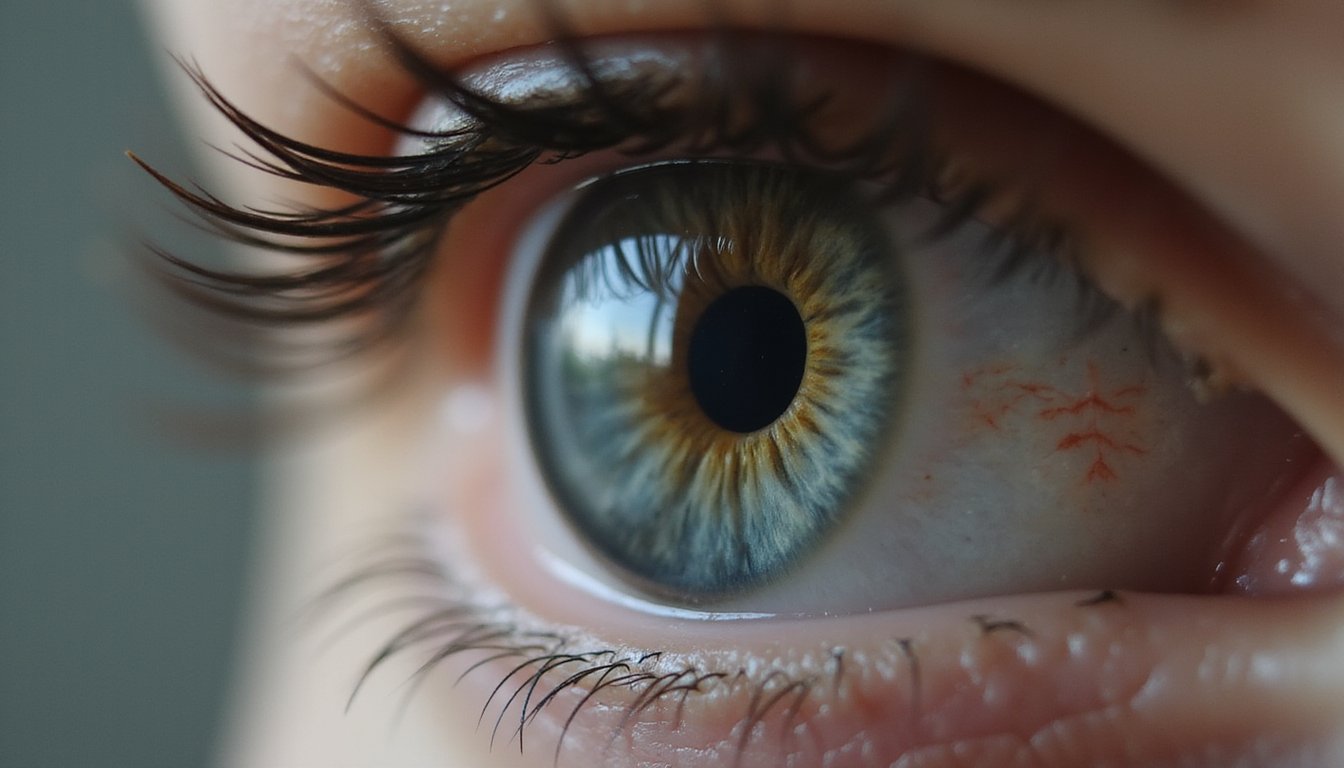
Although cocaine universally triggers mydriasis regardless of how it enters your body, the route of administration determines which ocular structures face the greatest threat, and how quickly damage begins. While asking “does cocaine make pupils big” addresses one visible symptom, the underlying damage varies markedly by method.
- Smoking exposes your corneal epithelium directly to chemical vapors, suppressing your blink reflex and causing keratitis, corneal ulcers, and permanent scarring within minutes.
- Snorting exploits the anatomical connection between your nasal cavity and orbital apex, enabling chronic sinusitis to progress into optic neuropathy and heightened intraocular pressure.
- Injecting introduces systemic risks, talc and cutting agents deposit as retinal crystals, causing talc retinopathy, while cardiovascular disruption raises your risk of retinal vein occlusion and detachment.
How Cocaine Disrupts the Way Your Brain Processes Vision
When cocaine enters your bloodstream, it blocks norepinephrine reuptake at synaptic terminals, flooding your brain with heightened concentrations of this neurotransmitter and activating the sympathetic nervous system‘s fight-or-flight cascade. Simultaneously, dopamine and adrenaline surges amplify cocaine pupil dilation, forcing the iris dilator muscle into sustained contraction.
This mydriatic response increases light penetration through the enlarged pupil aperture, heightening photosensitivity and causing discomfort under standard illumination. At higher doses, cycloplegia paralyzes the ciliary muscle, eliminating your eye’s accommodative capacity and producing marked near-vision deficits.
Chronic exposure compounds these disruptions. Sustained stimulant activity drives upper eyelid retraction, accelerating corneal desiccation through increased surface exposure. Retinal vasculature faces additional risk, as cocaine-induced vasoconstriction can trigger vascular occlusive events, potentially causing irreversible vision loss through compromised retinal blood flow.
Call Now and Simplify Your Recovery Journey
Cocaine addiction can affect your body, mind, and daily life in ways that feel hard to manage on your own. At Villa Wellness Center in Sicklerville, NJ, our experienced team provides trusted Drug Addiction Treatment with care, compassion, and a personalized approach. Call +1 (844) 609-3035 today and take the first step toward lasting recovery.
Frequently Asked Questions
How Long Do Pupils Stay Dilated After Using Cocaine?
Your pupils typically stay dilated for 1, 2 hours after using cocaine, though they can remain enlarged for several hours depending on your dosage, tolerance, and route of administration. Cocaine inhibits norepinephrine reuptake in your sympathetic nervous system, sustaining mydriasis throughout the drug’s active period. You’ll generally see your acute ocular symptoms, including dilation and conjunctival redness, resolve within 24, 72 hours after your last use. Chronic use may extend this recovery timeline considerably.
Can Eye Doctors Tell if Someone Has Used Cocaine?
Eye doctors can sometimes detect signs consistent with cocaine use, but they can’t confirm it through an eye exam alone. They may notice mydriasis, bloodshot eyes, corneal irritation, or retinal damage like talc retinopathy from cutting agents. However, these findings aren’t exclusive to cocaine use. You’d need additional clinical evaluation and toxicology screening for a definitive determination, as many conditions produce similar ocular presentations.
Do Cocaine-Dilated Pupils Return to Normal Size on Their Own?
Yes, your cocaine-dilated pupils typically return to normal size on their own. As your body metabolizes and eliminates cocaine, your parasympathetic nervous system gradually regains control over pupillary constriction. Most acute mydriasis resolves within one to two days. However, factors like dosage, metabolic rate, and route of administration influence your recovery timeline. If you’ve used cocaine chronically, you may experience persistently altered pupil responsiveness that requires professional evaluation.
Can Eye Drops Reverse Cocaine-Induced Pupil Dilation?
Certain eye drops can counteract cocaine-induced pupil dilation. Pilocarpine, a direct-acting parasympathomimetic, contracts your iris sphincter muscle to constrict the pupil regardless of sympathetic stimulation. Apraclonidine, an alpha2 agonist, produces minimal constriction (mean −0.4 mm) in normal pupils due to its weak alpha1 activity. However, you shouldn’t use these drops without medical supervision, as they can affect intraocular pressure and accommodation. Your pupils will also normalize naturally as cocaine’s reuptake-blocking effects diminish.
Does Mixing Cocaine With Alcohol Change Its Effects on Pupils?
Mixing cocaine with alcohol can intensify pupil dilation because both substances stress your cardiovascular and nervous systems simultaneously. When you combine them, your liver produces cocaethylene, a metabolite that prolongs stimulant effects, potentially sustaining mydriasis longer than cocaine alone. You’ll likely experience heightened light sensitivity and blurred vision as a result. However, specific clinical research on this combination’s pupillary effects remains limited, so individual responses can vary considerably.