




If you notice a persistent chemical smell, like cat urine, nail polish remover, or rotten eggs, coming from a neighbor’s property, it could indicate a meth lab. Watch for blacked-out windows, makeshift ventilation with fans or tubing, and unusual trash like empty cold medicine packs or stained coffee filters. Excessive security measures and late-night visitors are also red flags. These signs point to serious health and safety risks you’ll want to fully understand below.
Why Meth Labs Smell Like Ammonia and Cat Urine
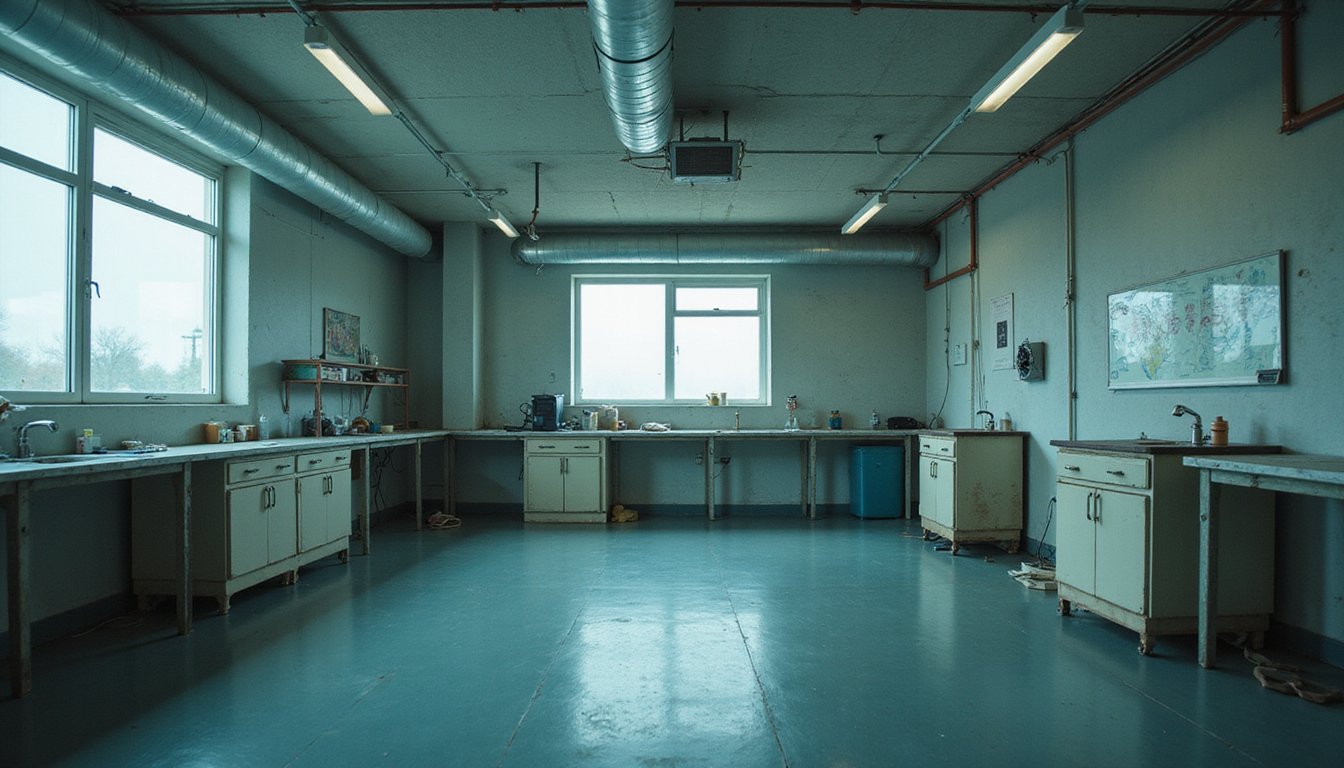
Meth labs produce a distinctive chemical odor because of the raw ingredients and volatile reactions involved in methamphetamine synthesis. Anhydrous ammonia, a critical component in the process, generates the sharp, cat urine, like smell you’ll often associate with active production. Sulfur-based compounds add a rotten egg element, while acetone releases a sweet, nail polish remover, like scent. Together, these chemicals create a layered, acrid odor that’s difficult to ignore. The smell characteristics of smoked meth can vary but often include a pungent, chemical aroma that’s unsettling.
If you’ve noticed a persistent drug smell from neighbors that combines ammonia, sulfur, and solvent-like fumes, it’s worth paying attention. These odors penetrate walls, carpets, and furniture, meaning they’ll linger long after production stops. Chemical residues continue emitting fumes, posing health risks even in dismantled labs. Continued inhalation of these fumes can cause nausea, headaches, dizziness, and serious respiratory issues. Drug smells like sweet chemicals can often lead to a false sense of safety, masking the more dangerous substances that might be present.
What a Meth Lab Smells Like From the Street
While the chemistry behind meth lab odors explains why these smells exist, recognizing them from outside a property is a different challenge. If you’re watching for signs of a meth lab next door, pay attention to strong chemical odors that drift beyond the property line. Active labs produce powerful, overpowering fumes that vary based on the production stage.
From street level, you may detect:
- Paint thinner or acetone smells resembling nail polish remover or varnish
- Ammonia odors similar to window cleaner or concentrated fertilizer
- Rotten egg or sulfur smells from sulfuric acid used in production
- Cat urine scents caused by ammonia byproducts escaping the structure
- Burnt plastic fumes resulting from volatile chemical reactions
These odors pose health risks, including headaches, nausea, and breathing difficulties. If you notice these smells combined with other warning signs such as drawn curtains and excessive nighttime activity, there is a strong likelihood of illegal drug production nearby. If you smell methamphetamine, it is crucial to take immediate action. This potent odor is often a sign of the presence of illicit drug activity.
Blacked-Out Windows, Fans, and Makeshift Ventilation
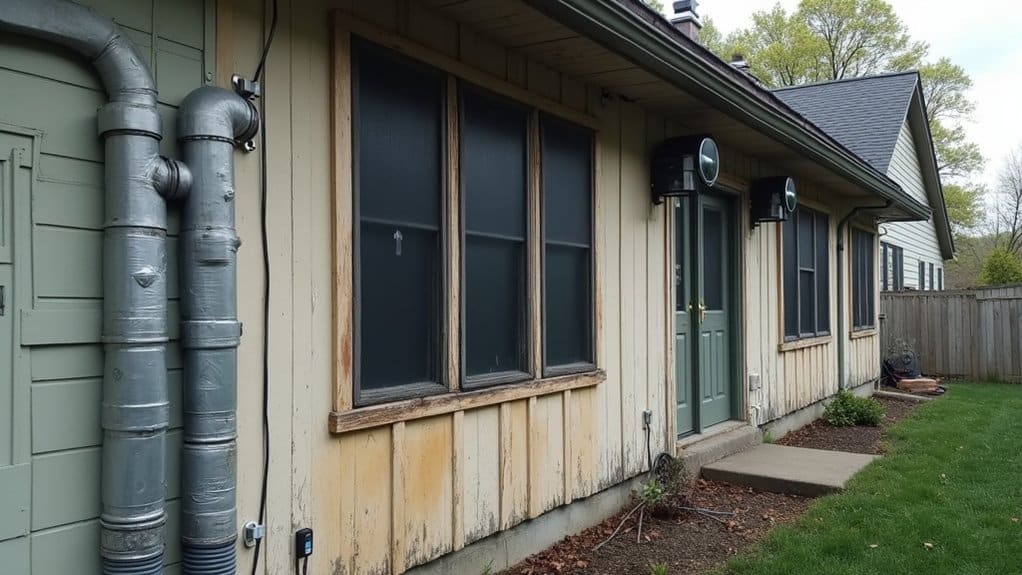
If you notice windows that are blacked out with foil, sheets, or heavy coverings at all hours, that’s a common indicator of drug manufacturing activity inside. Makeshift ventilation setups, such as furnace blowers, rubber tubing, or fans rigged to push air outside, often accompany these covered windows to expel toxic chemical fumes from the cooking process. You should also watch for windows left open during cold weather, which signals an attempt to ventilate dangerous gases when improvised systems can’t keep up. Properties involved in drug manufacturing often feature elaborate security measures, including prominent “Keep Out” signs and guard dogs, designed to deter anyone from approaching or investigating the premises.
Covered Windows Signal Trouble
When a neighbor blacks out every window with foil, heavy fabric, or paint, it’s often more than just a preference for privacy. Covered windows are one of the most visible exterior signs associated with clandestine drug manufacturing. You should watch for multiple indicators appearing together rather than relying on a single observation.
- Aluminum foil or dark plastic sheeting taped over all windows, blocking any view inside
- Heavy curtains or boards that remain in place around the clock without variation
- Covered windows paired with fans, tubing, or jury-rigged exhaust systems venting fumes outside
- Chemical odors intensifying near windows despite them being sealed shut
- No natural light visible from the property at any time of day or night
These patterns warrant serious attention and prompt reporting to local authorities.
Unusual Fan Installations
Exhaust fans that run at odd hours or appear where none existed before can point to more than a home improvement project. Unusual fan installations in residential properties often serve a specific purpose: venting hazardous chemical fumes produced during drug manufacturing. You’ll want to note whether fans operate continuously, regardless of season or temperature.
Pay attention to exhaust fan activity patterns that don’t align with normal household routines. Fans running late at night, coupled with chemical odors drifting from the property, strengthen the case for suspicion. Look for hoses or makeshift piping extending from windows or holes cut through exterior walls. Professional-grade vent hoods installed in standard residential spaces also raise concerns. These modifications typically lack integration with existing HVAC systems and suggest rapid, purpose-driven installation rather than legitimate renovation work.
Cold Weather Open Windows
Open windows during freezing temperatures stand out as one of the clearest behavioral indicators of clandestine drug production. When you notice cold weather open windows at a neighbor’s property, you’re observing a pattern that defies standard heating logic. Operators must vent toxic fumes regardless of external conditions, creating observable inconsistencies in window management.
A chemical smell from neighbors during these periods confirms the connection between ventilation behavior and production activity.
- Windows open during sub-freezing temperatures despite running heating systems
- Ventilation patterns shift abruptly, suggesting active production cycles
- Window usage doesn’t align with normal cooling or airflow needs
- Selective opening in specific rooms indicates targeted fume extraction
- Chemical odors intensify near open windows despite cold air dispersal
Security Cameras, Dead Lawns, and Chemical Residue Outside
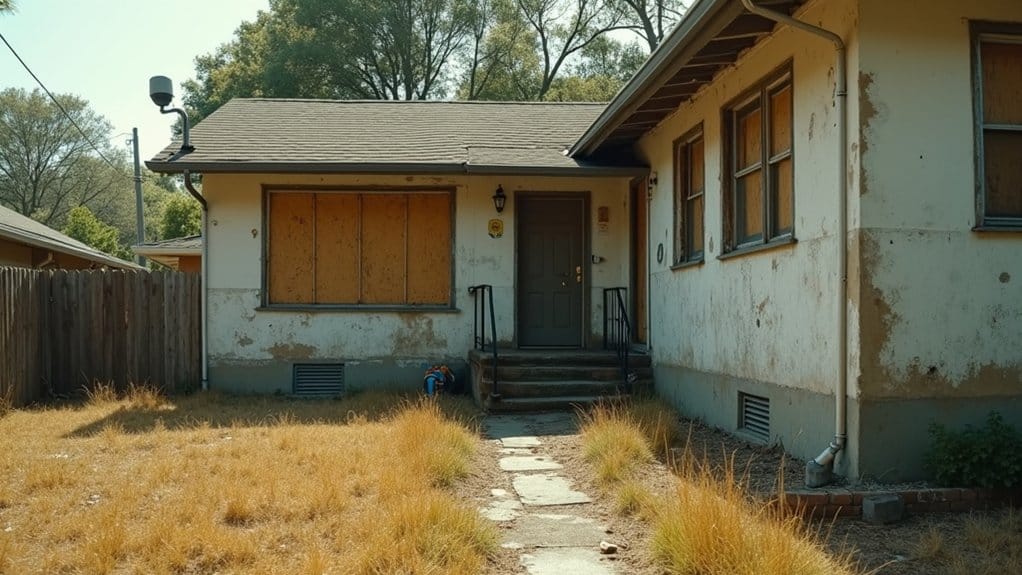
Though unusual smells and strange activity inside a home can raise suspicion, the outside of a property often reveals just as much about what’s happening behind closed doors. Key signs your neighbor is cooking drugs include elaborate surveillance equipment like video cameras or hunting cameras positioned around the perimeter, reinforced doors, and guard dogs stationed near entry points.
Dead vegetation patches, stained soil, and burn piles in the yard indicate chemical dumping. You’ll also notice extreme corrosion around roof vents, dark chemical stains on exterior walls, and discoloration on metal components or gutters. These residue patterns result from toxic byproducts venting outside. Additional red flags include unlabeled chemical containers in trash areas, unusual mechanical sounds, and significant property deterioration with excessive debris accumulation throughout the grounds.
Suspicious Trash That Points to a Meth Lab
What your neighbor throws away can reveal as much as what’s happening inside their home. If you notice trash bags filled with empty cold medicine blister packs, torn-apart lithium batteries, or containers that once held acetone, paint thinner, lye, or antifreeze, you’re likely looking at the chemical footprint of a meth lab. Coffee filters stained dark red or brown, plastic bottles modified with tubing, and large accumulations of chemical packaging all point to active drug manufacturing on the property.
Discarded Chemical Containers
Because meth production generates 5 to 7 pounds of toxic waste for every pound of drug manufactured, the trash surrounding a suspected lab often tells a revealing story. Discarded chemical containers provide some of the strongest physical evidence of illegal manufacturing activity.
Watch for these specific items in or near trash collection areas:
- Drain cleaner bottles and lye containers indicating corrosive material use
- Antifreeze containers, lantern fuel cans, and engine starting fluid cans in excessive quantities
- HEET fuel additive cans alongside empty lithium battery packages and wrappers
- Empty cold medication blister packs suggesting pseudoephedrine extraction
- Stained coffee filters and plastic soda bottles containing multi-layered liquids or white powdery residue
You shouldn’t handle these materials directly, as they’re often contaminated with toxic chemical residue.
Unusual Household Waste
Beyond the chemical containers themselves, the broader pattern of household waste can reveal even more about what’s happening inside a suspected meth lab. You should pay attention to unusual household waste that doesn’t match normal living patterns.
Look for coffee filters stained with white paste or dark red residue, which indicate chemical filtering processes. Disassembled lithium batteries and torn-apart casings suggest lithium harvesting for pseudoephedrine reduction methods. You’ll also notice plastic tubing, rubber hoses coated with chemical residue, and soda bottles modified with holes and attached tubes.
Excessive duct tape on improvised containers, rubber gloves, respiratory masks, and large quantities of cold tablet packaging further confirm suspicious activity. When you spot these items clustered together in trash piles, they form a recognizable pattern that distinguishes drug production from ordinary household disposal.
Paranoid Neighbors and Nonstop Visitors After Dark
Though unusual smells and visible waste may first draw your attention, the behavior of the people living in a suspected drug house often provides equally telling signs. Paranoid neighbors often display extreme secrecy, monitoring vehicles and strangers while rarely leaving their property. You’ll also notice frequent visitor activity after dark, with guests rotating through at irregular intervals and attempting inconspicuous entry.
Watch for these behavioral indicators:
- Excessive security measures such as cameras, “Keep Out” signs, guard dogs, or baby monitors placed outside
- Occupants who appear unemployed yet maintain regular financial activity
- Large numbers of visitors arriving at unusual hours throughout the night
- Heightened alertness to neighborhood activity and approaching vehicles
- Garbage burned on-site or transported off-property to avoid detection
Headaches, Nausea, and Other Meth Lab Health Dangers
Even if you never set foot inside a suspected meth lab, the chemicals used in production can reach you through shared walls, ventilation systems, and outdoor air. Headaches affect 17% of exposed individuals, while nausea and vomiting occur in 14% of reported cases. Dizziness, fatigue, and eye irritation are also common.
Prolonged exposure escalates the danger considerably. Chronic contact with volatile organic compounds and toxic metals increases your risk of cancer, brain damage, and liver or kidney failure. Birth defects and immunologic system damage are documented long-term consequences.
In severe cases, emergency responders have suffered permanent memory impairment from hippocampal damage. Understanding headaches, nausea, and other meth lab health dangers helps you recognize when nearby chemical exposure requires immediate action.
How Close Is Too Close to a Meth Lab?
Because active meth labs release toxic and highly combustible chemicals into surrounding air, proximity alone can determine your level of risk. Research shows the average Nashville resident lives approximately one mile from a home previously busted for meth production. If you’re wondering how to know if your neighbor is cooking drugs, consider these proximity-based risk factors:
- Active labs pose the greatest risk of illness, injury, and explosion to nearby residents
- Manufacturing chemicals are highly combustible and can ignite or detonate without warning
- Operators often smoke outdoors to avoid igniting volatile fumes inside
- Dangerous booby traps frequently secure active production sites
- Interactive mapping tools let you verify specific addresses against historical meth lab bust records
Don’t enter a suspected lab property without proper protective equipment.
Suspect a Meth Lab Next Door? Do This First
When you suspect a neighbor’s property may be an active meth lab, how you respond in the first few hours matters. Don’t approach the property or confront anyone. Instead, contact your local law enforcement non-emergency line with specific observations. Knowing how to tell if your neighbor is cooking drugs starts with documenting what you’ve noticed.
| Do This | Avoid This |
|---|---|
| Record dates and times of chemical odors | Approaching the property yourself |
| Note visitor patterns and vehicle descriptions | Confronting the suspected occupant |
| Report observations to local police | Collecting physical evidence on their property |
| Check law enforcement databases for property history | Ignoring escalating warning signs |
| Photograph visible exterior evidence from public areas | Posting accusations on social media |
Call Now and Simplify Your Recovery Journey
Drug addiction can affect your body, mind, and daily life in ways that feel hard to manage on your own. At Villa Wellness Center, our experienced team provides trusted Drug Addiction Treatment with care, compassion, and a personalized approach. Call +1 (844) 609-3035 today and take the first step toward lasting recovery. Verify your insurance today to see your coverage options and take the next step toward treatment.
Frequently Asked Questions
Can Meth Lab Chemicals Contaminate My Home’s HVAC System From Next Door?
Yes, meth lab chemicals can contaminate your home’s HVAC system from a neighboring unit. If you share ductwork or ventilation pathways, airborne residues can travel into your space and deposit inside ducts, filters, and air handler components. These contaminants persist for years and re-circulate when your system runs. You’ll need professional testing of all HVAC components and potentially full remediation, including duct cleaning, filter replacement, and post-cleanup verification sampling.
Will My Homeowner’s Insurance Cover Damage From a Neighboring Meth Lab Explosion?
Your standard homeowners insurance typically covers damage from a neighboring meth lab explosion since it’s considered an external covered peril. You’ll receive protection for structural damage, personal property losses, and additional living expenses if you can’t stay in your home. You should document all damage with photos, contact authorities immediately, and file your claim promptly. Review your policy’s specific exclusions, as contamination-related coverage varies between insurers.
Does a Nearby Meth Lab Lower My Property Value Permanently?
No, a nearby meth lab doesn’t lower your property value permanently. You’ll likely see a decline of 4.5%, 19% within the first year after discovery, with the steepest drops hitting homes within one-eighth of a mile. However, prices typically recover after roughly 400 days. If the lab property undergoes proper decontamination, values can rebound by about 5%. Properties beyond one-quarter mile generally experience minimal impact.
Can My Pets Get Sick From Meth Lab Fumes Drifting Outside?
Yes, your pets can get sick from meth lab fumes drifting outside. They’re vulnerable through inhalation, skin contact, and ingesting contaminated materials. Watch for agitation, seizures, tremors, rapid heart rate, dilated pupils, and bloody diarrhea, these indicate acute exposure. Meth labs produce 5, 7 pounds of toxic waste per pound of meth, often dumped nearby. If you suspect exposure, take your pet to a veterinarian immediately and contact local authorities.
Are Landlords Legally Responsible if Tenants Operate Meth Labs in Rentals?
Yes, you can face legal liability if tenants operate meth labs in your rental property. If you knew or should’ve known about the activity and didn’t take corrective action, you’re legally vulnerable. Many states require you to disclose previous meth contamination to prospective tenants. Oklahoma law specifically holds landlords responsible under 41 O.S. § 118. You’ll also bear cleanup costs, eviction fees, and potential tenant relocation expenses.