







If you’re detecting a sweet chemical, burnt plastic, or nail polish remover odor, you’re most likely encountering methamphetamine. Meth production relies on volatile compounds, ammonia, acetone, and lithium, that generate a sharp, bleach-like tang ten times stronger than standard cleaners. Smoked meth specifically emits a burnt plastic or melting rubber scent that lingers on fabrics and surfaces. Crack cocaine and smoked prescription opioids can produce overlapping acrid profiles, so understanding each substance’s distinct scent signature will help you identify the source accurately.
How to Identify Drugs by Their Smell
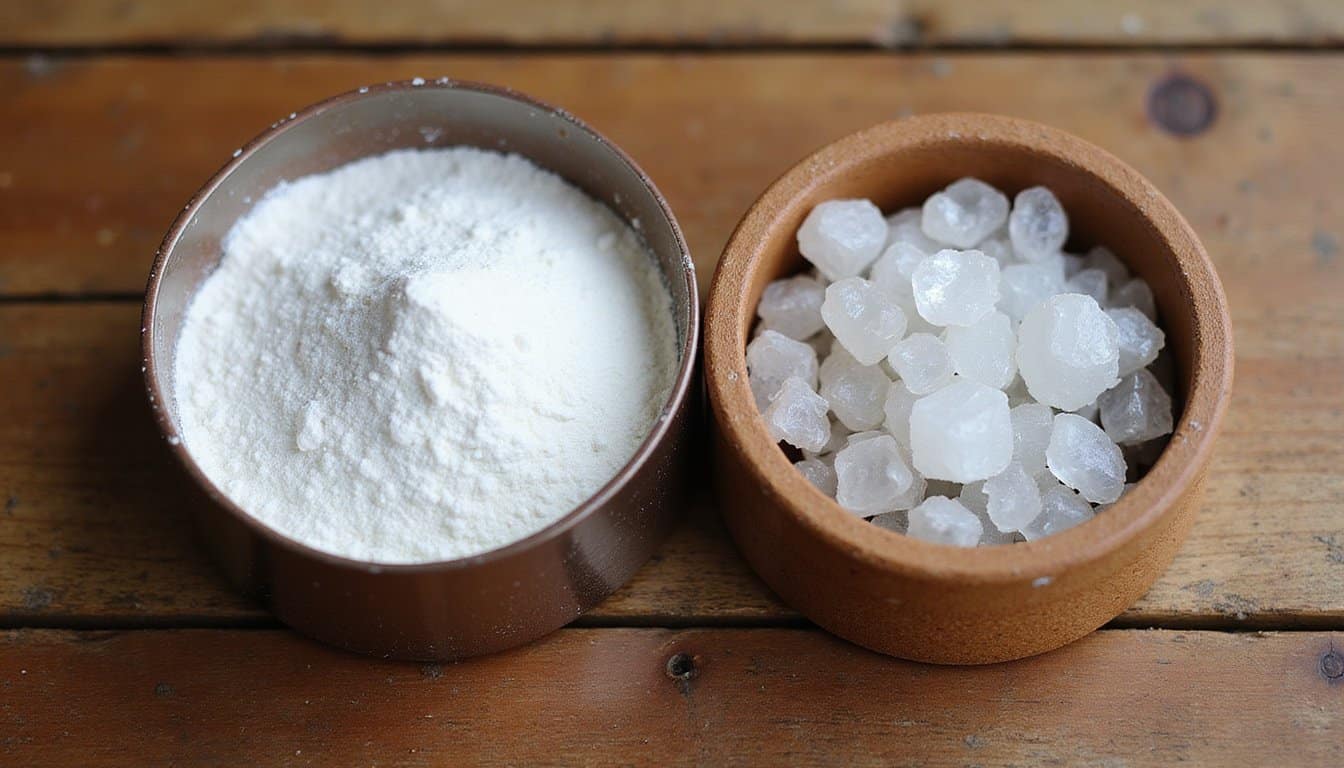
Each drug produces a distinct olfactory profile that can help you differentiate one substance from another. Heroin typically emits vinegar, burnt sugar, or tar-like odors, with black tar variants presenting particularly pungent, sour notes. Crack cocaine generates sharp, acrid scents resembling burning rubber or plastic. PCP carries a distinctive permanent marker or medicinal chemical odor that’s fairly recognizable when smoked.
When considering what drugs smell sweet, you’ll find MDMA often carries sweet, synthetic aromas resembling candy or burnt sugar. Fentanyl, while largely odorless, can produce slightly sweet, chalky notes in counterfeit pill form. You should note that scent alone isn’t a reliable identification method, as production additives, purity levels, and environmental factors markedly alter each substance’s olfactory signature. Marijuana produces a strong skunk-like odor that is most noticeable when freshly smoked and can linger on clothing, hair, and upholstery.
Meth Smells Like Ammonia, Bleach, and Burnt Plastic
Because methamphetamine production relies on volatile chemicals like anhydrous ammonia, acetone, hydrochloric acid, and red phosphorus, the manufacturing process generates a multi-layered odor profile that’s distinct from ordinary household smells. You’ll notice the ammonia component registers approximately ten times stronger than standard cleaning products, affecting your throat and breathing rhythm upon exposure. The bleach-like odor emerges during chemical extraction from precursor ingredients, while sulfuric notes resembling rotten eggs result from phosphorus reactions. The smell characteristics of smoked meth can further complicate the identification of its production environment.
When you encounter smoked methamphetamine, the scent shifts to burnt plastic or melting rubber. Crystal meth vaporizes at high temperatures, releasing chemical compounds that produce this characteristic smell. Unlike household odors that dissipate quickly, these chemical signatures persist and intensify in enclosed spaces, lingering on clothes, furnishings, and ventilation systems long after exposure. Prolonged exposure to methamphetamine can also cause permanent brain damage, memory loss, and paranoia, making it essential to seek help at the earliest signs of addiction.
Crack Cocaine Smells Like Burning Rubber or Chemicals
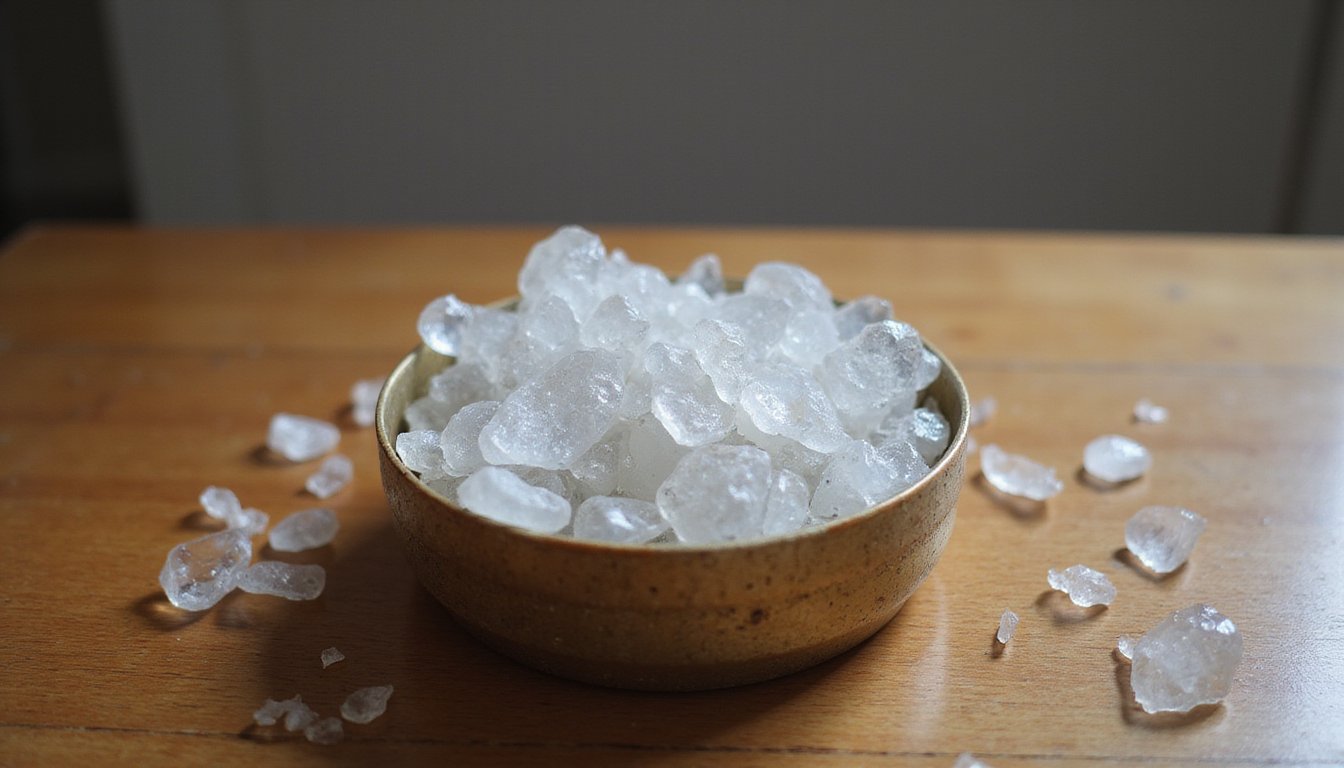
Crack cocaine produces a sharp, acrid odor when smoked, most commonly described as burnt plastic or burning rubber, that’s chemically distinct from powder cocaine’s relatively mild scent. The ammonia or baking soda used during base conversion generates these pungent compounds upon combustion. You’ll notice crack cocaine’s smell rapidly permeates enclosed spaces and clings to clothing, furniture, and walls long after use.
| Odor State | Smell Intensity | Primary Descriptors |
|---|---|---|
| Unheated rock | Virtually undetectable | No distinct odor |
| Active smoking | Intense, unmistakable | Burnt plastic, chemicals |
| Residual presence | Moderate, persistent | Chemical deposits on surfaces |
Adulterants like levamisole introduce additional sulfuric notes during heating. You can distinguish crack cocaine’s signature scent by its sharp, toxic quality that’s difficult to confuse with household odors. Crack cocaine typically appears as a hard, rock-like substance that is often white, off-white, or yellowish in color before it is heated and smoked.
Prescription Painkillers Smell Like Burnt Sugar When Smoked
Unlike crack cocaine’s harsh chemical signature, prescription opioid painkillers like OxyContin and Percocet emit a distinctly sweet odor when smoked, most commonly described as burnt sugar or burnt marshmallows. If you’re wondering what drug smells sweet when smoked, pharmaceutical opioids are the primary candidates.
Unburned pills typically lack a detectable aroma. The sweet scent emerges specifically through combustion, producing a consistent taste-and-smell profile users readily identify. This distinguishes opioid smoke from the acrid, chemical-heavy odors associated with other substances.
Several variables influence odor intensity. Pill coatings, flavorings, and formulation-specific additives alter the scent profile, some crushed pills release faint sweetness or menthol-like notes before ignition. You’ll find these pharmaceutical-grade compounds produce a markedly more pleasant aroma than street drugs, making recognition a practical identification tool for detecting pill abuse.
Heroin Smells Like Vinegar or Sweet Tar
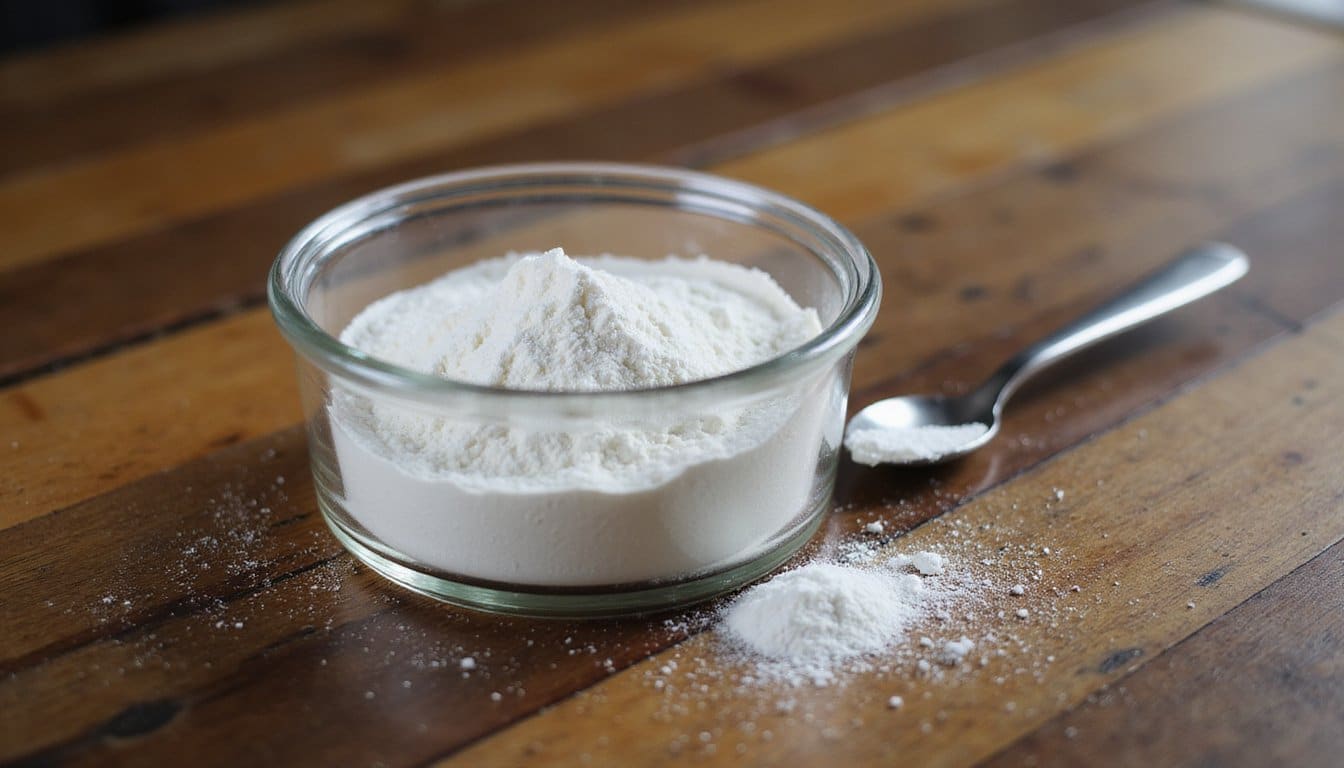
When you compare raw heroin to street-grade product, you’ll notice that pure heroin is nearly odorless, while cutting agents like powdered sugar, quinine, and acetaminophen introduce chemical and sweet undertones that alter its scent profile. If you heat heroin, particularly black tar varieties, the acetic anhydride from synthesis reacts to produce a distinctive sweet, vinegar-like odor that lingers in enclosed spaces. These cutting agents don’t just dilute potency; they fundamentally change the drug’s olfactory signature, making street heroin’s smell unpredictable and highly variable depending on its composition.
Raw Versus Street Heroin
Although pure heroin in its most refined form is nearly odorless, the vast majority of heroin encountered on the street carries a distinct vinegar-like or sweet tar scent that reflects its purity level, synthesis method, and adulterant profile. If you’re wondering what drug smells like vinegar, street heroin is the most common answer. Cutting agents, including fentanyl, baking soda, and powdered milk, significantly alter each batch’s scent signature.
- High-purity heroin produces a milder, slightly sweet odor due to refined processing and chemical masking agents
- Black tar heroin emits a pungent vinegar or cat urine smell that intensifies when heated
- Brown powder heroin generates a moderately acidic chemical odor, often amplified by hazardous adulterants like laundry detergent
Each formulation’s odor profile directly correlates with its refinement level and additive composition.
Heated Heroin’s Sweet Odor
Heating heroin fundamentally changes its odor profile, shifting the scent from the raw vinegar-like notes described above to a distinctly sweet, burnt sugar aroma. When you’re wondering what drug smells like burnt plastic, heroin’s thermal decomposition produces volatile organic compounds that generate this characteristic sweetness. Heated heroin’s sweet odor intensifies with higher purity levels, producing a cleaner yet more pungent scent.
Black tar heroin specifically emits roofing tar and burnt rubber notes when heated on foil, while purer forms release stale cotton candy or baked goods aromas. The heating method directly determines whether sweet or acidic odors predominate. Acetic anhydride breakdown produces lingering vinegar undertones, but the dominant sensory marker remains the unmistakable burnt sugar scent that distinguishes smoked heroin from other combusted substances.
Cutting Agents Alter Smell
Because heroin’s manufacturing process involves boiling morphine with acetic anhydride, the final product retains trace amounts of acetic acid, the exact chemical compound responsible for vinegar’s distinctive smell. Cutting agents fundamentally alter this baseline odor profile.
When dealers add powdered sugar, lactose, caffeine, or acetaminophen, the resulting mixture produces distinct cat urine, kitty litter, or medicinal aromas alongside vinegar notes. Those investigating what drug smells like nail polish remover should note that chemical cutting agents create overlapping scent signatures across substances.
- Powdered heroin cut with multiple additives generates layered odors combining vinegar, vitamins, and Band-Aid-like scents
- Black tar heroin contains maximum additives from crude processing, producing the strongest vinegar pungency of all variants
- Chemical cutting agents intensify overall odor potency when multiple substances combine during distribution
PCP Smells Like a Permanent Marker
When PCP (phencyclidine) is smoked, it produces a sharp, potent chemical scent most commonly compared to the smell of a permanent marker. This distinctive odor originates from volatile compounds released during combustion of the synthetic dissociative. If you’re wondering what drug smells like acetone, PCP’s ether-like aroma shares similarities but remains distinguishable by its marker-specific characteristic.
| Feature | PCP | Methamphetamine |
|---|---|---|
| Primary Odor | Permanent marker | Burnt plastic |
| Chemical Profile | Ether-like, medicinal | Ammonia, acetone |
| Odor Persistence | Clings to fabrics, surfaces | Moderate lingering |
The scent adheres to clothing and indoor environments, persisting based on ventilation conditions. You’ll notice PCP’s marker-like smell differentiates it from crack cocaine and meth, making identification more reliable during active use.
Inhalants Leave a Strong Gasoline-Like Chemical Smell
Inhalants produce a strong gasoline-like chemical smell that’s often the most immediate indicator of active abuse, since these substances exit the body primarily through exhaled breath rather than other metabolic pathways. If you’re wondering what drug smells like gasoline, volatile solvents, including toluene, benzene, xylene, and hexane, are the most likely source.
- Volatile solvents generate petroleum-like odors detectable on breath and clothing, with chemical compounds requiring approximately two weeks for complete systemic elimination.
- Aerosol propellants from spray paint, hair spray, and deodorants release synthetic chemical vapors that persist beyond the brief intoxication window.
- Cleaning fluids and degreasers produce pungent solvent-based smells that intensify with repeated inhalation sessions.
You’ll often observe accompanying signs like red eyes, nosebleeds, and characteristic “huffer’s rash” alongside these chemical odors.
Steps to Take If You Smell Drugs at Home
If you detect unfamiliar drug-related odors in your home, you should stay calm, assess the situation systematically, and avoid jumping to conclusions before gathering sufficient evidence. Document the specific locations, times, and patterns of the smells while preserving any physical evidence, such as paraphernalia, residue, or scent-absorbing materials, that could help professionals identify the substance involved. Once you’ve established a factual baseline, seek professional help immediately through addiction specialists, healthcare providers, or intervention services who can guide your next steps with evidence-based strategies.
Stay Calm, Assess Safely
Detecting an unfamiliar chemical odor in your home doesn’t automatically confirm drug activity, but it does warrant a measured, systematic response. Before jumping to conclusions about what drug smells like burnt rubber or chemical solvents, you’ll want to rule out benign sources like malfunctioning appliances, cleaning products, or HVAC issues.
- Identify the odor’s origin: Systematically trace the smell to its strongest concentration point. Chemical odors from burnt plastic, ammonia, or acetone can originate from household items rather than illicit substances.
- Ventilate immediately: Open windows and doors to reduce potential inhalation exposure, particularly if the odor is sharp or acrid.
- Document your observations: Note the smell’s intensity, timing, and location. This data proves essential if you need to contact authorities or poison control.
Document and Preserve Evidence
Once you’ve traced the odor’s origin and ventilated the area, your next priority shifts to documentation. Record the exact time, date, and location where you detected the smell. Note specific odor characteristics, whether it resembles burnt plastic, ammonia, or acetone, since identifying what drugs smell like burnt rubber or chemical solvents helps authorities narrow their investigation.
Photograph any suspicious items, residue, or paraphernalia without handling them directly. Physical contact can compromise evidence integrity and expose you to hazardous substances. Use your phone’s voice memo function to capture detailed observations while they’re fresh.
Don’t attempt to collect, move, or dispose of any materials. Preserve the scene exactly as you found it. Store your documentation securely and contact local law enforcement promptly, providing your recorded details to support their professional assessment.
Seek Professional Help Immediately
After you’ve documented the scene and secured ventilation, contacting professional responders becomes your most critical next step. If you’re wondering what drug smells like ammonia combined with burnt plastic or acetone, you’re likely detecting methamphetamine production or use. These chemical signatures indicate potentially hazardous exposure requiring trained intervention.
- Call 911 or your local poison control center if you experience respiratory distress, headaches, or nausea from chemical fume exposure, as meth-related compounds pose acute inhalation risks.
- Contact law enforcement’s narcotics division to report suspected drug manufacturing activity, since ammonia and acetone odors may indicate an active clandestine lab nearby.
- Reach out to SAMHSA’s National Helpline (1-800-662-4357) if a household member’s substance use is the source, connecting you with treatment referral specialists immediately.
Call Now and Simplify Your Recovery Journey
Drug addiction can affect your body, mind, and daily life in ways that feel hard to manage on your own. At Villa Wellness Center, our experienced team provides trusted Drug Addiction Treatment with care, compassion, and a personalized approach. Call +1 (844) 609-3035 today and take the first step toward lasting recovery. Verify your insurance today to see your coverage options and take the next step toward treatment.
Frequently Asked Questions
Can Drug Smells Linger in a House Long After Use Has Stopped?
Yes, drug smells can linger in your house long after use has stopped. If someone’s smoked meth in a room, you’ll likely notice that burnt plastic or ammonia-like odor clinging to fabrics, carpets, and porous surfaces for extended periods. The chemical compounds absorb into these materials, making them difficult to eliminate through standard cleaning. You’ll typically need professional remediation to fully remove embedded methamphetamine residue and its associated odors.
Do Drug Smells Pose Health Risks to People Nearby?
Yes, drug-related chemical odors can pose significant health risks to you if you’re nearby. Secondhand meth smoke accumulates in enclosed spaces, creating respiratory exposure through lingering residue on surfaces and fabrics. You’ll also face passive exposure when users excrete drug metabolites through sweat, emitting ammonia-like compounds. If you’re near a meth production site, volatile chemicals like acetone and sulfuric acid create toxic atmospheric conditions, causing chronic low-level chemical exposure.
Why Do Different Batches of the Same Drug Smell Different?
Different batches smell different because manufacturers use varying chemical precursors, cutting agents, and production methods. You’ll notice that purity levels directly influence scent intensity, higher purity produces cleaner, more pungent odors, while adulterants introduce burnt or chemical smells. The specific synthesis pathway chosen, environmental controls during production, and inconsistent formulations across batches all create unpredictable olfactory variations, making it unreliable to identify substances by smell alone.
Can Dogs Detect Drug Odors That Humans Cannot Smell?
Yes, dogs can detect drug odors you’d never notice. Their olfactory system contains approximately 300 million scent receptors compared to your six million, giving them detection capabilities up to 100,000 times more sensitive than yours. They can identify trace amounts of substances at concentrations as low as parts per trillion. This means dogs can detect residual drug odors on surfaces, clothing, and in environments long after you’ve stopped noticing any scent.
Does Weather or Humidity Affect How Far Drug Smells Travel?
Yes, weather and humidity directly influence how far drug odors travel. You’ll find that higher humidity increases moisture in the air, which helps odor molecules bind and disperse over greater distances. Wind speed and direction also affect scent plume distribution. Conversely, cold, dry conditions tend to suppress volatilization, reducing how far you’d detect these smells. However, peer-reviewed research specifically quantifying weather’s impact on drug odor transmission remains limited.