







Yes, you can smell methamphetamine on a person and in a house, though the odor’s intensity depends on the method of use and environmental exposure. Smoked meth produces a burnt plastic or acrid chemical scent, while meth labs emit sharp ammonia, ether, and acetone fumes. Volatile organic compounds permeate fabrics and building materials, causing odors to linger for weeks. Understanding how these distinct chemical signatures vary by context can help you identify potential contamination and respond appropriately.
What Does Meth Actually Smell Like?
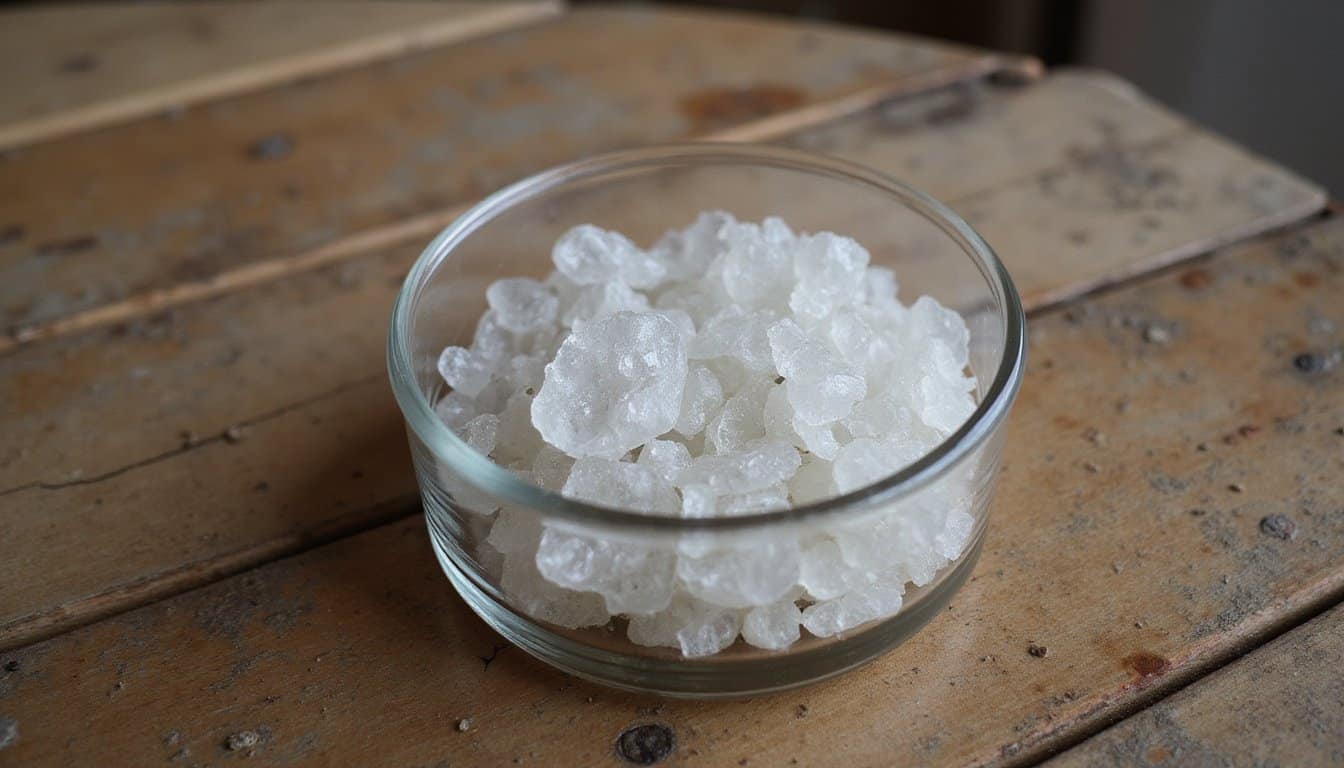
How exactly would you recognize the smell of methamphetamine if you encountered it? Pure crystal methamphetamine contains minimal odor on its own. The characteristic smell originates from chemical impurities and residual solvents retained during synthesis. You’ll typically detect a sharp, ammonia-like scent combined with acetone or nail polish remover notes. Some batches produce a sweet, metallic, synthetic odor, while others emit bitter, sulfurous fumes resembling rotten eggs.
When considering what does meth smell like on a person, you’ll notice these chemical signatures clinging to clothing, skin, and hair. The volatile compounds evaporate at room temperature, releasing detectable molecules that create a layered chemical bouquet. Common comparisons include cat urine, paint thinner, glass cleaner, and vinegar with a distinctive chemical tang. When meth is smoked, it may also produce a distinct scent resembling burnt rubber or plastic that can further permeate a person’s belongings and surroundings.
What Does Meth Smell Like When Smoked?
When you smoke methamphetamine, the heat vaporizes its chemical compounds and produces a distinct burnt plastic or rubber odor that’s sharper and more acrid than the drug’s baseline scent. Beneath that harsh, metallic top note, you’ll detect a faintly sweet, chemical-like undertone that distinguishes smoked meth from the stronger ammonia and solvent odors associated with production labs. The resulting smoke, though less pungent than tobacco or marijuana, deposits residue onto clothing, fabrics, and surfaces, creating a lingering odor that persists well after active use has stopped. Inhaling this secondhand smoke can cause immediate physical symptoms such as headaches, dizziness, and nausea, making it important to leave the area and seek fresh air if you detect the odor.
Burnt Chemical Scent
Have you ever caught a sharp, acrid whiff that resembles burning plastic or melted synthetic material? When methamphetamine is smoked at high temperatures, it produces a distinct burnt-chemical odor driven by volatile organic compounds released during vaporization. You’ll detect a harsh, metallic tone beneath a faintly sweet, synthetic quality that distinguishes it from other substances. This lingering scent can permeate indoor environments, and if combined with signs like blackened windows or unusual waste, it may indicate proximity to illegal meth labs. Detecting sweet chemical odors can often lead to the realization that something is amiss.
- Sharp vaporization byproducts: High-temperature smoking releases VOCs that create an intense, acrid scent profile resembling melted plastic or industrial cleaning agents.
- Persistent chemical residues: The burnt-chemical odor clings to clothing, hair, and furniture fibers, remaining detectable long after active use ceases.
- Respiratory irritation markers: Exposure to these toxic vapors can trigger nausea, headaches, and respiratory distress, signaling contaminated air quality in enclosed spaces.
Sweet Underlying Smell
Beneath the harsh, acrid bite of burnt chemicals, smoked methamphetamine carries a surprisingly sweet undertone that many people don’t expect. This sweet underlying smell results from incomplete combustion during vaporization, producing distinct byproducts that differ fundamentally from manufacturing-stage compounds.
You’ll notice this sweetness is subtler than the dominant chemical profile and doesn’t cling to surfaces as persistently. Your ability to detect it depends on individual olfactory sensitivity, ventilation conditions, and whether concurrent burnt plastic odors mask the sweet component. In poorly ventilated spaces, the sweet underlying smell lingers longer because airflow can’t disperse volatile compounds effectively. Unlike meth lab odors dominated by ammonia and volatile organic compounds, smoked methamphetamine’s sweetness represents a distinct olfactory signature tied specifically to consumption rather than production-stage chemical reactions.
Lingering Smoke Odor
Beyond that subtle sweetness, smoked methamphetamine produces a far more dominant and persistent odor profile, a lingering smoke that’s difficult to eliminate once it settles into an environment. When heated, crystal meth vaporizes and releases volatile organic compounds that generate a burnt-chemical scent resembling melting plastic, ammonia, or acetone. These VOCs adhere to clothing fibers, carpets, and furniture, creating prolonged smell retention that persists long after active use stops.
- Material absorption: Fabric-based surfaces trap volatile organic compounds, continuously emitting detectable chemical odors even after ventilation attempts
- Meth sweat smell: Repeated use produces a distinctive sour, chemical body odor that clings to skin, hair, and clothing
- Environmental contamination: Toxic residues disperse throughout enclosed spaces, affecting multiple rooms and remaining identifiable for extended periods
Ammonia, Ether, and Other Meth Lab Smells
Methamphetamine production generates a complex mixture of chemical odors, with ammonia, ether, and various industrial solvents ranking among the most recognizable. Ammonia produces a sharp, irritating scent, often ten times stronger than household ammonia, that causes eyes to water and affects breathing rhythm. Ether contributes a distinctive hospital-like, sweet-smelling chemical odor classified as an aromatic nasal irritant. Acetone and toluene release harsh fumes resembling nail polish remover or paint thinner.
If you’re wondering whether can you smell meth on someone, these byproduct odors offer critical indicators. Methylamine gas produces a cat urine-like smell, while sulfur-based substances generate rotten egg odors. Because no standardized production method exists, smell profiles vary considerably between batches, ranging from ammonia to burning plastic to fuel-like scents depending on the specific synthesis method used.
How to Tell If a House Was a Meth Lab
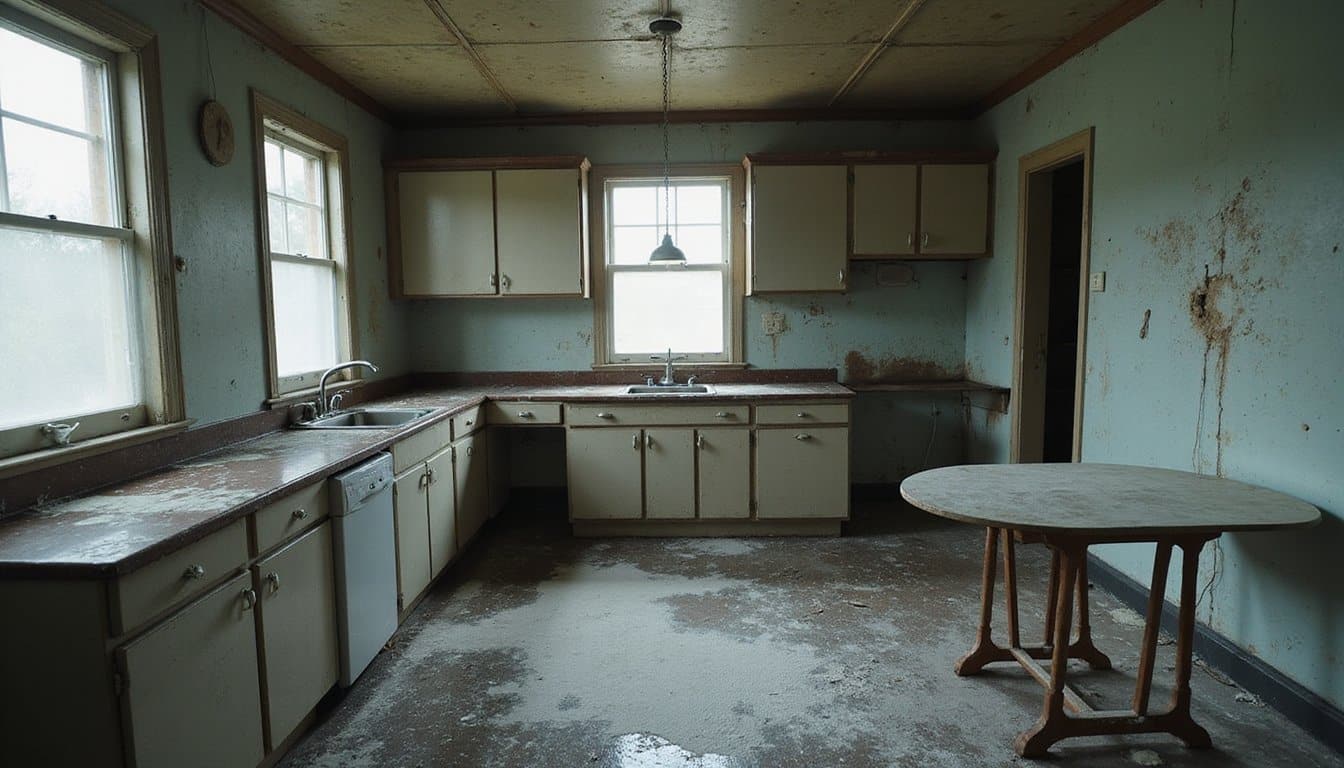
Several distinct physical and chemical indicators can reveal whether a property once served as a clandestine methamphetamine laboratory, even years after production has ceased. You’ll want to examine both exterior and interior environments systematically, as contamination evidence persists in predictable patterns.
- Chemical residue markers: White powdery deposits on surfaces, stained coffee filters with dark red or brown discoloration, and multilevel fluids in glass containers indicate prior chemical processing activity.
- Structural contamination: Walls, flooring, and HVAC systems absorb chemical residues that produce a persistent meth house smell, often detectable even after superficial cleaning attempts.
- Exterior warning signs: Dead vegetation, burn pits, chemical waste evidence in yards, and blacked-out windows suggest historical manufacturing operations.
You can verify suspicions through the DEA’s National Clandestine Laboratory Register or qualified contractors performing specialized methamphetamine testing.
Why Meth Smell Sticks to Everything
Unlike most household odors that dissipate within hours, meth smell persists because its chemical residue actively bonds to surfaces at a molecular level. When you smoke or cook meth, the process releases oily compounds that adhere to porous materials, drywall, carpet fibers, upholstery, and ventilation systems. These residues embed deep within substrates, making surface-level cleaning ineffective.
Meth fumes contain volatile organic compounds derived from precursors like pseudoephedrine, ammonia, and acetone. These chemicals don’t simply evaporate; they penetrate building materials and continue off-gassing for weeks or months. You can’t neutralize this contamination with air fresheners or standard detergents because the residue exists below the surface layer. Professional decontamination remains the only reliable method for eliminating embedded methamphetamine residue and its associated health risks from contaminated properties.
Can You Smell Meth on a Person From a Distance?

How far can methamphetamine’s odor travel from someone who uses it regularly? If you’re wondering can you smell meth on a person, the answer depends on proximity and environmental conditions. The body metabolizes methamphetamine and releases chemical byproducts through sweat glands, pores, and breath, creating a distinct odor signature that intensifies with prolonged use.
- Enclosed spaces amplify detection range, making the chemical scent noticeable in cars or small rooms
- Proximity matters, you’ll detect the sharp chemical odor more readily within close range than across open areas
- Standard hygiene products can’t mask the systemic chemical emissions from long-term methamphetamine metabolism
Unlike meth lab fumes, the smell emanating from a person produces a fainter, subtler chemical vapor. You’ll notice it most when standing nearby rather than from significant distances. What does meth smell like? It often has a distinct odor resembling ammonia or cat urine, which can be quite off-putting. Many people may also describe a sweet, chemical scent that lingers long after exposure.
Why Meth Houses Smell Different From the Street
Because methamphetamine production involves reactive chemicals like ammonia, lithium, sulfuric acid, and hydrogen peroxide, a meth house generates a fundamentally different odor profile than what you’d detect from someone smoking the drug on the street. Production creates composite chemical signatures resembling paint thinner, gasoline, and nail polish remover, whereas consumption produces a lighter, sweeter scent.
Manufacturers use fans, furnace blowers, and non-standard ventilation to expel toxic fumes, creating concentrated external odor plumes. Blackened windows increase internal air pressure, forcing odor molecules through seals and door frames. These layered production smells are qualitatively harsher than meth body odor or smoked residue. You’ll detect lab odors at notably greater distances because multiple simultaneous chemical reactions produce substantially more potent, pungent compounds.
Can Meth Fumes in a Home Make You Sick?
If you’re living in a home contaminated with methamphetamine residue, you’re at measurable risk for adverse health effects even without direct drug contact. Inhalation of volatile organic compounds and chemical residues triggers respiratory irritation, headaches, skin rashes, and neurological symptoms, particularly in children who may develop sleep disturbances, anxiety, and ADHD-like behavioral changes. A multi-case study of 63 individuals across 25 contaminated properties confirmed these symptoms at environmental contamination levels as low as 11.7 µg/100 cm², with health effects resolving only after relocation from the affected premises.
Health Risks From Exposure
Even when meth isn’t actively being smoked or manufactured, residual fumes and chemical residue in a contaminated space can trigger measurable health effects. If you’re wondering what does meth smell like in a car, the chemical, sour odor you detect signals volatile organic compounds actively off-gassing from contaminated surfaces. These VOCs penetrate fabrics, upholstery, and ventilation systems, creating sustained inhalation exposure in enclosed environments.
- Acute symptoms include headaches, nausea, respiratory distress, and burning sensations in your eyes, nose, and throat within minutes of exposure
- Chronic effects from prolonged contact involve respiratory infections, reduced lung function, nervous system damage, and potential carcinogenicity from VOC accumulation
- Vulnerable populations, particularly children, infants, and immunocompromised individuals, face disproportionately heightened risks, including asthma-like symptoms, behavioral changes, and developmental complications.
Symptoms of Meth Inhalation
Meth fumes don’t just leave behind a detectable odor, they produce measurable physiological responses across multiple organ systems. You may experience respiratory distress, including shortness of breath, persistent coughing, and lung congestion. Neurologically, exposure triggers headaches, dizziness, tremor, and impaired coordination.
Cardiovascular symptoms include tachycardia, hypertension, and irregular heartbeat patterns. If you’re wondering what does meth breath smell like, it’s often described as a sharp chemical or metallic taste, matching the dry mouth and metallic sensations reported during inhalation events.
Acute neuropsychiatric effects encompass hallucinations, agitation, paranoia, and severe insomnia. You’ll also notice eye irritation, nausea, and potential chemical burns to skin and nasal passages from corrosive residue exposure. These symptoms manifest at both low and high concentration thresholds, confirming meth fumes pose genuine clinical risk.
What to Do If Your Home Smells Like Meth
Discovering a chemical, sour, or cat-urine-like odor in your home demands an immediate and methodical response, as prolonged exposure to methamphetamine residue poses serious health risks, particularly for children, pregnant women, and individuals with respiratory conditions. Other warning signs of drug production can include unusual security measures, such as reinforced windows or surveillance cameras.
If you smell something chemical or sour at home, act fast, meth residue poses real dangers to your family’s health.
If you detect the smell of meth in house environments, follow these critical steps:
- Evacuate immediately, relocate all occupants to a well-ventilated outdoor area and contact 911 if you suspect active manufacturing.
- Commission professional testing, certified hazardous material specialists can assess surface contamination levels throughout your property.
- Engage certified remediation services, technicians remove porous materials, decontaminate HVAC systems, and apply industrial-grade chemicals to eliminate embedded residue.
Simple cleaning won’t resolve contamination. Document everything for potential insurance or legal proceedings.
How Meth Smell Differs by Method of Use
The method you use to consume methamphetamine directly determines the odor profile you’ll encounter, as each route of administration involves distinct chemical processes that produce different volatile compounds. When you smoke meth, the thermal decomposition of the crystal structure at high temperatures generates a characteristic burnt plastic and sweet chemical scent that settles into surrounding surfaces and fabrics. In contrast, snorting and injecting meth produce markedly subtler olfactory signatures, since these methods bypass the vaporization process that releases the most detectable airborne compounds.
Smoked Meth Odor Profile
How distinct is the smell of smoked methamphetamine compared to other methods of use? When you vaporize crystal meth at high temperatures, it releases volatile chemical compounds that produce a characteristic burnt-chemical and melting-plastic scent. You’ll detect a sharp, metallic tone layered beneath a faintly sweet undertone, a combination that’s noticeably lighter than production-facility odors. Does meth make you smell? The residual smoke clings to clothing, hair, and surfaces, creating a persistent olfactory signature that’s difficult to eliminate.
- Dominant scent profile: Burnt plastic fused with sharp, metallic chemical fumes and a subtle sweetness underneath
- Residual persistence: Odor accumulates in enclosed spaces and triggers nausea or headaches with extended exposure
- Distinguishing marker: Absence of ammonia or rotten-egg notes separates smoked meth from manufacturing odors
Snorted Versus Injected Scents
When you shift from smoking to snorting methamphetamine, the scent profile changes dramatically because the drug interacts with nasal tissue rather than vaporizing at high temperatures. Snorted meth produces a sharp ammonia or acetone-like odor detectable within the nasal cavity, while injected meth generates minimal external scent since it bypasses mucosal membranes entirely.
| Factor | Snorted Meth | Injected Meth |
|---|---|---|
| Primary Odor | Ammonia, battery acid, nail salon chemicals | Minimal external scent |
| Onset of Detection | 3, 5 minutes post-administration | Immediate systemic absorption |
| Residual Scent Source | Nasal drainage, breath, clothing | Sweat, body odor |
Does meth make you stink? Chronic snorting causes caustic chemical residue to accumulate in nasal passages, producing a persistent sour or chemical body odor through sweat and breath excretion.
Call Now and Simplify Your Recovery Journey
Drug addiction can affect your body, mind, and daily life in ways that feel hard to manage on your own. At Villa Wellness Center in Sicklerville, NJ, our experienced team provides trusted Drug Addiction Treatment with care, compassion, and a personalized approach. Call +1 (844) 609-3035 today and take the first step toward lasting recovery. Verify your insurance today to see your coverage options and take the next step toward treatment.
Frequently Asked Questions
Does Meth Smell Differently Depending on Its Purity Level?
You won’t find well-documented clinical evidence confirming that meth’s odor profile shifts predictably with purity level. However, you can reasonably infer that lower-purity batches retain more residual solvents, precursors, and byproducts, such as acetone, ammonia, or phosphine, which intensify chemical odors. Higher-purity methamphetamine likely carries a subtler scent because fewer contaminants remain. Without peer-reviewed studies directly correlating purity thresholds to distinct olfactory markers, this relationship remains largely anecdotal rather than empirically established.
Can Pets Detect the Smell of Methamphetamine in a Home?
Your pets can likely detect methamphetamine residue in a home, though research specifically on household pets remains limited. Dogs possess approximately 300 million olfactory receptors compared to humans’ 6 million, giving them considerably greater scent detection capabilities. Law enforcement K-9 units reliably identify meth at trace concentrations, suggesting domestic dogs can also perceive these chemical compounds. You shouldn’t rely on pet behavior alone, however, as professional contamination testing provides more definitive results.
How Long Does Meth Odor Linger on Clothing After Exposure?
Meth odor can linger on your clothing for hours to several days, depending on exposure intensity, fabric type, and ventilation. Porous materials like cotton absorb chemical residues more readily than synthetics, prolonging the smell. If you’ve been in an enclosed space with heavy meth smoke, the odor may persist until you thoroughly launder the garments. Standard washing doesn’t always eliminate deeply embedded residues, so you may need specialized decontamination methods.
Can Meth Residue Smell Be Removed From a Car Interior?
Yes, you can remove meth residue smell from a car interior, though it requires systematic decontamination. You’ll need to start with HEPA-filter vacuuming, then deep-clean all hard surfaces with specialized chemical solutions that break down embedded meth traces. Replace your cabin air filter and treat the HVAC system with foaming cleansers designed for ductwork decontamination. For severe contamination, you should consult professional remediation services that guarantee thorough residue elimination.
Does Meth Smell Change as the Drug Ages or Degrades?
There’s limited scientific research specifically examining how meth’s odor profile shifts as the substance degrades. However, you should understand that chemical compounds generally alter their volatile organic compound emissions during decomposition. As methamphetamine breaks down, you’ll likely notice changes in odor intensity and character as degradation byproducts form. Environmental factors, including temperature, humidity, and UV exposure, can accelerate this process. You’d need controlled laboratory analysis to document precise olfactory changes during degradation.