







Salvia and weed affect your brain through completely different receptor systems, salvinorin A hits kappa-opioid receptors, while THC activates CB1 cannabinoid receptors. Salvia delivers intense, short-lived hallucinations lasting minutes, whereas weed produces milder effects over hours. Weed’s federal Schedule I status contrasts with salvia’s lack of federal scheduling, though over 30 states ban salvia independently. About 9% of cannabis users develop dependence, while salvia’s addiction profile remains poorly defined. Understanding these distinctions can shape safer, more informed decisions.
How Salvia and Weed Work in Your Brain

Though salvia and weed both produce altered states of consciousness, they act on entirely different receptor systems in your brain. When comparing salvia vs weed, the distinction starts at the molecular level. Salvia’s active compound, salvinorin A, targets kappa-opioid receptors, producing rapid dissociation and perceptual distortion. THC activates CB1 cannabinoid receptors through your endocannabinoid system, modulating memory, reward, and sensory processing.
The salvia kappa opioid vs cannabinoid distinction explains why salvia effects vs cannabis effects feel fundamentally different. Salvia disrupts default mode network synchronization, triggering abrupt breaks from reality. Weed produces broader intoxication affecting emotion, coordination, and time perception. Understanding cannabis vs salvia legality requires recognizing these aren’t interchangeable substances, they’re pharmacologically unrelated compounds with distinct risk profiles. Research has shown that salvinorin A can produce hallucinogenic effects via inhalation at doses as low as 250 to 500 micrograms, underscoring just how potent this compound is compared to THC.
Salvia Effects vs Weed Effects on Mind and Body
Because salvia and weed act on entirely different receptor systems, their effects on your mind and body diverge in ways that matter for safety and risk assessment. In any salvia drug comparison, the most striking distinction is intensity: salvia produces rapid dissociation, hallucinations, and loss of motor control, while weed typically causes milder perceptual shifts and relaxation. Understanding how is salvia different from weed helps clarify why the salvia psychedelic vs cannabis experience carries higher acute risk. Salvinorin A achieves this intensity by primarily acting on kappa-opioid receptors in the brain, a mechanism entirely distinct from how THC interacts with the endocannabinoid system.
Key differences include:
- Perceptual effects: Salvia triggers immersive hallucinations and detachment; weed alters sensory awareness more gently.
- Physical response: Salvia causes uncontrolled movements and coordination loss; weed produces sedation, dry mouth, and appetite changes.
- Emotional impact: Salvia frequently induces panic and confusion, a factor relevant to salvia vs weed addiction risk evaluation.
How Long Does Each High Last?
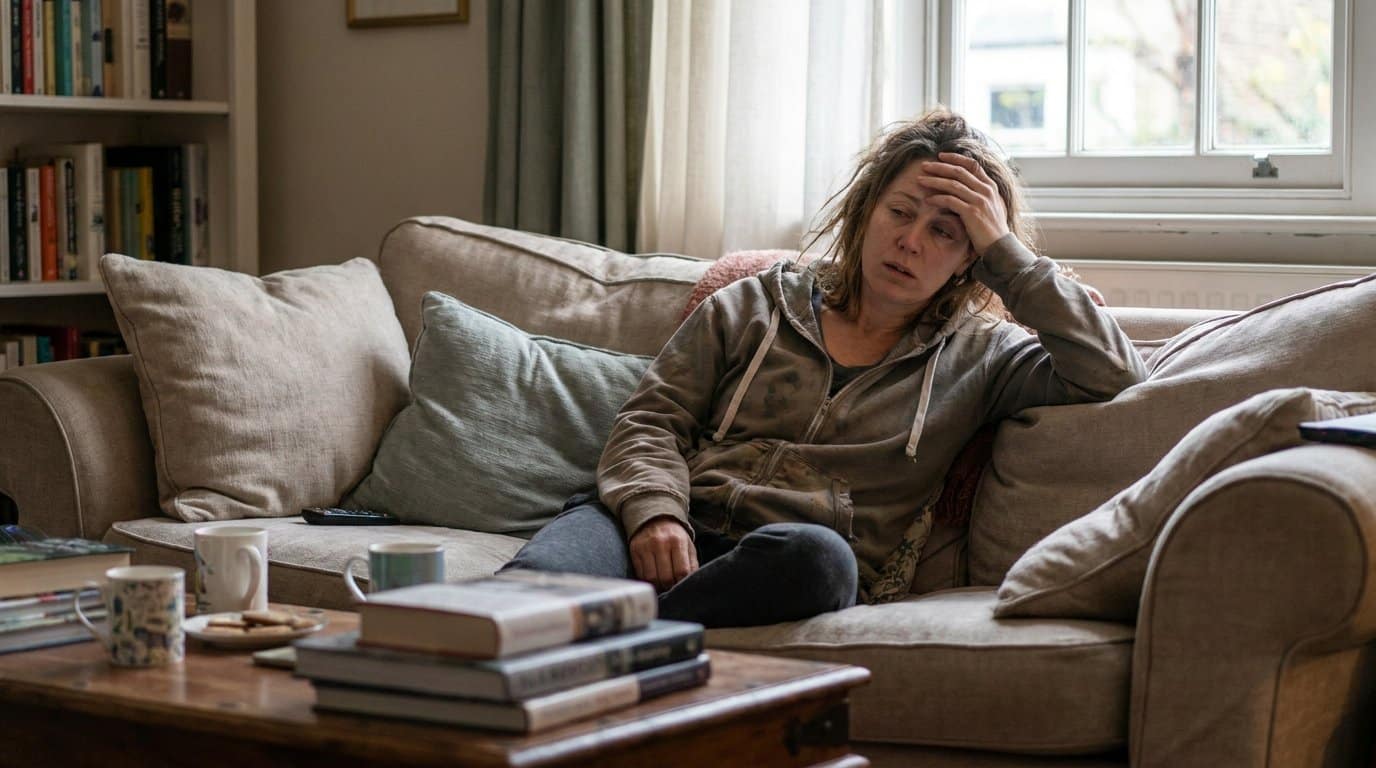
When comparing salvia vs weed duration, the gap between the two substances is one of the starkest differences in their risk profiles. When salvia is smoked, peak intensity hits within one to two minutes and resolves in five to ten minutes. Salvia after-effects, fatigue, dizziness, amnesia, can linger for up to an hour. When weed is inhaled or smoked, peak effects occur around 30 minutes, with the high lasting one to three hours.
A weed edible extends this timeline dramatically. Onset takes 30 minutes to two hours, and effects can persist four to eight hours, sometimes longer with high-THC products. Salvia’s brevity doesn’t reduce its risk. You’re compressed into an intense dissociative episode with rapid onset, which elevates the likelihood of disorientation, injury, and acute psychological distress. Both mood and environment can significantly shape the experience, increasing the potential for negative “bad trip” reactions that include anxiety and paranoia.
Is Salvia or Weed Legal Where You Live?
How clearly you understand the legal status of salvia and weed in your state can determine whether possession results in no consequences or a criminal charge. When comparing salvia legal vs weed legal frameworks, you’ll find they operate through entirely separate regulatory mechanisms. Weed legality by state ranges from full recreational access to complete prohibition, while salvia recreational use remains unregulated federally yet banned in over 30 states. Salvia use and risks can vary significantly depending on local laws and individual health factors. Users should be aware of the potential implications of salvia use, including psychological effects and legal consequences.
Key distinctions in the salvia vs marijuana legal landscape:
The legal frameworks governing salvia and marijuana are fundamentally different, assumptions about one should never guide decisions about the other.
- Federal status differs fundamentally: Weed is Schedule I; salvia isn’t federally scheduled at all.
- State-level contradictions exist: You can legally possess one substance while the other carries criminal penalties in the same jurisdiction.
- Local ordinances add complexity: City or county rules may impose additional restrictions beyond state law.
Verify current statutes before possession or purchase.
Is Salvia or Weed More Addictive?
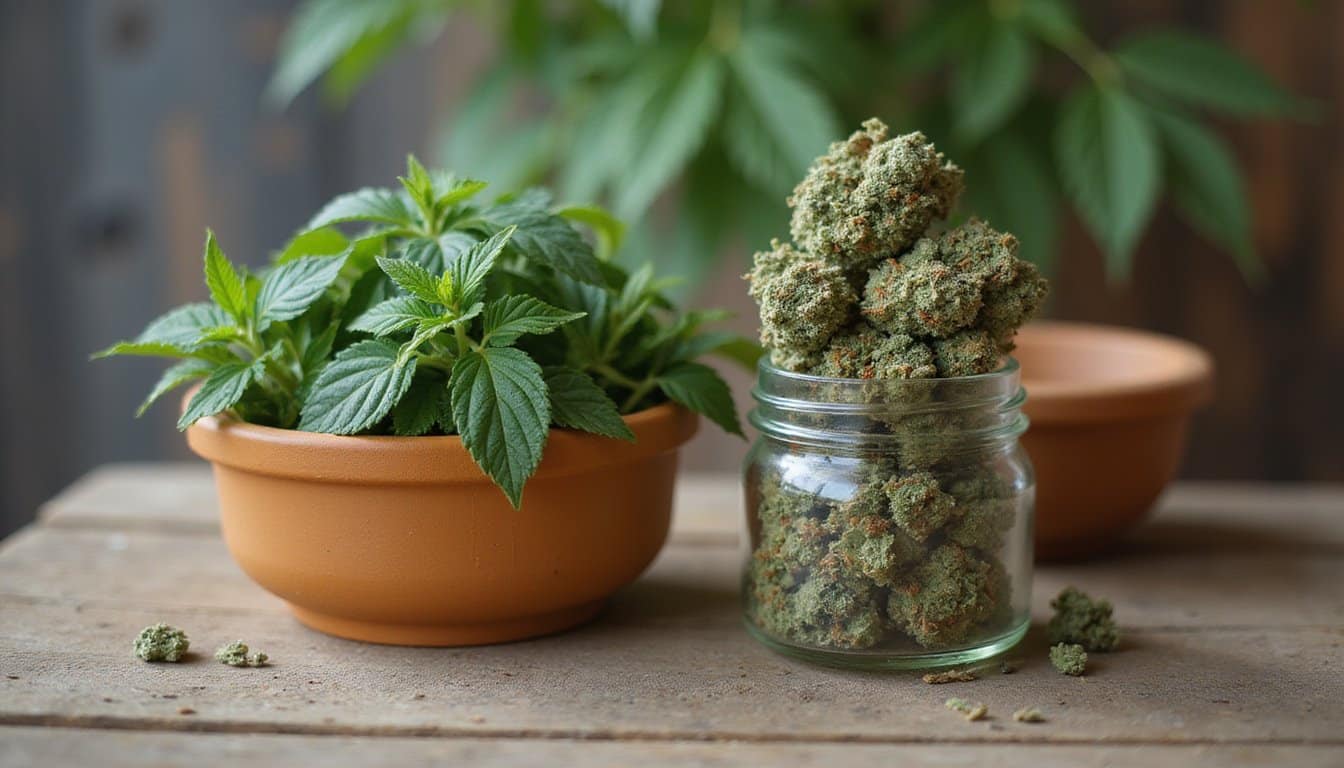
Whether salvia or weed carries greater addiction risk depends on how you define addiction, and the clinical evidence draws a sharp line between the two. Cannabis use disorder is a well-documented diagnosis, with tolerance, cravings, and withdrawal symptoms established across decades of research. The addiction potential: weed is considerably stronger, affecting roughly 9% of users and up to 17% of those who start young. The effects of salvia divinorum on brain function remain less understood and require more rigorous investigation.
The salvia addiction risk profile remains far less defined. Research hasn’t confirmed physical dependence or a recognized withdrawal syndrome, though behavioral patterns of repeated use do occur. When comparing salvia vs cannabis, you’ll find weed produces more consistent reinforcing effects that drive compulsive use. Salvia’s brief, often dysphoric experience may actually limit re-use for many people, but that doesn’t eliminate risk entirely. The timeline of salvia legality changes has reflected shifting societal attitudes toward this substance. As legal status varies significantly from one region to another, individuals seeking to use salvia must stay informed about local regulations.
Call Today and Reclaim Your Mental Clarity
Strong substances like salvia can put your mind and emotional well-being at risk over time. At Villa Wellness Center in Sicklerville, NJ, our compassionate professionals deliver dependable Drug Addiction Treatment built around your unique needs and circumstances. Call +1 (844) 609-3035 today and begin a healthier chapter in your life. Verify your insurance today to see your coverage options and take the next step toward treatment.
Frequently Asked Questions
Can You Overdose on Salvia or Weed?
You’re unlikely to fatally overdose on either salvia or weed, as neither produces the respiratory depression seen with opioids. However, you can still experience dangerous overdose-like reactions. Salvia can trigger severe dissociation, panic, and psychotic symptoms within seconds. Weed, especially edibles, can cause intense anxiety, vomiting, and confusion lasting hours. Both impair your coordination, increasing injury risk. Seek medical help for seizures, chest pain, or unresponsiveness.
Is It Safe to Mix Salvia and Weed Together?
Mixing salvia and weed isn’t considered safe. Combining them increases your risk of acute panic, paranoia, confusion, and accidental injury because both substances impair judgment and perception through different mechanisms. Salvia’s rapid dissociation paired with cannabis’s longer-lasting cognitive impairment creates unpredictable, compounded effects that are harder to manage. You should avoid this combination, especially without a sober, trusted person present. Seek emergency help if you experience severe confusion or psychosis-like symptoms.
Can Salvia or Weed Show up on a Drug Test?
Yes, weed commonly shows up on standard drug tests because THC metabolites linger in your body for days to weeks. Salvia typically won’t appear on routine panels since most tests don’t screen for salvinorin A, and it clears your system rapidly. However, specialized forensic assays can detect salvia if specifically targeted. Don’t assume you’re in the clear with either substance, detection depends on the test type, timing, and your usage frequency.
Is Salvia Worse for Your Mental Health Than Weed?
Salvia’s more likely to harm your short-term mental health. It produces intense dissociation, hallucinations, panic, and loss of reality testing that can be psychologically overwhelming in a single session. Weed’s typical intoxication is milder, though high-THC products can trigger anxiety and paranoia. However, weed carries greater long-term risk through cannabis use disorder and, in vulnerable individuals, persistent psychotic symptoms. You’re facing different risk profiles: salvia’s acutely harsher, weed’s more insidious over time.
What Should You Do if Someone Has a Bad Salvia Trip?
Move them to a quiet, low-stimulation space and stay with them as a sober guide. Use a calm, reassuring tone and remind them the effects are temporary, salvia trips typically resolve within 20 minutes. Encourage slow, deep breathing and don’t argue about hallucinations. If you can’t stabilize the situation, or they’re showing severe agitation, psychosis, or dangerous behavior, call 911 immediately and stay with them until help arrives.