







Salvia divinorum is a potent psychoactive plant whose active compound, salvinorin A, targets your brain’s κ-opioid receptors, not serotonin pathways like classic psychedelics. When you smoke it, you’ll feel intense dissociation, visual fragmentation, and loss of body awareness within seconds. Risks include impaired motor control, cardiovascular strain, memory disruption, and acute psychological distress. It’s not classically addictive, but misuse still carries real danger. Understanding exactly how it affects your brain and body is worth exploring further.
What Is Salvia Divinorum and Why Is It So Potent?
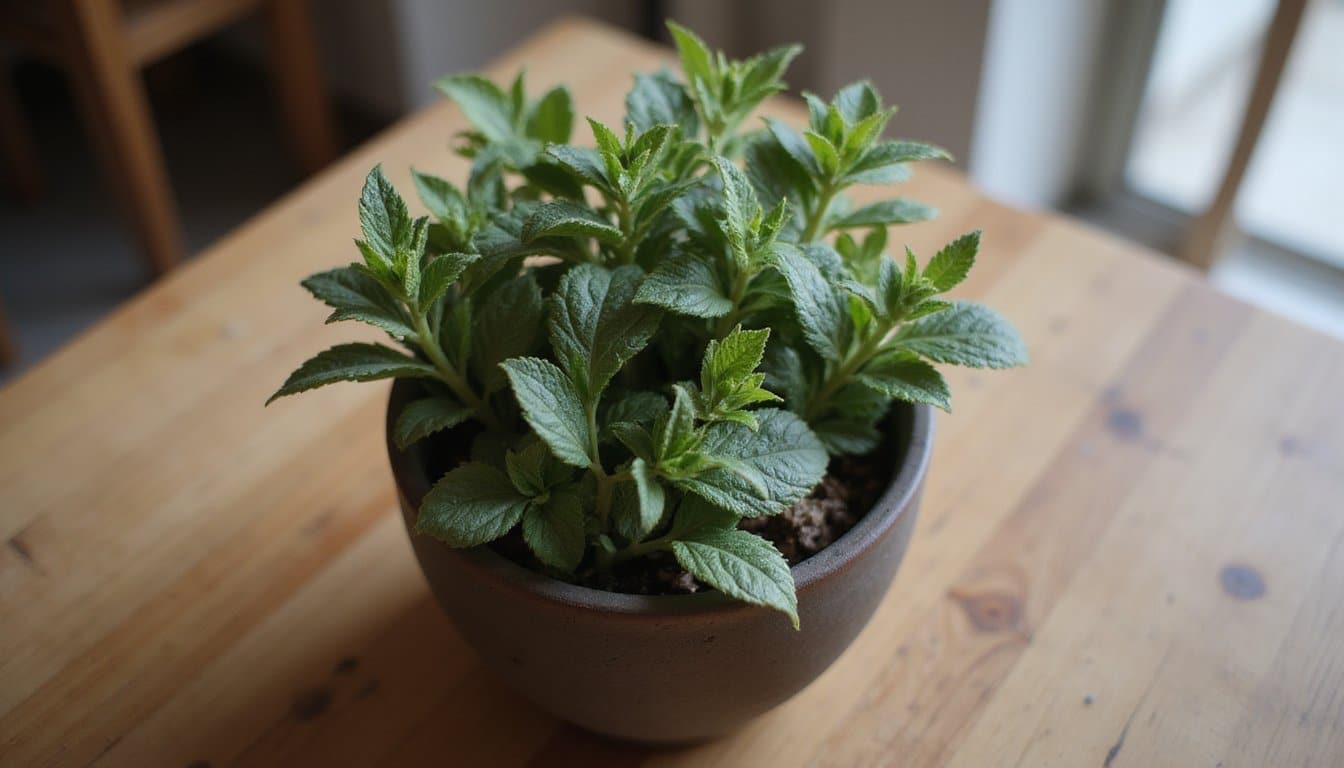
Salvia divinorum is a perennial herb in the mint family (*Lamiaceae*), native to a narrow region of the Sierra Mazateca in Oaxaca, Mexico. Mazatec shamans have used it for centuries in healing and divination rituals. Its availability expanded globally in the late 1990s as a “legal” herbal hallucinogen.
What makes this salvia psychedelic exceptionally potent is its active compound, salvinorin A, a neoclerodane diterpenoid effective at microgram-level doses. Inhaling just 200, 500 micrograms can produce intense effects. The salvinorin A effects stem from potent κ-opioid receptor agonism, a mechanism entirely distinct from classic psychedelics like LSD or psilocybin. Concentrated extracts amplify this potency further, making dosing unpredictable and increasing your risk of an overwhelming experience. Salvinorin A is notably the first documented diterpene hallucinogen, setting it apart chemically from all other known psychoactive compounds.
How Salvia Affects Your Brain vs. Other Psychedelics
While most classic psychedelics, LSD, psilocybin, mescaline, produce their effects by binding to serotonin 5-HT2A receptors, salvinorin A targets an entirely different system: the kappa-opioid receptor. This distinction matters. When comparing salvia vs LSD, the experiences aren’t just different in degree, they’re different in kind.
Kappa-opioid activation drives dissociation, disrupted body awareness, and sensory gating rather than the expansive, interconnected states serotonergic psychedelics typically produce. The salvia effects brain research reveals are stark: fMRI studies show decreased within-network communication and fragmented information processing. Research has identified that hallucinogenic effects can manifest at doses as low as 250 to 500 micrograms when inhaled, underscoring how remarkably potent salvinorin A is compared to other psychoactive compounds.
Because salvia is salvia dissociative in mechanism, you’re more likely to experience complete detachment from your environment than perceptual enhancement. Coordination loss, situational unawareness, and unpredictable emotional responses occur rapidly and without warning.
What a Salvia Trip Actually Feels Like
How quickly can a psychoactive substance reshape your entire perception of reality? With smoked salvia, you’ll find out in under 60 seconds. Salvia trips typically produce intense dissociation, visual fragmentation, and profound time distortion. You may perceive entities, feel pulled into alternate spaces, or lose awareness of your body entirely.
The salvia experience often shifts rapidly between wonder and panic. Among documented salvia divinorum effects, brief amnesia and poor recall are common. These unpredictable responses underscore why users should always have a sober trip sitter present to manage distress and ensure physical safety.
| Feature | Smoked | Sublingual |
|---|---|---|
| Onset | 15, 60 seconds | 10, 20 minutes |
| Peak Duration | 5, 10 minutes | 30, 90 minutes |
| After-Effects | 15, 60 minutes | 30, 120 minutes |
The clinical concern isn’t toxicity, it’s behavioral impairment during peak intensity.
How Salvia Impairs Your Body and Memory
Beyond the perceptual chaos of a salvia trip, the substance produces measurable impairment in how your body moves, processes sensory input, and encodes memory. Understanding what happens when you smoke salvia means recognizing these concrete salvia risks:
- You lose reliable motor control, increasing fall and accident risk
- Dizziness and nausea onset rapidly during acute intoxication
- Irregular heart rate can occur, adding cardiovascular strain
- Dose-related memory and recall impairment disrupts how you store and retrieve information
- Your sense of body ownership distorts, ranging from heightened somatic awareness to complete detachment
Human studies confirm salvinorin A impairs recognition and recall memory in a dose-dependent pattern. While one controlled study found no persisting adverse effects at one month, animal data raises unresolved concerns about learning and long-term memory function.
Why Salvia Is Dangerous Beyond Overdose
Even when fatal overdose is unlikely, salvia puts you at serious risk through a different mechanism: impaired judgment during intense dissociation can lead to falls, collisions, and environmental accidents before you’re able to react. Beyond acute physical danger, high-dose experiences can leave lasting psychological aftereffects, including prolonged anxiety, persistent mood disturbances, and perceptual changes that outlast the trip itself. These risks mean that salvia’s short duration and low overdose potential don’t translate to safety, your greatest dangers lie in what happens during and after the experience.
Accidents From Impaired Judgment
While salvia’s low overdose potential may suggest a forgiving safety profile, the real danger lies in what you do, not what the drug does to your body. The salvia drug disrupts judgment so rapidly that you can’t recognize impairment before hazardous behavior begins. Despite a short salvia trip duration, the window of intoxication carries serious consequences.
Documented risks include:
- Falls and collisions from complete loss of coordination and spatial awareness
- Fatal car accidents linked to salvia-induced disorientation
- Gunshot accidents resulting from impaired decision-making during intoxication
- Salvia psychosis episodes severe enough to require emergency medical intervention
- Panic-driven actions in ordinary environments that become unpredictable under dissociation
Even a single use can produce dangerous outcomes. Short duration doesn’t equal low risk, it compresses the danger.
Lasting Psychological Aftereffects
Because salvia’s acute effects fade within minutes, it’s easy to assume the risks end when the trip does, but they don’t. As a salvia hallucinogen, its lasting psychological aftereffects can extend well beyond the visible trip. Case reports document persistent dissociation, derealization, and depersonalization that continue after hallucinations resolve. Anxiety, panic, and mood disturbances have also been reported as prolonged aftereffects, particularly following severe dysphoric experiences.
The relationship between salvia mental health risks and pre-existing vulnerability is clinically significant. Emergency reports describe lasting psychotic symptoms, paranoia, confusion, disorganized thinking, in individuals with psychiatric histories. Memory impairment and cognitive disruption are additional concerns, potentially interfering with your ability to process the experience afterward. While long-term data remain limited, the evidence confirms salvia can produce meaningful psychiatric harm without any physical overdose.
Is Salvia Addictive? What Research Says
How likely is salvia to produce the compulsive, escalating use patterns seen with drugs like opioids, alcohol, or nicotine? Current evidence suggests salvia isn’t classically addictive. The salvia kappa opioid receptor mechanism doesn’t trigger the same reinforcement pathways that drive dependence with other substances.
Research highlights key findings you should understand:
- Physical dependence has not been clearly established in human or animal studies
- Craving levels remain significantly low compared with other recreational drugs
- Salvia smoking often produces effects so intense they actively discourage repeated use
- Withdrawal-like symptoms, anxiety, irritability, malaise, have been reported with chronic use
- No defined dependence syndrome currently exists in clinical literature
Despite low addiction potential, is salvia addictive in subtler ways? Misuse still poses meaningful safety risks. The legal status of salvia and marijuana varies significantly from state to state. Some jurisdictions have embraced legalization, while others maintain strict regulations or outright bans.
Call Today and Reclaim Your Mental Clarity
Strong substances like salvia can put your mind and emotional well-being at risk over time. At Villa Wellness Center in Sicklerville, NJ, our compassionate professionals deliver dependable Drug Addiction Treatment built around your unique needs and circumstances. Call +1 (844) 609-3035 today and begin a healthier chapter in your life.
Frequently Asked Questions
Is Salvia Divinorum Legal in the United States and Other Countries?
Salvia divinorum isn’t federally scheduled in the U.S., but you’ll face a patchwork of state laws, some states ban it outright, others impose age restrictions, and several allow it with few limits. Internationally, countries like Australia, Italy, and the U.K. have enacted controls ranging from full bans to sale restrictions. You should verify your local and national laws before purchasing, possessing, or transporting salvia, since online availability doesn’t guarantee legal possession in your jurisdiction.
Can Salvia Use Trigger Lasting Psychosis in Vulnerable Individuals?
Yes, salvia can trigger lasting psychosis if you’re psychiatrically vulnerable. If you have a personal or family history of schizophrenia, bipolar disorder with psychotic features, or prior substance-induced psychosis, you’re at heightened risk. Salvinorin A’s intense dissociation can unmask underlying psychotic disorders in predisposed individuals. Warning signs include hallucinations, paranoid beliefs, or disorganized thinking that persist beyond the drug’s short effect window. These symptoms warrant urgent psychiatric evaluation.
Is It Safe to Mix Salvia With Alcohol or Other Drugs?
No, mixing salvia with alcohol or other drugs isn’t considered safe. Combining substances amplifies impairment of coordination, judgment, and motor control, raising your risk of falls, injuries, and panic. Because salvinorin A acts on kappa-opioid receptors, a different pathway than most psychedelics, polydrug interactions are highly unpredictable. A small 2011 study found more neurologic, cardiovascular, and gastrointestinal side effects in combined use. You’re safest avoiding any combination entirely.
How Does Traditional Mazatec Salvia Use Differ From Modern Recreational Use?
Traditional Mazatec use involves chewing fresh leaves in supervised, ceremonial settings where a healer guides the experience. You’ll find modern recreational use sharply different, it typically involves smoking concentrated extracts for rapid, intense hallucinations without supervision. This distinction matters for your safety: the traditional method produces slower onset, milder effects, and longer duration, while smoking extracts dramatically increases your risk of acute dissociation, panic reactions, and injury from loss of motor control.
What Should Someone Do if a Person Has a Bad Salvia Trip?
Move them to a quiet, hazard-free space and stay with them. Speak calmly, use short sentences, and remind them the effects typically fade within 20 minutes. Encourage stillness to prevent falls. Don’t argue with hallucinations, just validate their distress. Watch for chest pain, seizures, loss of consciousness, or breathing difficulty, and call emergency services immediately if any appear. Once the acute phase passes, check for lingering confusion or anxiety.