
Drug addiction treatment at Villa Wellness Center is structured outpatient care for adults with substance use disorder, delivered through partial hospitalization, intensive outpatient, and outpatient programs. Treatment combines therapy, group work, and psychiatric medication support, with co-occurring mental health conditions treated on the same plan. Most major insurance is accepted.
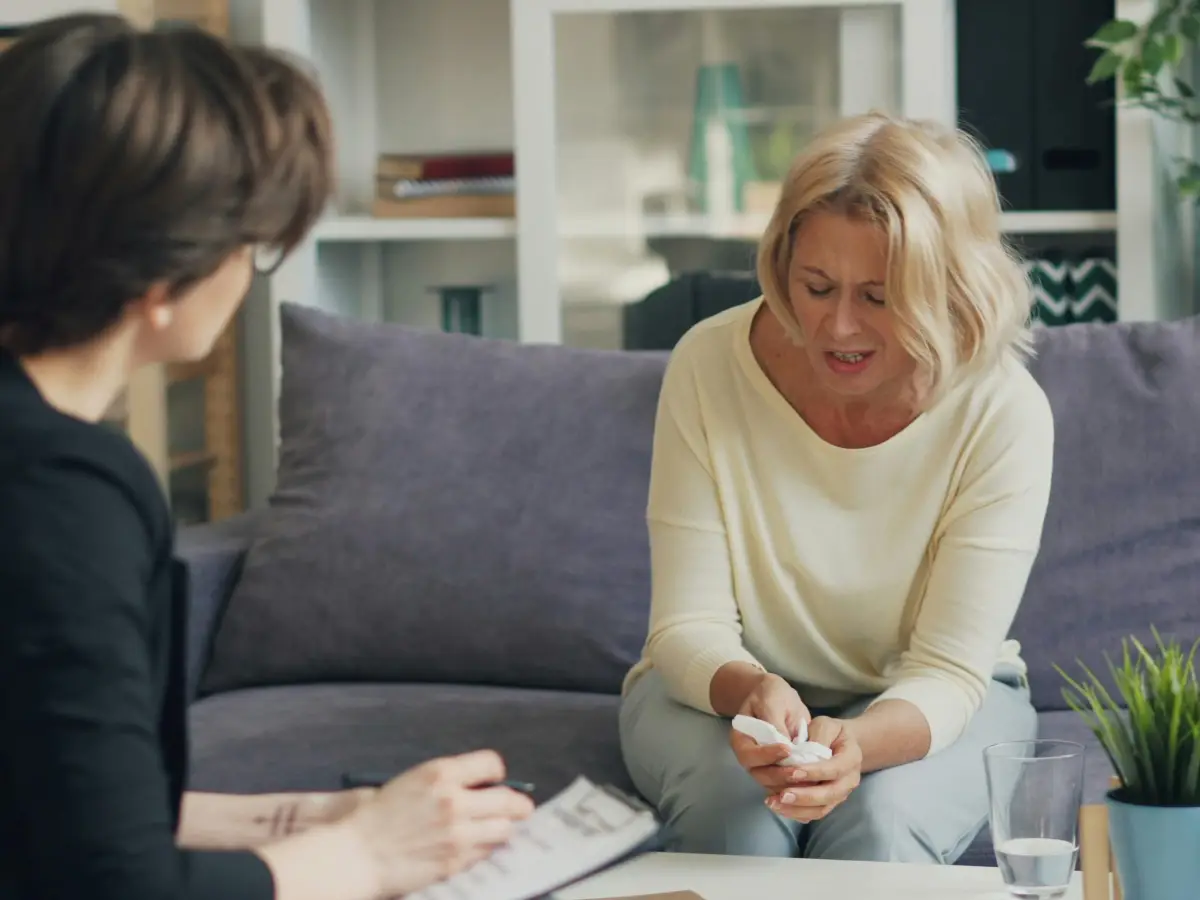
drug addiction treatment
Why drug addiction needs medical treatment
Substance use disorder is a medical condition, not a failure of willpower, and it responds to structured clinical treatment the same way other chronic conditions do. Drug addiction changes how the brain handles reward, stress, and self-control, which is why stopping and staying stopped rarely comes down to willpower alone. Treatment addresses the condition itself, along with the mental health issues that so often sit underneath it.
If you have tried to stop before and could not make it hold, that was not a personal failing. Breaking the cycle of dependence takes clinical support, and reaching out for it is a medical decision like any other. Getting into treatment sooner consistently produces better outcomes than waiting for a crisis to force the decision.

How to know if you need drug addiction treatment
Recognizing a substance use disorder is the first step toward treatment, and the signs are more practical than dramatic. Tolerance, where the same amount produces less effect over time. Cravings strong enough to interfere with daily life. Loss of control, where attempts to cut down or stop do not hold. Continued use despite clear consequences to health, work, relationships, or finances. Time increasingly spent obtaining, using, or recovering from use, crowding out everything else.
Two or three of these patterns together usually point to at least a mild substance use disorder; five or more indicate a severe one that calls for clinical treatment. You do not need to recognize all of them, or reach any particular low point, to benefit from an assessment. Many adults underestimate their own pattern because it built gradually over months or years, and a clinical assessment gives you a clear answer without any commitment.
Who drug addiction treatment is for
Drug addiction treatment at Villa is for adults with substance use disorder, with or without a co-occurring mental health condition. The program treats alcohol use disorder, opioid use disorder, benzodiazepine dependence, stimulant use disorder, and polysubstance use. Substance use rarely shows up in isolation, so most people arrive with one primary substance, sometimes a secondary one, and often depression, anxiety, PTSD, or trauma history alongside it.
Adults enter the program at the level of care that matches clinical need: partial hospitalization for those who need daily structure, intensive outpatient for those ready for fewer hours, and outpatient for those maintaining recovery over the long term. The intake assessment determines the right starting point, and the same clinical team stays with you as your level of care changes.
What drug addiction treatment at Villa looks like
Treatment at Villa is delivered across one continuum, with the same clinical team overseeing your care from intake onward. Each level of care carries a different intensity, but the underlying treatment plan stays consistent, so as your needs change the level steps down without you switching providers.
Partial hospitalization is the most intensive outpatient level, built around a full treatment day for adults who need daily structure. Intensive outpatient is the step down, several structured sessions a week that fit around work, school, or family. Outpatient is the lightest level, ongoing support that sustains recovery over the long term. Across all three, treatment combines individual therapy, group therapy, family work, and psychiatric medication management, with the mix adjusted to fit what your recovery needs.
Substances we treat
Villa treats the range of substance use disorders most common among adults, all through the same outpatient model built around therapy and coordinated clinical care rather than one method per drug. The approach is matched to your clinical picture and the mental health conditions that accompany the substance use, not to the substance alone.
Alcohol use disorder is treated through the outpatient continuum with therapy, group work, and dual diagnosis care for the depression, anxiety, or trauma that often drives drinking. Opioid use disorder, including heroin, fentanyl, and prescription opioids, is treated through structured outpatient therapy and relapse-prevention work with mental health care on the same plan. Benzodiazepine use disorder, including Xanax, Klonopin, Ativan, and Valium, is treated through the outpatient program with close clinical attention to the anxiety conditions that frequently underlie it. Stimulant use disorder, including cocaine and methamphetamine, is treated with intensive behavioral therapy, contingency management, CBT, and relapse-prevention groups, the approaches that work where no craving medication exists. Polysubstance use is common, and the treatment plan addresses the primary substance first while managing the others alongside it.
Therapies used in drug addiction treatment
Treatment uses the evidence-based methods with the strongest outcomes for substance use and co-occurring mental health conditions. Cognitive Behavioral Therapy identifies the thought patterns driving use and builds practical tools to interrupt them. Dialectical Behavior Therapy teaches distress tolerance, emotion regulation, and interpersonal skills. Trauma-informed therapy runs throughout, because unresolved trauma sits underneath a large share of substance use. Group therapy provides peer support and structured practice, and psychiatric medication management is available for co-occurring conditions, prescribed and reviewed by the psychiatric nurse practitioner under the medical director’s oversight.
Drug addiction and co-occurring mental health
Most people in drug addiction treatment are also managing a mental health condition, and treating both together produces better results than treating the substance use alone. Depression, anxiety, post-traumatic stress, trauma history, and mood instability frequently accompany substance use, sometimes as its cause and sometimes as its consequence. Villa treats both sides on one integrated plan through dual diagnosis care, which keeps an untreated mental health condition from quietly pulling recovery off course.
Choosing the right level of care
The right level of care depends on where you are in recovery, not on a fixed sequence everyone follows. Most adults move down the continuum as stability builds, from partial hospitalization to intensive outpatient to outpatient, though the starting point is set at intake by clinical need.
| Level of care | Intensity | Best for |
|---|---|---|
| Partial hospitalization (PHP) | Highest outpatient level, full treatment days | Adults needing daily structure without an overnight stay |
| Intensive outpatient (IOP) | Several sessions a week | Adults needing structure that fits around work, school, or family |
| Outpatient | Lightest, ongoing and flexible | Adults sustaining recovery over the long term |
Drug addiction treatment for Camden County and surrounding areas
Drug addiction treatment at Villa Wellness Center serves adults across Camden, Gloucester, and Burlington counties from its Sicklerville facility. New Jersey recorded about 2,560 suspected overdose deaths in 2023, down from more than 3,000 in 2022, according to state Health Department and State Police data, with substance use concentrated across South Jersey. The trend is improving, but the need for structured outpatient treatment across the region remains high.
The facility serves Sicklerville, Blackwood, Cherry Hill, Voorhees, Gloucester Township, Pine Hill, Berlin, Clementon, Stratford, and Somerdale in Camden County; Williamstown, Glassboro, Washington Township, Sewell, and Turnersville in Gloucester County; and Mount Laurel, Marlton, Medford, and Moorestown in Burlington County. It sits at 200 Independence Blvd and is reachable via the Atlantic City Expressway and Route 42.
Insurance verification takes about 15 minutes by phone, and intake can usually be scheduled quickly for adults ready to start treatment.
How to start drug addiction treatment at Villa
Starting drug addiction treatment begins with one phone call and a clinical assessment. When you call, an admissions counselor reviews your situation and history, verifies your insurance benefits at no cost, and identifies the right level of care for you. There is no cost or obligation to make the call.
Once the starting point is clear, the clinical assessment sets your treatment plan, and from there the same clinical team stays with you through each stage of recovery.
Insurance coverage for drug addiction treatment
Most major insurance plans cover drug addiction treatment, because mental health parity law requires commercial plans to cover substance use treatment on the same terms as other medical care. The higher levels of care typically require prior authorization, while outpatient care generally carries lower requirements. Coverage specifics depend on your plan, and Villa verifies your benefits before treatment begins, free of charge.
Call (844) 609-3035 or use the form on this page to start verification. If your plan does not cover the program, the admissions team will walk through self-pay options before you commit to anything.
Plans we work with: Aetna · Cigna · Humana · United Healthcare
Frequently asked questions

Dr. Courtney Scott
Medical Director
Dr. Courtney Scott
Medical Director
Throughout his medical training, Dr. Scott was recognized for his academic excellence and commitment to understanding the mind-body connection. He received the AFAM/LMKU Kenneth Award for Scholarly Achievement in Psychology and was repeatedly honored by the Keck School of Medicine for outstanding performance in internal medicine. His research has been recognized by organizations including Children's Hospital of Los Angeles, African American A-HeFT, and the Obesity and Outcomes in Pediatric Acute Lymphoblastic Leukemia research group. Dr. Scott began his medical career in internal medicine in 2010, where he quickly recognized a critical gap in compassionate, knowledgeable care for individuals struggling with addiction and co-occurring mental health disorders. This realization became a turning point. By 2015, he had fully transitioned into behavioral health, dedicating his practice to treating substance use disorders with dignity, structure, and evidence-based care.
Board eligible in Emergency Medicine, Internal Medicine, and Addiction Medicine, Dr. Scott brings a calm, steady presence to high-pressure environments and a deep understanding of Medication-Assisted Treatment (MAT). He remains current with the latest MAT protocols and is known for balancing empathy with firm, responsible medication management ensuring patients feel supported while staying safe.
What truly sets Dr. Scott apart is his conviction that recovery is possible for everyone. He treats every patient as a whole person, not a diagnosis, and is deeply committed to building a treatment environment rooted in respect, fairness, and understanding. He has invested significant time training his medical team to approach each client with the same level of care, regardless of background or circumstance.
Dr. Scott is widely respected in the behavioral health field not only for his medical expertise, but for his unwavering advocacy for individuals battling addiction and mental health challenges. His passion lies in helping patients rediscover stability, hope, and purpose and in reminding them that they are never defined by their past.
Medical Reviewer
Dr. Courtney Scott, MD. Board-eligible in Addiction Medicine, Medical Director at Villa Wellness Center. For full bio visit our team page.
What is drug addiction treatment?
Drug addiction treatment is structured clinical care for adults with substance use disorder. The program combines individual and group therapy, family work, and psychiatric medication support for co-occurring conditions, delivered across outpatient levels of care matched to clinical need.
What substances do you treat?
Villa treats alcohol use disorder, opioid use disorder including heroin, fentanyl, and prescription opioids, benzodiazepine use disorder including Xanax, Klonopin, Ativan, and Valium, stimulant use disorder including cocaine and methamphetamine, and polysubstance use. Each is treated through the same outpatient therapy model.
What is the difference between PHP, IOP, and outpatient?
The difference comes down to how much structure you need. Partial hospitalization fills a full treatment day for adults who need daily support, intensive outpatient runs several sessions a week that fit around daily life, and outpatient is lighter ongoing care. You live at home throughout all three, and the assessment sets the right starting level.
How long does drug addiction treatment take?
It depends on the level of care and clinical need. Partial hospitalization is time-limited and steps down as you stabilize, intensive outpatient runs for a number of weeks, and outpatient continuing care can continue for a year or longer. Your treatment plan spells out an expected timeline once the assessment is complete.
Does insurance cover drug addiction treatment?
In most cases, yes. Federal and state mental health parity laws require most commercial plans to cover substance use treatment on the same terms as other medical care. Villa verifies your benefits free of charge before treatment begins.
Will my employer or family find out I'm in treatment?
Not without your consent. Every call and every admission is confidential and protected under HIPAA. Benefits verification does not affect your coverage, and nothing is shared with employers, family, or anyone else without your written permission.
Is there drug addiction treatment near me in South Jersey?
Villa Wellness Center provides drug addiction treatment from 200 Independence Blvd in Sicklerville, Camden County, serving adults across South Jersey including Cherry Hill, Voorhees, Marlton, Williamstown, and the surrounding towns. Most clients drive in from across Camden, Gloucester, and Burlington counties.
Start drug addiction treatment
Drug addiction is treatable, and recovery starts with structured support built around your life. Call (844) 609-3035 or verify your coverage to get started.