







Medical detox is required when your body’s dependence on a substance makes withdrawal dangerous, particularly with alcohol, benzodiazepines, and opioids, where seizures, cardiovascular collapse, and fatal complications are real risks. You’ll need medical detox if you’ve experienced withdrawal seizures, hallucinations, significant tolerance, or repeated failed attempts to quit on your own. Professionals use targeted medications to stabilize your body safely while managing pain and preventing life-threatening symptoms. Understanding which substances and warning signs demand supervised care can guide your next steps.
What Medical Detox Actually Does to Your Body

When you stop using a substance your body has grown dependent on, your brain doesn’t simply return to normal, it has to recalibrate. Your central nervous system has adapted to the presence of that substance, and its sudden absence triggers a cascade of neurological and physical stress responses. Withdrawal symptoms, ranging from tremors and nausea to dangerous spikes in heart rate and blood pressure, reflect your body’s struggle to stabilize.
Having the medical detox process explained clearly can ease understandable fears. During detox, medical professionals use targeted medications to manage pain, prevent seizures, reduce cravings, and stabilize your mood. This 24/7 pharmaceutical support doesn’t eliminate withdrawal entirely, but it transforms a potentially life-threatening experience into a controlled, medically supervised adjustment period. Each patient receives an individualized treatment plan designed around their unique medical history, substance use patterns, and existing health conditions.
Signs You Need Medical Detox, Not Just Willpower
Although determination plays a role in recovery, certain signs make it clear that willpower alone isn’t enough, and recognizing them could save your life. If you’ve experienced seizures, hallucinations, or delirium tremens during withdrawal, you need immediate medical supervision. These symptoms can be fatal without intervention.
You should also consider detox for substance dependence if you’ve developed significant tolerance, needing more of a substance just to feel normal. Multiple failed attempts to quit on your own further confirm that structured support is necessary. Relapses after periods of sobriety often indicate a need for medical detox that prepares individuals for ongoing treatment and long-term recovery planning.
Co-occurring conditions like heart irregularities, liver disease, or mental health disorders such as PTSD or depression increase your risk during unsupervised withdrawal. Medical detox addresses these complexities simultaneously, giving you the safest possible foundation for recovery.
Which Substances Make Medical Detox Essential?
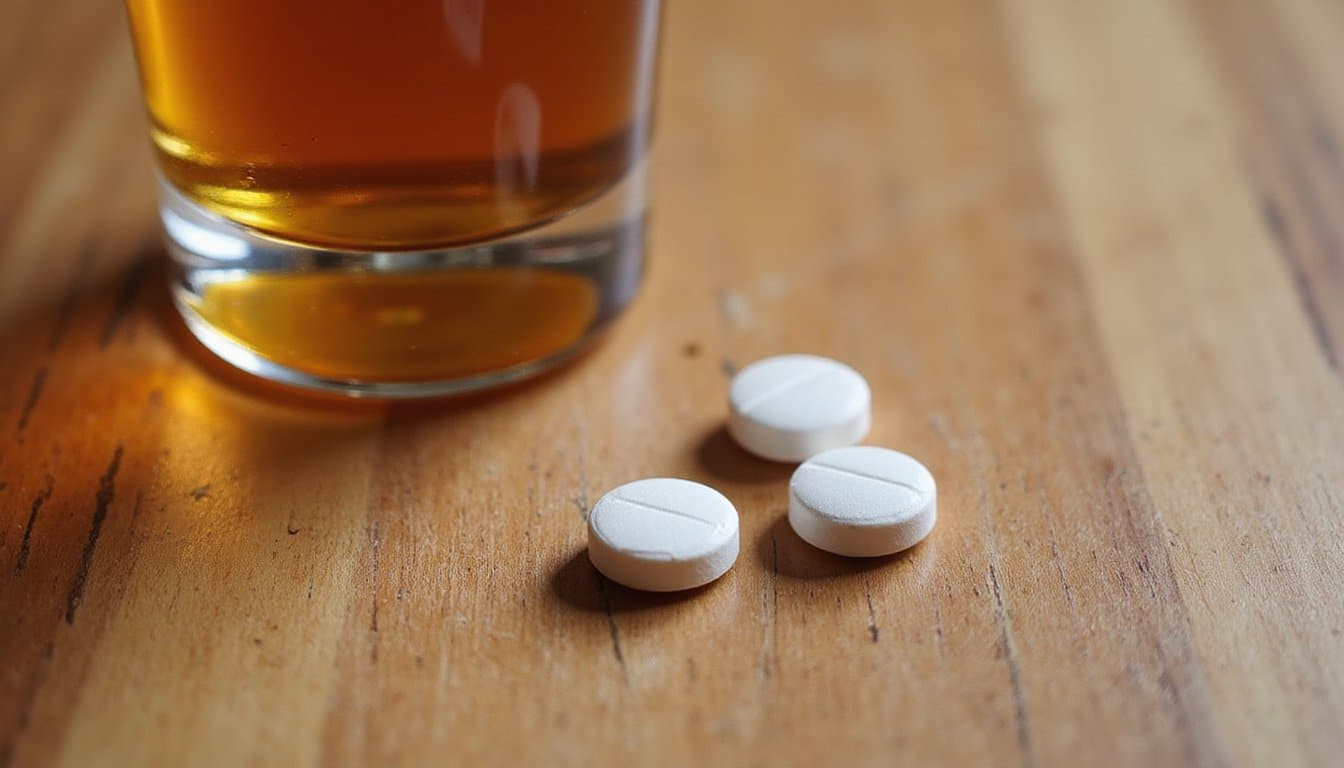
Not every substance carries the same withdrawal risks, but certain drugs make medical detox not just helpful, but essential for your safety.
Understanding when medical detox is required starts with recognizing which substances produce dangerous withdrawal:
Knowing which substances cause dangerous withdrawal is the first step in understanding why medical detox matters.
- Alcohol and benzodiazepines can trigger seizures, strokes, and fatal complications during withdrawal. You shouldn’t attempt detox from either substance without 24-hour medical monitoring.
- Opioids and synthetic drugs like fentanyl produce severe withdrawal that, while not always fatal, drives relapse rates alarmingly high. Medication-assisted treatments like buprenorphine markedly improve your chances of completing detox. Fentanyl exposure in particular increases unpredictability and withdrawal duration, making close clinical supervision even more crucial.
- Stimulants don’t cause life-threatening withdrawal, but intense psychological symptoms, including severe depression, make professional oversight critical for preventing relapse and addressing behavioral crises.
Your substance history directly determines the level of care you’ll need.
Why Alcohol Withdrawal Makes Medical Detox Critical
When you stop drinking after prolonged heavy use, your brain’s disrupted neurotransmitter balance can trigger withdrawal symptoms that escalate from tremors and anxiety to life-threatening seizures, hallucinations, and a condition called delirium tremens, which carries a significant mortality risk. Because approximately half of people with excessive alcohol consumption patterns face the possibility of dangerous withdrawal complications, attempting to quit without medical supervision puts your life at serious risk. Medically managed detox programs use standardized assessment tools like the CIWA scale to monitor your symptoms in real time and administer medications that keep withdrawal safe and controlled.
Life-Threatening Withdrawal Risks
Because alcohol alters brain chemistry over time, stopping suddenly can trigger a dangerous rebound effect that puts multiple organ systems at risk. Without proper detox treatment for drugs and alcohol, your body can’t readjust safely, and the consequences can be fatal.
The most critical risks include:
- Delirium tremens, occurring in up to 20% of detox patients, this medical emergency involves severe confusion, agitation, and persistent fever lasting 4, 12 days.
- Cardiovascular collapse, your heart rate and blood pressure can fluctuate unpredictably, increasing your risk of heart attack, stroke, or sudden death.
- Permanent neurological damage, untreated withdrawal can lead to Wernicke-Korsakoff syndrome, a chronic cognitive disability requiring lifelong management.
These risks intensify if you’ve had prior detox cycles or have existing liver disease.
Seizures and Hallucination Dangers
Among the life-threatening risks of alcohol withdrawal, seizures and hallucinations stand out as the most immediate and unpredictable dangers you can face. Withdrawal seizures typically strike within 6 to 48 hours after your last drink, peaking around 24 hours. These aren’t mild episodes, they’re generalized tonic-clonic convulsions that often cluster over several hours.
Your brain’s neurochemistry drives this crisis. Without alcohol’s depressant effect, glutamate floods your neural pathways unchecked, triggering uncontrolled electrical disturbances. Up to 30% of untreated seizure cases progress to delirium tremens, which carries a 37% mortality rate without intervention. Each repeated withdrawal episode permanently heightens your seizure threshold through kindling, making future detox increasingly dangerous. This escalating risk is precisely why professional detox for addiction isn’t optional, it’s essential.
Supervised Medication Management Needed
Though seizures and hallucinations represent the most visible dangers of alcohol withdrawal, the underlying neurochemical crisis driving these symptoms demands equally urgent attention. Your brain’s GABA and glutamate systems have been fundamentally altered by chronic alcohol use, and sudden cessation throws these neurotransmitters into dangerous imbalance. This is where medical detox benefits addiction recovery most directly, through precise pharmacological intervention.
During supervised detox, your treatment team implements targeted protocols:
- High-dose thiamine administration to prevent Wernicke-Korsakoff syndrome, a severe neurological complication
- Anti-nausea and symptom-specific medications tailored through thorough clinical evaluation
- Post-stabilization medication-assisted treatment, including Naltrexone or Acamprosate, to reduce cravings and support sustained abstinence
You can’t safely replicate this level of neurochemical management outside a clinical setting. Professional supervision guarantees your brain receives the support it needs to recalibrate.
How Medical Detox Differs for Opioids, Benzos, and Stimulants
Not all substances affect your body the same way, so detox protocols vary considerably depending on whether you’re withdrawing from opioids, benzodiazepines, or stimulants. For opioids, medications like buprenorphine and methadone can reduce cravings and ease withdrawal, while benzodiazepine detox relies on careful dose tapering to prevent seizures, and stimulant withdrawal currently has no FDA-approved pharmacological treatment. Understanding these differences helps you know what to expect and why your medical team tailors every aspect of detox to the specific substance involved.
Substance-Specific Withdrawal Protocols
Because each substance interacts with the brain and body in fundamentally different ways, the medical approach to detox can’t follow a one-size-fits-all protocol. In drug detox treatment USA programs, clinicians tailor withdrawal management based on the specific substance involved, your health history, and symptom severity.
- Opioid withdrawal is intensely uncomfortable. Medical teams use medications like methadone to reduce symptom severity and provide both medical and psychological support throughout the process.
- Benzodiazepine withdrawal requires careful, individualized tapering schedules. Rebound effects and protracted withdrawal syndromes demand close clinical monitoring to prevent dangerous complications.
- Stimulant withdrawal primarily involves psychological symptoms rather than acute physical danger, though you’ll still need supervised care to manage cravings and emotional instability.
Understanding your substance-specific protocol helps you prepare for what detox actually involves.
Medication Options Per Substance
When clinicians design a detox plan, the medications they choose depend entirely on the substance your body has become dependent on, because each drug class affects your brain chemistry differently, the pharmacological response must be equally specific.
For opioid dependence, buprenorphine and methadone remain frontline options, reducing overdose and death by up to 50%. Adjunctive medications like lofexidine and gabapentin target specific symptoms including pain, insomnia, and hyperadrenergic distress. After detox, naltrexone helps prevent relapse once your system’s fully cleared.
While alcohol detox medical support follows its own established protocols, the evidence base for stimulant and benzodiazepine withdrawal pharmacotherapy differs considerably from opioid treatment frameworks. Your clinical team will match each medication to your substance history, symptom severity, and co-occurring conditions, ensuring you receive precisely targeted care throughout detoxification.
Inpatient vs. Outpatient Medical Detox: Which Is Right?

How do you know whether inpatient or outpatient medical detox is the right choice? The answer depends on your addiction severity, withdrawal risk, and personal circumstances. A clinician’s assessment determines the safest path forward.
When comparing inpatient vs outpatient medical detox, consider these key distinctions:
- Supervision level: Inpatient programs provide 24/7 medical monitoring, while outpatient programs involve scheduled facility visits with at-home recovery between appointments.
- Candidate profile: Inpatient detox suits severe addictions, co-occurring disorders, or life-threatening withdrawal risk. Outpatient detox works for mild to moderate symptoms with a stable home environment.
- Lifestyle flexibility: Outpatient care lets you maintain work and family responsibilities at lower cost, while inpatient settings remove external triggers during your most vulnerable phase.
What Medications Help During Medical Detox?
During medical detox, your treatment team uses specific medications tailored to the substance you’re withdrawing from and the symptoms you’re experiencing. For opioid withdrawal, FDA-approved medications like buprenorphine (Suboxone, Subutex) and methadone help reduce cravings and ease withdrawal symptoms by acting on the same receptors without producing the same high. Beyond these targeted treatments, your providers may also prescribe symptom-specific medications to address issues like nausea, insomnia, or muscle pain as they arise.
Opioid Withdrawal Medications
Because opioid withdrawal can produce intense physical and psychological symptoms, medical detox programs rely on specific medications to ease the process and protect your safety. Detox services for substance abuse commonly use these evidence-based options:
- Buprenorphine, A partial opioid agonist that’s considered the best medication for moderate to severe opioid withdrawal. It must be administered at least 8 hours after your last heroin use to avoid precipitating withdrawal.
- Methadone, A long-acting full opioid agonist with nearly 50 years of clinical use, dispensed exclusively through SAMHSA-certified programs. It’s particularly effective for detoxification from longer-acting opioids.
- Lofexidine, The first FDA-approved non-opioid withdrawal medication, this alpha-2 adrenergic agonist reduces sympathetic nervous system activity and can be used for up to 14 days.
Symptom-Specific Treatment Options
While opioid-specific medications address one category of withdrawal, detox programs also rely on a broader toolkit of symptom-specific treatments tailored to the substance involved. For alcohol withdrawal, benzodiazepines like diazepam and lorazepam remain first-line treatments, reducing seizure risk and delirium tremens. Anticonvulsants such as gabapentin and carbamazepine help prevent seizures and curb cravings.
Addiction detox programs also use adjunctive medications to manage anxiety, insomnia, and autonomic symptoms. Alpha-2 adrenergic agonists like dexmedetomidine can decrease withdrawal severity, while emerging options like dronabinol have shown promise in reducing cravings, sleep disturbances, and depressive symptoms.
If you’re withdrawing from benzodiazepines, your medical team will typically substitute a longer-acting formulation and taper gradually. This careful, individualized approach guarantees you’re supported through every symptom you experience.
What to Expect During a Medical Detox Stay
A medical detox stay typically begins with a thorough intake and assessment process that helps your care team understand your unique needs. This evaluation includes a physical exam, lab work, and screening for co-occurring mental health conditions. Understanding when detox is necessary for addiction recovery helps you prepare for what comes next.
During your stay, you can expect:
- 24-hour medical monitoring with medications tailored to manage your specific withdrawal symptoms, including anti-nausea treatments, sleep aids, and pain relief
- Physical comfort measures such as IV hydration, nutritional support, and quiet room accommodations designed for rest and recovery
- Emotional and psychological support through regular mental health check-ins, therapeutic coping strategies, and shift planning for your next treatment phase
Why Your Medical Detox Timeline May Look Different
No two people move through detox on the same schedule, and understanding why can help you feel more prepared for your own experience. Several factors directly shape your timeline, including the substance involved, how long you’ve used it, and your overall health.
For example, alcohol withdrawal typically peaks within 24, 72 hours, while benzodiazepine tapering may extend 10, 14 days. Your age, metabolism, liver function, and co-occurring conditions like depression or anxiety also influence how your body responds. Polysubstance use creates more complex withdrawal patterns that require additional monitoring.
Knowing when to start detox for addiction depends on these individual variables. A medical team evaluates your specific circumstances to build a safe, personalized plan, ensuring you receive the right level of care from day one.
Why Detox Alone Isn’t Addiction Treatment
Detox clears substances from your body and stabilizes you physically, but it doesn’t treat addiction itself. While detox addresses physical dependency on substances, addiction involves deeper changes in brain chemistry affecting decision-making and impulse control. Safe detox programs USA providers offer prepare your body for recovery, they don’t replace thorough treatment. Incorporating postdetox strategies for recovery is essential to address the psychological aspects of addiction. These strategies may include therapy, support groups, and lifestyle changes that reinforce sobriety and foster personal growth. By focusing on both physical and mental health, individuals can build a strong foundation for a lasting recovery.
Detox stabilizes your body, but addiction runs deeper, lasting recovery requires treating the brain changes driving compulsive substance use.
Without continued care, you’re likely to face the same triggers, stressors, and environments that fueled your substance use. According to NIDA, long-term success requires behavioral therapies following detox.
Here’s what detox alone leaves unaddressed:
- Root causes like trauma, co-occurring depression, or anxiety driving addictive behavior
- Coping mechanisms needed to manage daily stressors without substances
- Relapse prevention strategies essential for sustained, long-term recovery
Call Now and Find Your Way Forward
Understanding detox is the first step toward making informed decisions about your recovery from addiction. At Villa Wellness Center, our Drug Addiction Treatment goes deeper, addressing the root causes of addiction with a personalized, comprehensive approach. Serving individuals in Sicklerville and surrounding areas, our compassionate team is ready when you are. Call (844) 609-3035 today and begin your journey to wellness.
Frequently Asked Questions
Can You Eat Normally During Medical Detox?
You likely won’t eat normally during medical detox. Withdrawal symptoms like nausea, stomach pain, and anxiety can greatly reduce your appetite and make regular meals difficult. Instead, you’ll benefit from smaller, more frequent meals featuring soft, easily digestible foods like soup, yogurt, and toast. Eating at consistent times helps stabilize your blood sugar and reduce cravings. Your care team will guide your nutrition to support your body’s healing process.
Does Insurance Typically Cover the Cost of Medical Detox Programs?
Yes, most insurance plans cover medical detox programs. Under the Affordable Care Act, all major health insurance plans must include substance use disorder treatment as an essential health benefit. Your coverage level depends on your specific plan, ranging from 60% to 90% of expenses. Major carriers like Aetna, Blue Cross Blue Shield, and UnitedHealthcare commonly cover detox services. You’ll want to verify your benefits directly with your provider or through a treatment facility’s free verification service.
Are Visitors Allowed During an Inpatient Medical Detox Stay?
Most inpatient detox programs restrict visitors during the first 3, 7 days, often called a “blackout period.” This allows you to focus on managing withdrawal symptoms in a stable, medically supervised environment without external stressors. After you’ve demonstrated medical stability, facilities typically allow scheduled visits from immediate family or approved support persons. Some programs also offer virtual visitation through HIPAA-compliant platforms. You’ll want to check your facility’s specific policies for exact guidelines.
What Happens if You Leave Medical Detox Before Completing It?
Leaving medical detox early puts you at serious risk. You’re vulnerable to life-threatening withdrawal symptoms like seizures, delirium tremens, and dangerous blood pressure spikes. Your tolerance drops quickly, greatly increasing your overdose risk if you resume using. You’ll also miss developing critical coping skills and relapse prevention strategies. Untreated co-occurring mental health conditions, like depression or anxiety, can intensify, driving you back toward substance use faster and more severely.
How Soon After Detox Should You Begin a Rehabilitation Program?
You should begin a rehabilitation program immediately after completing detox to maintain your momentum and reduce relapse risk. Most people finish detox within 7, 14 days, and shifting right away helps you build on the physical stability you’ve gained. Since psychological symptoms often persist beyond physical withdrawal, you’ll benefit from continued support. Research shows that fewer than 90 days in treatment limits effectiveness, so committing to ongoing care strengthens your recovery foundation.