







Cocaine-dilated pupils typically last four to six hours after use, though other eye changes, like redness and light sensitivity, can persist for 24 to 48 hours. Your recovery timeline depends on your dosage, frequency of use, and method of administration. Smoking crack produces the fastest onset but doesn’t necessarily shorten how long effects last. If you’re a chronic user, symptoms may linger for days. Understanding the full scope of cocaine’s impact on your eyes can help you recognize when something’s seriously wrong.
What Cocaine Eyes Look Like
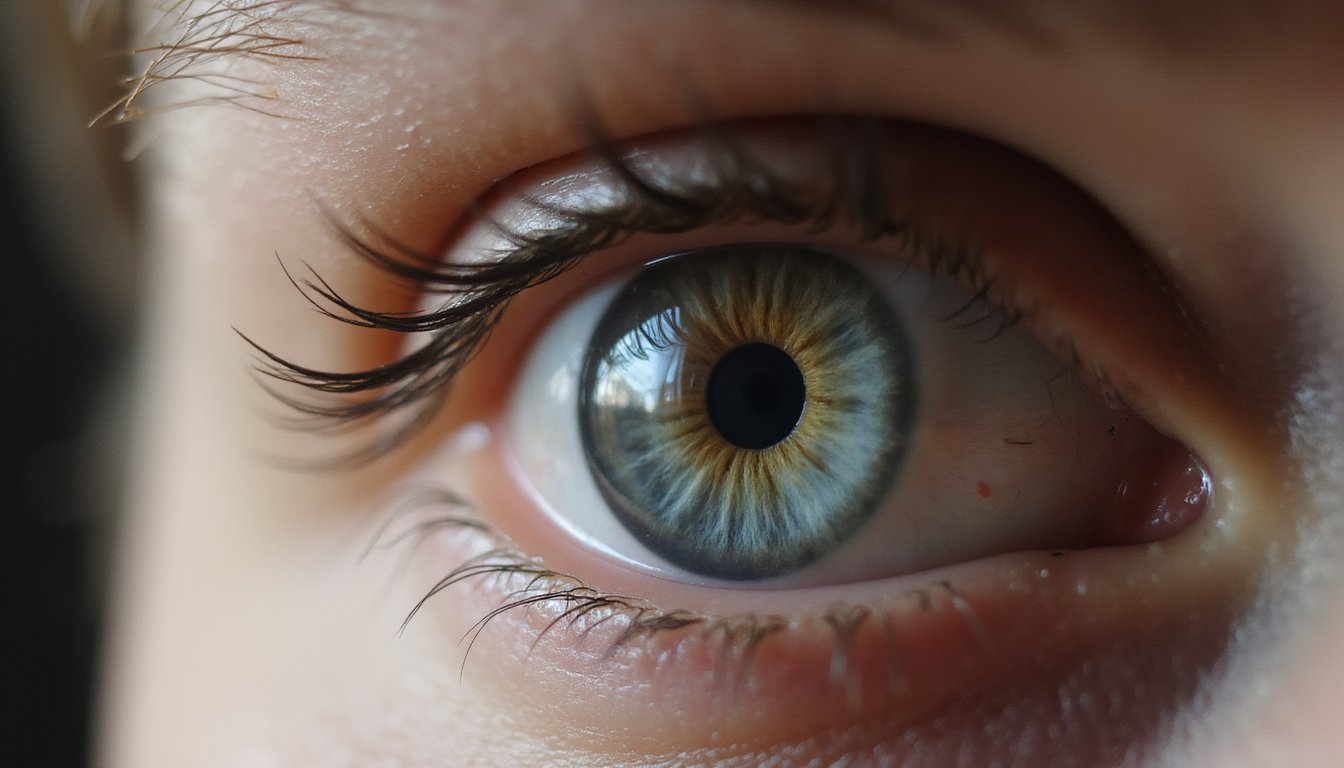
Cocaine triggers a cascade of visible changes in the eyes that can serve as recognizable indicators of use. You’ll notice pupils that appear considerably larger than normal, creating a wide-eyed, glossy look. This mydriasis results from cocaine stimulating your sympathetic nervous system’s fight-or-flight response.
Your eyes after cocaine use typically show prominent redness as blood vessels become inflamed from vasoconstriction and increased blood pressure. You may also experience involuntary eye movements, eyelid tremors, and heightened light sensitivity. Smoking cocaine specifically can lead to keratitis, which causes direct damage to the surface of the eye. Causes of bloodshot eyes explained can include factors such as excessive alcohol consumption, lack of sleep, or prolonged screen time.
Additionally, cocaine causes upper eyelid retraction, giving you a startled or bulging expression. Your eyes may alternate between appearing excessively watery and uncomfortably dry, often accompanied by frequent rubbing and visible irritation that creates a distinctly unkempt appearance.
Why Cocaine Causes Dilated Pupils
When you use cocaine, the drug blocks norepinephrine reuptake, flooding your nervous system with stimulating chemicals. This triggers your sympathetic nervous system‘s fight-or-flight response, forcing your pupils to dilate rapidly. Norepinephrine and dopamine surge simultaneously, creating the characteristic mydriasis that signals cocaine use.
Cocaine also directly impacts your ciliary muscle, which controls focusing ability and pupil mechanics. In high concentrations, it can cause cycloplegia, temporary paralysis of this muscle, compounding dilation effects.
How long do pupils stay dilated? That depends on dosage, metabolism, and polydrug use. However, because reuptake inhibition extends norepinephrine’s presence in your system, dilation typically persists for hours beyond the initial high. Prolonged cocaine use also causes vasoconstriction in the eye’s blood vessels, which carries a twofold increase in risk of serious visual complications over time. Cocaine effects on pupil dilation can also indicate potential changes in visual acuity. Users may notice fluctuations in their vision, especially when the pupils remain excessively dilated.
How Fast Do Cocaine Eyes Appear?
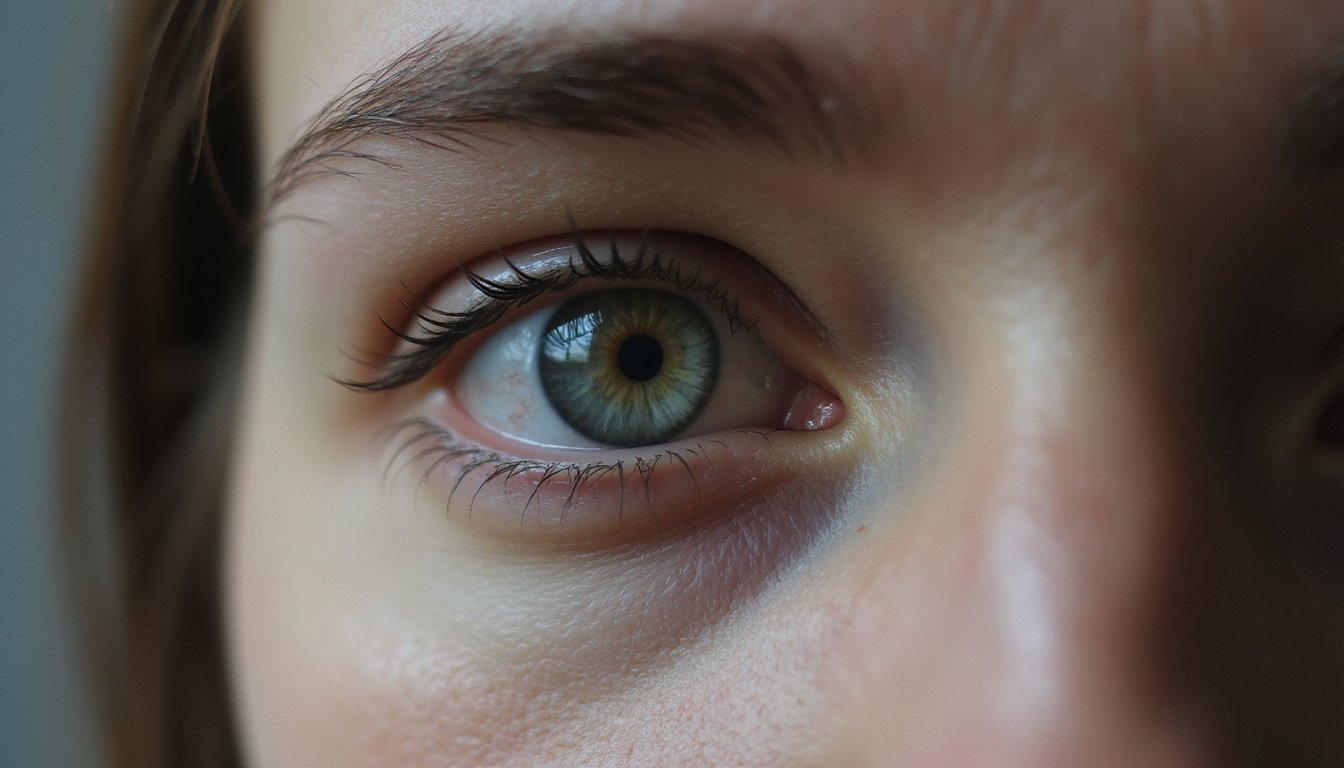
How quickly do cocaine eyes appear? Pupil dilation is one of the most immediate and obvious signs of cocaine use. When cocaine enters your bloodstream, it interferes with norepinephrine reuptake, triggering your sympathetic nervous system‘s fight-or-flight response almost instantaneously.
Your pupils dilate because increased norepinephrine and dopamine cause rapid iris muscle contraction. Key factors affecting how long eyes stay dilated after drug use include:
- Amount consumed, larger doses produce faster, more pronounced dilation
- Individual metabolism, your body’s processing speed creates variance in onset
- Other substances present, additional drugs in your system alter symptom timing
Light sensitivity, bloodshot eyes, and rapid blinking typically develop concurrently with dilation. If you’re a heavy user, delayed recovery patterns may further affect how quickly these changes manifest. Over time, chronic use can also lead to retinal vascular occlusive disease, which blocks small blood vessels in the retina and compounds the visual effects experienced during active cocaine use.
How Long Cocaine Eyes Last by Method of Use
Because each method of use delivers cocaine to the bloodstream at different speeds, the duration of pupil dilation varies considerably depending on how you consume the drug.
When you snort cocaine, eye effects begin within approximately three minutes, with immediate effects lasting up to 30 minutes. Smoking crack produces ocular changes within seconds, though the acute high lasts only five to ten minutes. Injected cocaine affects your eyes through systemic vasoconstriction rather than direct exposure.
Regardless of method, how long does pupil dilation last beyond the initial high? Your pupils typically remain dilated for four to six hours after use, well beyond the euphoria window. The half-life drives approximately two-hour metabolic reductions, but dilation persists longer. Chronic use can extend baseline dilation duration and cause prolonged visual complications.
When Do Cocaine Eyes Go Back to Normal?
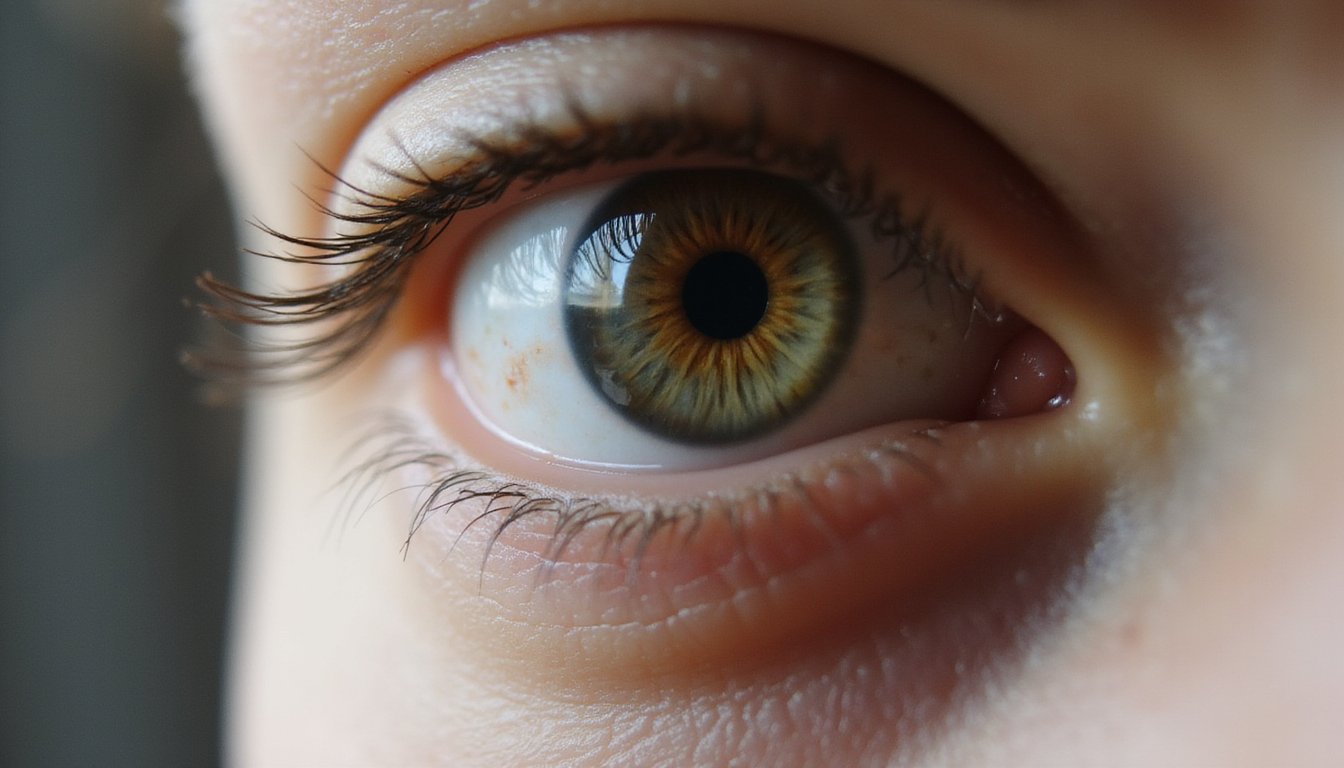
Once you stop using cocaine, your pupils typically return to their normal size within a few hours, and most acute eye symptoms, like redness, light sensitivity, and dryness, resolve within 24 to 48 hours for single-use episodes. If you’ve been using heavily or bingeing, recovery timelines stretch considerably, with dilated pupils and eye strain potentially persisting for several days to a week. You should seek immediate medical attention if you experience severe headache, vision loss, or eye pain during recovery, as these symptoms can indicate serious complications like retinal artery occlusion that require urgent treatment.
Short-Term Recovery Timeline
Although cocaine’s effects on the eyes can feel alarming, most pupil changes follow a predictable recovery timeline. If you’re wondering how long for eyes to undilate, here’s what to expect:
- 0, 2 hours after last use: Pupil dilation peaks, then gradually begins decreasing as cocaine clears your bloodstream.
- 24, 48 hours: Most short-term eye effects, including dilation, redness, and light sensitivity, resolve completely for occasional users.
- 48, 72 hours: Lingering dryness, bloodshot appearance, or eye strain from sleep deprivation typically clears with adequate rest and hydration.
Your individual timeline depends on dosage, frequency of use, and whether you combined cocaine with other substances. Prioritizing sleep, staying hydrated, and resting in a dim, quiet environment can meaningfully accelerate your eye recovery without medical intervention.
Heavy Use Delays Recovery
The timeline above applies to occasional or light use, but if you’ve been using cocaine heavily or over a long period, your eyes won’t bounce back as quickly. Chronic cocaine exposure disrupts norepinephrine and dopamine pathways, creating neurochemical imbalances that extend well beyond the acute high. Your brain’s ability to regulate pupil response becomes impaired as neural pathways sustain damage from sustained use.
When to Seek Help
How quickly your eyes return to normal depends on several factors, but in most cases, dilated pupils resolve within 30 minutes to 2 hours after use, with full pupil normalization occurring within 24 to 48 hours. During cocaine withdrawal, pupils may temporarily constrict below baseline before stabilizing within a few days.
Seek immediate medical attention if you experience any of these symptoms alongside eye changes:
- Sudden vision loss or severe eye pain, which may indicate retinal artery occlusion
- Intense headache with visual disturbances, signaling dangerous pressure changes
- Chest pain accompanying eye symptoms, suggesting cardiovascular complications
These red flags can reflect irreversible damage to the retina or optic nerve. Don’t wait for symptoms to resolve on their own, early intervention greatly improves outcomes.
Cocaine Eyes and Permanent Vision Damage
Cocaine’s vasoconstrictive effects can permanently damage your eyes by triggering retinal artery occlusion, which cuts off blood supply to retinal tissue and causes irreversible vision loss. Repeated use also increases your risk of optic nerve damage from chronic oxygen deprivation and corneal ulcers caused by prolonged vasoconstriction and suppressed blinking reflexes. These structural complications don’t resolve when the drug wears off, they represent lasting harm that can permanently alter your vision.
Retinal Artery Occlusion Risks
While dilated pupils and bloodshot eyes typically resolve within hours, cocaine can cause far more serious ocular damage, including retinal artery occlusion, a condition that may lead to permanent vision loss.
Cocaine triggers vasospasm and promotes a prothrombotic state, blocking blood flow to your retina. Unlike pupils after cocaine use that return to normal, retinal artery occlusion can cause irreversible damage. Key risks include:
- Branch retinal artery occlusion (BRAO): Blocks specific retinal arterioles, causing localized ischemic whitening and vision deficits
- Central retinal artery occlusion (CRAO): Cuts oxygen to your entire retina, potentially causing permanent blindness
- Combined vascular events: Simultaneous arterial and venous occlusions documented in single patients
If you experience sudden blurred vision after cocaine use, seek emergency medical attention immediately.
Irreversible Optic Nerve Damage
Beyond retinal artery occlusion, cocaine can inflict permanent damage directly on your optic nerve, the critical pathway that transmits visual signals from your eye to your brain. Cocaine blocks norepinephrine reuptake, causing sustained vasoconstriction that starves your optic nerve of oxygen and nutrients. This ischemic injury degrades retinal ganglion cell axons and damages the papillomacular bundle, resulting in irreversible optic nerve damage.
If you use cocaine intranasally, you’re also at risk for midline destructive lesions that erode bone around your eye sockets. These inflammatory lesions can compress and infiltrate your optic nerve at the orbital apex, causing permanent vision loss. While cocaine eyes, dilated pupils and redness, typically resolve, structural nerve damage doesn’t reverse. Even corticosteroid treatment hasn’t restored visual acuity once optic neuropathy develops.
Corneal Ulcers and Vasoconstriction
The damage cocaine inflicts on your eyes extends well past the optic nerve, it also attacks the corneal surface through vasoconstriction and direct chemical exposure.
When you use cocaine, vasoconstriction reduces blood flow and oxygen delivery to your ocular tissues. This compromises the cornea’s ability to maintain healthy cells and repair itself. Simultaneously, cocaine’s numbing effect suppresses your blink reflex, leaving the corneal surface exposed and desiccated.
This combination creates ideal conditions for corneal ulcers to develop:
- Dry, unprotected corneas become vulnerable to foreign particle infiltration and abrasion
- Repeated damage cycles cause scarring that permanently alters corneal transparency
- Compromised healing capacity from restricted blood flow prevents proper tissue recovery
Once structural corneal damage occurs, your vision impairment becomes irreversible without medical intervention.
When Cocaine Eyes Need Emergency Care
Most cocaine-related eye effects resolve on their own, but certain symptoms signal a medical emergency that demands immediate attention. You should seek urgent care if you experience sudden vision loss, severe eye pain, or persistent light sensitivity that worsens over time. Cocaine’s effect on eye appearance can sometimes include redness or dilated pupils, which may not only be alarming but also indicative of underlying issues.
Retinal detachment, corneal ulcers, and retinal vein occlusion require immediate intervention to prevent permanent blindness. If your pupils off cocaine remain fixed, irregularly shaped, or accompanied by unfocused eye movements, this suggests neurological damage needing emergency assessment.
Watch for jaundice, yellowing in your eyes indicates cocaine-induced liver damage requiring urgent evaluation. Bloodshot eyes lasting several days, combined with worsening pain or redness, point to underlying corneal injury. Don’t wait for these symptoms to resolve independently; prompt medical treatment considerably improves outcomes.
Call Now and Simplify Your Recovery Journey
Cocaine addiction can affect your body, mind, and daily life in ways that feel hard to manage on your own. At Villa Wellness Center in Sicklerville, NJ, our experienced team provides trusted Drug Addiction Treatment with care, compassion, and a personalized approach. Call +1 (844) 609-3035 today and take the first step toward lasting recovery.
Frequently Asked Questions
Can Eye Drops Help Hide Dilated Pupils Caused by Cocaine Use?
Over-the-counter eye drops won’t greatly reduce cocaine-induced pupil dilation. Regular eye drops like Visine can reduce redness, but they don’t constrict your pupils. Only prescription miotic drops, such as pilocarpine, can actively shrink dilated pupils, and they’re not designed to mask drug use. Your safest option isn’t concealment; it’s seeking support. If you’re regularly trying to hide signs of cocaine use, you should consider reaching out to a treatment professional.
Do Cocaine Eyes Look Different in People With Darker Eye Colors?
Yes, cocaine-induced pupil dilation can appear less noticeable if you have darker eye colors. Your darker iris makes it harder to distinguish the pupil’s edge, so dilation isn’t as visually obvious compared to lighter eyes. However, the physiological effect is the same, your pupils dilate regardless of iris color. Healthcare professionals can still detect dilation during an exam. If you’re concerned about cocaine’s effects on your eyes, you should seek professional support.
Will Cocaine Pupils Show up on a Drug Test or Screening?
Dilated pupils alone won’t confirm cocaine use on a standard drug test. Drug screenings typically analyze urine, blood, saliva, or hair samples to detect cocaine metabolites, not physical signs like pupil size. However, some clinical assessments and law enforcement evaluations do include pupil examinations as supplementary indicators of substance use. If you’re concerned about cocaine’s effects on your eyes or overall health, you should speak with a healthcare provider for personalized guidance.
Can Secondhand Cocaine Smoke Cause Dilated Pupils in Nearby People?
Secondhand cocaine smoke isn’t likely to cause dilated pupils in nearby people under normal circumstances. You’d need extremely heavy, prolonged exposure in a poorly ventilated space to absorb enough cocaine to trigger noticeable eye changes. However, you should know that secondhand exposure can potentially produce trace amounts of cocaine metabolites in your system. If you’re concerned about any exposure, you’ll want to consult your healthcare provider for personalized guidance.
Does Mixing Cocaine With Alcohol Make Pupil Dilation Last Longer?
Yes, mixing cocaine with alcohol can extend how long your pupils stay dilated. When you combine these substances, you’re intensifying sympathetic nervous system stimulation and increasing dehydration, which worsens ocular symptoms. You’ll likely experience prolonged redness, eye strain, and visual disturbances lasting several days beyond what cocaine alone produces. The combination also enhances blood vessel damage potential, further extending dilation and symptom persistence. If you’re concerned, consult a healthcare professional.