





Yes, cocaine causes red, bloodshot eyes. When you use cocaine, it triggers rapid vasoconstriction in your ocular blood vessels, cutting off oxygen to eye tissues. This is quickly followed by vasodilation, where those same vessels expand and become visibly inflamed. Cocaine also spikes your blood pressure and heart rate, which intensifies the redness. While bloodshot eyes typically resolve quickly, the underlying vascular disruption can lead to more serious complications you’ll want to understand.
Why Cocaine Makes Your Eyes Red and Bloodshot
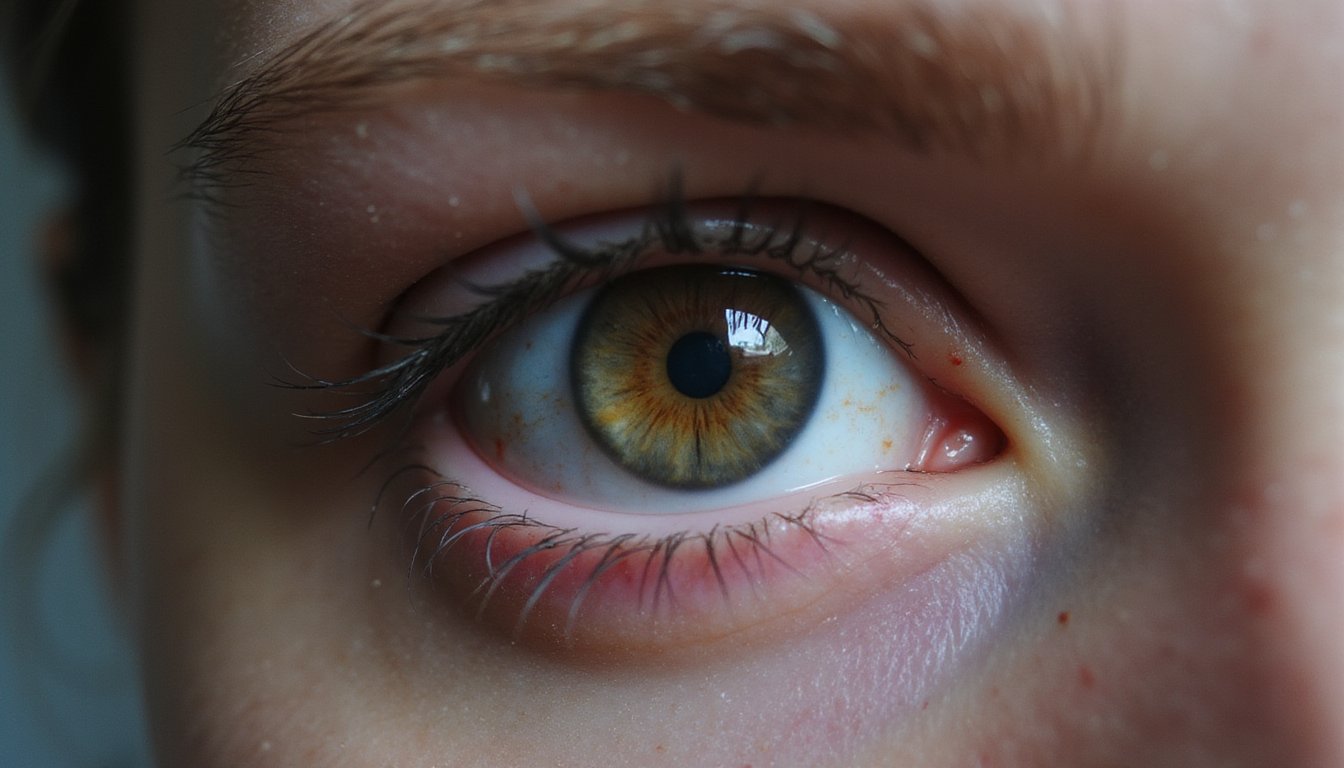
When cocaine enters the bloodstream, it triggers a rapid cycle of vasoconstriction and vasodilation that directly affects the delicate blood vessels in your eyes. Initially, blood vessels constrict, reducing oxygen delivery to ocular tissues. They then expand, making capillaries visibly inflamed and pronounced. The stimulant effect also raises blood pressure and heart rate, further intensifying the redness and inflammation in the whites of the eyes.
How Cocaine Dilates Your Pupils and Blurs Vision
Cocaine floods the brain with norepinephrine, dopamine, and epinephrine by blocking their reuptake, triggering a powerful sympathetic nervous system response. This “fight or flight” activation forces your pupils to expand considerably, a condition called mydriasis, allowing excessive light entry and creating intense photosensitivity.
Among the most disruptive cocaine effects on eyes is cycloplegia, where the ciliary muscle responsible for focus control becomes paralyzed. You’ll experience blurry vision and difficulty focusing at any distance, often compensating by squinting. Irregular eye movements, known as nystagmus, can also occur during active use. Your pupils may remain dilated for several hours, and chronic use risks long-term complications including talc retinopathy, upper eyelid retraction, and exophthalmos, each progressively impairing your visual field. Additionally, cocaine’s vasoconstrictive properties can restrict blood supply to the optic nerve, potentially leading to ischemic optic neuropathy and permanent vision loss. The duration of dilated pupils can vary significantly depending on the dosage and individual metabolism of the drug.
Corneal Ulcers, Keratitis, and Other Cocaine Eye Damage
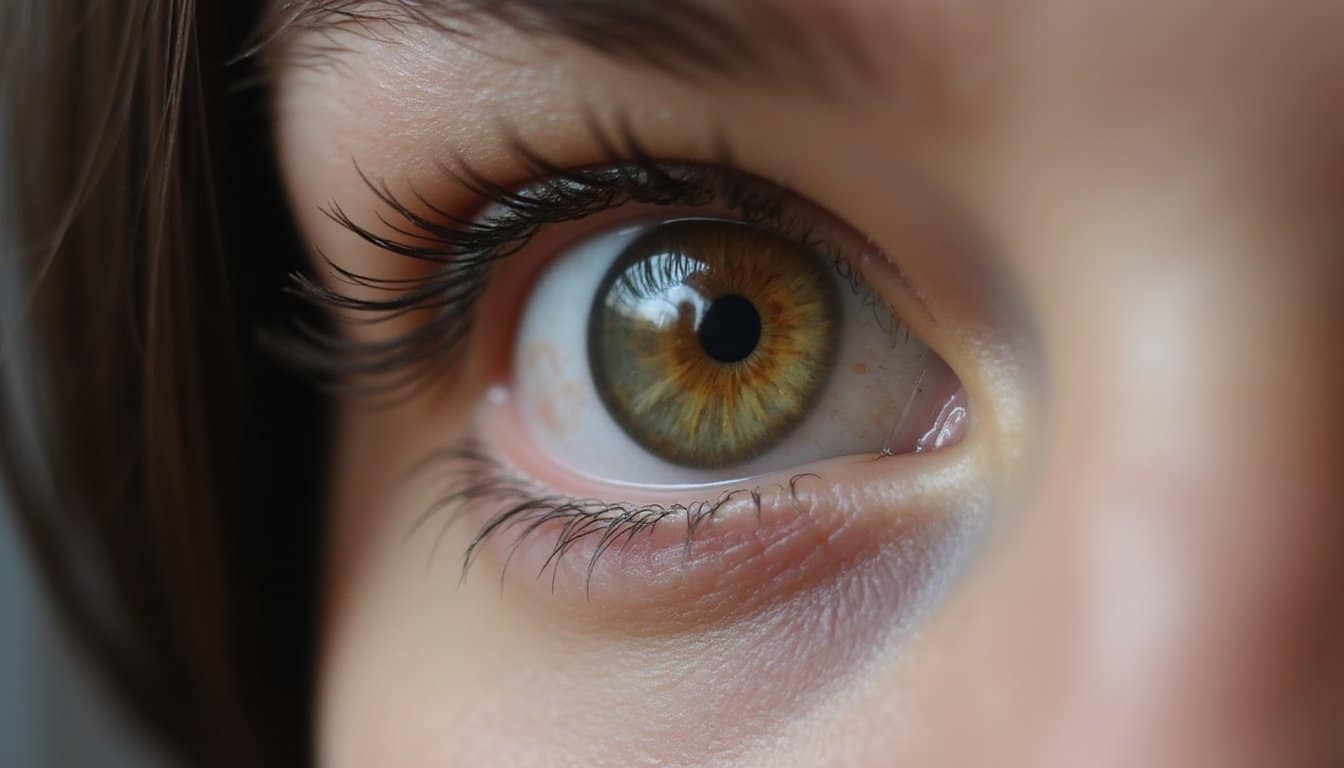
Beyond dilated pupils and blurred vision, cocaine can inflict serious structural damage to the eye’s surface. When you snort cocaine, it can travel retrograde through your tear ducts, directly exposing corneal tissue to toxic compounds. Crack smoke numbs your cornea, suppresses your blink reflex, and introduces aerosolized adulterants like talcum powder and starch. These mechanisms explain why cocaine red eyes often signal deeper damage. Because cocaine heightens blood pressure, the increased force on delicate ocular blood vessels compounds the structural harm already caused by direct chemical exposure. Symptoms of cocaine eye dilation can also include redness and irritation, often making it difficult for individuals to focus.
Corneal ulcers from cocaine use present with specific clinical findings:
- Streptococcal organisms identified in most cocaine-related corneal ulcer cases
- Bacterial and fungal co-infections isolated in crack users with infectious keratitis
- Persistent epithelial defects requiring lateral tarsorrhaphy
- Neurotrophic keratopathy from chronic corneal nerve damage
You should seek specialist ophthalmology consultation immediately if you experience eye pain, discharge, or vision changes.
How Different Routes of Cocaine Use Affect Your Eyes
Although most cocaine eye effects, dilated pupils, light sensitivity, and bloodshot eyes, occur regardless of how you take the drug, each route of administration introduces distinct mechanisms that affect your eyes in specific ways. So does cocaine make your eyes red through every method? Yes, but additional route-specific factors compound the effect.
| Route of Use | Additional Eye Effect |
|---|---|
| Snorting | Sinus inflammation can increase pressure around orbital structures |
| Smoking (crack) | Direct smoke exposure irritates eyes, worsening redness |
| Rubbing on gums | Minimal additional eye-specific effects beyond systemic response |
| Injecting | Rapid systemic absorption intensifies pupil dilation and vascular changes |
Smoking crack cocaine carries the highest risk for surface-level eye irritation due to direct smoke contact.
Can Cocaine Cause Permanent Vision Loss?
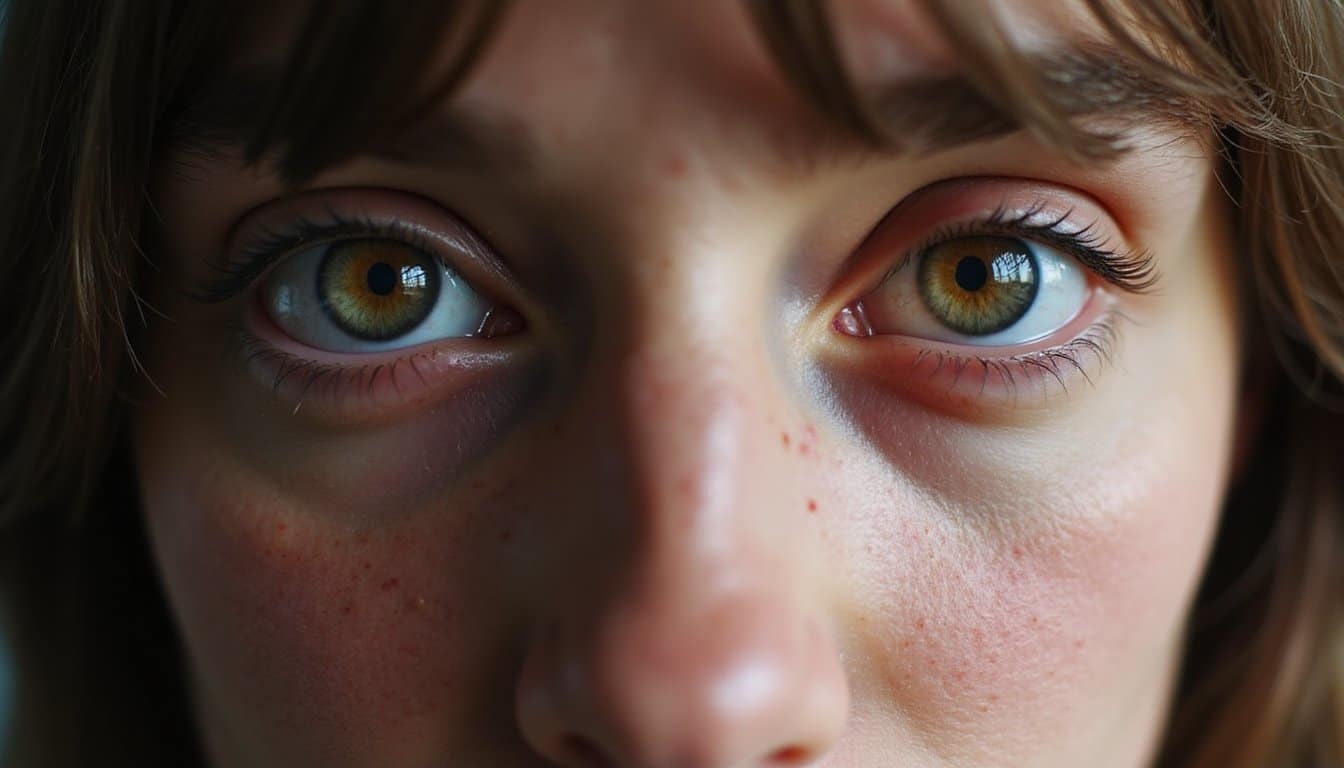
While red eyes and dilated pupils typically resolve once cocaine leaves your system, the drug’s effects on your vision can extend far beyond temporary discomfort. Unlike red eyes from cocaine, which fade within hours, certain complications cause irreversible damage. Distinguishing cocaine eyes from other drugs is crucial for accurate diagnosis and treatment. Many users may not realize that the visual effects can mask more serious underlying conditions.
Cocaine-induced vasoconstriction can trigger serious ocular emergencies, including:
Cocaine’s powerful vasoconstriction doesn’t just affect your heart, it can trigger sight-threatening ocular emergencies with lasting consequences.
- Central retinal artery occlusion (CRAO), which develops 3, 10 hours after use and cuts oxygen delivery to the retina.
- Ischemic optic neuropathy, causing sudden, painless vision loss from blocked blood flow to the optic nerve.
- Glaucoma, resulting from increased intraocular pressure that damages the optic nerve permanently.
- Retinal detachment, where the retina separates from its supporting tissue.
These conditions produce permanent vision loss even in young, otherwise healthy individuals. Early intervention remains critical but often yields poor outcomes.
Why Cocaine Eye Damage Gets Worse Over Time
Each episode of cocaine use inflicts measurable damage on your eyes, and that damage doesn’t reset between uses. Vasoconstriction starves your retina and optic nerve of oxygen, and each cycle compounds the harm. Repeated ischemic events degrade tissue that can’t regenerate.
Chronic pupil dilation strains your ciliary muscles, weakening your ability to focus over time. Extended light exposure through dilated pupils causes cumulative photochemical damage to interior structures.
Cocaine also suppresses your immune system, leaving you vulnerable to recurring ocular infections that scar corneal tissue. Each infection cycle worsens cocaine eye irritation and slows healing further.
Meanwhile, cocaine continuously disrupts the neurotransmitter systems governing visual processing, creating progressive dysfunction that may persist even after you stop using.
When Cocaine-Related Eye Symptoms Signal Something Serious
The cumulative damage described above doesn’t always announce itself gradually, some cocaine-related eye symptoms demand immediate medical attention. While bloodshot eyes cocaine users experience may seem minor, certain warning signs indicate vision-threatening emergencies you shouldn’t ignore.
Seek urgent care if you notice:
- Sudden vision loss or dark spots, these suggest retinal vascular occlusion requiring immediate intervention.
- Severe eye pain with nausea, this combination points to acute angle-closure glaucoma and rising intraocular pressure.
- Yellow discoloration of your eyes, jaundice signals liver damage from long-term stimulant use.
- Persistent corneal pain with light sensitivity, this indicates possible corneal ulceration or perforation needing emergency treatment.
Early diagnosis greatly improves outcomes for each condition.
Call Now and Simplify Your Recovery Journey
Cocaine addiction can affect your body, mind, and daily life in ways that feel hard to manage on your own. At Villa Wellness Center in Sicklerville, NJ, our experienced team provides trusted Drug Addiction Treatment with care, compassion, and a personalized approach. Call +1 (844) 609-3035 today and take the first step toward lasting recovery.
Frequently Asked Questions
How Long Do Bloodshot Eyes Last After Using Cocaine?
Your bloodshot eyes typically last a few hours after using cocaine, though they can persist longer depending on several factors. The amount you’ve consumed, your metabolism, whether you’ve used other substances, and how long you’ve stayed awake all influence duration. If you’re a chronic user, you may experience prolonged or persistent redness compared to occasional use. Corneal damage from repeated exposure can cause lasting ocular complications requiring professional evaluation.
Can Eye Drops Hide Cocaine-Related Red Eyes Effectively?
Over-the-counter eye drops like those containing tetrahydrozoline can temporarily reduce surface redness by constricting blood vessels, but they won’t fully mask cocaine-related red eyes. That’s because cocaine causes redness through multiple mechanisms, pupil dilation, sleep deprivation, and direct irritation, that eye drops don’t address. You’ll still show other telltale signs like dilated pupils and light sensitivity. If you’re relying on eye drops to hide use, consider seeking professional support instead.
Does Mixing Cocaine With Alcohol Make Red Eyes Worse?
There isn’t enough clinical evidence to confirm whether mixing cocaine with alcohol makes red eyes worse specifically. However, you should know that both substances independently affect your blood vessels and blood pressure. Cocaine causes vasodilation in your eye’s blood vessels, and alcohol similarly dilates blood vessels throughout your body. Combining them likely intensifies redness, though researchers haven’t studied this interaction’s ocular effects in controlled settings. You shouldn’t combine these substances.
Are Bloodshot Eyes From Cocaine Different From Marijuana Red Eyes?
Yes, they differ in key ways. Cocaine dilates your pupils and causes bloodshot eyes through vasoconstriction, reduced oxygen delivery, and direct tissue irritation, often accompanied by light sensitivity and rapid eye movements. You might also develop corneal damage with repeated use. Marijuana produces red eyes through different mechanisms, though both create a similar bloodshot appearance. Cocaine-related redness typically resolves faster but carries greater risk of lasting eye complications.
Can Doctors Tell if Red Eyes Are Caused by Cocaine?
Doctors can’t diagnose cocaine use from red eyes alone, since allergies, infections, and other substances produce identical redness. However, they’ll look for accompanying signs that strengthen suspicion, dilated pupils, nystagmus, upper eyelid retraction, and light sensitivity create a more compelling clinical picture. Long-term indicators like corneal ulcers or talc retinopathy point more specifically to cocaine exposure. You should know that definitive confirmation requires toxicological testing beyond visual examination.