




Meth produces a sharp, pungent chemical odor you’ll often recognize as similar to ammonia, acetone, or strong vinegar. When smoked, it shifts to a faintly sweet, burnt-plastic scent with metallic undertones that cling to fabrics. A meth lab intensifies these compounds, releasing concentrated sulfur, methylamine, and solvent fumes resembling rotten eggs or cat urine. Each exposure scenario carries distinct respiratory and neurological health risks you shouldn’t ignore, and understanding the differences can help you respond safely.
What Does Meth Smell Like?
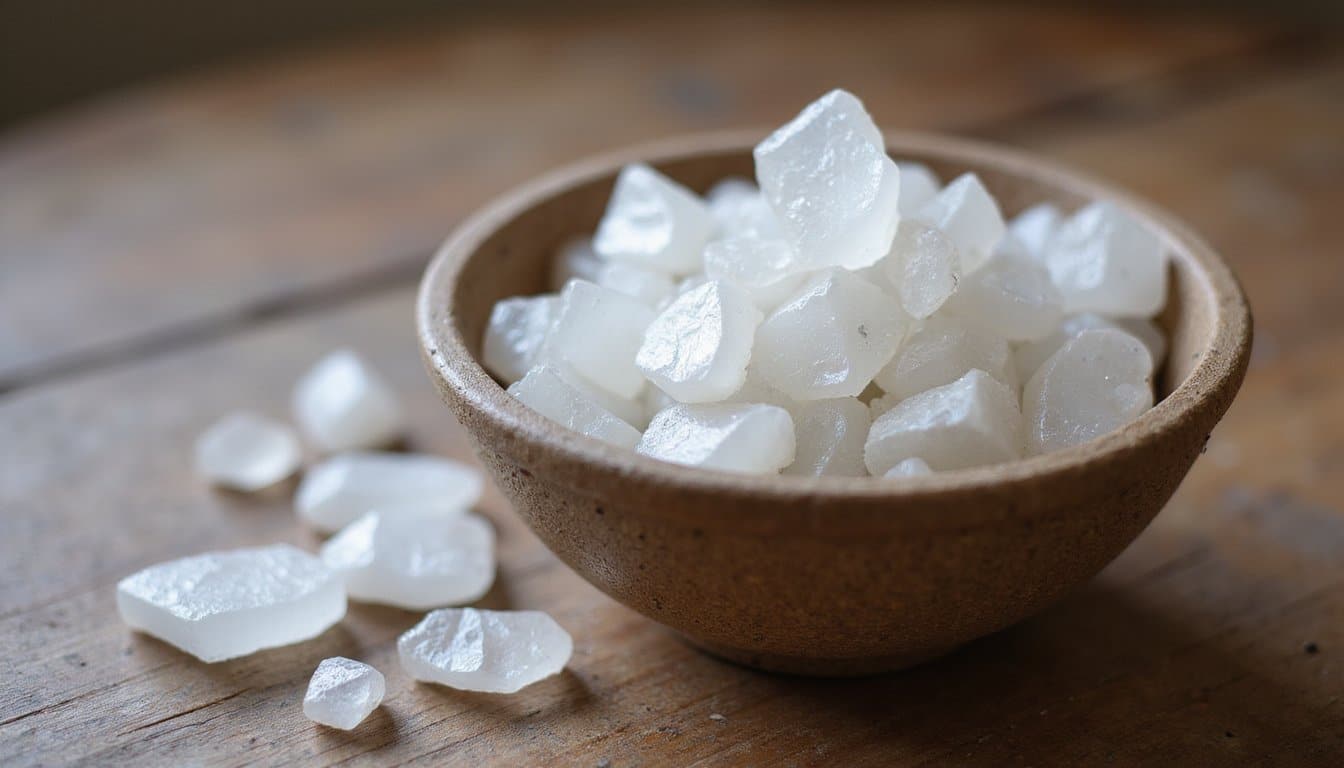
You’ll recognize the meth smell as a pungent, sharp chemical odor resembling ammonia, nail polish remover, or strong solvents mixed with sulfur compounds. Some describe it as vinegar with a recognizable chemical tang. The noxious scent reflects the drug’s dangerous chemical composition and persists in air while clinging to clothing, carpets, and furniture. Even after active use ceases, chemical residues absorb into surfaces, keeping the odor detectable and posing respiratory health risks to anyone exposed. When the drug is smoked, the odor often shifts to a burnt-chemical or sweet scent that is distinctly different from its raw chemical form.
What Does Meth Smell Like When Smoked?
When you smoke methamphetamine, you’ll typically detect a faintly sweet chemical scent that underlies the more dominant harsh fumes produced during vaporization. The primary odor profile consists of a burnt plastic smell, generated as crystal meth volatilizes at high temperatures and releases volatile organic compounds that irritate your olfactory system. You’ll also notice a metallic, synthetic undertone, a sharp, distinctive quality that distinguishes smoked methamphetamine from the ammonia-heavy odors associated with its production. This pungent smell lingers on clothing and furniture, serving as a telltale signal of nearby smoking activity.
Faintly Sweet Chemical Scent
Smoked methamphetamine produces a distinctly faintly sweet, chemical-like scent that’s particularly lighter and more subtle than the harsh, pungent odors associated with active meth labs. You’ll notice this meth odor carries an ether-like, aromatic quality sometimes compared to a hospital or clinical environment. The sweetness stems from residual production chemicals volatilizing during combustion.
Unlike tobacco or marijuana smoke, the smoked meth smell doesn’t cling to clothing or skin with the same intensity. You can detect metallic and synthetic undertones beneath the dominant sweet note, often resembling acetone-based cleaning solutions. The scent profile varies between batches depending on specific precursor chemicals used during synthesis. In poorly ventilated spaces, you’ll perceive a sharper, more concentrated version of this characteristic sweet-chemical combination. Prolonged exposure to meth smoke residue in enclosed environments can cause headaches, nausea, and vomiting, along with breathing difficulties and eye irritation, even for those not directly using the substance.
Burnt Plastic Smell
Beyond that faintly sweet chemical note, the most consistently reported odor from smoked methamphetamine is a distinct burnt plastic smell. When crystal meth vaporizes at high temperatures, it releases volatile compounds that produce this characteristic scent profile. You’ll notice the crystal meth smell resembles melting synthetic polymers rather than natural combustion.
The burnt plastic smell carries specific identifiable properties:
- Sharp and metallic, observers consistently describe a chemical edge paired with the burnt plastic smell
- Localized concentration, the odor remains strongest in the immediate consumption area
- Surface absorption, chemical residue deposits on fabrics, upholstery, and curtains, resisting standard cleaning
- Persistent lingering, the scent remains detectable through multiple air circulation cycles in enclosed spaces
This odor embeds into clothing and belongings, creating a recognizable contamination signature.
Metallic Synthetic Odor
| Odor Layer | Chemical Source | Detection Characteristic |
|---|---|---|
| Sharp metallic base | Lithium compounds | Bitter, acrid tone |
| Sweet undertone | Ether-like solvents | Faint sweetness beneath fumes |
| Synthetic overlay | Acetone residues | Chemical-plastic sharpness |
| Acrid sting | Hydrochloric acid | Nose-stinging irritation |
| Lingering residue | Combined precursors | Persistent fabric adhesion |
This multi-layered complexity distinguishes smoked methamphetamine from single-source chemical odors like bleach or paint thinner. Detecting drugs by their smells can reveal subtle differences that may not be obvious at first glance.
What Does a Meth Lab Smell Like?
How distinct is the smell of a meth lab compared to ordinary household odors? If you’re wondering what does meth smell like in a production environment, the meth lab smell is a concentrated cocktail of volatile chemical compounds that’s unmistakable once encountered.
Active meth labs produce layered, overlapping odors from multiple simultaneous chemical reactions in poorly ventilated spaces. You’ll detect: Hazardous substances linked to meth labs can pose severe risks to health and safety. Exposure to these substances may lead to respiratory issues, skin irritations, and long-term damage to internal organs.
The layered chemical stench of an active meth lab is impossible to mistake for any ordinary household odor.
- Intensified ammonia, up to ten times stronger than household cleaners, causing immediate eye irritation and throat constriction
- Sulfur-based decay, rotten egg or sharp vinegar-like odors from chemical byproducts triggering nausea
- Solvent saturation, paint thinner, acetone, and ether fumes creating a persistent synthetic tang
- Methylamine emissions, harsh, cat-urine-like gases that contaminate surrounding surfaces long after production ceases
These toxic chemical signatures linger on materials, making former lab sites identifiable even months later.
Smoked Meth vs. Meth Lab: How to Tell the Smell Apart
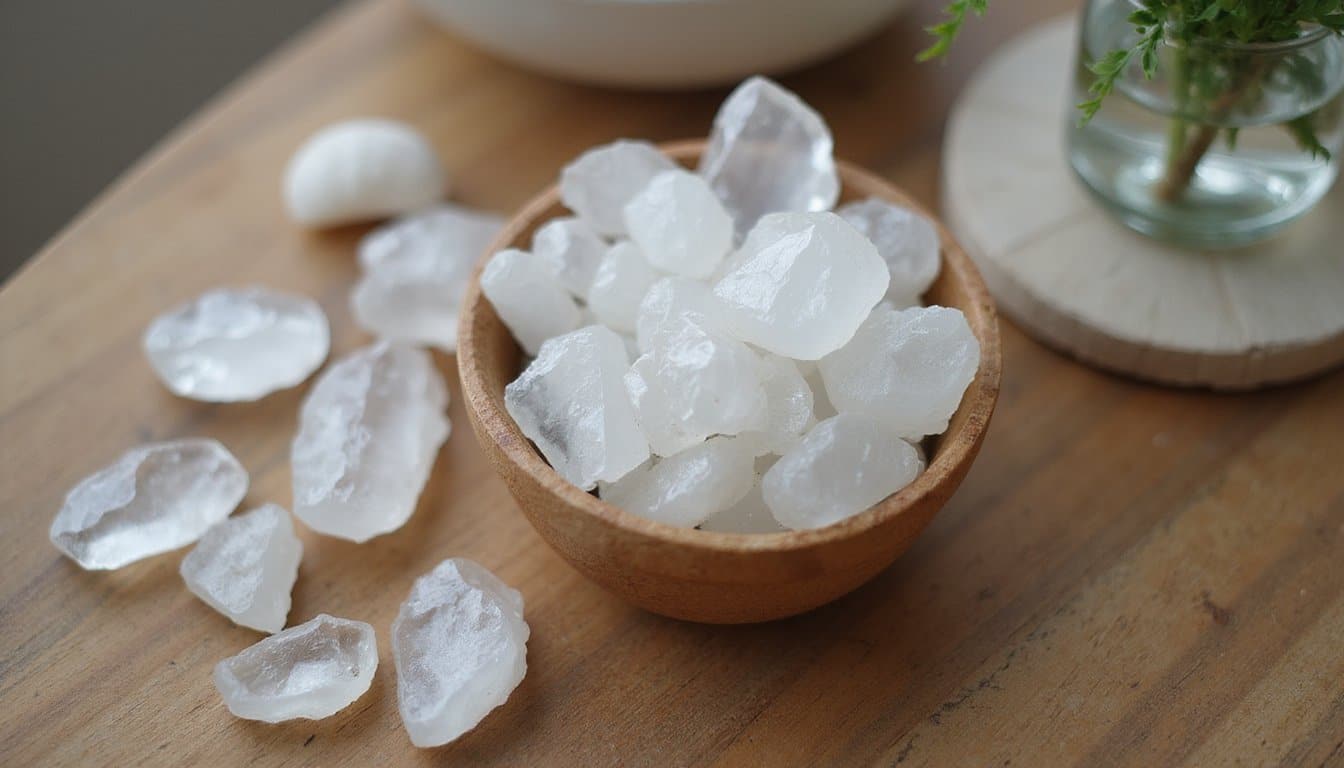
Distinguishing between smoked meth and an active meth lab comes down to odor intensity, chemical complexity, and detection range. When you encounter smoked meth, you’ll detect a faintly sweet, metallic scent with burnt plastic characteristics. This odor remains subtle and carries a limited distance, often going unnoticed.
A meth lab produces an entirely different olfactory profile. You’re dealing with multiple volatile compounds, ammonia, acetone, and pseudoephedrine precursors, layering into a harsh, overpowering chemical smell. These odors resemble glass cleaner, rotten eggs, or cat urine and remain detectable from considerable distances.
The key differentiator is complexity. Smoked meth involves a single vaporized substance, while a meth lab generates cycling odor patterns from simultaneous chemical reactions. Lab smells persist continuously, whereas smoked meth odors appear intermittently.
Can Meth Fumes Make You Sick?
Even brief exposure to methamphetamine fumes can trigger measurable health effects across multiple organ systems. If you’re wondering does meth have a scent that can harm you, the answer is yes, the same volatile compounds producing that distinctive methamphetamine smell directly damage your respiratory tract, eyes, and neurological function. Health risks of methamphetamine exposure extend beyond immediate symptoms. Prolonged inhalation can lead to chronic conditions and severe organ damage.
Documented health effects from meth fume exposure include:
- Respiratory compromise: Persistent coughing, chest pain, and asthma-like symptoms develop from inhaling contaminated air
- Mucous membrane irritation: Burning, watery eyes and nose/throat inflammation result from volatile organic compound contact
- Neurological impairment: Headaches, dizziness, memory deficits, and in severe cases, permanent anterograde amnesia occur at higher exposure levels
- Behavioral disruption: Sleep disturbances, anxiety, and cognitive changes manifest in residents of contaminated properties, particularly children
What Should You Do If You Smell Meth Nearby?
Understanding that meth fumes pose direct health risks makes your immediate response to detecting that characteristic methamphetamine smell a matter of personal safety. If you’re questioning what does meth smell like in the air, you’re likely detecting ammonia, chemical solvent, or burnt plastic odors, indicators warranting immediate action.
First, evacuate the area. Don’t investigate the source yourself, as meth labs contain volatile, combustible chemicals. Move upwind from where meth smells are strongest to minimize inhalation exposure.
Leave immediately if you detect meth lab odors, move upwind and never investigate volatile chemical sources yourself.
Contact local law enforcement or your community’s designated narcotics reporting hotline. Document observable environmental indicators: unusual chemical odors, paranoid resident behavior, drawn curtains, or late-night activity patterns. These details assist investigators in establishing probable cause.
If you’ve experienced prolonged exposure, seek medical evaluation. Don’t re-enter potentially contaminated spaces until authorities confirm safety clearance.
Call Now and Simplify Your Recovery Journey
Drug addiction can affect your body, mind, and daily life in ways that feel hard to manage on your own. At Villa Wellness Center in Sicklerville, NJ, our experienced team provides trusted Drug Addiction Treatment with care, compassion, and a personalized approach. Call +1 (844) 609-3035 today and take the first step toward lasting recovery.
Frequently Asked Questions
Can Meth Smell Linger on Furniture, Carpets, or Walls After Use?
Yes, meth smell can absolutely linger on your furniture, carpets, and walls long after use or production stops. Volatile chemical compounds permeate porous materials, embedding residues that continue emitting odors indefinitely without professional remediation. You’ll find contamination in ventilation systems, upholstered surfaces, and ceilings too. These residues aren’t just unpleasant, they’re hazardous. You could experience respiratory irritation, dizziness, or asthma from prolonged exposure. You should pursue professional decontamination to eliminate persistent chemical residues.
Does Meth Smell Different Depending on How It Was Manufactured?
Yes, meth’s odor varies greatly based on its manufacturing method. Traditional cooking produces a layered chemical bouquet combining ammonia, acetone, and solvent scents detectable from considerable distances. The one-pot method generates more concentrated, eye-watering fumes due to sealed-container reactions. Batch-dependent chemical proportions also influence smell profiles, red phosphorus creates a rotten fish odor, while improperly mixed ingredients produce stronger, unpredictable smells. You’ll find each method leaves a distinct olfactory signature.
Can Pets Detect the Smell of Meth Before Humans Notice It?
Your pets likely can detect meth odors before you’d notice them. Dogs possess approximately 300 million olfactory receptors compared to your six million, giving them markedly greater scent sensitivity. That’s why law enforcement relies on trained detection canines to identify methamphetamine at trace levels. However, the provided research doesn’t specifically address household pet detection capabilities. You’d need to consult veterinary or canine behavioral studies for evidence-based conclusions about untrained animals recognizing meth odors.
Does Meth Smell Remain on a Person’s Skin or Hair?
The available evidence doesn’t specifically address whether meth smell persists on your skin or hair. However, based on what’s documented, you’ll likely carry residual odors on your body, clothes, and breath after use or exposure. Methamphetamine’s volatile chemical compounds, including ammonia and solvent-based byproducts, can adhere to porous surfaces, and your skin and hair qualify. You’d need dermatological or forensic toxicology research to confirm exact persistence timelines.
Can Landlords Legally Test a Property for Meth Odor Contamination?
You’ll find that landlords can generally test properties for meth contamination, though specific legal authority varies by state. Several states, including Utah, Washington, and Colorado, have enacted statutes establishing contamination thresholds and mandating testing protocols. You should note that landlords typically must follow state-specific decontamination standards before re-leasing affected units. However, the provided research doesn’t contain detailed legal frameworks, so you’d need to consult jurisdiction-specific regulations for precise requirements.