







Yes, drug rehab is effective for long-term recovery, especially when you pair treatment with aftercare and continuing support. Research confirms that addiction is treatable, and structured, long-term care outperforms short programs. But you shouldn’t expect a one-time cure. Success isn’t just abstinence; it includes reduced use, better health, and sustained engagement. Relapse can happen, yet it doesn’t erase your progress. Understanding how success is measured helps you evaluate any program’s real effectiveness.
Key Takeaways
- Rehab is effective for long-term recovery when combined with aftercare and continuing support, though it marks the beginning, not a one-time cure.
- Short-term relapse rates range from 40%, 60%, potentially rising to 70% at one year, reflecting addiction’s nature as a manageable chronic condition.
- Completing treatment and engaging in structured, long-term programs (around 12 months) significantly improves the durability of recovery outcomes.
- Success extends beyond abstinence to include reduced use, treatment retention, and improved health, social, and psychological functioning.
- Individualized, evidence-based care with realistic expectations outperforms one-size-fits-all programs promising guaranteed success or dismissing relapse.
Do Rehab Centers Work and What Does Treatment Success Actually Mean

Rehab centers work, and the evidence confirms it. Addiction is treatable, and research-based methods help people stop using drugs and resume productive lives. But understanding how effective is drug rehab requires you to define success carefully. Recovery isn’t measured by abstinence alone; reduced drug use, lower criminal activity, and improved social and psychological functioning are also common treatment goals.
How successful is drug rehab depends on several factors: the person, the substance, treatment intensity, and engagement in continuing care. Outcomes improve when you complete treatment and follow it with aftercare, ongoing support, and continued monitoring. Structured long-term support consistently outperforms short, standard treatment. Think of rehab as the start of recovery, not a one-time cure.
Why Do Drug Rehab Success Rates Vary Across Studies and Programs
Success rates swing so widely from one study to the next largely because of how you define success. Some studies measure abstinence alone, while others count reduced use, lower criminal activity, or improved social and psychological functioning. Follow-up periods differ too. Relapse rates might read around 40% to 60% short-term, but climb near 70% at one year. The substance involved, treatment intensity, and setting all shift outcomes. So does engagement: people who complete treatment and stay in continuing care post better results than those who leave early. When you compare programs, you’re often comparing different populations, definitions, and timeframes. That’s why you can’t rely on a single number. Context determines what any reported success rate actually means.
What Time Period Should Be Used When Measuring Rehab Outcomes

Rehab outcomes should be measured across multiple points, at 3, 6, and 12 months, to capture both early instability and later stabilization. When you measure matters as much as what you measure. If you check results too early, you’ll catch people during their most vulnerable window, when relapse risk peaks in the first few months after treatment. Short follow-ups can make any program look successful. Longer timeframes tell a different story: some studies report relapse rates around 70% at one year, depending on substance, setting, and follow-up period.
Extended measurement reveals whether recovery holds as relapse risk declines over time. Because addiction often requires ongoing management, one-year and multi-year follow-ups give you a more accurate picture than any single early snapshot ever could.
How Do Abstinence Reduced Use Treatment Retention Health and Quality of Life Measure Different Outcomes
These outcome measures track different dimensions of recovery, so clinicians combine them for an accurate picture. Abstinence measures complete cessation, reduced use measures lower frequency or quantity, treatment retention measures time engaged in care, and health and quality of life measures psychological, social, and legal functioning.
| Measure | What It Tracks | Why It Matters |
|---|---|---|
| Abstinence | Complete cessation | Reflects the strictest recovery goal |
| Reduced Use | Lower frequency or quantity | Captures meaningful gains short of abstinence |
| Treatment Retention | Time engaged in care | Predicts sustained recovery and lower relapse |
| Health & Quality of Life | Psychological, social, legal functioning | Shows broader life improvement |
Abstinence tells you whether you’ve stopped entirely, and reduced use recognizes progress that still lowers harm. Retention signals how long you’ve stayed engaged, and health and quality-of-life measures reveal whether you’re actually functioning better.
How Should Return to Substance Use Be Interpreted When Measuring Treatment Effectiveness
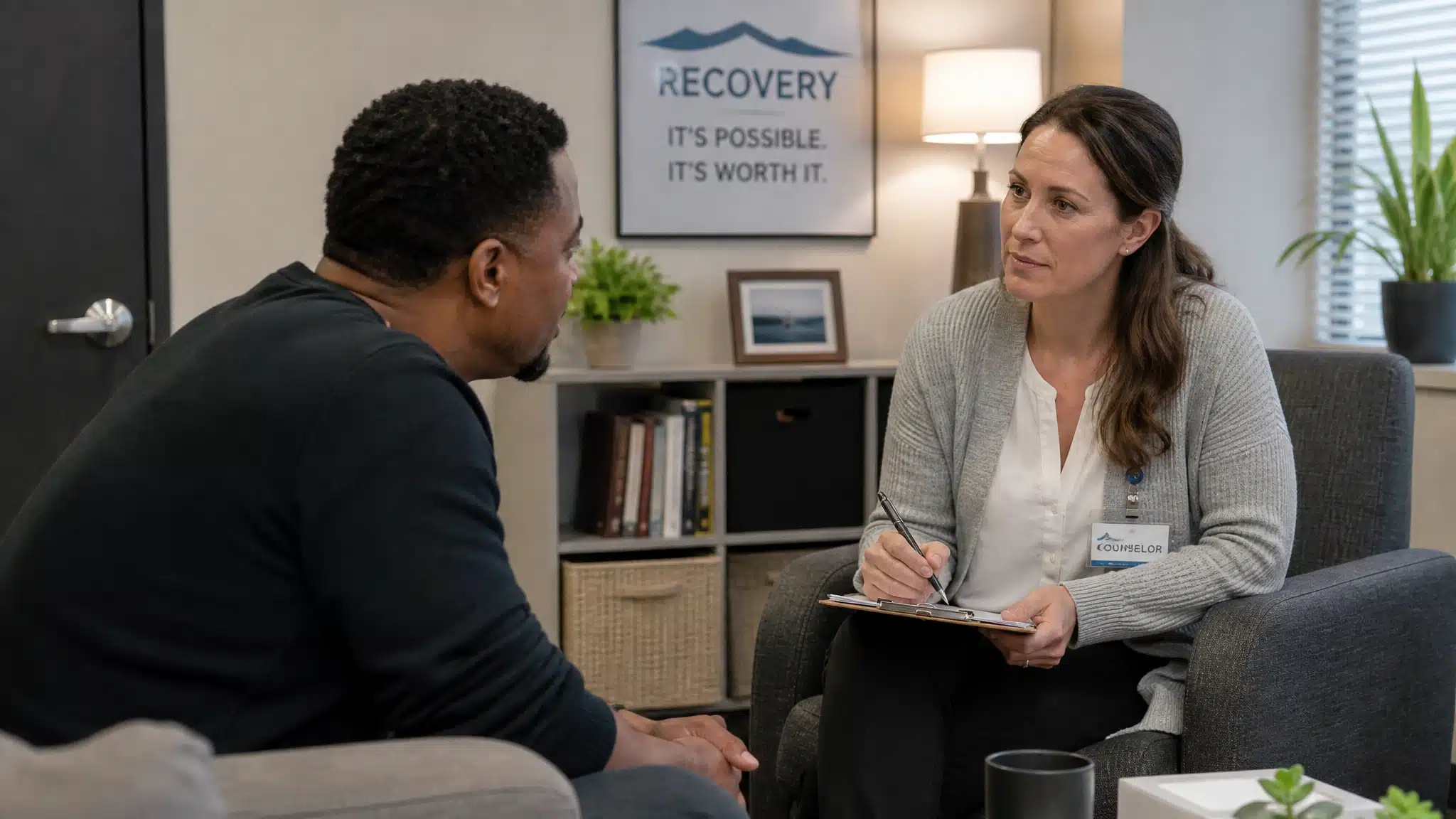
A return to substance use should be interpreted as part of a manageable chronic condition, not as treatment failure. Relapse rates of 40% to 60% mirror those of asthma and hypertension, so a return to use signals the need to adjust care, not evidence that treatment doesn’t work. Most relapses happen in the first few months after discharge, when your risk peaks. You should read these events as prompts to re-engage in care, intensify support, or modify your treatment plan. Because recovery is measured by reduced use, improved functioning, and lower criminal activity, not abstinence alone, a single lapse doesn’t erase progress. When you view addiction as ongoing management, you interpret return to use as expected, actionable clinical information.
How Does Continuing Care Affect Long-Term Recovery Outcomes
Continuing care directly improves your long-term recovery outcomes by extending support through the high-risk months after rehab ends. Most relapses happen in the first few months following discharge, so staying engaged during this vulnerable period lowers your recurrence risk. Aftercare plans help you maintain the progress you made in treatment, and continued support consistently produces lower relapse rates than treatment alone. Review findings show long-term interventions lasting about 12 months yield positive results, and seeking help after remission outperforms going without support. The more you engage in ongoing care, the more your relapse risk declines over time. Think of rehab as the start of your recovery process, not a cure. Continuing care sustains that process, giving you a stronger foundation for lasting sobriety.
Why Are Guaranteed Rehab Success Rates a Red Flag
Guaranteed rehab success rates are a red flag because recovery outcomes vary by person, substance, treatment intensity, and continuing-care engagement, so no responsible provider can promise a fixed result. If a rehab program guarantees a specific success rate, treat that promise as a warning sign. Relapse affects about 40% to 60% of people treated for a substance use disorder, rates comparable to asthma and hypertension. A guaranteed number ignores this clinical reality and misrepresents how addiction works.
Watch for these red flags:
- Promises of a precise cure or fixed success percentage
- Claims that dismiss relapse as failure rather than part of chronic-illness management
- One-size-fits-all programs lacking individualized, evidence-based care
- No mention of aftercare, monitoring, or long-term support
Instead, look for providers offering customized, evidence-based treatment and honest, realistic expectations.
What Should You Ask Before Trusting a Treatment Center’s Published Outcome Statistics
Ask how they define and measure success, because recovery isn’t captured by abstinence alone. Reduced drug use, lower criminal activity, and improved social and psychological functioning are also legitimate treatment goals. Ask what follow-up period the numbers reflect, since relapse risk is highest in the first few months, and one-year relapse rates can reach 70%. Find out whether they track people who left treatment early, or only those who completed it. Ask if outcomes include aftercare and continuing care, which lower recurrence rates. Confirm the data comes from independent measurement, not self-report alone. Finally, ask whether treatment is individualized and evidence-based, because customization, professional delivery, and long-term support consistently correlate with better, more durable results across settings.
Recovery Is More Than a Single Stay in Rehab
Starting treatment can be a major step, but lasting recovery often depends on continued support after rehab ends. Villa Wellness Center offers compassionate drug addiction treatment tailored to individual needs and long-term progress. If you are considering care, verify insurance coverage or call (844) 609-3035 to speak confidentially with the admissions team about available options.
Frequently Asked Questions
How Much Does Drug Rehab Typically Cost?
The cost of drug rehab varies based on the level of care, treatment setting, program length, and services included. Residential treatment generally involves more intensive support than outpatient care, which can affect the overall cost. Continuing care and aftercare may also add to the total. The most accurate way to understand expenses is to review your treatment needs and verify your insurance benefits with the provider.
Does Insurance Cover Drug Rehab Treatment?
Insurance may cover some or all of drug rehab when treatment is considered medically necessary, but coverage depends on the specific plan and level of care. Benefits can differ for residential treatment, intensive outpatient programs, therapy, medications, and continuing care. Before starting treatment, it is best to verify your insurance benefits so you understand what services are covered and what out-of-pocket costs may apply.
How Long Does a Typical Rehab Program Last?
Rehab length varies by your needs, substance, and treatment intensity, so there’s no single standard duration. What matters most is staying for the full recommended course, since longer treatment correlates with reduced substance use and lower relapse risk. Many programs pair this with about 12 months of continuing support, which improves your long-term outcomes. If you leave early, you’ll face elevated relapse risk during the most vulnerable period after discharge.
What Is the Difference Between Inpatient and Outpatient Rehab?
Inpatient rehab has you live at a facility, receiving structured, round-the-clock care, while outpatient rehab lets you stay home and attend scheduled treatment sessions. For many people, intensive outpatient programs produce outcomes comparable to inpatient care. Inpatient care may reduce relapse in some comparisons, especially early on. Whichever setting you choose, long-term support remains critical, so you’ll want ongoing aftercare to maintain progress and lower your relapse risk over time.
Can Family Members Participate in a Loved One’s Rehab Treatment?
Yes, you can participate in your loved one’s rehab treatment, and doing so often strengthens outcomes. Because effective care addresses medical, psychological, and social needs together, your involvement supports the customized, evidence-based approach clinicians use. You can also help build the aftercare and continuing support that lower relapse risk, especially during the vulnerable first months after treatment. Your ongoing engagement reinforces recovery as a long-term process, not a one-time fix.