







Edibles stay in your system longer than smoked cannabis because your liver converts delta-9 THC into 11-hydroxy-THC, a more potent metabolite that clears slowly. In urine, they’re detectable for 3 to 30 days depending on use frequency.
Blood tests can catch them for 1 to 2 days, saliva for 1 to 3 days, and hair for up to 90 days. Your body fat, dosage, and hydration all shift these windows considerably, and the full picture is more complex than most people expect, including how long does edible high last 5mg.
How Does Your Body Process Edibles Differently Than Smoking?

When you smoke cannabis, delta-9 THC travels directly from your lungs into your bloodstream, reaching your brain within seconds to 30 minutes. This metabolic processing pathway delivers effects quickly, giving you precise dosing control.
Edibles follow a fundamentally different route. After ingestion, your liver converts delta-9 THC into 11-hydroxy-THC during first-pass metabolism. This compound crosses the blood-brain barrier more efficiently than delta-9 THC, producing stronger, more body-focused effects that last 4, 12 hours compared to smoking’s 1, 3 hours.
This distinction directly impacts THC metabolites detectable in drug tests. Because edibles generate more potent metabolites through liver conversion, they remain traceable in your system longer than smoked cannabis. Understanding this difference explains why edible consumption often triggers longer detection windows across multiple testing methods. Edibles also interact with medications through liver metabolism in ways that smoking, which bypasses first-pass processing, does not.
How Long Do Edibles Stay in Your Urine?
When you consume edibles, urine remains the most likely testing method you’ll face, and THC metabolites can stay detectable anywhere from 3 to 30 days depending on your usage patterns. A single edible session typically clears within 3 to 7 days at a 50 ng/mL cutoff, while chronic use can push detection windows to 21 days or longer at a 20 ng/mL threshold. Your body fat percentage, metabolism, and the dose you consumed all directly influence how quickly those metabolites clear your system. Edibles may result in longer detection times compared to other consumption methods due to how THC is processed through the digestive system.
Urine Detection Time Frames
Urine testing captures four distinct detection windows for edible THC metabolites, each tied directly to how often you consume. Your thc urine detection time depends entirely on consumption frequency:
- Occasional use (single dose): 3, 7 days, extending to 7 days at 20 ng/mL cutoffs
- Moderate use (4x weekly): 1, 2 weeks due to lipophilic metabolite accumulation
- Daily chronic use: 10, 15 days, averaging 14 days across multiple studies
- Heavy chronic use (multiple daily doses): 30+ days, with documented elimination reaching 433.5 hours
- Standard immunoassays detect THC-COOH, not active THC, affecting result interpretation
Edibles produce 11-hydroxy-THC through hepatic metabolism, which partitions into adipose tissue and dramatically extends clearance timelines compared to inhaled cannabis. It is worth noting that detox kits are unreliable and potentially dangerous, offering no proven method to accelerate the elimination of THC metabolites from urine.
Factors Affecting Urine Detection
Several interconnected variables determine how long edible THC metabolites remain detectable in your urine, and understanding them helps you interpret detection windows more accurately. Yes, do edibles show up on drug tests, and how long do edibles stay in urine depends heavily on these key factors: Similarly, how long does edible cbd stay in system can vary based on factors like your metabolism, dosage, and frequency of use. While some individuals may find it leaves their system within a few days, others might experience a longer duration. Understanding these differences is crucial for those who consume edible cbd, especially if they are subject to testing.
| Factor | Low Impact Scenario | High Impact Scenario |
|---|---|---|
| Frequency of Use | Single use: 3, 4 days | Chronic use: up to 28 days |
| Body Fat Percentage | Lower fat: faster clearance | Higher fat: extended retention |
| Edible THC Dosage | Low dose: shorter window | High dose: prolonged detection |
Your hydration status also matters, diluted urine temporarily lowers detected concentrations, while dehydration concentrates metabolites. Cutoff thresholds further shift results; the sensitive 20 ng/mL threshold detects single-use events up to 7 days versus 3, 4 days at 50 ng/mL.
How Long Do Edibles Show Up in a Blood Test?
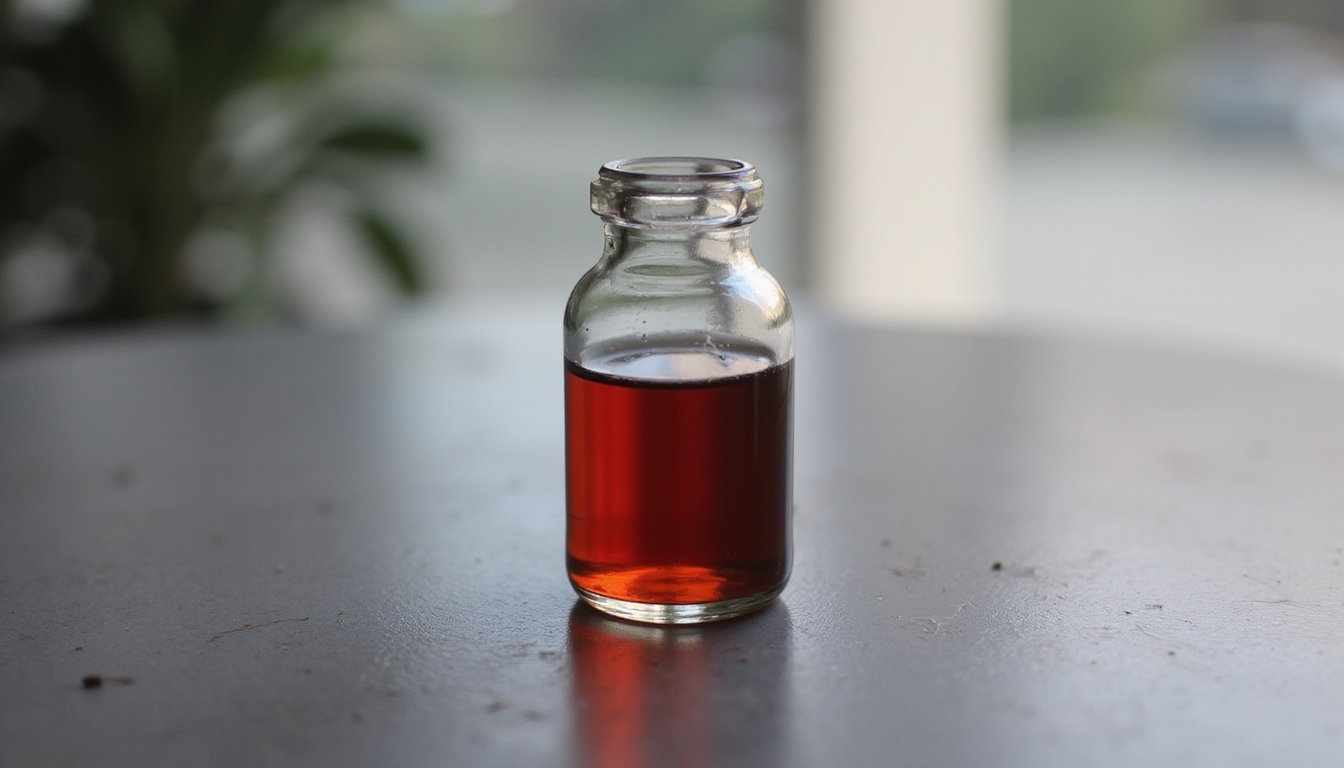
When you consume edibles, blood tests can detect active THC for roughly 1, 4 days, though chronic users may test positive for up to 25, 30 days due to cannabinoid accumulation in adipose tissue. Your detection window depends heavily on consumption frequency, body fat percentage, metabolic rate, and the potency of the edible consumed. Blood test thresholds also play a critical role, assays set at lower sensitivity levels (1, 2 ng/ml) will flag residual THC that higher-threshold tests would miss entirely.
Edibles Blood Detection Window
Blood tests present a narrow detection window for edibles, typically 1 to 2 days for occasional users, with some cases extending to 4 days depending on dosage and metabolic rate. Understanding how long do edibles stay in blood helps you anticipate screening outcomes accurately.
Key factors shaping your blood detection window:
- Acute intoxication phase: Active THC remains detectable for 2, 12 hours post-consumption
- Occasional users: Blood tests turn positive for 1, 2 days, rarely reaching 4 days
- Chronic users: Prolonged THC-COOH presence extends detection beyond standard windows
- Edible metabolism: First-pass liver conversion produces 11-hydroxy-THC, clearing more slowly than inhaled THC
- Test sensitivity: Standard assays measure both active THC and metabolites based on pharmacokinetic disposition
Factors Affecting Blood Clearance
Understanding why blood detection windows vary so widely from person to person requires looking beyond the standard 1, 4 day timeframe. Your metabolism rate variations, body composition and fat distribution, dose administration level, and frequency of use patterns all directly influence how quickly THC clears your bloodstream.
| Factor | Occasional User | Frequent User |
|---|---|---|
| Clearance Rate | ~36 L/hour | ~60 L/hour |
| Detection Window | Up to 12 hours | 24+ hours |
| Peak Plasma (20mg) | 4.4 ng/mL | 11 ng/mL |
Higher body fat percentage slows redistribution from adipose tissue back into circulation, extending detectability. Genetic polymorphisms affecting CYP2C9 and CYP3A4 enzymes create additional unpredictability. A 20mg edible dose generates plasma concentrations nearly double those of a 15mg dose, compounding these clearance variables substantially.
Blood Test Detection Thresholds
Most blood tests for THC operate within a narrow detection window compared to urine or hair testing, largely because blood measures active THC rather than stored metabolites. In cannabis drug testing, sensitivity thresholds directly determine whether you’ll test positive after edible consumption.
- High THC levels exceeding 100 ng/ml strongly indicate recent use
- Low detectable levels of 1, 2 ng/ml can persist for several hours
- Chronic users typically show serum levels between 1.0, 6.4 ng/ml
- Blood assays detect active THC for roughly 1, 12 hours post-ingestion
- Assay sensitivity varies, shifting the exact detection window per individual
Understanding these thresholds helps you gauge your risk before a scheduled blood screening, especially since edibles delay THC’s entry into your bloodstream by one to two hours.
How Long Do Edibles Show Up in a Saliva Test?

Saliva tests detect THC for a shorter window than most other drug testing methods, making them particularly relevant for evaluating recent edible consumption. For edible drug test detection, your results depend heavily on consumption frequency and individual metabolism.
| User Type | Detection Window | Key Factor |
|---|---|---|
| Occasional user | 6, 24 hours | Fast metabolism |
| Moderate user | 24, 48 hours | Standard clearance |
| Chronic user | 48, 72 hours | THC accumulation |
Edibles produce slightly shorter saliva detection windows than smoking or vaping because they bypass oral contamination entirely. Unlike urine tests detecting THC for up to 30 days, saliva tests focus strictly on recent exposure. Brushing your teeth reduces surface residue but won’t eliminate THC absorbed into oral tissues.
Can a Hair Test Detect Edibles After 90 Days?
Hair tests work differently from saliva and urine tests because they don’t measure recent exposure, they map patterns of use across a 90-day window. Labs analyze the 1.5 inches of hair closest to your scalp, representing roughly three months of growth. Standard hair follicle test protocols won’t detect consumption beyond that sampled segment.
Hair follicle tests don’t catch recent use, they reveal patterns across a precise 90-day window.
Key facts about the hair test detection window:
- THC metabolites incorporate into hair 7, 10 days after edible consumption
- Detection stops at the length of hair collected, not indefinitely
- Body hair extends the window beyond 90 days with less precision
- Frequent use increases metabolite accumulation in hair strands
- Light users show a 39% detection rate, making single-use outcomes uncertain
Your frequency of use matters more than any single edible dose.
What Factors Determine How Long Edibles Stay in Your System?
Several interacting variables determine how long edibles remain detectable in your system, and no single factor operates in isolation. Your dosage directly impacts metabolite accumulation, since higher THC concentrations extend detection windows considerably.
Your metabolism speed, governed by hepatic enzymes CYP2C9 and CYP3A4, determines how quickly your body breaks down cannabinoids, with genetic polymorphisms creating meaningful individual differences, including edibles stay in system for how long.
Body fat composition plays a critical role because THC is lipophilic, storing in adipose tissue and releasing slowly over time. Usage frequency compounds this effect, occasional users typically clear metabolites within 3, 7 days, while chronic users may test positive on a marijuana drug test for 30 days or longer. Hydration levels and stomach contents at consumption further influence how your body absorbs and processes edible THC.
What Do Drug Test Cutoff Levels Mean for Edible Users?
Understanding how long edibles stay in your system only tells part of the story, what actually determines a positive or negative result is whether your THC metabolite levels exceed a test’s specific cutoff threshold. Even knowing how long do edibles stay in saliva won’t protect you if you don’t understand these thresholds.
Key cutoff levels you should know:
- Standard urine screening: 50 ng/mL initial, 15 ng/mL confirmatory
- DOT urine test: 50 ng/mL initial, 15 ng/mL confirmatory
- Oral fluid (NRC): 4 ng/mL THC
- Hair cannabinoid screening: 1 pg/mg, confirmed at 0.05 pg/mg
- NCAA urine threshold: 150 ng/mL, considerably more lenient
Over-the-counter tests using 50 ng/mL may falsely reassure you when workplace DOT tests apply stricter 15 ng/mL confirmatory standards, catching edible metabolites you’d otherwise overlook.
Call Now and Start Your Recovery Today
Frequently Asked Questions
Can Drinking Water Help Flush Edible THC Metabolites From Your System Faster?
Drinking water won’t flush THC metabolites from your system faster. THC-COOH, the compound urine tests detect, binds to fat cells and gets processed by your liver, not eliminated through hydration. While drinking water can dilute your urine temporarily, labs account for this by measuring creatinine levels. Your body clears metabolites based on metabolism, body fat percentage, frequency of use, and dosage, factors that water consumption doesn’t meaningfully influence.
Do Edibles From Different Potency Levels Affect How Long Detection Lasts?
Yes, the potency of edibles you consume directly affects how long detection lasts. Higher THC concentrations increase the metabolic burden on your liver, extending clearance time and widening detection windows across all test types. When you consume high-dose edibles, your body produces more metabolites that accumulate in fat tissue, particularly if you use them frequently. Lower-potency edibles generally clear faster, though your metabolism, body composition, and consumption frequency still markedly/notably/considerably influence overall detection duration.
Can Secondhand Cannabis Smoke Cause a Failed Drug Test After Edible Use?
If you’ve consumed edibles, secondhand cannabis smoke won’t cause you to fail a drug test independently, your edibles are already the primary driver of any positive result. However, secondhand smoke can add trace THC metabolites that compound your existing levels, potentially extending detection windows. Studies confirm that passive exposure alone rarely exceeds standard test thresholds, but combined with edibles’ fat-stored metabolites, the additive effect may prolong how long you’ll test positive.
Are There Legal Protections if You Test Positive for Prescribed Cannabis Edibles?
Legal protections for prescribed cannabis edibles vary considerably depending on your jurisdiction and employer. In some U.S. states, medical cannabis patients have workplace protections, but federal law doesn’t recognize cannabis as medicine, leaving many employees vulnerable. You’ll want to disclose your prescription to your employer’s HR department proactively and consult an employment attorney familiar with your state’s medical cannabis laws. Documentation from your prescribing physician strengthens your position extensively.