







A 10mg THC edible typically keeps you feeling effects for 4, 8 hours, while a 20mg dose can stretch that window to 6, 12 hours. Your metabolism, tolerance, and food intake all influence how long those effects actually last. Onset takes 30, 90 minutes because your liver converts Delta-9 THC into 11-hydroxy-THC before effects register. Peak intensity usually hits around hours 2, 4. Several key factors determine exactly where your experience lands within these ranges.
How Long Before a 10mg Edible Kicks In?

When you eat a 10mg THC edible, don’t expect to feel anything right away. Your body needs time to digest and absorb it, which typically takes 30 to 90 minutes. In some cases, full onset is delayed up to 2 hours depending on your metabolism, body weight, and whether your stomach is empty or full. When you eat a 10mg THC edible, don’t expect to feel anything right away. Your body needs time to digest and absorb it, which typically takes 30 to 90 minutes. In some cases, full onset is delayed up to 2 hours depending on your metabolism, body weight, and whether your stomach is empty or full, including how long do homemade edibles take to kick in.
If you’re wondering how long does a 10mg edible last, understanding onset timing is the first step. Unlike inhaled THC, which enters your bloodstream within minutes, edibles require your liver to convert Delta-9 THC into 11-hydroxy-THC before effects begin. That conversion extends the delay considerably. If you’re wondering how long does a 10mg edible last, understanding onset timing is the first step. Unlike inhaled THC, which enters your bloodstream within minutes, edibles require your liver to convert Delta-9 THC into 11-hydroxy-THC before effects begin. That conversion extends the delay considerably, highlighting that Edibles stay in system longer than smoking.
Don’t redose at 45 to 60 minutes. Effects are likely still pending, and taking more increases your risk of overconsumption. As a general rule, start with 5 to 10mg and wait at least two hours before considering any additional amount.
When Do Edible Effects Hit Their Peak?
Once the onset window closes and THC begins circulating in your system, the effects don’t plateau immediately, they continue building toward a peak that most users hit between 2 and 4 hours after ingestion. Blood THC concentrations reach their highest point around hour three, driven by first-pass liver metabolism converting THC into 11-hydroxy-THC, a more potent metabolite responsible for edibles’ characteristically immersive, full-body intensity.
Dosage directly determines how long does 20mg of THC last at peak intensity. A 10mg dose typically peaks within that 2, 4 hour window, while 20mg extends peak effects substantially longer, sometimes stretching to 6 hours before tapering. Higher doses don’t just amplify intensity; they prolong it, pushing total duration into the 8, 12 hour range for high-potency consumption. It’s also worth noting that consuming edibles alongside high-fat meals can increase THC bioavailability, intensifying peak effects beyond what the dose alone might suggest.
How Long Does a 10mg Edible Last?

For most adults, a 10mg THC edible produces active effects lasting 4, 8 hours, with residual sensations occasionally extending to 12 hours or beyond. Understanding how long does 10mg THC last depends largely on your metabolism, body composition, and food intake.
Your liver converts THC into 11-hydroxy-THC, a metabolite that drives the extended duration compared to inhaled cannabis. If you carry higher body fat, THC accumulates in fatty tissue, releasing slowly into your bloodstream and prolonging effects. Eating a high-fat meal before dosing enhances absorption, potentially pushing duration toward the upper range.
Faster metabolism shortens the experience, while slower processing extends it. Regular users with a primed endocannabinoid system typically move through a 10mg dose more efficiently than occasional consumers.
Peak effects reach maximum intensity between 2 and 4 hours after ingestion, often producing full-body sensations stronger than those experienced with inhaled cannabis.
How Long Does a 20mg Edible Last?
If you take a 20mg THC edible, you can expect the effects to last between 6 and 8 hours, with some individuals experiencing prolonged intoxication beyond that range. Your peak blood levels of 11-hydroxy-THC, the potent liver-converted metabolite, will typically hit around 2 to 4 hours after ingestion, producing the strongest psychoactive effects at that window. A 20mg dose is generally considered high, meaning it’s better suited for individuals with established tolerance rather than those new to edible cannabis.
Duration Of 20mg Effects
A 20mg THC edible typically produces primary effects lasting 6, 8 hours, with total duration ranging from 4, 12 hours depending on individual factors like metabolism, tolerance, and body composition. If you’re wondering how long does a 20mg edible last, the answer varies based on several measurable variables: A 20mg THC edible typically produces primary effects lasting 6, 8 hours, with total duration ranging from 4, 12 hours depending on individual factors like metabolism, tolerance, and body composition. If you’re wondering how long does a 20mg edible last, the answer varies based on several measurable variables, including how long do edibles effects last in your system:
- Peak intensity hits between 2, 4 hours post-consumption following liver conversion to 11-hydroxy-THC
- Higher body fat stores cannabinoids longer, extending your overall duration toward 10, 12 hours
- Residual sedation persists several hours beyond the primary 6, 8 hour window
- Full clearance can take up to 24 hours, with detectable impairment documented up to 7 hours in driving studies
Effects wane gradually after peak, but you shouldn’t assume full sobriety once primary effects subside.
Peak Blood Level Timing
When you consume a 20mg THC edible, blood THC levels don’t peak until 2, 4 hours post-ingestion, significantly later than smoked cannabis, which peaks within minutes. THC potency influences this timeline; higher doses extend peak arrival compared to lower doses.
| Edible Type | Onset | Peak Timing |
|---|---|---|
| Standard 20mg | 30, 90 min | 2, 4 hours |
| Oil-based 20mg | 30, 60 min | 90, 120 min |
| Nano-emulsified 20mg | 15, 30 min | 60, 90 min |
After peaking, blood THC drops 80, 90% within 30 minutes, yet subjective effects persist well beyond that point. Your metabolism, stomach contents, and body composition all shift peak timing from these baselines. An empty stomach accelerates peak arrival by roughly 10, 20 minutes.
Who Should Take 20mg
Understanding when blood THC peaks tells only half the story, the other half depends on whether a 20mg dose is appropriate for you in the first place. THC edible dosage duration scales directly with tolerance, metabolism, and prior use frequency.
20mg suits you if:
- You’ve moved past questioning how long do 10mg edibles last and consistently find moderate doses insufficient
- You process THC quickly due to high tolerance or fast metabolism
- You’re not comparing results to how long does 5mg edible last, meaning you’re beyond beginner thresholds
- You want effects extending 12+ hours without redosing
Beginners should avoid 20mg entirely. Its intensity risks anxiety, confusion, and prolonged disorientation. Experienced consumers who metabolize THC efficiently tolerate this dose without adverse reactions that novices frequently encounter.
Does Metabolism, Tolerance, or Body Weight Change How Long It Lasts?
Your metabolism directly controls how quickly your body processes THC, meaning a faster digestive system moves the compound through hepatic conversion more efficiently and may shorten the active window. Tolerance, however, works differently, it doesn’t meaningfully reduce how long THC stays in your system, but it does compress your perception of how intense and extended the effects feel. Understanding the distinction between these two mechanisms helps you accurately predict your experience rather than misattributing a shorter perceived duration to faster physical clearance.
Metabolism Speeds Up Processing
Metabolism plays a direct role in how quickly your body processes THC and how long its effects last. Your liver converts THC into 11-hydroxy-THC through first-pass metabolism, which prolongs the psychoactive response from any cannabis edible dosage. Faster metabolisms reduce overall duration, while slower metabolisms extend elimination time considerably.
Key metabolic factors affecting THC duration:
- Faster metabolism shortens the high by processing THC more efficiently
- Slower metabolism extends THC elimination, prolonging effects up to several hours
- Peak intensity typically occurs 2, 4 hours post-ingestion, shifting based on metabolic rate
- First-pass liver metabolism converts THC to a more potent compound, deepening and lengthening effects
Understanding your metabolic rate helps you anticipate how long a given dose will remain active.
Tolerance Shortens Duration
Several factors shape how long a 10mg or 20mg edible stays active in your body, but tolerance may compress that window more noticeably than most people expect. If you’re a naïve consumer, you’ll likely feel effects from as little as 1.5, 5mg, and that experience can stretch 8, 12 hours. Regular users, however, often require 10, 30mg to reach equivalent effects, with durations compressing to roughly 4, 6 hours at identical doses.
Tolerance develops after sustained exposure to high oral THC doses, specifically reducing 11-hydroxy-THC effect longevity. High-frequency users sometimes need 60, 100mg or more before experiencing significant intoxication. Your use pattern directly determines how quickly your body processes and diminishes those effects, making tolerance one of the strongest predictors of edible duration.
Why Do Edibles Last Longer Than Smoking Weed?
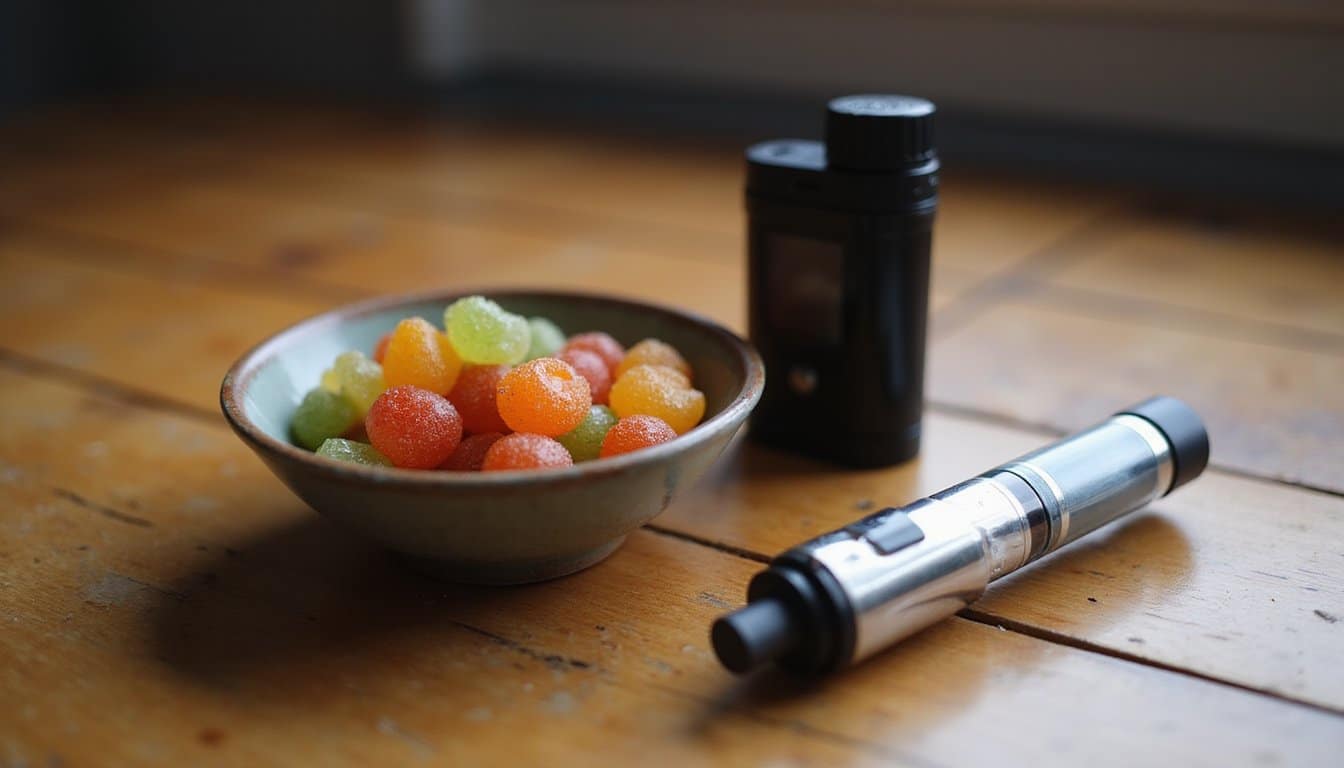
When you smoke cannabis, THC enters your bloodstream through your lungs within minutes and clears relatively quickly, producing effects that typically last 1, 3 hours. Edibles follow an entirely different metabolic pathway, which explains their considerably longer duration.
Your liver converts ingested THC into 11-hydroxy-THC, a more potent metabolite with a longer half-life. This conversion extends and intensifies the psychoactive window substantially.
Key pharmacokinetic differences include:
- Onset: Smoking takes 5, 15 minutes; edibles take 30 minutes to 2 hours
- Duration: Smoking lasts 1, 3 hours; edibles last 4, 8 hours or longer
- Metabolite potency: 11-hydroxy-THC is stronger than THC itself
- Effect profile: Edibles produce deeper, body-focused effects due to sustained liver metabolism
Call Us Today and Reclaim Your Health
Substance use affects more than just your body, it impacts every part of your life. But healing is possible when you have the right people by your side. At Villa Wellness Center, we offer evidence-based Drug Addiction Treatment Programs led by caring therapists and addiction specialists who are committed to your recovery. Verify your insurance or call +1 (844) 609-3035 today and let us help you reclaim your health.
Frequently Asked Questions
Can Eating Food Before an Edible Change How Long It Lasts?
Eating food before an edible won’t drastically change how long it lasts. Once your body absorbs the cannabinoids, they’ll remain active for roughly 4 to 8 hours regardless of what you’ve eaten. Food primarily affects onset speed and intensity, a full stomach slows absorption and smooths out the experience, but it doesn’t shorten or eliminate the duration. Your metabolism and dose size are the real drivers of how long effects persist.
How Long Does THC From Edibles Stay Detectable in Your System?
After consuming an edible, THC stays detectable for varying windows depending on the test type. Blood tests catch it for 1, 4 days, while saliva tests detect it within 24, 72 hours. Urine tests vary most dramatically, you’ll test positive for 1, 7 days with occasional use or 30+ days with chronic use. Hair tests are the longest, capturing THC exposure for up to 90 days. Your metabolism, body fat, and usage frequency directly influence these windows.
Is a 10MG Edible Too Strong for a First-Time User?
For a first-time user, 10mg is likely too strong. Your liver converts THC into 11-hydroxy-THC, which intensifies effects dramatically. Without prior tolerance, you’re risking anxiety, paranoia, impaired coordination, and excessive drowsiness. Medical professionals recommend starting at 2.5mg to gauge your body’s response safely. You should wait at least two hours before considering any additional dose, since edibles’ delayed onset frequently causes beginners to overconsume before feeling initial effects.
What Side Effects Can Occur if You Take Too High a Dose?
If you take too high a THC dose, you can experience intense anxiety, paranoia, rapid heart rate, dizziness, and severe nausea. At 25mg+, you’re risking vomiting, confusion, and coordination loss lasting 6, 12 hours. Doses exceeding 100mg can trigger hallucinations and diarrhea. You’ll also likely face extreme fatigue persisting 8, 24 hours post-ingestion. Low-tolerance individuals face heightened risks, and next-day residual impairment remains possible when THC stores in fat tissues.
Does Delta 8 Last as Long as Delta 9 at the Same Dosage?
At the same dosage, Delta-8 and Delta-9 edibles last roughly the same duration, typically 4-8 hours. However, since Delta-8 is only 60-70% as potent as Delta-9, you’ll experience weaker effects at equivalent milligrams. Delta-8’s peak hits around 2-3 hours post-consumption, while Delta-9 peaks between 1-4 hours. You’ll also notice Delta-8 takes 10-20 minutes longer to onset, as it binds less aggressively to CB1 receptors.